



Gjør som tusenvis av andre bokelskere
Abonner på vårt nyhetsbrev og få rabatter og inspirasjon til din neste leseopplevelse.
Ved å abonnere godtar du vår personvernerklæring.Du kan når som helst melde deg av våre nyhetsbrev.

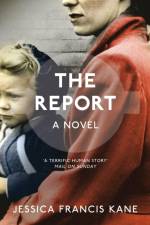
An evocative and moving debut novel - based on the true story of the worst UK civilian disaster of the Second World War, when 173 people were crushed to death at Bethnal Green tube station during the Blitz.
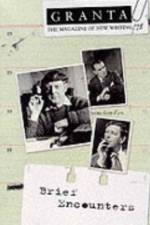
How do you cope with the great, if you yourself are not so great? Do you speak, do you listen, in the face of every difficulty do you try to please? The sensible thing to do is keep a diary. Irish poet Richard Murphy remembers his experiences with Auden, J.R. Ackerley and Theodore Roethke.
An anthology of private memory, including Lynn Barber on her close encounter with bigamy, Zoe Heller on her father's lovers, and Simon Gray on absent friends. Plus new fiction from J. Robert Lennon and Nell Freudenberger.
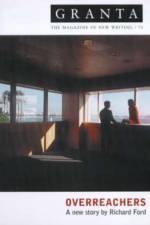
There was always the - is this it? - issue. It made him think of his father again. His father had been a New Yorker and had New Yorker ways. His father always felt there should be more, more for Henry and his brothers. More than they had. To accept, to not overreach, was to accept defeat.
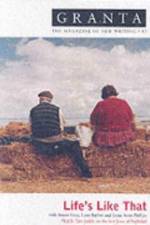
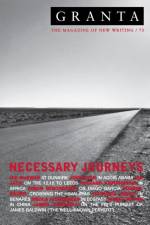
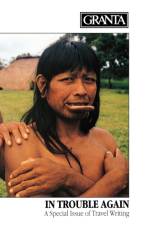
Some travel is vital to the traveller. Sometimes you need to get home or get away. Sometimes this is far from easy. This issue of Granta contains compelling stories about journeys which need to be made. You might call it necessary travel writing.
This issue reflects a variety of the extreme individual experience provided by the 20th century. James Hamilton-Paterson recounts his rape by five men in Libya; Marlon Brando reveals the stupidities of celebrity to Studs Terkel; and Andrew Brown describes the death of God in the Church of England.
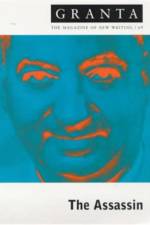
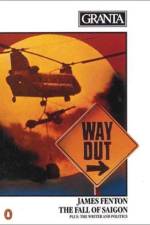
In 1966, the South African premier, Hendrik Verwoerd was stabbed to death in the South African parliament. Who was the killer and what was his motives? A political enemy of the system? A madman?
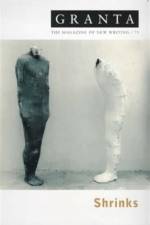
This issue examines the experience from the patient's couch and the psychiatrist's chair, in both fiction and non-fiction. The contributors include Elliot Perlman, Patrick McGrath, Edmund White and Ved Mehta.
In this issue of Granta Magazine, the theme is the sea and our relationship with it. It includes pieces by: James Hamilton-Paterson, on a lonely death in the Pacific; Julia Blackburn, on the lure of the mermaid; Neal Ascherson, on the death of the Black Sea; and Haruki Murakami.
In this edition of the Granta magazine, Richard Lloyd Parry reports on the savage civil war taking place in Indonesia and Nicholas Shakespeare writes on Martha Gelhorn and why she hated her husband, Ernest Hemingway.
This issue on Russia explores how an old country is finding new ways to think and write. As well as fiction by Russian writers, there is a report on a visit to the once unvisitable Siberia, interviews with the survivors of Stalin's gulag, and a discussion of the place of vodka in Russian culture.
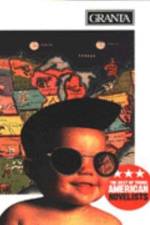
The twenty best American novelists under forty, chosen by Robert Stone, Anne Tyler, Tobias Wolff, and Ian Jack.
A unique portrait of the life and death of a writer who inspired a generation
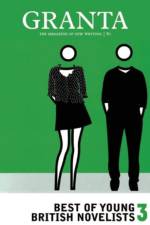
The third in the Best of Young British Novelists series, which revealed the emerging literary landscape of a new millenium.
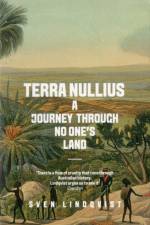
Terra Nullius is a journey across Australia's desert and into its shocking past. This lyrical book describes its landscape, flora and fauna and geology, tells the history of the country and reveals the shocking treatment of its Aboriginal peoples.
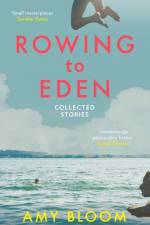
Amy Bloom has long been regarded as a master of the short story form. Here, her brilliance shines across two decades and more than twenty-five stories. From the bereaved widow who finds unexpected comfort in 'Sleepwalking', to the matchmaking shrink in 'Psychoanalysis Changed My Life'; from the teenage girl furious at her dying mother in 'Hold Tight' to the transgressive lovers of 'The Gates Are Closing'; from the married friends irresistibly drawn to one another in 'William and Clare' to the brave and heartless girl in 'Permafrost' - these are stories brimming with life and grief, erotically-charged and beautifully crafted.
From the author of the Booker shortlisted Sisters Brothers - a dark, boozy and hilarious tale from the LA underworld.
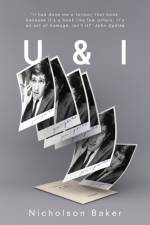
Baker's startlingly honest, very funny account of his obsession with John Updike, part of a stunning redesign of Baker's Granta backlist.
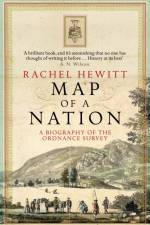
This ';absorbing history of the Ordnance Survey'the first complete map of the British Islescharts the many hurdles map-makers have had to overcome' (The Guardian, UK). Map of a Nationtells the story of the creation of the Ordnance Survey map, the first complete, accurate, affordable map of the British Isles. The Ordnance Survey is a much beloved British institution, and this isamazinglythe first popular history to tell the story of the map and the men who dreamt and delivered it. The Ordnance Survey's history is one of political revolutions, rebellions and regional unions that altered the shape and identity of the United Kingdom over the eighteenth and nineteenth centuries. It's also a deliciously readable account of one of the great untold British adventure stories, featuring intrepid individuals lugging brass theodolites up mountains to make the country visible to itself for the first time.
A powerful yet refreshing essay collection centred around themes of confession, illness, violence and sentimentality from an exciting new American talent
The author of The Butterfly Isles turns his wry, affectionate attention to an even more beloved (and controversial) British animal - the badger
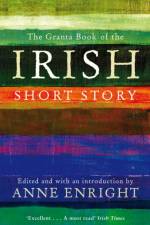
The Man Booker prize-winning author's critically acclaimed selection of the best Irish short stories of the last sixty years, following Richard Ford's best-selling Granta Book of the American Short Story.
From the leading British commentator on France, this is an absorbing, vivid, and monumental account of the tortured relationship between France and its ex-colonies, from the first days of Empire to the ongoing eruptions of violence in the Parisian suburbs.
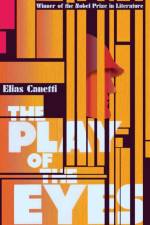
This is the second volume of Elias Canetti's autobiography. It is above all else an account of his admiration for the first great mentor of his adult years, the Viennese writer Karl Kraus. It is also a portrait of Canetti's first wife, Veza, and an account of the Vienna and Berlin of the 1920s.
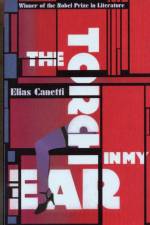
This is the third volume of Elias Canetti's autobiography. It is set in Vienna between 1931 and 1937, at a time when the European catastrophe was already clear to anyone with eyes to see. The book is both a portrait of its time and an intellectual and spiritual autobiography.
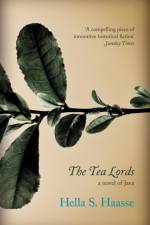
The great masterpiece of the living Dutch novelist most often tipped as a contender for the Nobel Prize for Literature - a classic tale of the European settlers' experience in the Far East worthy of Conrad or Kipling
Abonner på vårt nyhetsbrev og få rabatter og inspirasjon til din neste leseopplevelse.
Ved å abonnere godtar du vår personvernerklæring.