



















Gjør som tusenvis av andre bokelskere
Abonner på vårt nyhetsbrev og få rabatter og inspirasjon til din neste leseopplevelse.
Ved å abonnere godtar du vår personvernerklæring.Du kan når som helst melde deg av våre nyhetsbrev.

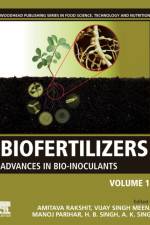
Biofertilizers, Volume One: Advances in Bio-inoculants provides state-of-the-art descriptions of various approaches, techniques and basic fundamentals of BI used in crop fertilization practices. The book presents research within a relevant theoretical framework to improve our understanding of core issues as applied to natural resource management. Authored by renowned scientists actively working on bio-inoculant, biofertilizer and bio-stimulant sciences, the book addresses the scope of inexpensive and energy neutral bio-inoculant technologies and the impact regulation has on biofertilizer utilization. This book is a valuable reference for agricultural/environmental scientists in academic and corporate environments, graduate and post-graduate students, regulators and policymakers.Informs researchers on how to develop innovative products and technologies that increase crop yields and quality while decreasing agricultural carbon footprintsFocuses on production, protocols and developments in the processing of bio-inoculants, bio-stimulants and bio-fertilizersSummarizes the biologically active compounds and examines current research areas
Waste to Renewable Biohydrogen: Volume 1: Advances in Theory and Experiments provides a comprehensive overview of the advances, processes and technologies for waste treatment to hydrogen production. It introduces and compares the most widely adopted and most promising technologies, such as dark fermentation, thermochemical and photosynthetic processes. In this part, potential estimation, feasibility analysis, feedstock pretreatment, advanced waste-to-biohydrogen processes and each individual systems element are examined. The book delves into the theoretical and experimental studies for the design and optimization of different waste-to-biohydrogen processes and systems. Covering several advanced waste-to-biohydrogen pretreatment and production processes, this book investigates the future trends and the promising pathways for biohydrogen production from waste.Discusses the potential, feasibility, progress, challenges and prospect of waste-to-biohydrogen technologiesExplores the most promising waste-to-biohydrogen technologies including dark fermentation, thermochemical and photosynthetic processesInvestigate the mechanisms and the effects of the influential factors on different waste-to-biohydrogen processes
Heavy Metals in the Environment: Impact, Assessment, and Remediation synthesizes both fundamental concepts of heavy metal pollutants and state-of-the-art techniques and technologies for assessment and remediation. The book discusses the sources, origin and health risk assessment of heavy metals as well as the application of GIS, remote sensing and multivariate techniques in the assessment of heavy metals. The various contamination indices like contamination factor, geoaccumulation index, enrichment factor, and pollution index ecological risk index are also included to provide further context on the state of heavy metals in the environment. Covering a variety of approaches, techniques, and scenarios, this book is a key resource for environmental scientists and policymakers working to address environmental pollutants.Covers state-of-the-art techniques for the assessment and remediation of heavy metalsPresents the interdisciplinary impacts of heavy metals, including human health, ecosystems and water qualityIncludes various contamination indices, such as contamination factor, geoaccumulation index, enrichment factor, pollution index and ecological risk index
Handbook of Footwear Design and Manufacture, Second Edition, is a fully updated, expanded guide on the theories, processes, methodologies and technologies surrounding the footwear supply chain. Topics discussed include engineering design methodology, reducing manufacturing waste, footwear advertisement, emerging imaging technology, advice on the optimization of manufacturing processes for productivity, and summaries of the latest advances from researchers around the globe. This updated edition also includes coverage of sizing and grading based on different footwear styles and methods, AI based personalization and customization, emerging models for online footwear shopping (involving data mining), and new methods for foot data analysis and representation.Covers many exciting new developments, such as AR/VR, additive manufacturing, customization of footwear, new last design methods, and green footwearAddresses the entire footwear design and manufacture supply chain Explains new methods for foot data analysis and representation
Since fossil fuels suffer from dangerous side effects for the environment and their resources are limited, bioenergy attracted many attentions in various aspects as an alternative solution. Therefore, increasing number of researches are conducted every year and the processes updated frequently to make them more economic and industrially beneficial. Advances in Bioenergy and Microfluidic Applications reviews recent developments in this field and covers various advanced bio-applications, which rarely are reviewed elsewhere. The chapters are started from converting biomass to valuable products and continues with applications of biomass in water-treatment, novel sorbents and membranes, refineries, microfluidic devices and etc. The book covers various routes for gaining bioenergy from biomass. Their composition, carbon contents, heat production capacities and other important factors are reviewed in details in different chapters. Then, the processes for upgrading them directly and indirectly (using metabolic engineering and ultrasonic devices) to various fuels are explained. Each process is reviewed both technically and economically and the product analysis is given. Besides, the effect of various catalysts on increasing selectivity and productivity are taken into account. Biofuels are compared with fossil fuels and challenges in the way of bioenergy production are explained. Moreover, advanced bio-applications in membranes, adsorption, waste water treatment, microfluidic devices and etc. are introduced. This book provides a good insight about such bioprocesses and microfluidics devices for researchers, students, professors and related departments and industries that care about energy resources and curious about recent advances in related methods and technologies. Despite other books which review biomass chemistry and conversion, the current book emphasize on the application of biomass in the mentioned areas. Therefore, one can gain a better and more comprehensive insight by reading the book. Describes energy production from biomass, biomass conversion, their advantages and limitations Describes the application of biomass in membranes, sorbents, water-treatment, refineries, and microfluidic devices Offers a future outlook of bioenergy production and possibility to apply in the industries
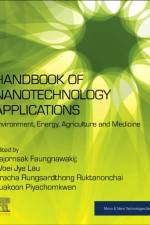
Handbook of Nanotechnology Applications: Environment, Energy, Agriculture and Medicine presents a comprehensive overview on recent developments and prospects surrounding nanotechnology use in water/wastewater separation and purification, energy storage and conversion, agricultural and food process, and effective diagnoses and treatments in medical fields. The book includes detailed overviews of nanotechnology, including nanofiltration membrane for water/wastewater treatment, nanomedicine and nanosensor development for medical implementation, advanced nanomaterials of different structural dimensions (0D, 1D, 2D and 3D) for energy applications, as well as food and agricultural utilization. Other sections discuss the challenges of lab-based research transitioning towards practical industrial use. Helps scientists and researchers quickly learn and understand the key role of nanotechnology in important industrial applicationsTakes an interdisciplinary approach, demonstrating how nanotechnology is being used in a wide range of industry sectorsOutlines the role nanotechnology plays in creating safer, cheaper and more energy-efficient projects and devices
Food Technology Disruptions covers the latest disruptions in the food industry, such as the Internet of Things, digital technologies, modern applications like 3D printing, bacterial sensors in food packaging, electronic noses for food authentication, and artificial intelligence. With additional discussions on innovative distribution and delivery of food and consumer acceptance of food disruptions, this book is an essential resource for food scientists, technologists, engineers, agriculturalists, chemists, product developers, researchers, academics and professionals working in the food industry. While innovations play an important role in food production, disruptive technologies are a revolutionary type of innovation that can displace an established technology and shake up the industry...or create a completely new industry. Currently, digital technologies and smart applications lead innovations in the food sector in order to optimize the food supply chain and to develop and deliver tailor-made food products to consumers with new eating habits.Covers digital technologies in agriculture, food production and food processing, modern eating habits, personalized nutrition, and relevant innovative food productsBrings alternative protein sources, novel functional foods and artificial meatDiscusses the Internet of Things, digital technologies and modern applications like 3D printing, smart packaging and smart food distribution
Environmental Impact of Agro-Food Industry and Food Consumption covers trends associated with the impact of food production on the environment using lifecycle analysis and the standard methods used to estimate the food industry''s environmental impact. The book discusses city-scale actions to estimate the environmental impact of food systems, including the meat chain, feeding crops to farmed fish, the confectionary industry, agriculture, tea processing, cheese production, the dairy industry, cold chain, and ice cream production. Food waste and consumption in hospitality and global diets round out these interesting discussions. Written for food scientists, technologists, engineers, chemists, governmental regulatory bodies, environmentalists, environmental technologists, environmental engineers, researchers, academics and professionals working in the food industry, this book is an essential resource on sustainability in the food industry.Addresses all levels of the food chainProvides solutions for the food industry to estimate and reduce environmental impactAssists members of the food industry in optimizing their current performance and reducing their environmental footprint
Carbohydrate Analysis by Modern Liquid Phase Separation Techniques, Second Edition, presents readers with the various principles of modern liquid phase separation techniques and their contributions to the analysis of complex carbohydrates and glycoconjugates. In a selection of all-new chapters, this fully updated volume covers each technique in detail. The book aims to help analysts solve any of the many practical problems they may face in tackling the analysis of carbohydrates. In addition, it addresses current difficulties that must be resolved in carbohydrate research, thus inspiring further important technological developments to meet these challenges. This is an essential resource for anyone seeking a broad view of the science of carbohydrates and separation techniques. Covers the basic principles of modern liquid phase separation techniques, along with their applications Compiles up-to-date information on the field of carbohydrate analysis, along with updates on separation science Focuses on problems currently faced in carbohydrate analysis and the solutions necessary for further progress
Emerging Nanotechnologies for Renewable Energy offers a detailed overview of the benefits and applications of nanotechnology in the renewable energy sector. The book highlights recent work carried out on the emerging role of nanotechnology in renewable energy applications, ranging from photovoltaics, to battery technology and energy from waste. Written by international authors from both industry and academia, the book covers topics including scaling up from laboratory to industrial scale. It is a valuable resource for students at postgraduate and advanced undergraduate levels, researchers in industry and academia, technology leaders, and policy and decision-makers in the energy and engineering sectors.Offers insights into a wide range of nanoscale technologies for the generation, storage and transfer of energyShows how nanotechnology is being used to create new, more environmentally friendly energy solutionsAssesses the challenges involved in scaling up nanotechnology-based energy solutions to an industrial scale
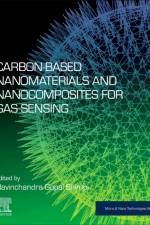
Carbon-Based Nanomaterials and Nanocomposites for Gas Sensing discusses the state-of-the-art, emerging challenges, properties and opportunities of various carbon-based nanomaterials and nanocomposites with their application in smart gas sensors. The book focuses on carbon-based nanomaterials used for the purpose of sensing, device fabrication and its applications for the sensing of various hazardous gases. In addition, it provides systematic and effective guidelines for researchers who want to gain a fundamental understanding on how this class of materials is being used for gas sensing. Since these sensors can be applied for the automation of numerous industrial processes and for the everyday monitoring of various activities, including public safety, engine performance, medical therapeutics, and in many other situations, this book will catch the attention of readers and motivate them for advanced research in the development of smart and efficient gas sensors. Offers a one-stop resource, bringing together information currently scattered over journal papers and project reportsPresents a focused concept that reflects the properties, synthesis and sensing capabilities of carbon-based nanomaterials and their compositesCombines fundamental experimental and theoretical information with industrial needs and engineering design methods
The Feature-Driven Method for Structural Optimization details a novel structural optimization method within a CAD framework, integrating structural optimization and feature-based design. The book presents cutting-edge research on advanced structures and introduces the feature-driven structural optimization method by regarding engineering features as basic design primitives. Consequently, it presents a method that allows structural optimization and feature design to be done simultaneously so that feature attributes are preserved throughout the design process. The book illustrates and supports the effectiveness of the method described, showing potential applications through numerical modeling techniques and programming. This volume presents a high-performance optimization method adapted to engineering structures-a novel perspective that will help engineers in the computation, modeling and design of advanced structures.Integrates two independent methods - structural optimization and feature-based design-into one frameworkAdapts the high performance optimization method to the practice of designing engineering structuresProvides numerical evidence for the effectiveness and potential of the methods describedWorks within a computer-aided design framework to develop a novel structural optimization methodologyPresents engineering features as the basic design primitives in structural optimization
Advanced Spinel Ferrite Nanocomposites for Electromagnetic Interference Shielding Applications presents recent developments in advanced spinel ferrite nanocomposites for electromagnetic interference shielding, including microwave absorption applications. The book includes the basics of shielding mechanisms, synthesis of advanced nanocomposites, and characterization, as well as results analysis. It also discusses the relationship between nanocomposite structure and physical properties. The book systematically explores how spinel ferrite nanoparticle composites are utilized with polymer, carbon source materials (carbon nanotube, graphene, etc.), metal nanoparticles, metal oxide nanoparticles, hard ferrite nanoparticles, glass, rubber, wood, fabrics/textiles, and cement/concrete in the development of advanced spinel ferrite nanocomposites for electromagnetic interference shielding application. Academics, scientists, engineers, students, and industrial researchers will find this book beneficial.Provides an overview of recent developments on advanced spinel ferrite nanocomposites for electromagnetic interference shieldingOutlines fundamental concepts of electromagnetic shielding mechanisms in nanocompositesExplores the design of a variety of nanocomposites, discussion on their structure and physical properties, used for electromagnetic shielding applications
Intelligent IoT Systems in Personalized Health Care delivers a significant forum for the technical advancement of IoMT learning in parallel computing environments across biomedical engineering diversified domains and its applications. Pursuing an interdisciplinary approach, the book focuses on methods used to identify and acquire valid, potentially useful knowledge sources. The book presents novel, in-depth, fundamental research contributions from a methodological/application perspective to help readers understand the fusion of AI with IoT and its capabilities in solving a diverse range of problems for biomedical engineering and its real-world personalized health care applications. The book is well suited for researchers exploring the significance of IoT based architecture to perform predictive analytics of user activities in sustainable health.Presents novel, in-depth, fundamental research contributions from a methodological/application perspective to help readers understand the fusion of AI with IoTIllustrates state-of-the-art developments in new theories and applications of IoMT techniques as applied to parallel computing environments in biomedical engineering systemsPresents concepts and technologies successfully used in the implementation of today''s intelligent data-centric IoT systems and Edge-Cloud-Big data
Methods in Enzymology, Volume 646, continues the legacy of this premier serial with quality chapters authored by leaders in the field. Chapters in this new release include Methods for Studying RNA condensation/granules in vitro, RNA Dynamics in Intracellular Condensates, Methods for Viscoelastic Characterization of Liquid and Gel Condensates, Incorporating Proteins into Complex Coacervates, Methods for Study of Liquid-Liquid Phase Coexistence in Proximity to Lipid Membranes, Preparation of and Solute Partitioning in Multiphase Coacervates, Reversible photocontrol of DNA coacervation, Enzymatic Control over Coacervation, and much more. Provides the authority and expertise of leading contributors from an international board of authors Presents the latest release in the Methods in Enzymology series
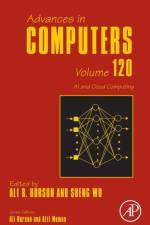
AI and Cloud Computing, Volume 120 in the Advances in Computers series, highlights new advances in the field, with this updated volume presenting interesting chapters on topics including A Deep-forest based Approach for Detecting Fraudulent Online Transaction, Design of Cyber-Physical-Social Systems with Forensic-awareness Based on Deep Learning, Review on Privacy-preserving Data Comparison Protocols in Cloud Computing, Fingerprint Liveness Detection Using an Improved CNN with the Spatial Pyramid Pooling Structure, Protecting Personal Sensitive Data Security in the Cloud with Blockchain, and more. Provides the authority and expertise of leading contributors from an international board of authors Presents the latest release in the Advances in Computers series Includes the latest information on AI and Cloud Computing
Aquananotechnology: Applications of Nanomaterials for Water Purification focuses on the impacts of, and opportunities for, the application of nanotechnology to enhance water quality and the societal concerns surrounding the widespread use of nanotechnology in the water arena. Sections cover the use of nano-sensors for the detection of water pollutants, the control of waterborne pathogens, and the use of nano-biochar coal fly composites for phytoremdtions wastewater pollutants. In addition, the book explores the uses of nanoadsorbents for heavy metals, dyes, Arsenic, pesticides, and water/wastewater remediation and decontamination of water from xenobiotics, bionanocomposites, metal oxides, silver, zinc nanoparticles, and carbon-based nanomaterials for wastewater treatment. In addition, the book covers the use of zerovalent iron nanomaterials and nanostructured mesoporous silica for water purification, along with nano-hydrogels to increase water efficiency and conservation. Finally, the socioeconomic impacts and risks of aquananotechnology in ecosystems are discussed. This book provides a detailed description of the ecological applications of nanomaterials in aquatic environments, offering a cogent analysis of both major applications and challenges. Shows how a range of nanomaterial types are being used for ecological applications in aquatic environmentsExplores the effects different types of nanomaterials have on a variety of ecosystemsAssesses the major challenges of using nanotechnology to improve water quality on a mass scale
Food Authenticity and Traceability covers the most recent trends and important topics in food authentication, with an emphasis on the components of a food traceability systems. The book discusses techniques such as omics-based technologies, chromatographic methods, mass spectrometry, hyperspectral and chemical imaging, molecular and DNA-based techniques, chemometrics and data mining algorithms, high-throughput sequencing, and non-targeted fingerprinting approaches and proteomics.Includes information on blockchain for food traceability analysisDiscusses consumer preferences and perceptions regarding food traceability drivers and food fraudPresents approaches of authentication for food of animal origin and omics-based technologies
Trends in Wheat and Bread Making provides a comprehensive look at the state-of-the-art in bread making from ingredient to shelf-life, with a focus on the impact of processing on the nutritional value and consumer acceptability of this global staple. The book also includes chapters on new breads and bakery products fortified with plant-processing-by-products and/or natural antioxidants, and explores efforts to improve biotechnological processes and fermentation for bread making. It is an excellent resource for researchers, industry professionals and enterprises hoping to produce enhanced bread products through processing-related nutritional and quality improvements.Addresses gluten free products, organic farming and production techniques, enzymatic and biotechnological techniques, fortification of breads with plant by-products, and phenol-rich substratesFills the gap in current resources, focusing on the application of new technologies for processing practicesProvides a guide to industrial and commercialized applications of innovative breadmaking
Recent Highlights in the Discovery and Optimization of Crop Protection Products highlights the most prominent, recent results in the search for safe and effective new crop protection products. With a focus on the design, synthesis, optimization and/or structure-activity relationships of new chemistries targeting insect, disease, weed, nematode, vector and animal parasite control, the book also includes recent developments in crop enhancement chemistries and new approaches to crop protection products. The inclusion of information on testing tools, green chemistry approaches, and the latest discovery tools, like modeling, structure-based design, and testing tools makes this volume complete. Based on key presentations given at the 14th International IUPAC conference on Crop Protection, May 19-24, 2019 in Ghent, Belgium, this book includes the many exciting new discoveries and findings reported. It is designed to inspire additional research and advancement in the field. Based on science presented at the 2019 International Union of Pure and Applied Chemistry Conference on Crop ProtectionProvides real-world perspectives on pesticide and disease control progressPresents scientific developments from an international array of contributing authors
High-Temperature Gas Reactors is the fifth volume in the JSME Series on Thermal and Nuclear Power Generation. Series Editor Yasuo Koizumi and his Volume editors Tetsuaki Takeda and Yoshiyuki Inagaki present the latest research on High-Temperature Gas Reactor (HTGR) development and utilization, beginning with an analysis of the history of HTGRs. A detailed analysis of HTGR design features, including reactor core design, cooling tower design, pressure vessel design, I&C factors and safety design, provides readers with a solid understanding of how to develop efficient and safe HTGR within a nuclear power plant. The authors combine their knowledge to present a guide on the safety of HTGRs throughout the entire reactor system, drawing on their unique experience to pass on lessons learned and best practices to support professionals and researchers in their design and operation of these advanced reactor types. Case studies of critical testing carried out by the authors provide the reader with firsthand information on how to conduct tests safely and effectively and an understanding of which responses are required in unexpected incidents to achieve their research objectives. An analysis of technologies and systems in development and testing stages offer the reader a look to the future of HTGRs and help to direct and inform their further research in heat transfer, fluid-dynamics, fuel options and advanced reactor facility selection. This volume is of interest for nuclear and thermal energy engineers and researchers focusing on HTGRs, HTGR plant designers and operators, regulators, post graduate students of nuclear engineering, national labs, government officials and agencies in power and energy policy and regulations. Written by the leaders and pioneers in nuclear research at the Japanese Society of Mechanical Engineers and draws upon their combined wealth of knowledge and experience Includes real examples and case studies from Japan, the US and Europe to provide a deeper learning opportunity with practical benefits Considers the societal impact and sustainability concerns and goals throughout the discussion Includes safety factors and considerations, as well as unique results from performance testing of HTGR systems.
Sea Turtle Research and Conservation: Lessons from Working in the Field is a comprehensive reference on sea turtle species as presented by global experts. The book looks at the challenges involved, such as cultural differences and how to conduct research in remote locations. Led by a renowned expert in sea turtle conservation, the book addresses the largest issues facing sea turtle species, including poaching, fishing snares, climate change, and more. Chapters in this book range from the use of cutting-edge technology to learn more about this elusive reptile, to working with communities with long histories of sea turtle trade and consumption. This book is an ideal resource for field biologists and marine conservationists, specifically those working in marine herpetology and with sea turtle species. Policymakers concerned with marine conservation, wildlife protection, and sustainable development will also find this a useful reference.Written by global experts working in the field to study and protect sea turtle speciesOffers examples of groundbreaking technology to conduct non-invasive sea turtle researchIncludes human-to-human case studies and advice for collaborating with cultures and communities to save these endangered animals
Linkers in Biomacromolecules, Volume 647 in the Methods in Enzymology series, continues the legacy of this premier serial with quality chapters authored by leaders in the field. New sections in this updated release include chapters devoted to ser-gly linkers + models, sergGly- EAAAK linkers, Effect of crowding on linker behavior, Protathether. Experimental approach to quickly test different linkers in fusion proteins, Linkers in enzyme fusions/cascade catalysis, Linker dependence of avidity in multivalent interactions between disordered proteins, ER/K ╬▒-helix linker, The effect of chirality and steric hindrance on intrinsic backbone conformational propensities: tools for protein design, Linker design in protein-based nanostructures, and much more. Linkers in Biomacromolecules, Volume 647 in the Methods in Enzymology series continues the legacy of this premier serial with quality chapters authored by leaders in the field. New sections in this updated release include chapters devoted to ser-gly linkers + models, sergGly- EAAAK linkers, Effect of crowding on linker behavior, Protathether. Experimental approach to quickly test different linkers in fusion proteins, Linkers in enzyme fusions/cascade catalysis, Linker dependence of avidity in multivalent interactions between disordered proteins, ER/K ╬▒-helix linker, The effect of chirality and steric hindrance on intrinsic backbone conformational propensities: tools for protein design, Linker design in protein-based nanostructures, and much more.Provides the authority and expertise of leading contributors from an international board of authorsPresents the latest release in the Methods in Enzymology series
Expansion Microscopy for Cell Biology, Volume 161 in the Methods in Cell Biology series, compiles recent developments in expansion microscopy techniques (Pro-ExM, U-ExM, Ex-STED, X10, Ex-dSTORM, etc.) and their applications in cell biology, ranging from mitosis, centrioles or nuclear pore complex to plant cell, bacteria, Drosophila or neurons. Chapters in this new release include Protein-retention Expansion Microscopy: Improved Sub-cellular Imaging Resolution through Physical Specimen Expansion, Ultrastructure Expansion Microscopy (U-ExM), Expansion STED microscopy (ExSTED), Simple multi-color super-resolution by X10 microscopy, Expansion microscopy imaging of various neuronal structures, Mapping the neuronal cytoskeleton using expansion microscopy, Mechanical expansion microscopy, and much more.Provides the authority and expertise of leading contributors from an international board of authorsRepresents the latest release in the Methods in Cell Biology seriesIncludes the latest information on Expansion Microscopy for Cell Biology
Policy Issues in Genetically Modified Crops: A Global Perspective contains both theoretical and empirical evidence of a broad range of aspects of GM crop policies throughout the world. Emphasizing world agriculture production and ethics of GM crops, the book balances insights into the various discussions around the use of GM crops, including soil health, effects on animals, environmental sustainability impact and ethical issues. This book will be useful for researchers in agricultural policy and economics, agricultural biotechnology, soil science, genetic engineering, ethics, environmental management, sustainable development and NGOs.Discusses ethics, varieties, research trends, and success stories of genetic modificationIncludes both crop production and human health impactsCompares and contrasts GM policies from around the world
Fundamentals of Thermal and Nuclear Power Generation is the first volume in the JSME Series on Thermal and Nuclear Power Generation. Series Editor Yasuo Koizumi and his Volume Editor Mamoru Ozawa provide a thorough and complete reference on the history of Thermal and Nuclear Power Generation which has informed and sculpted today''s industry. This volume prepares readers for subsequent publications in the series which address more advanced topics and will particularly benefit early career researchers and those approaching the industry from an alternative discipline. Modern thermal and nuclear power generation systems and technologies are then explored, including clear analysis on the fundamentals of thermodynamics, hydrodynamics, thermal engineering, combustion engineering and nuclear physics. The impact of these technologies on society is considered throughout, as well as supply issues, accident risk analysis, and important emission and sustainability considerations.Written by experts from the leaders and pioneers in nuclear research at the Japanese Society of Mechanical Engineers and draws upon their combined wealth of knowledge and experienceIncludes real examples and case studies from Japan and other key regions such as the US and Europe to provide a deeper learning opportunityConsiders societal impact and sustainability concerns and goals throughout
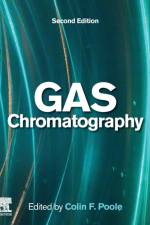
Gas Chromatography, Second Edition, offers a single source of authoritative information on all aspects relating to the practice of gas chromatography. A focus on short, topic-focused chapters facilitates the identification of information that will be of immediate interest for familiar or emerging uses of gas chromatography. The book gives those working in both academia and industry the opportunity to learn, refresh and deepen their understanding of fundamental and instrumental aspects of gas chromatography and tools for the interpretation and management of chromatographic data. Users will find a consolidated guide to the selection of separation conditions and the use of auxiliary techniques. This new edition restores the contemporary character of the book with respect to those involved in advancing the technology, analyzing the data produced, or applying the technique to new application areas. New topics covered include hyphenated spectroscopic detectors, micromachined instrument platforms, derivatization and related microchemical techniques, petrochemical applications, volatile compounds in the atmosphere, and more.Includes chapters written by recognized authoritative and visionary experts in the field, thus providing an overview and focused treatments on a single topicProvides comprehensive coverage of modern gas chromatography, from theory, to methods and selected applicationsPlaces modern developments in research literature into a general context not always apparent to inexperienced users of the techniques
Natural Bioactive Compounds: Technological Advancements deals with the latest breakthroughs in the field of screening, characterization and novel applications of natural bioactive compounds from diverse group of organisms ranging from bacteria, viruses, cyanobacteria, algae, fungi, bryophytes, higher plants, sponges, corals and fishes. Written by some of the most reputed scientists in the field, this book introduces the reader to strategies and methods in the search for bioactive natural products. It is an essential read for researchers and students interested in bioactive natural products, their biological and pharmacological properties, their possible use as chemopreventive or chemotherapeutic agents, and other future potential applications. Explores natural sources of bioactive compounds, including cyanobacteria, bacteria, viruses, fungi and higher plantsDiscusses the potential applications of biological products, such as their use in medicine (antibiotics, cancer research, immunology), as food additives, supplements and technological substancesAnalyzes the contributions of emerging or developing technologies for the study of bioactive natural compounds (characterization and purification)
Disruption in Transportation, as some experts say, is here; so is this book at this critical inflection point in the history of transportation planning, engineering, and operations. With a focus on improving safety and maximizing available systems to accommodate all modes of travel, this work brings together an array of topics and themes on transportation technologies under the banner of Connected and Automated Vehicles (CAV). The emerging technology implementing entities, industry leaders, original equipment manufacturers, standard development organizations, researchers, and others are singularly focused on a global multilogue to promote Safety, Mobility, Environment, and Economic Development (SMEEd). These discussions are technologically interdisciplinary and procedurally cross-functional, hence the need for CAV: Developing Policies, Designing Programs, and Deploying Projects. This book is aimed at the policy-maker who wants to know the high-level detail; the planner who chooses to pursue the most efficient path to implementation; the professional engineer who needs to design a sustainable system; the practitioner who considers deployable frameworks; the project manager who oversees the system deployment; the private sector consultant who develops and delivers a CAV program; and the researcher who evaluates the project benefits and documents lessons learned. This book makes a business case for implementing CAV technologies to achieve SMEEd goals; presents the possibilities and challenges to deploying emerging technologies; identifies the institutional roles and responsibilities; and develops a policy framework for mainstreaming CAV.A comprehensive perspective on emerging technologies and CAV policies, planning, and practiceA practical guide to support the development of a policy framework, business case, and justify fundingA real-world experience-driven discussion with case studies, lessons learned, and road map creationA goal-oriented and practitioner-focused detail to draft, design, and deploy emerging technologies and CAV to achieve safety and mobility outcomes
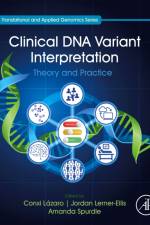
Clinical DNA Variant Interpretation: Theory and Practice, a new volume in the Translational and Applied Genomics series, covers foundational aspects, modes of analysis, technology, disease and disorder specific case studies, and clinical integration. This book provides a deep theoretical background, as well as applied case studies and methodology, enabling researchers, clinicians and healthcare providers to effectively classify DNA variants associated with disease and patient phenotypes. Practical chapters discuss genomic variant interpretation, terminology and nomenclature, international consensus guidelines, population allele frequency, functional evidence transcripts for RNA, proteins, and enzymes, somatic mutations, somatic profiling, and much more. Compiles best practices, methods and sound evidence for DNA variant classification in one applied volumeFeatures chapter contributions from international leaders in the fieldIncludes practical examples of variant classification for common and rare disorders, and across clinical phenotypes
Abonner på vårt nyhetsbrev og få rabatter og inspirasjon til din neste leseopplevelse.
Ved å abonnere godtar du vår personvernerklæring.