









Gjør som tusenvis av andre bokelskere
Abonner på vårt nyhetsbrev og få rabatter og inspirasjon til din neste leseopplevelse.
Ved å abonnere godtar du vår personvernerklæring.Du kan når som helst melde deg av våre nyhetsbrev.

Magnetic Nanoferrites and their Composites: Environmental and Biomedical Applications addresses recent developments in this important research field. The book covers the latest synthesis and fabrication techniques, properties, characterization and multifunctional biomedical and environmental applications. Chapters provide cutting-edge research while addressing the latest scenarios, recent developments, future aspects, and challenges and opportunities attributed to their excellent properties, including large surface-to-volume ratio, high chemical stability, low eddy losses, moderate values of saturation magnetization and coercivity, large adsorption, non-toxicity, bio-degradable and biocompatibility. This book will be a valuable reference resource for researchers, engineers and technologists working in this important research field. Magnetic nanoferrites and their composites are now utilized in a broad range of different application fields such as catalysis, biomedicine, magnetic resonance imaging (MRI), tissue targeting, drug delivery, sensors, environmental remediation, data storage, transformers, switching devices, high frequency and microwave devices.
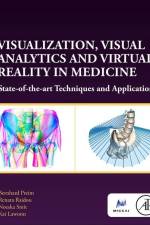
Visualization, Visual Analytics and Virtual Reality in Medicine: State-of-the-art Techniques and Applications describes important techniques and applications that show an understanding of actual user needs as well as technological possibilities. The book includes user research, for example, task and requirement analysis, visualization design and algorithmic ideas without going into the details of implementation. This reference will be suitable for researchers and students in visualization and visual analytics in medicine and healthcare, medical image analysis scientists and biomedical engineers in general. Visualization and visual analytics have become prevalent in public health and clinical medicine, medical flow visualization, multimodal medical visualization and virtual reality in medical education and rehabilitation. Relevant applications now include digital pathology, virtual anatomy and computer-assisted radiation treatment planning.
Haschek and Rousseaux's Handbook of Toxicologic Pathology, Volume Four: Toxicologic Pathology of Organ Systems is a key reference on the integration of structure and functional changes in tissues associated with the response to pharmaceuticals, chemicals and biologics. Organ systems covered include cardiac, vascular and skeletal muscle systems and the endocrine, respiratory, reproductive, digestive and nervous systems. Completely revised with a new olfactory chapter, this new release is an essential part of the most authoritative reference on toxicologic pathology for pathologists, toxicologists, research scientists and regulators studying and making decisions on drugs, biologics, medical devices, and other chemicals, including agrochemicals and environmental contaminants.
Reachable Sets of Dynamic Systems: Uncertainty, Sensitivity, and Complex Dynamics introduces differential inclusions, providing an overview as well as multiple examples of its interdisciplinary applications. The design of dynamic systems of any type is an important issue as is the influence of uncertainty in model parameters and model sensitivity. The possibility of calculating the reachable sets may be a powerful additional tool in such tasks. This book can help graduate students, researchers, and engineers working in the field of computer simulation and model building, in the calculation of reachable sets of dynamic models.
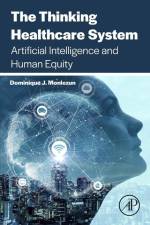
The Thinking Healthcare System: Artificial Intelligence and Human Equity is the first comprehensive book detailing the historical, global, and technical trends shaping the evolution of the modern healthcare system into its final formâ¿an AI-driven thinking healthcare system, structured and functioning as a global digital health ecosystem. Written by the worldâ¿s first triple doctorate trained physician-data scientist and ethicist, and author of three AI textbooks and over 350 scientific and ethics papers, this indispensable resource makes sense of how technology, economics, and ethics are already producing the futureâ¿s health systemâ¿and how to ensure it works for every patient, community, and culture in our globalized, digitalized, and divided world. Providing clear descriptions and concrete examples, this book brings together AI-accelerated digital health ecosystems, data architecture, cloud and edge computing, precision medicine, public health, telemedicine, patient safety, health political economics, multicultural global ethics, blockchain, and quantum health computing, among other topics. Healthcare and business executives, clinicians, researchers, government leaders, policymakers, and students in the fields of healthcare management, data science, medicine, public health, informatics, health and public policy, political economics, and bioethics will find this book to be a groundbreaking resource on how to create, nourish, and lead AI-driven health systems for the future that can think, adapt, and so care in a manner worthy of the worldâ¿s patients. Â
Amaranthus: Origins to Optimization is the first comprehensive work on this important ancient crop, tracing Amaranthus from its origin to up-to-date information. It has been cultivated for centuries in Asia and the Americas as an important food and medicinal crop. From a position of prominence in the Maya and Aztec civilizations, to relegation in the Middle Ages, and resurgence in modern times, this crop has seen great transformation in usage across continents. Amaranthus is nutritionally important due to the high protein content in the seeds and the abundance of essential amino acids, vitamins, carbohydrates, minerals and natural antioxidants.The highly proteinaceous grain and leaf of Amaranthus can help to make diets more balanced in many parts of the world and can play an important role in combating 'silent hunger' among several populations who have little access to protein-rich diet. The seed, flour, leaf and oil of the plant are in great demand by pharmaceutical, cosmetic, and food and beverage industries.
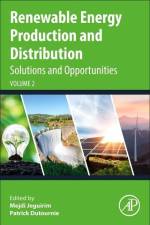
Renewable Energy Production and Distribution: Solutions and Opportunities, Volume Four, the latest release in the Advances in Renewable Energy Technologies series, looks at the production performance of renewable energy sources and emerging production processes. Containing all major renewable energy technologies in individual chapters, this reference includes some of the most dynamic developments, good practices and future concepts in solar energy systems, energy storage, geothermal energy, bioenergy and hydrogen production. By reviewing these advances, considering them in real world applications and analyzing key challenges, this book provides readers with an up-to-date resource on renewable energy grid integration and its importance. This newest volume will be of interest to sustainability, energy and engineering graduates, researchers, professors as well as industry professionals involved in the renewable energy sector.
The Coal Handbook: Towards Cleaner Production, Coal Utilisation, Volume Two, Second Edition provides authoritative insights on a variety of case studies to help the reader identify the most appropriate technologies to take coal, and its associated by-products, into a cleaner environment, one with integrated energy systems. Editor Dave Osborne and his team of expert contributors combine their expertise to highlight the future direction of coal utilization towards more efficient and clean use of coal. Key emerging topics such as the cleanest ways to deal with coal waste and emission reduction are covered alongside a selection of case studies from various countries.This edition includes two brand new chapters on technology variants and systems, including hybrid systems and advanced CO2 abatement strategies. With its distinguished editor and international team of expert contributors, this book is a comprehensive and invaluable resource for professionals in the coal mining, preparation and utilization industry.
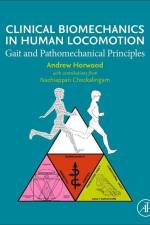
Clinical Biomechanics in Human Locomotion: Gait and Pathomechanical Principles explores the clinical management of gait-disturbing or gait-induced pathologies and biomechanical variances during gait between individuals. The book discusses what is required to make terrestrial human locomotion safe and what causes pathology within a context of high locomotive and morphological variability. The interaction of genetics, epigenetics, developmental biology and physiology under the influence of locomotive biomechanics and metabolic energetics drives evolution. Such biological pressures on survival are essential in understanding the locomotive biomechanics of modern humans. In addition, lifestyle, including gait speed adaptability established during the growth influences of anatomical development is also considered.
Preceded by: Laboratory animal anaesthesia / Paul Flecknell. Fourth edition. 2016.
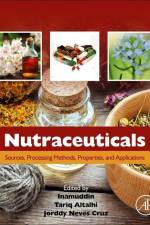
Nutraceuticals: Sources, Processing Methods, Properties, and Applications explores the impact of nutraceutical compounds on human health and their main pharmacological contributions. Organized into three parts, this book addresses nutraceutical production, applications for disease prevention and treatment, and current trends, especially the role of nutraceuticals in cosmeceutical. Nutraceuticals are a class of products that can help people improve their health, reduce the risk of disease, extend their lives, and control the structure and functioning of their bodies. However, due to multiple hurdles that prevent nutraceuticals from circulating in an active form in the body, their use is associated with diminished therapeutic efficacy. Recognizing this problem, the book explores the root of the nutraceutical delivery system and its codelivery methods with a focus on medicines. With contributions from experienced nutraceutical experts, this book serves as a valuable reference for nutrition researchers, food scientists, pharmacologists, and those who are researching and studying in related areas.
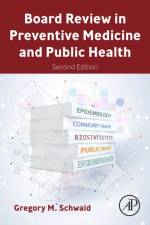
Board Review in Preventive Medicine and Public Health, Second Edition provides an ideal resource for physicians preparing to take the board exams in both preventive medicine and occupational medicine or for those preparing to take the examination to become certified in Public Health. In this new edition, topics have been added to fill any potential gaps in important key concepts. Topics include clinical preventive medicine, health administration, epidemiology, biostatistics, occupational medicine, correctional medicine, aerospace medicine, and much more. This second edition uses the board exam outline supplied by the American Board of Preventive Medicine to help test-takers understand exam topics and components. The primary audience for the book is physicians preparing to take board exams in preventive medicine or occupational medicine. This includes resident physicians taking the exam for the first time, as well as those that are preparing to take the recertifying exam. Similar to physicians, this book can be used by nurse practitioners preparing for their occupational medicine certification exams.
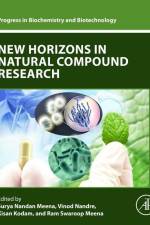
New Horizons in Natural Compound Research provides the latest updates in natural compound research (plant, microbes, algae, fungi) and their novel applications in health, agriculture and environment. The book gives recent advances in the extraction of natural compounds, cutting-edge approaches for natural compound purifications, and emerging trends in natural compound screening and identification. In addition, it provides a detailed explanation of the databases and libraries of natural compounds, as well as their significance. Sections focus on research and multidisciplinary practical techniques of natural product research, encouraging young scientists to pursue unique research while also generating strong research ideas. From a future perspective, this book acts as a guide to identify potential areas and new research opportunities in the field of natural products and their service towards human beings, animals and the environment.
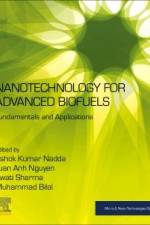
Nanotechnology for Advanced Biofuels: Fundamentals and Applications highlights emerging techniques for the formulation of fuels using nanotechnology and bio-based concepts. The addition of high-energy nanoparticles and biologically derived molecules in liquid fuel can increase the potential of energy-rich compounds. Key challenges in the production of nanotechnology-based fuels and their combustion or ignition during the operation are covered, along with the emission of oxidized particles and by-products of incomplete combustion and nano-fuels as an emerging field. The bio-based energy-rich fuels are largely diffused in conventionally used fuels. The addition of biofuels and nano-additives to pre-existing fuels can offer opportunities for developing modified fuels in domestic industries with the maximum usage of renewable biomass. This is an important reference source for materials scientists, energy scientists and chemical engineers who want to understand more about how nanotechnology can help create more efficient biofuels.
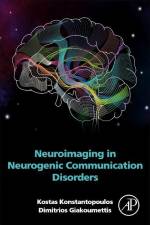
Neuroimaging in Neurogenic Communication Disorders provides a comprehensive review of cases utilizing neuroimaging in neurogenic communication disorders. Basic knowledge of neuroanatomy and medical conditions related to these speech and language disorders are discussed. Each case study includes information on neuroanatomy, case presentation, neuroimaging, differential diagnosis, and final diagnosis. This book is written for medical students, practitioners and researchers in neuroscience and speech language pathology. Neurogenic communication disorders are caused by damage to the central or peripheral nervous system. This damage can be caused by Parkinson's disease, stroke, dementia, traumatic brain injury, brain tumors, and other neurologic disorders and causes issues such as aphasia, dysarthria and apraxia.
Abonner på vårt nyhetsbrev og få rabatter og inspirasjon til din neste leseopplevelse.
Ved å abonnere godtar du vår personvernerklæring.