







Gjør som tusenvis av andre bokelskere
Abonner på vårt nyhetsbrev og få rabatter og inspirasjon til din neste leseopplevelse.
Ved å abonnere godtar du vår personvernerklæring.Du kan når som helst melde deg av våre nyhetsbrev.

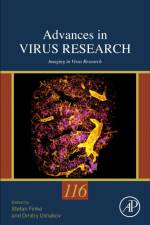
Imaging in Virus Research, Volume 116 in the Advances in Virus Research series highlights new advances in the field, with this new volume presenting interesting chapters written by an international board of authors. Topics of interest in this release include Recent developments of advanced fluorescence microscopy methods for biological applications, Fluorescence microscopy to image virus entry: Probing different angles, RSV and cytoplasmic inclusion bodies, Advanced Imaging of HIV-1 fusion and virus-host lipid interactions, Spatiotemporal orchestration of virus morphogenesis, Imaging applied to study interactions between poxviruses and their host cells, Viral capsid structures, Tissue Clearing and 3D-Imaging of Virus Infections, and much more.
Non-Conventional Starch Sources: Properties, Functionality, and Applications presents the use of non-conventional, unutilized, and underutilized sources to isolate, characterize and functionalize starches. Specific attention is paid to the sources' application in foods as well as their incorporation into packaging through films and coatings. Broken into seven sections, this book addresses sources from fruit seeds, cereals and millets, pseudo-cereals, seeds, roots and tubers, rhizome and legumes. Food scientists, technologists and students and researchers studying related fields will benefit from this important reference.
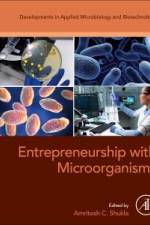
Entrepreneurship with Microorganisms explains both the basic science and applications of microbiology and bio-resource technology, shining a special emphasis on its entrepreneurial applications. By focusing on basic principles, current research, and global trends, this comprehensive book provides a critical resource and serves as a complete one-stop source for undergraduate and graduates in microbiology, food, agricultural science, medical science, and industrial microbiology biotechnology. In addition, this book will be helpful in the creation of economic (commercial) value of the microorganism(s) based products and technologies as well as opportunities for new jobs at the global level.
Inoculating Cities: Case Studies of the Urban Response of the COVID-19 Pandemic uses detailed case studies to document and describe how cities located in high, middle and low-income countries responded to the COVID-19 pandemic. City governments and municipal authorities exist and operate in extremely varied contexts (i.e., socioeconomic, demographic, legal and governance, etc.) and intentionally documenting the experiences in these different contexts provides guidance to decision-makers for future preparedness and response activities. This volume highlights the innovative solutions throughout the pandemic as described by the people who designed and implemented pandemic response efforts in their cities. In addition, it identifies successful models that can be adopted in the future by city leaders around the world.
Vegetable Oil Based Polymers and Their Surface Applications presents detailed coverage of principles, preparation methods and novel surface uses of vegetable oil based polymers. This comprehensive, state-of-the-art book follows the journey of vegetable oils from seeds to surfaces in a range of advanced applications. Opening chapters discuss theory, principles and characterization techniques while other sections present concepts on the preparation of different polymer types based on vegetable oil. The final section of the book provides extensive coverage of applications, enabling the preparation of vegetable oil based polymers for a range of products and industries. This is a valuable resource for researchers, scientists, and advanced students in polymer chemistry, surfaces and coatings, natural polymers, materials chemistry, chemical engineering and plastics engineering. In an industrial setting, this book supports R&D professionals, scientists, and engineers interested in developing innovative biobased materials for a range of applications, including automotive and aerospace, packaging, cosmetics, pharmaceuticals, biomedicine and consumer goods.
The Immunological Synapse - Part B, Volume 178 in the Methods in Cell Biology series provides state-of-the-art methods for the study of the immunological synapse. This first volume covers various aspects on T cell and natural killer (NK) cell synapses, including imaging polarized granule release using TIRF microscopy, analysis of actin reorganization and centrosome polarization, redirected degranulation, live cell-imaging to quantify cytotoxic and chemotactic dynamics, quantification of interactions between APCs and T cells, assessment of membrane lipid state at the immunological synapse, proteomic analysis and imaging of NK-tumor cell interaction, evaluating natural killer cell effector functions against breast cancer cells derived from human tumor tissue, evaluation of chimeric antigen receptor (CAR)-modified cell immunological synapse quality using the glass-supported planar lipid bilayer, and monitoring potency of therapeutic CAR T cells. It also includes one chapter on quantification of lymphocytic choriomeningitis virus specific T cells and LCMV viral titers, and one chapter on the murine antibody-dependent cellular phagocytosis assay.
Senescence and Mitochondria Targeted Senotherapeutics, Volume 136 offers updates on this unique topics, with chapters covering Cellular Senescence in Aging: Molecular Basis, Implications and Therapeutic Interventions, Mitochondria-associated Cellular Senescence Mechanisms: Biochemical and Pharmacological Perspectives, Mitochondria in cell senescence: Friend or Foe?, The role of mitochondria and mitophagy in cell senescence, Small molecules targeting mitochondrial dysfunction for potential senotheraputics, Senolytic and senomorphic interventions to defy senescence-associated mitochondrial dysfunction, Mitochondrial targeting peptides and probes, Mitochondria-derived peptides in healthy ageing and therapy of age-related diseases, and much more. Other sections cover Targeting of mitostasis-proteostasis axis by antioxidant polysaccharides in neurodegeneration, Phytotherapeutic targeting of the mitochondria in neurodegenerative disorders, Melatonin as mitochondria-targeted drugs, Coenzyme Q-related compounds to maintain healthy mitochondria during aging, Changing ROS, NAD and AMP: a path to longevity via mitochondrial therapeutics, and more.
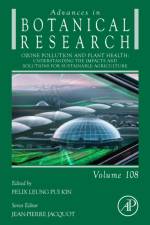
Advances in Botanical Research Volume 108: Ozone Pollution and Plant Health: Understanding the Impacts and Solutions for Sustainable Agriculture provides a comprehensive overview of the harmful effects of tropospheric ozone (O3) pollution on crop productivity, with a focus on how it is measured and modeled under climate change scenarios. The book discusses the sources of O3 pollution, including anthropogenic precursor gases, and how O3 exposure can impair photosynthesis, reduce gas exchange, induce early leaf senescence, and hamper growth in natural vegetation and crops. The book highlights how O3 interacts with plant physiology and metabolism, including through the activation of signal transduction pathways, changes in phytohormone signaling, and modulation of reactive oxygen species (ROS) generation and signaling. The book also explores the experimental and modeling methods used to assess the effects of O3 on crops, with a focus on studies conducted in Asia. The book emphasizes the importance of understanding the implications of ozone pollution for ensuring food security and protecting human and environmental health and suggests strategies such as using ozone-resistant cultivars of plants and crops. Additionally, the book discusses the broader context of air pollution and its impact on crop productivity, including the effects of other air pollutants on plants and crops and the need for mitigation strategies and policies to address agricultural losses. This book is essential reading for early-career researchers, sustainable agriculture practitioners, and policymakers interested in understanding the complex interactions between ozone pollution and plant productivity and finding solutions to mitigate the detrimental effects of ozone pollution on crops in a changing climate.
Partial Differential Equations and Applications: A Bridge for Students and Researchers in Applied Sciences offers a unique approach to this key subject by connecting mathematical principles to the latest research advances in select topics. Beginning with very elementary PDEs, such as classical heat equations, wave equations and Laplace equations, the book focuses on concrete examples. It gives students basic skills and techniques to find explicit solutions for partial differential equations. As it progresses, the book covers more advanced topics such as the maximum principle and applications, Green's representation, Schauder's theory, finite-time blowup, and shock waves. By exploring these topics, students gain the necessary tools to deal with research topics in their own fields, whether proceeding in math or engineering areas.
Up and Running with AutoCADª 2024 presents a combination of step-by-step instructions, examples and insightful explanations. The book emphasizes core concepts and practical application of AutoCAD in engineering, architecture and design. Written with the user in mind, this book is equally useful in instructor-led classroom training, self-study or as a professional reference.
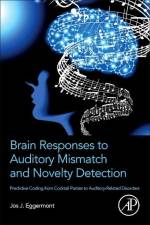
Brain Responses to Auditory Mismatch and Novelty Detection: Predictive Coding from Cocktail Parties to Auditory-Related Disorders provides the connections between changes in the 'error-generating network' and disorder-specific changes while also exploring its diagnostic properties. The book allows the reader to appreciate the outcomes of predictive coding theory in fields of auditory streaming (including the cocktail-party effect) and psychiatric disorders with an auditory component. These include mild cognitive impairment (MCI), Alzheimer's disease, attention-deficit and hyperactivity disorder (ADHD), autism spectrum disorder (ASD), schizophrenia and the cognitive aspects of Parkinson's disease. The book combines animal experiments on adaptation, human auditory evoked potentials, including MMN and their maturational, as well as aging aspects into one comprehensive resource.
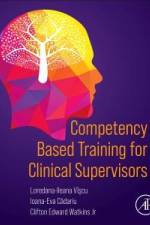
Competency Based Training for Clinical Supervisors builds upon the current competencies schema to design a framework for training programs. The book's authors begin with a practical program curriculum, addressing the challenges of treatment and workplace satisfaction. The next sections are divided based on transversal competencies, including intellectual order, methodological order, personal and social order, and communication order. The last section of the book is dedicated to ethics in both training programs and models for psychotherapy and clinical supervision.
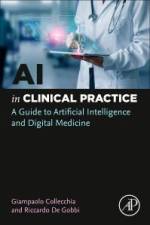
AI in Clinical Practice: A Guide to Artificial Intelligence and Digital Medicine explains how artificial intelligence is applied to medicine, illustrating not only its enormous potential but also ancillary issues and the limits and risks inherent in its use on a large scale. The book focuses on the intersection between medicine and AI and its implications on the impact of human health care delivery. Topics discussed include wearable devices, health data, Internet of Things, virtual reality, robotic assistance system, and digital intelligence in the health sector. Additionally, sections discuss diagnostics and decision-making systems and machine/deep learning in clinical setting. This is a valuable resource for clinicians, researchers, students and members of the biomedical and medical fields who want to learn more about the use of AI to improve patient care.
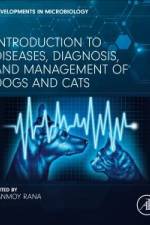
Introduction to Diseases, Diagnosis, and Management of Dogs and Cats offers an informative and practical resource for an in-depth understanding of the full range of clinical and infectious diseases that occur in dogs and cats. It provides systematic coverage on the pathogenesis of disease, disease manifestation, diagnosis, treatment, therapeutic management, and prevention. Organized into three main sections, the book begins with an overall introduction and general discussion on the diagnosis and management of clinical and infectious diseases. This section examines the biological systems of dogs and cats, covers clinical examinations and diagnosis methods, specimen collection, nutritional strategies, and health maintenance. Section 2 goes on to discuss a range of clinical diseases that can affect the health of dogs and cats which includes diseases that impact major systems in the body like the cardiovascular, respiratory, gastrointestinal, reproductive, endocrine, nervous, and urinary systems to name a few. It also delves into autoimmune conditions, behavioral orders, and common toxicological phenomenon that occur in dogs and cats and offers strategies for pain management and therapeutic drug intervention. Section 3 rounds out the book with coverage of bacterial, fungal, viral, and parasitic infectious diseases. It explains the pathogenesis of disease, evaluation of the disease, identification of the pathogens and their severity to animals, disease manifestation in the animal, and preventive and treatment strategies to counteract the etiopathogenesis caused by several types of pathogens. With contributions from experts in the field, Introduction to Diseases, Diagnosis, and Management of Dogs and Cats features the latest advanced veterinary research for researchers, clinicians, and students engaged in researching and treating diseases in dogs and cats.
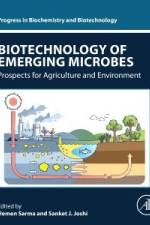
Biotechnology of Emerging Microbes: Prospects for Agriculture and Environment provides the latest developments of leading biotechnologists and bioengineers. The book covers various aspects of microbes mediated rhizosphere, biosphere, environmental, and ecosystem biotechnology, and focuses on the restoration and management of the rhizosphere, the biosphere, and the ecosystem with microbes for a sustainable future. It is designed to address various technical and application details of microorganisms and their products in biotechnology and bioengineering approaches. Users will find up-to-date knowledge that is beneficial to beginners, researchers, students, scientists, engineers, and industry stakeholders who can support the management of ecosystems through the use of microbes. Planet Earth is undergoing an accelerated process of change associated with a wide range of anthropogenic phenomena. The future of these changes is uncertain, but there is general agreement that this negative development might be detrimental to our own survival. Although different environmental engineering strategies have been developed, none of them seem to address carbon dioxide accumulation, biosphere, and ecosystem safety. The rapidly increasing potential for the development of living systems through the biotechnology and bioengineering of microbes is a sustainable alternative to address safety issues.
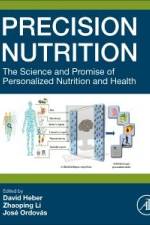
Precision Nutrition: The Science and Promise of Personalized Nutrition and Health organizes and integrates information on the diverse special areas of scientific expertise involved in Precision Nutrition in order to inform health professionals and inspire researchers to advance this field while applying the general principles into health care and medical research now. Broken into three sections, this book addresses the fundamentals of precision nutrition, applications of precision nutrition in health and disease, and the future directions of precision nutrition. Nutrition scientists, geneticists, physicians, dietitians, postdoctoral fellows, and epidemiologists seeking to understand Precision Nutrition will benefit from this timely reference. .
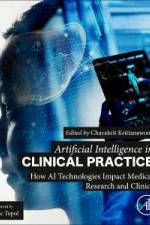
Artificial Intelligence in Clinical Practice: How AI Technologies Impact Medical Research and Clinics compiles current research on Artificial Intelligence within medical subspecialties, helping practitioners with diagnosis, clinical decision-making, disease prediction, prevention, and the facilitation of precision medicine. The book defines the basic concepts of big data and AI in medicine and highlights current applications, challenges, ethical issues, and biases. Each chapter discusses AI applied to a specific medical subspecialty, including primary care, preventive medicine, general internal medicine, radiology, pathology, infectious disease, gastroenterology, cardiology, hematology, oncology, dermatology, ophthalmology, mental health, neurology, pulmonary, critical care, rheumatology, surgery, and OB-GYN. This is a valuable resource for clinicians, students, researchers and members of medical and biomedical fields who are interested in learning more about artificial intelligence technologies and their applications in medicine.
Hydrological Drought: Processes and Estimation Methods for Streamflow and Groundwater, Second Edition provides a comprehensive review of processes and estimation methods for streamflow and groundwater drought. It includes a qualitative conceptual understanding of drought features and processes, a detailed presentation of estimation methods and tools, practical examples and impacts relevant for operational practice.The drought phenomenon and its diversity across the world are illustrated using a global set of daily streamflow series, whereas regional and local aspects of drought are studied using a combination of hydrological time series and catchment information. Hydrological Drought: Processes and Estimation Methods for Streamflow and Groundwater, Second Edition concludes with human impacts, including climate change impacts on drought, drought forecasting and early warning and examples of procedures on how to manage water during drought. The majority of the examples are taken from regions where the rivers run most of the year, but not exclusively. The material presented ranges from well-established knowledge and analysing methods to recent developments in drought research. Its nature varies accordingly, from a more traditional textbook and clear overview to that of a research paper, which introduces recent approaches and methodologies for drought analysis.
Abonner på vårt nyhetsbrev og få rabatter og inspirasjon til din neste leseopplevelse.
Ved å abonnere godtar du vår personvernerklæring.