

























Gjør som tusenvis av andre bokelskere
Abonner på vårt nyhetsbrev og få rabatter og inspirasjon til din neste leseopplevelse.
Ved å abonnere godtar du vår personvernerklæring.Du kan når som helst melde deg av våre nyhetsbrev.

Bioactive Food as Dietary Interventions for Diabetes, Second Edition is a valuable scientific resource that explores the latest advances in bioactive food research and the potential benefits of bioactive food choice on diabetic conditions. Written by experts from around the world, it presents important information that can help improve the health of those at risk for diabetes and diabetes related conditions using food selection as its foundation. This important resource for those involved in the dietary and nutritional care of diabetic patients is also ideal for researchers seeking information on alternative bioactive food-based solutions.Serves as a starting point for in-depth discussions in academic settings that can lead to revised and updated treatment options for diabetesOffers detailed, well-documented reviews outlining the ability of bioactive foods to improve and treat diabetes and obesityIncludes updated research on the global epidemic of diabetesPresents global perspectives and coverage of regional foods
The Impact of Nutrition and Statins on Cardiovascular Diseases presents a summary of the background information and published research on the role of food in inhibiting the development of cardiovascular diseases. Written from a food science, food chemistry, and food biochemistry perspective, the book provides insights on the origin of cardiovascular diseases, an analysis of statin therapy, their side effects, and the role of dietary intervention as an alternative solution to preventing cardiovascular diseases. It focuses on the efficacy of nutrition and statins to address inflammation and inhibit the onset of disease, while also providing nutrition information and suggested dietary interventions.Includes a bioscience approach that focuses on inflammation and revisits the lipid hypothesisPresents the view that nutritional interventions have considerable value, not only for reducing cardiovascular risk for CVDs patients, but also acting as the best precaution for otherwise healthy peopleAdvocates that nutritional habits that are formed at a young age are the best way to tackle the global epidemic that is CVDs
Advanced Nanomaterials for Solar Cells and Light Emitting Diodes discusses the importance of nanomaterials as the active layers in solar cells and light emitting diodes (LEDs), along with the progress of nanomaterials as the electron and hole transporting layers. Specifically, the book reviews the use of nano-morphology of polymers, small molecules, and the organic-inorganic perovskites as the active layers in solar cells and LEDs. The design, fabrication and properties of metal-oxide-based nano-structures as electron and hole transporting layers are also reviewed. In addition, the development of plasmonic nanomaterials for solar cells and LEDs is discussed. Each topic in this book includes an overview of the materials system from principles to process. The advantages, disadvantages and related methodologies are highlighted. The book includes applications based on materials and emphasize how to improve the performance of solar cells and LEDs by the materials design, with a focus on nanomaterials.Provides latest research on nanostructured materials including small molecules, polymers, organic-inorganic perovskites, and many other relevant materials systems for solar cells and LEDs Addresses each promising materials system from principles to process, detailing the advantages and disadvantages of the most relevant methods of processing and fabricationLooks ahead to most likely techniques to improve performance of solar cells and light emitting diodes
Current Trends and Future Developments on (Bio-) Membranes: Membrane Processes in the Pharmaceutical and Biotechnological field presents the main membrane techniques along with their basic principles, mode of operations, and applications. It covers well-known techniques such as ultrafiltration and membrane chromatography, while also exploring emerging membrane technologies which are finding their way in pharmaceutical and biotechnology industries, including membrane emulsification, membrane bioreactors, and solvent-resistant nanofiltration. State-of-the-art applications of membrane systems in areas such as drug delivery and virus removal are also investigated by leading experts in the field. Current Trends and Future Developments on (Bio-) Membranes: Membrane Processes in the Pharmaceutical and Biotechnological field is a definitive reference for academics, post-graduates, and researchers in the subjects of biochemical engineering, pharmaceutics, and biotechnology. It is also useful to R&D companies and institutions in these areas, specifically those interested in bioseparations, biopurification, bioproduction, and drug delivery.Offers an overview of classical membrane-based separation techniques such as ultrafiltration, microfiltration and virus filtrationDiscusses emerging membrane-based separation techniques such as nofiltration in the presence of solvent, membrane emulsification and membrane crystallizationOutlines their applications to bioseparation, biopurification and bioproductionIncludes examples in the production of vaccines, antibiotics, biomolecules, drugs, DNA and cellsLists membranes systems for drug delivery like liposomes, nanocapsules and bilayer membranes
Advances in Agronomy, Volume 153, the latest release in this comprehensive series, continues its recognition as a leading, first-rate source for the latest research in agronomy. Each volume contains an eclectic group of reviews by leading scientists throughout the world. As always, the subjects covered are rich, varied, and exemplary of the abundant subject matter addressed by this long-running serial. Chapters in this updated volume include Novel Practice and Smart Technologies to Maximize the Nitrogen Fertilizer Value of Manure for Crop Production in Cold Humid Temperate Regions, Nitrogen Fertilization Management of Switchgrass, Miscanthus and Giant Reed: A Review, and much more. Includes numerous, timely, state-of-the-art reviews on the latest advancements in agronomyFeatures distinguished, well recognized authors from around the worldBuilds upon the venerable and iconic Advances in Agronomy seriesCovers the extensive variety and breadth of subject matter in the crop and soil sciences
Advances in Clinical Chemistry, Volume 88, the latest installment in this internationally acclaimed series, contains chapters authored by world-renowned clinical laboratory scientists, physicians and research scientists. The serial discusses the latest and most up-to-date technologies related to the field of clinical chemistry, and is the benchmark for novel analytical approaches in the clinical laboratory.Provides the most up-to-date technologies in clinical chemistry and clinical laboratory scienceAuthored by world renowned clinical laboratory scientists, physicians and research scientistsPresents the international benchmark for novel analytical approaches in the clinical laboratory
Biological NMR, Part B, the latest release in the Methods of Enzymology series, highlights new advances in the field, with this new volume presenting interesting chapters on a variety of topics, including Protein methyl labeling, Membrane protein expression - yeast, Protein aromatic labeling, His-tag/Metal contamination, Bicelles, nanodiscs & micelles MP host, PTM - phosphorylation, PTM - lipidation, Screening platform for receptor-ligand discovery, Solution Spectroscopy, Large protein strategies, NUS data collection/analysis, F19 incl. hydration, ODNP - hydration, Reverse micelle - Hydration, Solid State Spectroscopy, SS NMR membrane proteins, SS NMR soluble/aggregate proteins, SS DNP - general, SS NMR nucleic acids, and much more. Authoritative contributorsProtocols for state-of-the-art advancesTimeliness
Quantum Systems in Physics, Chemistry and Biology, Theory, Interpretation, and Results, Volume 78, the latest release in the Advances in Quantum Chemistry series presents surveys of current topics in this rapidly developing field that has emerged at the cross section of the historically established areas of mathematics, physics, chemistry and biology. It features detailed reviews written by leading international researchers.Presents surveys of current topics in this rapidly-developing field that has emerged at the cross section of the historically established areas of mathematics, physics, chemistry and biologyFeatures detailed reviews written by leading international researchers
Biology of T Cells - Part B, Volume 342, the latest release in the International Review of Cell and Molecular Biology series, offers an overview of the major molecular and cellular aspects of T-cell biology and their links to human pathophysiology. Chapters in this release include Metabolism of T lymphocytes in health and disease, T lymphocytes and autoimmunity, Cancer immunosurveillance by T cells, T lymphocytes as targets in viral disorders, Molecular mechanisms underlying pharmacological immunosuppression, T lymphocyte-based immunotherapeutics, In silico methods to analyze T cell biology, and Engineering Platforms for T Cell Modulation. Contains individual chapters that focus on one specific facet of the development, phenotype, function, study or pathophysiological relevance of T lymphocytesPresents the latest release in the International Review of Cell and Molecular Biology series
Advances in Computers, Volume 112, the latest volume in a series published since 1960, presents detailed coverage of innovations in computer hardware, software, theory, design and applications. Chapters in this updated volume include Mobile Application Quality Assurance, Advances in Combinatorial Testing, Advances in Applications of Object Constraint Language for Software Engineering, Advances in Techniques for Test Prioritization, Data Warehouse Testing, Mutation Testing Advances: An Analysis and Survey, Event-Based Concurrency: Applications, Abstractions, and Analyses, and A Taxonomy of Software Integrity Protection Techniques.Provides in-depth surveys and tutorials on new computer technologyCovers well-known authors and researchers in the fieldPresents extensive bibliographies with most chaptersIncludes volumes that are devoted to single themes or subfields of computer science
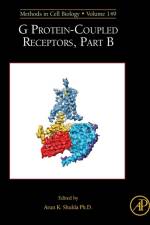
G-Protein-Coupled Receptors, Part B, 2nd Edition, Volume 149, the latest release in the Methods in Cell Biology series, continues the legacy of this premier serial with quality chapters authored by leaders in the field. This volume covers Optical Approaches for Visualization of Arrestin Binding to Muscarinic Receptors, Luciferase Reporter Assay for Unlocking Ligand-mediated Signaling of GPCRs, Assays to Measure GPCR Dependent Cellular Migration, Characterization of the Frizzled GPCRs, Binding Assays for Bradykinin and Angiotensin Receptors, Detection of Misfolded Rhodopsin Aggregates in Cells, Measuring GPCR Ubiquitination and Trafficking, Culture of Primary Neurons and its Use in Studying GPCR Trafficking, and much more. Covers the increasingly appreciated cell biology field of G-protein-coupled receptorsIncludes both established and new technologiesContributed by experts in the field
Navigating the Maze: How Science and Technology Policies Shape America and the World offers a captivating deep dive into the inner workings of the world of public policy. Written by prominent science advocate and renowned physics researcher and educator, Michael S. Lubell, this valuable book provides insights and real-world examples for anyone looking to understand how policy works in reality: for students, scientists, and the public. Well-organized and featuring a compelling historical narrative, this unique resource will enable researchers, educators, elected officials, industrialists, financial managers, science lobbyists, and readers in general to easily navigate the complex world of science and technology (S&T) policy. As science communication and STEM policy occupy rapidly growing areas of interest and provide important career paths, this book provides invaluable insights into the public policy arena, as well as lessons for effective science advocacy. Presents compelling narratives about Climate Change, the Internet, the Human Genome, the BRAIN Initiative, the Manhattan Project, the Science Stimulus, the origin of the National Institutes of Health and the National Science Foundation, and more.Provides insights into the future of S&T through a 225-year American policy retrospective, highlighting impacts on health and medicine, STEM education, economic growth, energy, defense, innovation, and industrial competitiveness.Illuminates the role of S&T on the global stage, from diplomatic engagement to military intervention and from scientific collaboration to technological competition.
Nanotechnology and Enzyme Technology Combined to Address Environmental Problems discusses how nanotechnology and enzyme technology work independently and together to help researchers and environmental professionals learn about this revolutionary and cross-disciplinary field. Nanotechnology has provided a range of nanomaterials, some of which are helpful in the protection of the environment and climate. They can be used to improve durability against mechanical stress, help in cleaning, enhance energy efficiency as insulation, save energy consumption during transportation due to catalytic properties, and more. This book highlights this technology as it continues to provide solutions for various environmental problems. Covers air and water pollution remediation in the developing field of combining nanotechnology with enzyme technologyReviews the sustainability potentials of combining nanotechnology and enzyme technology, including energy productionApplies current research and utilization to a variety of environmental issues, including pollution and energy production
Indus River Basin: Water Security and Sustainability provides a comprehensive treatment of water-related issues within the Indus River basin. Each chapter is written by an expert in the field, hence this book serves as a single, holistic source covering the whole region, not just a single country. Many of the challenges faced by this region are trans-boundary issues, especially within the context of climate change and water scarcity. Topics covered include extreme engineering and water resource management (one of the largest irrigation systems in dry to semi-desert conditions), social sciences (population dynamics linked to water resources) and political sciences. As such, this book is relevant and important to all researchers interested in these issues.Includes detailed chapters provided by specialists in each different field as compiled by well experienced editorsPresents work from related fields across the Indus basin and makes them easily accessible on one single placeShows the Indus River as a type case and shares issues relevant to other locations across the world
Sustainable Food and Agriculture: An Integrated Approach is the first book to look at the imminent threats to sustainable food security through a cross-sectoral lens. As the world faces food supply challenges posed by the declining growth rate of agricultural productivity, accelerated deterioration of quantity and quality of natural resources that underpin agricultural production, climate change, and hunger, poverty and malnutrition, a multi-faced understanding is key to identifying practical solutions. This book gives stakeholders a common vision, concept and methods that are based on proven and widely agreed strategies for continuous improvement in sustainability at different scales. While information on policies and technologies that would enhance productivity and sustainability of individual agricultural sectors is available to some extent, literature is practically devoid of information and experiences for countries and communities considering a comprehensive approach (cross-sectoral policies, strategies and technologies) to SFA. This book is the first effort to fill this gap, providing information on proven options for enhancing productivity, profitability, equity and environmental sustainability of individual sectors and, in addition, how to identify opportunities and actions for exploiting cross-sectoral synergies.Provides proven options of integrated technologies and policies, helping new programs identify appropriate existing programsPresents mechanisms/tools for balancing trade-offs and proposes indicators to facilitate decision-making and progress measurementPositions a comprehensive and informed review of issues in one place for effective education, comparison and evaluation
Handbook of Terror Management Theory provides an overview of Terror Management Theory (TMT), including critical research derived from the theory, recent research that has expanded and refined the theory, and the many ways the theory has been utilized to understand domains of human social life. The book uses TMT as a lens to help understand human relationships to nature, cultural worldviews, the self, time, the body, attachment, group identification, religion and faith, creativity, personal growth, and the brain.  The first section reviews theoretical and methodological issues, the second focuses on basic research showing how TMT enhances our understanding of a wide range of phenomena, and the third section, Applications, uses TMT to solve a variety of real world problems across different disciplines and contexts, including health behavior, aging, psychopathology, terrorism, consumerism, the legal system, art and media, risk-taking, and communication theory.   Examines the three critical hypotheses behind Terror Management Theory (TMT)Distinguishes proximal and distal responses to death-thoughtsProvides a practical toolbox for conducting TMT researchCovers the Terror Management Health ModelDiscusses the neuroscience of fear and anxietyIdentifies how fear motivates consumer behaviorRelates fear of death to psychopathologies
Encouraging Pro-Environmental Behavior: What Works, What Doesn''t, and Why examines the main drivers of human behavior related to environmental sustainability and how we can encourage environmental behavior change in humans. The book explores the underlying barriers and enablers of environmental behavior and outlines key theoretical advances from psychology to improve understanding. It then uses theory-based research in the development of behavior change interventions to critically evaluate empirical evidence on the effectiveness of those interventions. This book will help inform and improve the success of behavior change initiatives to mitigate climate change. Explores what influences behavior: who conserves and whyIncludes both theory and practiceFocuses on water and energy use, food choice and travel behaviorIdentifies impacts of incentives and interventions
Plant Development and Evolution, the latest release in the Current Topics in Developmental Biology series, highlights new advances in the field, with this new volume presenting interesting chapters on the Evolution of the plant body plan, Lateral root development and its role in evolutionary adaptation, the Development of the vascular system, the Development of the shoot apical meristem and phyllotaxis, the Evolution of leaf diversity, the Evolution of regulatory networks in land plants, The role of programed cell death in plant development, the Development and evolution of inflorescence architecture, the Molecular regulation of flower development, the Pre-meiotic another development, and much more. Provides the authority and expertise of leading contributors from an international board of authorsPresents the latest release in the Current Topics in Developmental Biology seriesUpdated release includes the latest information on Plant Development and Evolution
Handbook of Psychological Assessment, Fourth Edition, provides scholarly overviews of the major areas of psychological assessment, including test development, psychometrics, testing technology and commonly used assessment measures. Includes psychological assessment for all ages, with new coverage encompassing ethnic minorities and the elderly. Assessment methodologies discussed include formal testing, interviewing and observation of behavior. The handbook also discusses assessment of different facets of personality and behavior, including intelligence, aptitude, interest, achievement, personality and psychopathology. Features new authors, heavy revisions to previous chapters, and 65% new material, including the use of assessments in forensic applications.Encompasses test development, psychometrics and assessment measuresCovers assessment for all age groupsIncludes formal testing, interviews and behavioral observation as testing measuresDetails assessments for intelligence, aptitude, achievement, personality and psychopathologyOffers new coverage of assessments used in forensic psychology and with ethnic minoritiesFeatures 65 percent new material, with 5 new chapters
Glycans and Glycosaminoglycans as Clinical Biomarkers and Therapeutics - Part A, Volume 162 in the Progress in Molecular Biology and Translational Science series provides informative monographs on a variety of research topics related to Glycans and glycosaminoglycans as clinical biomarkers and therapeutics. Topics in this update include Glycan-based Biomarkers for Diagnosis of Cancers and Other Diseases: Past, Present and Future, Desialylation in Diseases and its Application in Diagnostic and Therapeutic Development, Proteoglycans as Miscommunication Biomarkers for Cancer Diagnosis, Fucosylation in Cancer Biology and Its Clinical Applications, Retrospective Analysis of Glycan-Related Biomarkers Based on Clinical Laboratory Data in Two Medical Centers, and many related topics. Includes comprehensive coverage of molecular biologyPresents ample use of tables, diagrams, schemata and color figures to enhance the reader''s ability to rapidly grasp the information providedContains contributions from renowned experts in the field
Advances in Virus Research, Volume 103, the latest in the Advances in Virus Research series, contains new, informative updates on the topic. First published in 1953, this series covers a diverse range of in-depth reviews, providing a valuable overview of the current field of virology. Updates to this release include a Review on phage genes that affect bacterial phenotypes, Phage lysis: new perspectives on the bacterial cell envelope, CRISPRs as the adaptive immune system of archaea and bacteria, CRESS viruses, Tupanviruses, and Giant virus evolution, amongst other topics. Contains contributions from leading authorities in the field of virologyInforms and updates on all the latest developments in the field
Abonner på vårt nyhetsbrev og få rabatter og inspirasjon til din neste leseopplevelse.
Ved å abonnere godtar du vår personvernerklæring.