
















Gjør som tusenvis av andre bokelskere
Abonner på vårt nyhetsbrev og få rabatter og inspirasjon til din neste leseopplevelse.
Ved å abonnere godtar du vår personvernerklæring.Du kan når som helst melde deg av våre nyhetsbrev.

Lipids and Edible Oils: Properties, Processing and Applications covers the most relevant topics of lipids and edible oils, especially their properties, processing and applications. Over the last years, researchers have investigated lipid bioavailability, authentication, stability and oxidation during processing and storage, hence the development of food and non-food applications of lipids and edible oils has attracted great interest. The book explores lipid oxidation in foods, the application of lipids as nano-carriers of food bioactive compounds, and their bioavailability, metabolism and nutritional genomics. Regarding edible oils, the book thoroughly explores their triacylglycerols content, biodiesel and energy production from vegetable oils, refining and lifecycle assessment. Written by a team of interdisciplinary experts that research lipids and edible oils, the book is intended for food scientists, technologists, engineers and chemists working in the whole food science field.
Modern Environmental Analysis Techniques for Pollutants presents established environmental analysis methods, rapidly emerging technologies, and potential future research directions. As methods of environmental analysis move toward lower impact, lower cost, miniaturization, automation, and simplicity, new methods emerge and ultimately improve the accuracy of their analytical results. This book gives in-depth, step-by-step descriptions of a variety of techniques, including methods used in sampling, field sample handling, sample preparation, quantification, and statistical evaluation. Modern Environmental Analysis Techniques for Pollutants aims to deliver a comprehensive and easy-to-read text for students and researchers in the environmental analysis arena and to provide essential information to consultants and regulators about analytical and quality control procedures helpful in their evaluation and decision-making procedures.
Liquid Phase Extraction thoroughly presents both existing and new techniques in liquid phase extraction. It not only provides all information laboratory scientists need for choosing and utilizing suitable sample preparation procedures for any kind of sample, but also showcases the contemporary uses of sample preparation techniques in the most important industrial and academic project environments, including countercurrent chromatography, pressurized-liquid extraction, single-drop Microextraction, and more. Written by recognized experts in their respective fields, it serves as a one-stop reference for those who need to know which technique to choose for liquid phase extraction. Used in conjunction with a similar release, Solid Phase Extraction, it allows users to master this crucial aspect of sample preparation.
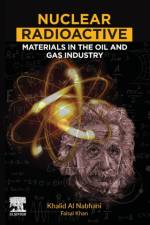
Nuclear Radioactive Materials in the Oil and Gas Industry comprehensively discusses the TENORMs generated from various types of oil and gas processes and their associated adverse human health effects, effective TENORM waste management strategies, and the quantitative risk analysis. The book thoroughly investigates current knowledge, addressing the three main gaps identified in available studies: 1) Exposure to radioactivity, 2) High volume waste as a source of radiation exposure, and 3) A lack of uniform, international safety regulations. This book offers researchers, scientists and graduate and undergraduate students a comprehensive and well-researched reference that covers fundamental concepts, problem identification and solutions development. It is an ideal, comprehensive guideline for professionals involved in the oil and gas and nuclear industries who are concerned about radiological issues.
Creating Resilient Transportation Systems: Policy, Planning and Implementation demonstrates how the transportation sector is a leading producer of carbon emissions that result in climate change and extreme weather disruptions and disasters. In the book, Renne, Wolshon, Murray-Tuite, Pande and Kim demonstrate how to minimize the transportation impacts associated with these urban disasters, with an ultimate goal of returning them to at least status quo in the shortest feasible time.
Climate Change Adaptation for Transportation Systems examines the international state of knowledge on climate change and weather and their potential impacts on the planning, design and serviceability of transportation networks. The book describes alternative frameworks for adapting to climate change in the planning, provision and management of transportation systems. It discusses methods and models for including climate and weather factors in planning and design for use in transportation asset systems under risk and uncertainty. Giving specific attention to road, rail, ports and harbors, the book provides users with the tools they need in decision-making approaches where there is uncertainty.
Abonner på vårt nyhetsbrev og få rabatter og inspirasjon til din neste leseopplevelse.
Ved å abonnere godtar du vår personvernerklæring.