














Gjør som tusenvis av andre bokelskere
Abonner på vårt nyhetsbrev og få rabatter og inspirasjon til din neste leseopplevelse.
Ved å abonnere godtar du vår personvernerklæring.Du kan når som helst melde deg av våre nyhetsbrev.

Practical Machine Learning for Data Analysis Using Python is a problem solver''s guide for creating real-world intelligent systems. It provides a comprehensive approach with concepts, practices, hands-on examples, and sample code. The book teaches readers the vital skills required to understand and solve different problems with machine learning. It teaches machine learning techniques necessary to become a successful practitioner, through the presentation of real-world case studies in Python machine learning ecosystems. The book also focuses on building a foundation of machine learning knowledge to solve different real-world case studies across various fields, including biomedical signal analysis, healthcare, security, economics, and finance. Moreover, it covers a wide range of machine learning models, including regression, classification, and forecasting. The goal of the book is to help a broad range of readers, including IT professionals, analysts, developers, data scientists, engineers, and graduate students, to solve their own real-world problems. Offers a comprehensive overview of the application of machine learning tools in data analysis across a wide range of subject areasTeaches readers how to apply machine learning techniques to biomedical signals, financial data, and healthcare dataExplores important classification and regression algorithms as well as other machine learning techniquesExplains how to use Python to handle data extraction, manipulation, and exploration techniques, as well as how to visualize data spread across multiple dimensions and extract useful features
Microorganisms are a major part of the Earth''s biological diversity. Although a lot of research has been done on microbial diversity, most of it is fragmented. This book creates the need for a unified text to be published, full of information about microbial diversity from highly reputed and impactful sources. Recent Advancements in Microbial Diversity brings a comprehensive understanding of the recent advances in microbial diversity research focused on different bodily systems, such as the gut. Recent Advancements in Microbial Diversity also discusses how the application of advanced sequencing technologies is used to reveal previously unseen microbial diversity and show off its function. Gives insight into microbial diversity in different bodily systemsExplains novel approaches to studying microbial diversityHighlights the use of omics to analyze the microbial community and its functional attributesDiscusses the techniques used to examine microbial diversity, including their applications and respective strengths and weaknesses
Vibration Control and Actuation of Large-Scale Systems gives a systematically and self-contained description of the many facets of envisaging, designing, implementing, or experimentally exploring advanced vibration control systems. The book is devoted to the development of mathematical methodologies for vibration analysis and control problems of large-scale systems, including structural dynamics, vehicle dynamics and wind turbines, for example. The research problems addressed in each chapter are well motivated, with numerical and simulation results given in each chapter that reflect best engineering practice. Provides a series of the latest results in vibration control, structural control, actuation, component failures, and moreGives numerical and simulation results to reflect best engineering practice Presents recent advances of theory, technological aspects, and applications of advanced control methodologies in vibration control
Nanotechnology and Photocatalysis for Environmental Applications focuses on nanostructured control, synthesis methods, activity enhancement strategies, environmental applications, and perspectives of semiconductor-based nanostructures. The book offers future guidelines for designing new semiconductor-based photocatalysts, with low cost and high efficiency, for a range of products aimed at environmental protection. The book covers the fundamentals of nanotechnology, the synthesis of nanotechnology, and the use of metal oxide, metal sulfide, and carbon-based nanomaterials in photocatalysis. The book also discusses the major challenges of using photocatalytic nanomaterials on a broad scale. The book then explores how photocatalytic nanomaterials and nanocomposites are being used for sustainable development applications, including environmental protection, pharmaceuticals, and air purification. The final chapter considers the recent advances in the field and outlines future perspectives on the technology. This is an important reference for materials scientists, chemical engineers, energy scientists, and anyone looking to understand more about the photocatalytic potential of nanomaterials, and their possible environmental applications. Explains why the properties of semiconductor-based nanomaterials make them particularly good for environmental applications Explores how photocatalytic nanomaterials and nanocomposites are being used for sustainable development applications, including environmental protection, pharmaceuticals, and air purification Discusses the major challenges of using photocatalytic nanomaterials on a broad scale
Progress in Medicinal Chemistry, Volume 59, provides a review of eclectic developments in medicinal G139 chemistry. Each chapter is written by an international board of authors, with this release focusing on Small Molecules - Giant Leaps for Immuno-Oncology, Reviewing P2X7, Reviewing ASK1, and Reviewing DNA-encoded libraries. Provides extended, timely reviews of topics in medicinal chemistryContains targets and technologies relevant to the discovery of tomorrow''s drugsPresents analyses of successful drug discovery programs
Advances in Clinical Chemistry, Volume 96, the latest installment in this acclaimed series, contains chapters authored by world-renowned clinical laboratory scientists, physicians and research scientists. The serial discusses the latest, most up-to-date technologies related to the field of clinical chemistry. It is the benchmark publication for novel analytical approaches in the clinical laboratory. Chapters in this release include Revisiting immune complexes: key to understanding immune-related diseases, New Biomarkers in Non-Hodgkin Lymphoma and Acute Leukemias, Omics and The Molecular Exercise Physiology, Neurotransmitter, neuropeptide and gut peptide profile in PCOS- pathways contributing to the pathophysiology, food intake and psychiatric manifestations of PCOS, and much more. Provides the most up-to-date technologies in clinical chemistry and clinical laboratory scienceAuthored by world renowned clinical laboratory scientists, physicians and research scientistsPresents the international benchmark for novel analytical approaches in the clinical laboratory
Chemical Tools for Imaging, Manipulating, and Tracking Biological Systems: Diverse Methods for Optical Imaging and Conjugation, Volume 639, the latest release in the Methods in Enzymology series, continues the legacy of this premier serial with quality chapters authored by leaders in the field. Chapters in this new release include Fluorogenic detection of protein aggregates in live cells using the AggTag method, Synthesis and Application of Ratiometric Probes for Hydrogen Peroxide Detection, Chemical Tools for Multicolor Protein FRET with Tryptophan, Fluorescing Isofunctional Ribonucleosides for Adenosine Deaminase Activity and Inhibition, Temporal profiling establishes a dynamic S-palmitoylation cycle, Solvation-guided design of fluorescent probes for discrimination of amyloids, and much more. Provides the authority and expertise of leading contributors from an international board of authorsPresents the latest release in the Methods in Enzymology seriesIncludes the latest information on retinoid signaling pathways
Stress and Brain Health: In Clinical Conditions, Volume 152, examines up-to-date knowledge on how stress effects brain health. The book''s wide-ranging topics include the effects of pre-natal and childhood stress on neurodevelopment and aging. Chapters cover Stress and neuropsychiatric disorders, Stress and schizophrenia, Stress and addictive behaviors, Stress and suicide, Stress as a factor in the progression of PD, Social prescribing for stress-related disorder, and more. Comprises diverse evidence from world-leading researchers in each areaProvides a readily accessible introduction to the topics covered, including basic guidance on stress theory and measurementEssential reading for those in the fields of neuroscience, psychophysiology, psychoneuroendocrinology, health psychology, developmental psychology, neuro-rehabilitation and clinical research
Computer Techniques for Image Processing in Electron Microscopy, Volume 214 in the Advances in Imaging and Electron Physics series, presents the latest advances in the field, with this new volume covering Image Formation Theory, The Discrete Fourier Transform, Analytic Images, The Image and Diffraction Plane Problem: Uniqueness, The Image and Diffraction Plane Problem: Numerical Methods, The Image and Diffraction Plane Problem: Computational Trials, Alternative Data for the Phase Determination, The Hardware of Digital Image Handling, Basic Software or Digital Image Handling, Improc, and much more. Provides the authority and expertise of leading contributors from an international board of authorsPresents the latest release in the Advances in Imaging and Electron Physics series
New and Future Developments in Microbial Biotechnology and Bioengineering: Recent Advances in Application of Fungi and Fungal Metabolites: Environmental and Industrial Aspects provides a comprehensive overview of recent development and applied aspects of fungi and its metabolites in environmental and industrial settings. Fungi and fungal metabolites have great prospects for developing new products in a wide range of sectors. Many fungal metabolites are environmentally friendly, clean, non-toxic agents used for environmental management practices. This book offers a systems approach and provides a means to share the latest developments and advances about the exploitation of fungal products, including their vide uses in the field of environment and industry. Introduces the aspects and advances of fungi and fungal metabolites in environmental and industry perspectivesDiscusses the potential of fungi and its metabolites in environmental management Includes a description of traditional uses and the modern practices of harnessing the potential of fungi and its metabolites in solving environment issuesProvides details about usage of fungi and its metabolites for environmental management and industrial purposes
New and Future Developments in Microbial Biotechnology and Bioengineering: Recent Advances in Application of Fungi and Fungal Metabolites: Biotechnological Interventions and Futuristic Approaches is an invaluable resource for researchers planning to work in applied biotechnological interventions and futuristic approaches to fungi and fungal metabolite utilization. Special emphasis is placed on new research relating to fungal-based recombinant DNA technology and genomics analysis which place yeasts and filamentous fungi at the forefront of various contemporary commercial applications. Written in an easy-to-follow language by active researchers, the book presents cutting-edge fungal biotechnological applications in a manner that is accessible to all. Introduces recent biotechnological interventions and futuristic approaches to fungi and their metabolitesElaborates on perspectives and diverse applications of harnessing the potential of fungi and fungal metabolites in biotechnologyDescribes traditional uses and modern practices of accessing the potential of fungi and their metabolites in solving future needs
Experimental Hydrodynamics of Fast-Floating Aquatic Animals presents the latest research on the physiological, morphological and evolutionary factors in aquatic animal locomotion. Beginning with an overview on how to conduct experiments on swimming aquatic animals, assessing hydrodynamic forces, resistance and geometric parameters of animal bodies, the book then details how aquatic animals, such as fast-moving dolphins, can achieve high speeds without over-expelling their energy resources. It provides insights into investigations on how animals, including dolphins, sharks and swordfish can maneuver through water at high speeds, offering a natural model for improving human and technological underwater locomotion. This book is essential for researchers and practicing biologists interested in the study of aquatic animal locomotive physiology and its application to human technology. Advanced undergraduate and graduate students will also find this a helpful academic resource for further understanding animal hydrodynamics. Analyzes the locomotive benefits of bodily structures in aquatic animals such as cetacean species, penguins, sharks and fast-swimming fish species, such as the swordfishFeatures the latest research and firsthand investigative studies of aquatic animal hydrodynamic factors, including skin elasticity, fin shape and movement, bioenergy, and moreProvides a comparison of human to animal hydrodynamics, detailing how energy is spent differently due to evolutionary advances in the latter
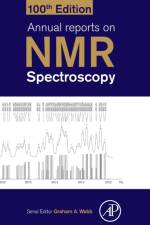
Annual Reports on NMR Spectroscopy, Volume 100, is a premier resource for both specialists and non-specialists who are looking to become familiar with new techniques and applications in NMR spectroscopy. Chapters in this new release cover In Operando NMR Studies, Recent Developments in Automotive Differential Analysis of NMR Results, Applications of SIMPSON to NMR Studies of Peptides and Proteins, Recent Developments in NMR Line Shape Analysis, and more. Serves as the premier resource for learning the new techniques and applications of NMR spectroscopyProvides a key reference for chemists and physicists using NMR spectroscopy to study the structure and dynamics of moleculesCovers all aspects of molecular science, including MRI (Magnetic Resonance Imaging)
Advances in Atomic, Molecular, and Optical Physics, Volume 69, the latest release in this ongoing series, provides a comprehensive compilation of recent developments in a field that is in a state of rapid growth, as new experimental and theoretical techniques are used on many problems, both old and new. Topics covered in this new release include Strong-field ion spectroscopy, Configurable microscopic optical potentials, Polaritons, Rydberg excitation of trapped cold ions - a new platform for quantum technologies, High intensity QED, Recollision imaging, and more. Presents the work of international experts in the fieldContains comprehensive articles that compile recent developments in a field that is experiencing rapid growth, with new experimental and theoretical techniques emergingIdeal for users interested in optics, excitons, plasmas and thermodynamicsCovers atmospheric science, astrophysics, and surface and laser physics, amongst other topics
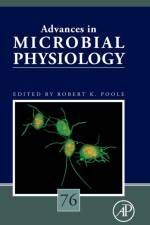
Advances in Microbial Physiology, Volume 76, the latest release in this ongoing series, continues the long tradition of topical, important, cutting-edge reviews in microbiology. The updated release contains updates in the field, with comprehensive chapters covering Bacteria respiration during infection, Spironucleus vortens: functional imaging of a model aerotolerant flagellated protist, In situ Absorbance Measurements: a New Means to Study Respiratory Electron Transfer in Chemolithotrophic microorganisms, Microbubbles in microbiology, Bacterial catabolism of s-triazine herbicides: biochemistry, evolution and application, and more. Contains contributions from leading authorities in microbial physiologyInforms and updates on all the latest developments in the field of microbial physiology
Advances in Bioenergy, Volume Five, part of a new series that provides both principles and recent developments in various kinds of bioenergy technologies, includes the latest on feedstock development, conversion technologies, energy and economics and environmental analysis. This series uniquely provides the fundamentals of these technologies, along with reviews that will be invaluable for students. Chapters in this new release cover Medium Chain Fatty Acids Production by Microbial Chain Elongation: Recent Advances, Two-stage AD for bioenergy and biochemical production from industrial and agricultural wastewater, and more. Written and edited by a world-leading scientist in the area of bioenergy and bioproductsIncludes both principles and recent developments within bioenergy technologiesCovers the fundamentals of technologies and recent reviews
Advances in Agronomy, Volume 162, continues to be recognized as a leading reference and first-rate source for the latest research in agronomy. Each volume contains an eclectic group of reviews by leading scientists throughout the world. As always, the subjects covered are rich, varied and exemplary of the abundant subject matter addressed by this long-running serial. Includes numerous, timely, state-of-the-art reviews on the latest advancements in agronomyFeatures distinguished, well recognized authors from around the worldBuilds upon this venerable and iconic review seriesCovers the extensive variety and breadth of subject matter in the crop and soil sciences
Advances in Applied Microbiology, Volume 110, the latest release in this renowned series that provides a comprehensive and authoritative review in microbiology, includes updated chapters on Multi-species biofilms for resource recovery from wastewater, Chemical imaging of biofilms with luminescent sensors, Advances in yeast fermentation biotechnology, Bacterial evasion of host defense systems, A genomic analysis on stress-responses in C. glabrata and their relevance in pathogenesis and drug resistance, and more. Contains contributions from leading authorities in the fieldInforms and updates on all the latest developments in the field of microbiologyIncludes discussions on the role of specific molecules in pathogen life stages, interactions, and much more
Toxicological Aspects of Medical Device Implants provides comprehensive information on the use of medical implant and devices and the balance between the application of the devices in relation to any potential adverse effects. In order to ensure the safety and effectiveness of medical devices, many international policies, regulations, and standards have been established, and the book also discusses medical devices within this regulatory framework. The book covers a broad range of disease topics and disease-specific implants and an interdisciplinary team of experts brings a wealth of information on implants used in various disease models and associated risk factors. Toxicological Aspects of Medical Device Implants is a comprehensive resource for toxicologists, biomedical engineers, immunologists, medical staff, regulators, and manufacturers working in the field who need to be aware of the potential toxicity and device management of such a wide variety of implants and devices and their health risks. Discusses the adverse toxicological effects of medical devicesCovers a broad range of disease topics and disease specific implants Offers contributions from experts from across several disciplines
Nanofabrication for Smart Nanosensor Applications addresses the design, manufacture and applications of a variety of nanomaterials for sensing applications. In particular, the book explores how nanofabrication techniques are used to create more efficient nanosensors, examines their major applications in biomedicine and environmental science, discusses the fundamentals of how nanosensors work, explores different nanofabrication techniques, and comments on toxicity and safety issues relating to the creation of nanosensors using certain nanomaterial classes. This book is an important resource for materials scientists and engineers who want to make materials selection decisions for the creation of new nansensor devices. Summarizes current research and applications of a variety of nanofabrication techniques for the creation of efficient sensing devicesProvides readers with an understanding of surfaces and interfaces, a key challenge for those working on hybrid nanomaterials, carbon nanotubes, graphene, polymers and liquid crystal electro-optical imagingDiscusses the variability and sight recognition of biopolymers, such as DNA molecules, which offer a wide range of opportunities for the self-organization of nanostructures into much more complex patterns
Advances in Organometallic Chemistry, Volume 74, the latest release in this longstanding serial, is known for its comprehensive coverage of topics in organometallic synthesis, reactions, mechanisms, homogeneous catalysis, and more. It is ideal for a wide range of researchers involved in organometallic chemistry, with this updated release including chapters on Metal dendrimers used in biomedical applications, Sigma-bond activation reactions induced by unsaturated osmium (IV) complexes with bulky phosphines, Base metal pincer complexes, and more. Contains contributions from leading authorities in the field of organometallic chemistryCovers topics in organometallic synthesis, reactions, mechanisms, homogeneous catalysis, and moreInforms and updates readers on the latest developments in the fieldCarefully edited to provide easy-to-read material
Advanced Food Analysis Tools: Biosensors and Nanotechnology provides the latest information on innovative biosensors and tools that are used to perform on-site detection tests. Food safety is a global health goal, with the food industry providing testing and guidance to keep the population safe. Food contamination is mainly caused by harmful substances and biological organisms, including bacteria, viruses and parasites, which can all have a major impact on human health. The lack of specific, low-cost, rapid, sensitive and easy detection of harmful compounds has resulted in the development of the electrochemical technologies that are presented in this book. Includes the most recent and innovative biosensor and nanotechnology for the food industryApplies the most current trends in food analysis researchPresents opportunities for unique electrochemical tools to enhance performance
Combination Therapy against Multidrug Resistance explores the potential of combination therapy as an efficient strategy to combat multi-drug resistance. Multidrug resistance (MDR) occurs when microorganisms such as bacteria, fungi, viruses, and parasites are excessively exposed to antimicrobial drugs such as antibiotics, antifungals, or antivirals, and in response the microorganism undergoes mutations or develops different resistance mechanisms to combat the drug for its survival. MDR is becoming an increasingly serious problem in both developed and developing nations. Bacterial resistance to antibiotics has developed faster than the production of new antibiotics, making bacterial infections increasingly difficult to treat, and the same is true for a variety of other diseases. Combination therapy proves to be a promising strategy as it offers potential benefits such as a broad spectrum of efficacy, greater potency than the drugs used in monotherapy, improved safety and tolerability, and reduction in the number of resistant organisms. This book considers how combination therapy can be applied in multiple situations, including cancer, HIV, tuberculosis, fungal infections, and more. Combination Therapy Against Multidrug Resistance gathers the most relevant information on the prospects of combination therapy as a strategy to combat multridrug resistance and helping to motivate the industrial sector and government agencies to invest more in research and development of this strategy as a weapon to tackle the multidrug resistance problem. It will be useful to academics and researchers involved in the development of new antimicrobial or antiinfective agents and treatment strtategies to combat multidrug resistance. Clinicians and medical nurses working in the field of infection prevention and control (IPC) will also find the book relevant Explores strategic methods with investigation of both short- and long-term goals to combat multidrug resistancePresents a broad scope to understand fully the ways to apply combined therapy to multidrug resistanceProvides an overview of combination therapy, but also includes specific cases such as cancer, tuberculosis, HIV and malaria
Human-Machine Shared Contexts considers the foundations, metrics, and applications of human-machine systems. Editors and authors debate whether machines, humans, and systems should speak only to each other, only to humans, or to both and how. The book establishes the meaning and operation of "shared contexts” between humans and machines; it also explores how human-machine systems affect targeted audiences (researchers, machines, robots, users) and society, as well as future ecosystems composed of humans and machines. This book explores how user interventions may improve the context for autonomous machines operating in unfamiliar environments or when experiencing unanticipated events; how autonomous machines can be taught to explain contexts by reasoning, inferences, or causality, and decisions to humans relying on intuition; and for mutual context, how these machines may interdependently affect human awareness, teams and society, and how these "machines" may be affected in turn. In short, can context be mutually constructed and shared between machines and humans? The editors are interested in whether shared context follows when machines begin to think, or, like humans, develop subjective states that allow them to monitor and report on their interpretations of reality, forcing scientists to rethink the general model of human social behavior. If dependence on machine learning continues or grows, the public will also be interested in what happens to context shared by users, teams of humans and machines, or society when these machines malfunction. As scientists and engineers "think through this change in human terms," the ultimate goal is for AI to advance the performance of autonomous machines and teams of humans and machines for the betterment of society wherever these machines interact with humans or other machines. This book will be essential reading for professional, industrial, and military computer scientists and engineers; machine learning (ML) and artificial intelligence (AI) scientists and engineers, especially those engaged in research on autonomy, computational context, and human-machine shared contexts; advanced robotics scientists and engineers; scientists working with or interested in data issues for autonomous systems such as with the use of scarce data for training and operations with and without user interventions; social psychologists, scientists and physical research scientists pursuing models of shared context; modelers of the internet of things (IOT); systems of systems scientists and engineers and economists; scientists and engineers working with agent-based models (ABMs); policy specialists concerned with the impact of AI and ML on society and civilization; network scientists and engineers; applied mathematicians (e.g., holon theory, information theory); computational linguists; and blockchain scientists and engineers. Discusses the foundations, metrics, and applications of human-machine systemsConsiders advances and challenges in the performance of autonomous machines and teams of humansDebates theoretical human-machine ecosystem models and what happens when machines malfunction
New and Future Developments in Microbial Biotechnology and Bioengineering: Trends of Microbial Biotechnology for Sustainable Agriculture and Biomedicine Systems: Diversity and Functional Perspectives describes how specific techniques can be used to generalize the metabolism of bacteria that optimize biologic improvement strategies and bio-transport processes. Microbial biotechnology focuses on microbes of agricultural, environmental, industrial, and clinical significance. This volume discusses several methods based on molecular genetics, systems, and biology of synthetic, genomic, proteomic, and metagenomics. Recent developments in our understanding of the role of microbes in sustainable agriculture and biotechnology have created a highly potential research area. The soil and plant microbiomes have a significant role in plant growth promotion, crop yield, soil health and fertility for sustainable developments. The microbes provide nutrients and stimulate plant growth through different mechanisms, including solubilization of phosphorus, potassium, and zinc; biological nitrogen fixation; production of siderophore, ammonia, HCN and other secondary metabolites which are antagonistic against pathogenic microbes. This new book provides an indispensable reference source for engineers/bioengineers, biochemists, biotechnologists, microbiologists, agrochemists, and researchers who want to know about the unique properties of this microbe and explore its sustainable agriculture future applications. Introduces the principles of microbial biotechnology and its application in plant growth and soil health for sustainable agricultureExplores various plant microbiomes and their beneficial impact on plant growth for crop improvementExplains the mechanisms of plant-microbe interaction and plant growth promotionIncludes current applications of microbial consortium for enhance production of crop in eco-friendly manners
New and Future Developments in Microbial Biotechnology and Bioengineering: Trends of Microbial Biotechnology for Sustainable Agriculture and Biomedicine Systems: Perspectives for Human Health discusses how microbial biotechnology helps us understand new strategies to reduce pathogens and drug resistance through microbial biotechnology. The most commonly used probiotic bacteria are Lactobacillus and Bifidobacterium. Therefore, the probiotic strains exhibit powerful anti-inflammatory, antiallergic and other important properties. This new book provides an indispensable reference source for engineers/bioengineers, biochemists, biotechnologists, microbiologists, pharmacologists, and researchers who want to know about the unique properties of this microbe and explore its sustainable biomedicine future applications. Introduces the principles of microbial biotechnology and its application for sustainable biomedicine systemExplores various microbes and their beneficial application for biofortification of crops for micronutrientsExplains the potentials and significance of probiotics, prebiotics and synbiotics in health and diseaseIncludes current applications of beneficial microbes as Functional Food Products of Pharmaceutical Importance
A 65-year-old patient arrives at the Emergency Department with stroke symptoms that began 45 minutes ago. You are called STAT!Acute stroke management has changed dramatically in recent years. Tremendous advances have been made in acute treatments, diagnostic neuroimaging, and organized systems of care, and are enabling better outcomes for patients. Stroke has evolved from a largely untreatable condition in the acute phase to a true medical emergency that is potentially treatable-and sometimes curable. The Code Stroke emergency response refers to a coordinated team-based approach to stroke patient care that requires rapid and accurate assessment, diagnosis, and treatment in an effort to save the brain and minimize permanent damage.The Code Stroke Handbook contains the "essentials" of acute stroke to help clinicians provide best practice patient care. Designed to assist frontline physicians, nurses, paramedics, and medical learners at different levels of training, this book highlights clinical pearls and pitfalls, guideline recommendations, and other high-yield information not readily available in standard textbooks. It is filled with practical tips to prepare you for the next stroke emergency and reduce the anxiety you may feel when the Code Stroke pager rings. An easy-to-read, practical, clinical resource spread over 12 chapters covering the basics of code stroke consultations: history-taking, stroke mimics, neurological examination, acute stroke imaging (non-contrast CT/CT angiography/CT perfusion), and treatment (thrombolysis and endovascular therapy)Includes clinical pearls and pitfalls, neuroanatomy diagrams, and stroke syndromes, presented in an easily digestible format and book size that is convenient to carry around for quick reference when on-call at the hospitalProvides foundational knowledge for medical students and residents before starting your neurology, emergency medicine, or internal medicine rotations
The Psychology of Learning and Motivation, Volume 72 in this preeminent series, features empirical and theoretical contributions in cognitive and experimental psychology, ranging from classical and instrumental conditioning, to complex learning and problem-solving. Chapters in this new release cover Statistical learning predicts literacy acquisition of a foreign alphabetic and logographic language, An Investigation into Virtual Immersion Mandarin Chinese Writing Instruction with Students with Autism, Child and adult classroom L2 learners: uniqueness and similarities, and implications for cognitive models, Current Trends in Second Sign Language Research: Acquisition, Teaching and Assessment, Language Experiences and Cognitive Control: A Dynamic Perspective, and much more. Presents the latest information in the highly regarded Psychology of Learning and Motivation seriesProvides an essential reference for researchers and academics in cognitive scienceContains information relevant to both applied concerns and basic research
Advances in Functional and Protective Textiles explores the latest research in the use of textile materials for protective clothing. The book''s international roster of researchers in industry and academia describe innovative applications in defense, medical, sports, fire protection, radiation protection, and more. This book is an invaluable resource for readers seeking to produce textiles with self-cleaning, antimicrobial, super-hydrophobic, UV-protective, insect repellant, flame retardant or anti-felting properties. Particular attention is given to textile fibers, including cotton, wool, viscose, and other synthetic fibers whose properties solve many problems. Sustainable approaches to the processing of textiles for protective properties are also addressed, as are hazards.Introduces the advanced testing and modeling methods that are necessary for the production of protective textilesDescribes the properties of the latest advanced chemicals and materials used to make protective textiles and clothingCovers every step in the development of protective clothing, from the engineering of novel materials, to advanced fabrication methodologies and applications
Advanced Functional Solid Catalysts for Biomass Valorization presents the basic concepts in catalysis (homogeneous, heterogeneous, and enzymatic) and the properties of various kinds of heterogeneous solid catalysts, including their structure, porosity, particle size, BET surface area, acid-base, and redox properties. Useful information about biorefineries, types of biomass feedstocks, their structures and properties as well as about several potential catalytic routes for biomass upgrading to useful fuels and chemicals is provided in this book. Importantly, this book covers the most recent developments toward functionalization of various solid catalysts, optimization of catalysts'' properties, developing cascade catalytic strategies, exploring reaction kinetics/mechanisms, and evaluating catalysts'' stability/reusability during biomass upgrading. Current challenges and opportunities for the future biorefineries as well as for the design of advanced functional solid catalysts are critically discussed. Describes catalysis as a promising technology for the development of eco-friendly and economically viable strategies for several important energy and environmental applications.Covers heterogeneous solid catalysts because of their versatile benefits in terms of catalysts'' synthesis, production cost, stability, and reusability as compared to homogeneous liquid catalysts.Provides promising strategies for the design of new catalytic materials, such as carbon materials, metal-organic frameworks, zeolites, and mesoporous silicas. Describes functional solid catalysts for developing one-pot cascade processes for efficient biomass valorization and other vital chemical transformations.
Abonner på vårt nyhetsbrev og få rabatter og inspirasjon til din neste leseopplevelse.
Ved å abonnere godtar du vår personvernerklæring.