













Gjør som tusenvis av andre bokelskere
Abonner på vårt nyhetsbrev og få rabatter og inspirasjon til din neste leseopplevelse.
Ved å abonnere godtar du vår personvernerklæring.Du kan når som helst melde deg av våre nyhetsbrev.

The third edition of Aspinall''s Complete Textbook of Veterinary Nursing is the ideal text for both student and qualified veterinary nurses as it covers the entire veterinary nursing syllabus. Now written in the main by veterinary nurses this book comprehensively covers all aspects of the veterinary nursing role from client communication to nutritional support. All chapters have been revised in line with changes in legislation and regulation, but also theoretical and practical aspects. Greater emphasis on the veterinary practice structure including the role of corporate businesses and use of social media bring this edition fully up to date. The new edition welcomes Nicola Ackerman as principal editor. Nicola is past officer of the BVNA and editor of the Veterinary Nursing Journal, and is currently the chair of The Pet Obesity Taskforce. Nicola is a winner of several awards including the Blue Cross/BVNA Veterinary Nurse of the Year 2010. Nicola was the first Veterinary Nurse in the UK to become a veterinary nurse specialist in nutrition.
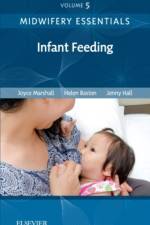
This addition to the popular Midwifery Essentials series continues to help readers understand and master a range of core issues safely and with confidence. Written by leading midwifery academics, each book in the series provides a user- friendly source of information which has been fully updated throughout to reflect the latest evidence-base for current practice. Now with an improved design to make learning as easy as possible, each paperback in the series focuses on the importance of communication and contemporary women-centred care and presents helpful ¿scenarios' to encourage debate and reflection.
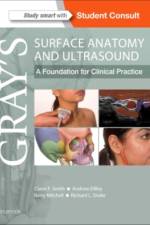
A concise, superbly illustrated (print + electronic) textbook that brings together a reliable, clear and up to date guide to surface anatomy and its underlying gross anatomy, combined with a practical application of ultrasound and other imaging modalities. A thorough understanding of surface anatomy remains a critical part of clinical practice, but with improved imaging technology, portable ultrasound is also fast becoming integral to routine clinical examination and effective diagnosis. This unique new text combines these two essential approaches to effectively understanding clinical anatomy and reflects latest approaches within modern medical curricula. It is tailored specifically to the needs of medical students and doctors in training and will also prove invaluable to the wide range of allied health students and professionals who need a clear understanding of visible and palpable anatomy combined with anatomy as seen on ultrasound.
There are more than 400 different kinds of sharks. Sharks live in all of Earth''s oceans: The largest shark is the whale shark. It can grow to over 12 metres (40 feet) long. That''s as almost as long as a school bus. Sharks are older than dinosaurs. The first dinosaurs appeared about 240 million years ago. The oldest known sharks appeared more than 420 million years ago. A shark''s sense of smell is so good that it can smell a teaspoon of blood in an Olympic-sized swimming pool. The hammerhead''s wide-set eyes let it see better.
There are more than a million kinds of bugs on Earth! Some are so tiny you can hardly see them, but some can be very big! When the bombardier beetle is threatened, it shoots a boiling hot chemical spray from its bum. A giant weta can weigh as much as three mice. A Goliath beetle can lift a load that is 850 times heavier than its own weight. That''s like a human lifting a jet plane. Tardigrades are tiny eight-legged creatures that are nearly indestructible. They can live in boiling water, in solid ice, deep in the ocean and in outer space where there is no air.
This new book is written by authors experienced in training candidates to pass MRCP PACES from across the UK. They have put together Pass PACES based on their own teaching experiences to fill the gap in preparation aids for this high-stakes examination. As well as covering the curriculum, this book is designed to help candidates marshal their knowledge most effectively in order to maximize candidate's performance. The book provides a pragmatic guide to the presentation of cases and gives great tips for how to achieve full marks at each station in the exam. Gives the candidate a stepwise approach in how to present the clinical cases that appear in the exam, with the aim of achieving full marks in the clinical stations. Highlights the extra knowledge and information sought by examiners in order to award full marks at the discussion phase of each station. Gives advice on time management and organization before and during the exam. Uses smart memory techniques in order to create brain images for candidates to be able to recruit knowledge under the stress of the exam. Presents unique hidden curriculum knowledge and non-technical skills tips, customised for this exam. Accompanying videos that walk candidates through key examinations for each station, and podcasts giving instructional tips and guidance. On ExpertConsult for access to e-book, videos and podcasts on the move.
Surgical diagnoses are often made on the basis of clinical assessment alone and thus achieving competence in clinical skills remains imperative to good practice in surgery. This book of over 140 cases is designed for candidates preparing for all surgical examinations, whether at undergraduate, postgraduate or exit examination level. It will demystify and simplify the clinical assessment of surgical cases and provides invaluable advice on how to achieve success. The text includes top tips, acronyms and up-to-date summaries of current practice based on the authors' personal experience of surgical examinations
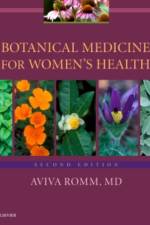
Use herbal medicines to treat women at any stage of life! Botanical Medicine for Women''s Health, 2nd Edition provides an evidence-based, patient-centered approach to botanical interventions for many different medical conditions. More than 150 natural products are covered, showing their benefits in gynecologic health, fertility and childbearing, and menopausal health. This edition includes new full-color photos of herbal plants along with a discussion of the role of botanicals in healthy aging. Written by Aviva Romm, an experienced herbalist, midwife, and physician, this unique guide is an essential resource for everyday practice of herbal medicine. Winner of the 2010 American Botanical Council''s James A. Duke Excellence in Botanical Literature Award!
This part gives metabolic data for 30 further elements, including Annual Limits on Intakes (ALI's) for their isotopes. The data given in this report are intended to be used together with the text and dosimetric models described in ICRP Publication 30, Part 1.
A one-stop guide to the SJT. Written by Foundation Years¿ doctors who have recently sat and passed the SJT Co-written and quality assured by Professor of Medical Education for Clinical Practice and Dean for Students, Barts and the London School of Medicine and Dentistry. Summarises candidate information about the SJT (GMC guidelines and documents, plus relevant legislation) with full referencing. Describes the two question types (ranking and MCQ). Gives top 10 tips for understanding the subtleties and subtext of the SJT. Provides the scoring matrix for students to calculate their scores easily. Covers each of the five question domains with practice questions. 250 practice questions in total. Memory aid text boxes throughout to aid progressive learning.
Aromatherapy is one of the main complementary therapies to be practiced by nurses and other health care professionals in hospital, hospice and community settings. Written by a nurse, this clinical text highlights how aromatherapy can enhance care and the role of the healthcare professional. It examines key facts and issues in aromatherapy practice, and applies these within a variety of contexts and conditions, taking a carefully holistic approach in dealing with the patient
Focuses on the safety of essential oils and the first review of essential oil/drug interactions and provides detailed essential oil constituent data not found in any other text. This title includes chapters on the respiratory system, the cardiovascular system, the urinary system, the digestive system and the nervous system.
Principally based on dissections of hundreds of un-embalmed human cadavers over the past decade, Functional Atlas of the Human Fascial System presents a new vision of the human fascial system using anatomical and histological photographs along with microscopic analysis and biomechanical evaluation. Prof. Carla Stecco ¿ orthopaedic surgeon and professor of anatomy and sport activities ¿ brings together the research of a multi-specialist team of researchers and clinicians consisting of anatomists, biomechanical engineers, physiotherapists, osteopaths and plastic surgeons. In this Atlas Prof. Stecco presents for the first time a global view of fasciae and the actual connections that describe the myofascial kinetic chains. These descriptions help to explain how fascia plays a part in myofascial dysfunction and disease as well as how it may alter muscle function and disturb proprioceptive input. Prof. Stecco also highlights the continuity of the fascial planes, explaining the function of the fasciae and their connection between muscles, nerves and blood vessels. This understanding will help guide the practitioner in selecting the proper technique for a specific fascial problem with a view to enhancing manual therapy methods. Functional Atlas of the Human Fascial System opens with the first chapter classifying connective tissue and explaining its composition in terms of percentages of fibres, cells and extracellular matrix. The second chapter goes on to describe the general characteristics of the superficial fascia from a macroscopic and microscopic point of view; while the third analyzes the deep fascia in the same manner. The subsequent five chapters describe the fasciae from a topographical perspective. In this part of the Atlas, common anatomical terminology is used throughout to refer to the various fasciae but it also stresses the continuity of fasciae between the different bodily regions. Over 300 unique photographs which show fascia on fresh (not embalmed) cadavers Demonstrates the composition, form and function of the fascial system Highlights the role of the deep fascia for proprioception and peripheral motor coordination Companion website ¿ www.atlasfascial.com ¿ with videos showing how fascia connects with ligaments
Explores and describes techniques of cupping in the context of TCM theory. This title provides a set of practical guidelines to applying this technique for various common conditions, and looks closely at issues of safety, expectation and theoretical principles of action.
A clinical reference on pediatric surgery in the practical question-and-answer format. It includes 80 chapters that present practical coverage which appeals to pediatric and general surgeons as well as pediatricians and primary care physicians.
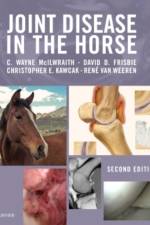
This is an indispensable reference for equine veterinary practitioners, veterinary students, and others involved in breeding and keeping horses. This new edition has been fully revised, updated and re-written in a more user-friendly style and format with the inclusion of high quality line drawings and photographs to aid understanding. Also, a conscious decision was made to use generic drug names making this as relevant as possible for everybody working in the equine field all over the world.
This innovative new guide to the diabetes technology introduces both insulin pumps and continuous glucose monitoring to the range of healthcare professionals involved in diabetes care. It is the first book of its kind and covers the principles and step by step implementation of state of the art devices to support people with diabetes. With interactive clinical cases and worked examples it will prove to be an invaluable, practical guide. It will also prove highly informative for diabetes patients.  Complete, up-to-date guide to insulin pump initiation and getting the most out of pump therapy A clear framework for systematic interpretation and making the best use of continuous glucose monitoring data Tips for managing challenging glucose patterns including exercise, alcohol and fasting BONUS access to the complete downloadable eBook version on Expert Consult Complete, up-to-date guide to insulin pump initiation and getting the most out of pump therapy A clear framework for systematic interpretation and making the best use of continuous glucose monitoring data Tips for managing challenging glucose patterns including exercise, alcohol and fasting BONUS access to the complete downloadable eBook version on Expert Consult (with print edition)
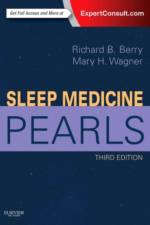
Sleep Medicine is a rapidly growing and changing field. Experienced sleep medicine clinicians and educators Richard B. Berry, MD and Mary H. Wagner, MD present the completely revised, third edition of Sleep Medicine Pearls featuring 150 cases that review key elements in the evaluation and management of a wide variety of sleep disorders. The cases are preceded by short fundamentals chapters that present enough basic information so that a physician new to sleep medicine can start reading page 1 and quickly learn the essential information needed to care for patients with sleep disorders. A concise, practical format makes this an ideal resource for sleep medicine physicians in active practice, sleep fellows learning sleep medicine, and physicians studying for the sleep boards
Advances in diagnosis, as well as medical and surgical treatment, mean that you can offer your glaucoma patients more timely and effective interventions. This clinical reference offers guidance on all aspects of adult and pediatric glaucoma with one volume devoted to diagnosis and medical treatment, and another that focuses on surgical techniques.
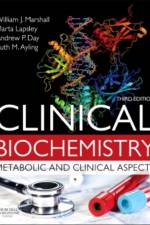
Suitable for candidates for the MRCPath examination and similar postgraduate examinations in clinical biochemistry, this book gives an overview of the acquisition of data, as well as concentrating on clinical aspects of the subject, giving detailed coverage of all conditions where clinical biochemistry is used in diagnosis and management.
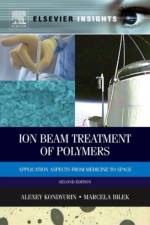
Presents the results of polymer investigations and techniques development in the field of polymer modification by high-energy ion beams. This book shows how to use ion beam equipment in the polymer industry, and how to use it to produce new polymer materials.
A step-by-step manual for echo-novice. It provides access to 100 case scenarios and images for self-assessment interpretation. It covers the entire breadth of adult cardiology. It focuses on the practicalities of performing an examination, and the interpretation of images.
Abonner på vårt nyhetsbrev og få rabatter og inspirasjon til din neste leseopplevelse.
Ved å abonnere godtar du vår personvernerklæring.