





Gjør som tusenvis av andre bokelskere
Abonner på vårt nyhetsbrev og få rabatter og inspirasjon til din neste leseopplevelse.
Ved å abonnere godtar du vår personvernerklæring.Du kan når som helst melde deg av våre nyhetsbrev.

Pharmaceuticals in Marine and Coastal Environments: Occurrence, Effects, and Challenges in a Changing World is divided into three sections that address a) coastal areas as the main entrance of pharmaceuticals into the ocean, b) the occurrence and distribution of pharmaceuticals in the environmental compartments of the ocean media, and c) the effects that such pollutants may cause to the exposed marine organisms. With its comprehensive discussions, the book provides a wide depiction of the current state-of-the-art on these topics in an effort to open new sources of investigation and find suitable solutions.Includes maps edited by the Water Information Network System of the International Hydrological Program (IHP-WINS)Provides a compilation of information regarding the occurrence and distribution of pharmaceuticals in the marine environment which will help establish new and more efficient monitoring programs and new research linesDepicts the most important results of environmental risk assessments that can be used as a first step for further toxicological studies
Rivers of Europe, Second Edition, presents the latest update on the only primary source of complete and comparative baseline data on the biological and hydrological characteristics of more than 180 of the highest profile rivers in Europe. With even more full-color photographs and maps, the book includes conservation information on current patterns of river use and the extent to which human society has exploited and impacted them. Each chapter includes up to 10 featured rivers, with detailed information on their physiography, hydrology, ecology/biodiversity and human impacts. Rivers selected for specific coverage include the largest, the most natural, and those most affected by humans. This book provides the most comprehensive information ecologists and conservation managers need to better assess their management and meet the EU legislative good governance targets. Includes comparison photos of rivers, along with information on the history and management of each river Presents summary information on hydrological, ecological and freshwater biodiversity patterns and trends of each river Highlights environmental issues of great importance to citizens and governments, including fragmentation by dams, pollution, introduction of nonnative species and reductions in biodiversity
This Sixth Edition of the highly praised Practical Guide for Medical Teachers provides a bridge between the theoretical aspects of medical education and the delivery of enthusiastic and effective teaching in basic science and clinical medicine. Healthcare professionals are committed teachers and this book, with its short, succinct chapters on current topics, is a practical guide to help them maximise their performance. Offers comprehensive, succinct coverage of curriculum planning and development, assessment, student engagement, and more. Includes 10 new chapters that discuss the international dimension to medical education, clinical reasoning, the roles of teachers, mentoring, burnout and stress, the patient as educator, professional identity, curriculum and teacher evaluation, how students learn, and diversity, equality and individuality. Delivers the knowledge and expertise of more than 40 international contributors. Features helpful boxes highlighting practical tips, quotes, and trends in today''s medical education. Enhanced eBook version included with purchase. Your enhanced eBook allows you to access all of the text, figures, and references from the book on a variety of devices. As the scope of medical education continues to expand there is a continual emergence of new topics of interest to teachers in all healthcare disciplines. This is recognised in this Sixth Edition in eight new chapters: The international dimension of the curriculum; How students learn; Clinical reasoning; Roles of a teacher; Burnout, mistreatment and stress; Professional identity as a student; Curriculum and teacher evaluation; and Diversity equality and inclusivity. In addition eight existing chapters will be re-named to reflect a substantial change of emphasis or content. Over one hundred authors from twelve countries provide both an international perspective and a multi-professional approach to topics of interest to all healthcare teachers.
Now in its 5th edition, Aromatherapy for Health Professionals is an essential resource for professionals wishing to practice aromatherapy in a clinical setting. It covers the theory and practice of essential oil science and the application of aromatherapy for specific conditions, giving an evidence-based, in-depth presentation of the subject. Written by a highly experienced team of aromatherapists, this book is an authoritative guide for anyone seeking to use essential oils in a modern health care setting. Contains an A-Z of essential oils including their chemistry and properties, allowing therapists to select the most effective oils for use in a clinical situation Details the appropriate essential oils for different health conditions Features case studies to help the reader understand how to put the theory into practice Fully referenced and evidence-based for use in a clinical setting
General practice nurses are faced with the daily challenge of keeping up-to-date with a vast range of conditions and their management. They also need to be familiar with evidence-based practice to inform high-level decision making. This Survival Guide will prove a valuable resource to nursing students experiencing general practice for the first time. Many universities across England now deliver `Fundamentals of General Practice¿ programmes. This book will complement those programmes and provide essential information to assist nurses new to general practice. For experienced nurses working in general practice there are essential chapters covering the latest developments such as leadership, quality improvement, PCN developments and essential clinical knowledge that highlight the changes in clinical care in recent years, plus an acknowledgement of the impact the COVID 19 pandemic has had on management of care. This is an indispensable handbook for: Defining the essential knowledge for meeting continuing professional development requirements Understanding fundamental clinical skills to ensure best practice Exploring new ways of working to consult and communicate with patients Investigating ways to improve care delivery Handy format makes for easy reference Clear, bulleted content puts the emphasis on quick reference Reflective activities Diagrams clearly explain difficult concepts Case studies highlight best practice
This simple, jargon-free text fits in your pocket, providing an ''on-the-spot'' guide to clinician-performed ultrasound in the emergency department, intensive care unit or in the field. Written by an international team of experts and comprehensively updated in its third edition, Emergency Ultrasound Made Easy brings together in one volume the latest indications for focused ultrasound, including those related to the COVID-19 pandemic. The text is highly accessible and easy to use in an emergency. It is aimed at the rapidly expanding cohort of non-radiologist clinical sonographers who use focused ultrasound. However, its broad scope (for example using ultrasound in the rapid diagnosis of DVT) makes it an invaluable addition to the library of any doctor with an interest in the technique, whether in primary care or the hospital setting. Simple to read and follow Free of jargon Fast step-by-step guide to ultrasound procedures Clear diagrams Tips and pitfalls to avoid Multiple accompanying videos featuring examples of ultrasound in clinical practice New chapter on the use of ultrasound in small anatomical structures such as the eyes and testes New chapter on paediatric ultrasound Respiratory chapter updated to include COVID-19 Multiple accompanying videos featuring examples of ultrasound in clinical practice New chapter on the use of ultrasound in small anatomical structures such as the eyes and testes New chapter on paediatric ultrasound Respiratory chapter updated to include COVID-19
Nunn''s Applied Respiratory Physiology, Ninth Edition, is your concise, one-stop guide to all aspects of respiratory physiology in health, disease, and in the many physiologically challenging situations and environments into which humans take themselves - coverage is from basic science to clinical applications. Trusted for over 50 years, this most comprehensive single volume on respiratory physiology will prove invaluable to those in training or preparing for examinations in anaesthesia, intensive care, respiratory medicine or thoracic surgery - as well as an essential quick reference for physiologists and the range of practitioners requiring ready access to current knowledge in this field. Now fully revised and updated, this ninth edition includes a larger page format for improved clarity, as well as full access to the complete, downloadable eBook version. This incorporates BONUS chapters, handy topic summaries, interactive self-assessment material and a NEW series of expert lectures on key topics. The result is a more flexible, engaging and complete resource than ever before. Enhancements to this edition include: A new dedicated chapter on obesity - covering the effects of this global challenge on the physiology of the respiratory system in health and disease, in both adults and children Expanded coverage of the adverse effects of hyperoxia - including the physiology of the now popular technique of high-flow nasal therapy A revised section on air pollution - reflecting the growing importance and understanding of the impact of pollution on the lungs and other body systems, along with the latest worldwide guidelines Detailed coverage of artificial ventilation during general anaesthesia - covering post-operative respiratory complications and the physiological basis of current best-practice for optimizing ventilation Print comes with enhanced eBook - includes access to the complete, fully searchable text, PLUS: bonus chapters handy chapter summaries interactive self-assessment material a NEW series of 25 expert lectures focusing on the most essential topics in respiratory physiology
Biologically functional ceramic materials have been known about for several decades, like phosphate cements and gypsum, and they are within the zeroth generation. Modern and artificially synthesized bioceramics include amorphous materials in the Bioglass® family that were developed in the early 1970''s and derivative glass ceramics such as Bioverit® and Cerabone A-W® that came in 1980''s. They are from the 2nd generation of materials, and mostly applicable to bone replacement or bone defect fillers. Since the late 1990''s, newer technologies have been introduced to the biologically functional material fields; they are the syntheses of organic-inorganic hybrids of micro- and macroscopic scales as well as nano-scales, organic fragment-covered ceramic particles of varied sizes, with light-controlling abilities to modify the frequency of light, in addition synthesis of high strength and high-tribological durability that had not been available before. With the advent of additive manufacturing technology employing lasers, electron beams, and printers, clinical materials of complicated porous structures are now easily prepared. These materials are of the 3rd generation. This book will cover almost all kinds of such 3rd generation ceramic and ceramic-related biomaterials. This book conveys the current state-of-the-art on the science and technology of bioceramics, from nano-size dots or particles to macro-scale architectures, of a wide range of constitutions including quantum dots with peptide fragments, meso-scale therapeutic particles designed to involve drugs or genes, mesoporous organic-inorganic hybrids, nano-structured oxide layers on metals and alloys. Comprehensively covers all aspects (research/experimental and commercial products) related to the latest progresses in bioceramic science, technology and applications, with emphasis on nanobioceramicsPulls together a broad range of materials, concepts, and technologies based on nanomaterialsFeatures novel preparation procedures like additive manufacturing (3-D printing and related techniques) that have also been introduced and practiced for forming complicated architecturesFeatures innovative 3rd generation ceramic and ceramic-related biomaterials
When working in the field of mental illness, the best evidence is people's lived experience. The third edition of Working with Serious Mental Illness maintains its focus on research data, but this is framed by clients' personal perspectives to provide clear, practical advice for practitioners. Aimed at nurses and healthcare practitioners working with mental illnesses such as severe depression, bi-polar disorder and psychosis, this book provides solutions for engaging and working with clients and their families. It vividly presents lived experience and the recommendations of clients, then proceeds through developing and implementing effective interventions and how to reflect on client relationships to ensure sustained success. Easy to read and packed full of practical tips and strategies, this is the ideal book for all healthcare practitioners working with patients with serious mental illness, their families and their carers. It will also be valuable reading for staff working in acute and community mental care settings who lack specialist training in serious mental health disorders, for nursing students, mental health nurses and general nurses working in mental health, primary care and community settings. Focuses on the lived experiences, observations and recommendations for practitioners of people who use mental health services Combines theory and practice in a skills and intervention-based approach Presents down-to-earth intervention ideas designed for practitioners working at the front line Practical advice is provided in a user-friendly, clearly accessible way Contributions from experts and editors who are leaders in their field All content fully revised and updated to reflect changes in mental health service provision New chapters on Parity of Esteem, Working with the Principles of Trauma Informed Care and Looking After Ourselves All-new colour design and format
In current midwifey practice, one of the competencies covered by midwives is medicines management. This book provides both practising midwives and students with key information on the administration and management of medications in midwifery practice.
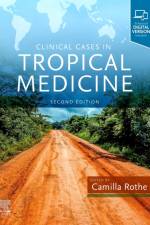
Helps you test your knowledge in tropical medicine. Boasting an easily accessible, highly templated format and full-color photographs throughout, this book is designed to help anyone in the field better identify the tropical diseases they'll encounter.
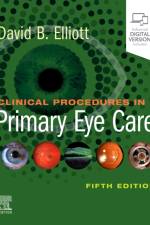
Helps you master all of the knowledge you need to support today's growing optometric patient population. Suitable for students and practitioners alike, this book takes a simple, step-by-step approach to describing the commonly used primary eye care procedures you'll encounter.
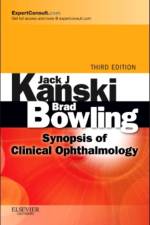
Suitable for the busy clinician and a review guide for those preparing for examinations, this title distills the essential information needed to quickly and accurately diagnose and manage a range of ophthalmic disorders.
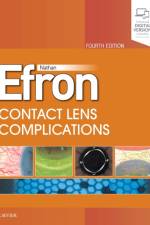
A guide to the ocular response to contact lens wear. It offers a clinician-friendly account of how to identify, understand and manage contact lens complications in modern-day practice.
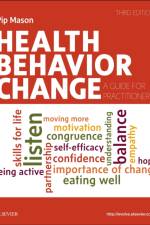
Presents a method which can be used to help patients change their behaviour in both hospital and community settings. This title outlines the fundamental principles behind the method while applying it to practice.
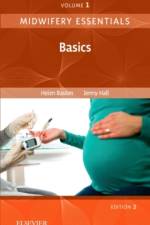
Part of the "Midwifery Essentials" series, this title helps the reader to understand and master a range of clinical skills safely. It introduces and explains the jigsaw model of midwifery care, providing a framework to explore the application of the various clinical skills.
Based on Midwifery basics articles published in The practising midwife journal.
Preceded by: Clinical neuroanatomy and neuroscience / M.J. Turlough FitzGerald, Gregory Gruener, Estomih Mtui. 6th ed. 2012.
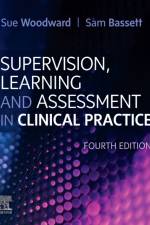
Mentoring, Learning and Assessment in Clinical Practice E-Book
This innovative textbook provides a concise and accessible guide for undergraduate students specializing in children and young people''s nursing in the UK and further afield. Each chapter has been fully updated to reflect current knowledge and practice. The wide range of topics covered includes all the essentials, such as contemporary child health policy and legal issues; knowledge and skills for practice; and caring for children with special needs. Students will learn how to recognize the deteriorating child, use procedural play and distraction, and consider the mental health of children and young people. A Textbook of Children''s and Young People''s Nursing is written by multidisciplinary experts, rooted in child-centred healthcare within a family context, and draws upon best contemporary practice. It is an invaluable resource that will help nursing students provide effective, evidence-based care. Key points, summary boxes and clearly defined aims, objectives and learning outcomes to support learning Conversation boxes to enliven the text Patient scenarios to relate theory to practice New chapters on skin health and the use of therapeutic play Suggestions for seminar discussion topics to help teachers Resource lists and online resources for further study or research Online slides to complement chapters within book
Abonner på vårt nyhetsbrev og få rabatter og inspirasjon til din neste leseopplevelse.
Ved å abonnere godtar du vår personvernerklæring.