







Gjør som tusenvis av andre bokelskere
Abonner på vårt nyhetsbrev og få rabatter og inspirasjon til din neste leseopplevelse.
Ved å abonnere godtar du vår personvernerklæring.Du kan når som helst melde deg av våre nyhetsbrev.

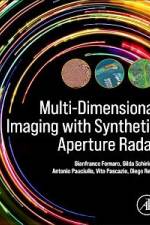
Multi-Dimensional Imaging with Synthetic Aperture Radar: Theory and Applications provides a complete description of principles, models and data processing methods, giving an introduction to the theory that underlies recent applications such as topographic mapping and natural risk situational awareness - seismic-tectonics, active volcano, landslides and subsidence monitoring - security, urban, wide area and infrastructure control. Imaging radars, specifically Synthetic Aperture Radar (SAR), generally mounted onboard satellites or airplanes, are able to provide systematic high-resolution imaging of the Earth's surface. Recent advances in the field has seen applications to natural risk monitoring and security and has driven the development of many operational systems.
Photochemistry and Photophysics of Coordination Compounds: Fundamentals and Applications provides a systematic overview of the photochemical and photophysical properties of coordination compounds with different metal cores. Beginning with a clear introduction to the fundamentals of both photochemistry and coordination chemistry, the book goes on to outline the photochemical and photophysical properties of a large range of coordination compounds, clustering metal cores together in chapters according to their period table group, ranging across Transition metals, Lanthanides and Actinides. In addition to outlining their properties, each chapter discusses the synthesis, current applications and future potential of coordination compounds in each group.Drawing on the experience of a global team of experts, this book is an authoritative guide for all those interested in understanding and harnessing the photochemical properties and potential applications of coordination complexes for their own work.
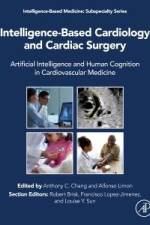
Intelligence-Based Cardiology and Cardiac Surgery: Artificial Intelligence and Human Cognition in Cardiovascular Medicine provides an especially timely multidisciplinary and comprehensive survey of artificial intelligence concepts and methodologies. It includes real-life applications in adult and pediatric cardiovascular medicine, spanning the life span from fetus to adult. Led by a senior cardiologist-data scientist and supported by renowned data scientists and cardiac clinicians with an ardent passion for artificial intelligence in cardiovascular medicine, the book provides a clinical interface between the medical and data science domains that is symmetric and realistic.The content consists of basic concepts and applications of artificial intelligence and human cognition in cardiology and cardiac surgery. This portfolio ranges from big data to machine and deep learning, as well as cognitive computing and natural language processing in cardiac disease states such as heart failure, hypertension, and pediatric cardiac care. Artificial intelligence tools are described from the intensive care unit setting to other venues, such as the outpatient clinic, catheterization laboratory, and operating room. Future applications in related areas, such as large language models, extended reality, and digital twins, are also discussed. The book encompasses more than 50 chapters written by cardiologists or cardiac surgeons. Each chapter provides sections on the current state of the art and future directions and concludes with major takeaways. A robust compendium of practical resources, such as a comprehensive glossary, best references, and other resources, is also included.The book narrows the knowledge and expertise chasm between data scientists, cardiologists, and cardiac surgeons, inspires these clinicians to embrace artificial intelligence methodologies, and educates data scientists about the cardiac ecosystem to create a transformational paradigm for cardiovascular healthcare that improves patient outcomes.
Description based on volume 2, published 2022.
Description based on volume 2, published 2022.
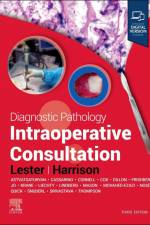
This expert volume in the Diagnostic Pathology series is an excellent point-of-care resource for practitioners at all levels of experience and training. Edited by Drs. Susan C. Lester and Beth T. Harrison, it is uniquely organized by the questions surgeons pose during intraoperative consultations, such as "Is the bronchial margin positive or negative?¿ or "Can this liver be used for transplantation?¿ among many others. This fully updated volume is the most comprehensive and targeted resource available in this time-sensitive area, covering more than 70 questions supported by tables, diagrams, radiographs, and photographs. Concisely written and easy to use, Diagnostic Pathology: Intraoperative Consultation, third edition, is a visually stunning, one-stop resource for every practicing pathologist, resident, student, or fellow as an ideal day-to-day reference or as a reliable training resource. Contains new chapters on the evaluation of sentinel lymph biopsies for gynecologic malignancies, the evaluation of margins from cervical resections, the use of artificial intelligence for intraoperative consultation, and the use of ex vivo microscopy to evaluate gross specimens without the need for freezing tissue Includes a revised Safety Precautions chapter with details on evaluating specimens from patients with COVID-19 Features updated images and text throughout to align with updated terminology and methods Includes videos showing special techniques such as identifying radioactive seeds in breast biopsies and evaluating lung margins containing staples by frozen section Provides updated and expanded introductory and methods chapters in addition to more than 70 chapters based on questions posed by surgeons during intraoperative consultations Features more than 2,200 print and online images, including carefully annotated histology and gross pathology photos, full-color illustrations, clinical photographs, and radiologic images to help practicing and in-training pathologists reach a confident diagnosis Employs consistently templated chapters, bulleted content, key facts, a variety of tables, annotated images, pertinent references, and an extensive index for quick, expert reference at the point of care Includes the enhanced eBook version, which allows you to search all text, figures, and references on a variety of devices
Rearrangements with Migration to Electrophilic Heteroatomic Centers: Timeless Classics in Organic Synthesis covers the basic principles and synthetic applications of a critically important class of organic reactions that date back to the founding period of organic chemistry. These reactions are not only of historical and pedagogical interest, but also have great practical value to this day, being inevitable in any strategy concerning the introduction of nitrogen and oxygen functionality. The book is made up of three parts, dealing with the Beckmann reaction, the Hoffmann family of reactions and the Baeyer-Villiger reaction.The book strikes a balance between delineation and exhaustiveness, with up-to-date refences for readers requiring in-depth coverage. Relevant industrial applications, including pharmaceutical processes, are included.
Indian Geological Sequences: Salient Features and Major Events focuses on the first ever differentiation of the entire Indian record into a five tier hierarchical succession of geological sequences - five giga to 12 mega to 25 1st order to 68 2nd order to over 100 3rd order ones as its basic skeleton. Using the developed grid of sequence timelines, the diverse inter-disciplinary geological manifestations on the broad tectono-stratigraphically homogeneous supra-region of GTM (Gondwanian Tethyan Margin from Arabia to Australia) have been mutually integrated towards chronicling of events with precision never ever realized earlier. The giga-sequences GS-I to GS-IV comprising eight mega-sequences MS-I to MS-VIII deal with the Precambrian in brief. GS-V (¬ 635 ma onward) MS-IX (¬ 635-444 ma) and MS-XII (¬ 61.6 onward) include orogenies while MS-X (¬ 444-259 ma) and MS-XI (¬ 259-61.6 ma) are dominated by dismemberment tectonics. The prime focus is on the correlation of events across scores of sedimentary basins from outcrop to subsurface, onshore to offshore, marine to non-marine, shallow to deep water, plant to animal, micro to macro-fossils, and Proto-Paleo-Neotethys to Indian Ocean. Among the major Phanerozoic events time precised are the ¬ 500 ma Acantha Zone mega MFS accretion of the then alien TH to the Indian margin, and the ¬ 50 ma P8 Zone mega MFS impingement of India on Asia while the important dismemberment events include the ¬ 159 ma late Middle Oxfordian Orientalis Zone Schilli Subzone 1st order MFS initiation of the Indian Ocean which culminated in steps with oceanic separation of Sri Lanka from Antarctica at the ¬ 107 ma early Middle Albian Dentatus Zone mega MFS, ¬ 90 ma 1st order SB initiation of separation of Madagascar so also of Mascaranes basin, NER, Central Indian basin, Wharton basin, separation of Greater Seychelles from India at the ¬ 64.5 ma intra Danian 2nd order Quadratus Zone MFS and ¬ 24 ma Complanata Zone MFS thrusting due south of Greater Himalaya upon Lesser Himalaya. Indian Geological Sequences: Salient Features and Major Events is a valuable reference for researchers and scientists in the field of Earth Sciences.
Learn to manage the physical and psychological well-being of your feline patients with Feline Behavioral Medicine: Prevention and Treatment. From house soiling problems to aggression, this all-new reference offers detailed guidance on assessing, treating, and preventing the full spectrum of feline behavioral problems. Material is organized by both topic and life stage for quick access to the information you need. Plus its incorporation of patient education materials, instructive images, and the latest AAFP guidelines, makes it an invaluable addition to any vet clinician?s library. "e;This book ... will undoubtedly become THE reference in that very specific field."e; Reviewed by: Fabienne Dethioux on behalf of Royal Canin: Vets Today, January 2016 UNIQUE! Focus on the prevention of behavior problems is found throughout the majority of the book to show clinicians how to incorporate behavioral considerations into general practice. Comprehensive, holistic care fusing the physical and psychological well-being of feline patients serves as a foundation for all content. International team of expert contributors provides in-depth, authoritative guidance using the most up-to-date information available. Updated information on preventive advice and treatment recommendations follows the guidelines set forth by the AAFP. Client handouts and behavior questionnaires in the book help vets clearly communicate with clients about their cat's behavior.
Guest Editor Gary Osweiler presents a comprehensive look at ruminant toxicology. Topics will include biofuels co-products tolerance and toxicology for ruminants, diagnostic toxicology for ruminants, metal/mineral poisoning and interactions, reproductive toxicants in forage and grain crops, ruminant mycotoxicoses, antidotes and therapy for ruminant toxicants, western plant hazardous to ruminants, southeastern toxic plants affecting ruminants, northeastern plants toxic to ruminants, industrial and commercial products affecting ruminants, water quality and ruminant health and productivity, ,and much more!
A comprehensive review of therapeutics and control of sheep and goat diseases for the food animal practitioner! Topics include pharmaceutical control of reproduction in sheep and goats, drug laws and regulations in sheep and goats, treatment and control of peri-parturient metabolic diseases in sheep and goats, treatment and control of mastitis and contagious agalactia, control of important clostridial diseases of sheep, treatment and control of ectoparasites in small ruminants, treatment and control of respiratory disease in sheep, treatment of emergency conditions in sheep and goat, control of brucella ovis infection in sheep, non-pharmaceutical control of endoparasitic infections of sheep, anaesthesia and analgesia in sheep and goats, control of paratuberculosis in sheep and goats, pharmaceutical control of endoparasitic infections in sheep, treatment and control of hoof disorders in sheep and goats, and much more!
Articles in this issue include: "e;Low Back Pain: Health Care Dilemma "e;Anatomic and Biomechanical Principles of the Lumbar Spine "e;Diagnosis of Low Back Pain: Imaging and Electrodiagnostics "e;Axial Low Back Pain: Disc, Posterior Element, Sacroiliac Joint as Pain Generators "e;Radicular Pain "e;Myofascial Pain and Referral Patterns "e;Osteoporosis and Compression Fracture "e;Exercise for Low Back Pain "e;Pharmacologic Treatment for Low Back Pain "e;Complementary and Alternative Medicine Treatments for Low Back Pain "e;Interventional Treatments for Low Back Pain - General Risks "e;Epidural Steroid Injections "e;Z-joint and SIJ Intra-Articular Injection and Diagnostic Blocks "e;Radiofrequency Neurotomy "e;Discography/IDET/Biaculoplasty "e;Vertebroplasty/Kyphoplasty "e;Pumps/Stims "e;Chronic Low Back Pain and Psychosocial Issues."e;
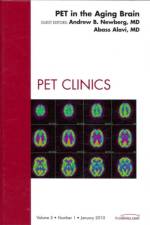
PET imaging has shown its value in diagnosing diseases affecting older people. Most significantly this has been with regard to the diagnosis of Alzheimer's disease and other forms of dementia. Parkinson's disease is another condition in which PET has proved valuable. This issue also included articles on the uses of PET for diagnosing cerebrovascular disease and for assessing neuroplasticity.
This issue examines what is a healthy aging brain and covers preventive measures for succesful cognitive aging. Topics covered include: A road map to healthy aging brain; Cardiovascular risk factors, cerebrovascular disease burden and healthy aging brain; Healthy aging brain: Impact of head injury, alcohol and environmental toxins; Healthy aging brain: What has sleep go to do with it?; Endocrine aspects of healthy aging brain; Healthy aging brain: Role of exercise and physically active lifestyle; Healthy aging brain: Role of nutrition and nutritional supplements; Healthy aging brain: Role of cognitive reserve, cognitive stimulation and cognitive exercises; Healthy aging brain: Impact of positive and negative emotions; Dementia risk predictor. Are we there yet?; Potential future neuroprotective therapies for neurodegenerative disorders and stroke; Healthy aging brain: Importance of promoting resilience and creativity.
This publication deals with practice issues in Facial Plastic Surgery. Top consultants to cosmetic surgeons present topics of absolute value in the current economy. Topics include: Creating a Culture of Accountability in the Office; Office Managers' Forum; The Art of the Successful Consultation; Electronic Medical Record - Something to Consider; Establishing a Profitable Skin Care Practice in a Plastic Surgery Office; 9 Worst Advertising Mistakes; The Value of One Patient; 5 Secrets to Leveraging Maximum Buying Power with Your Media Project; Auditing your practice: Non-financial variables to survive, or thrive; Showcase your service: Social Media and Marketing Basics in a Dynamic, Over-Populated, Mixed-Message, and Highly Competitive World; Retailicine, Somewhere Between Retail and Medicine; Shifts Happened - Time to Optimize your Practice; Essential Marketing Tips: Build Your Own Brand one Step at a Time; Being a Responsible Leader; Tips to Get You Busy; Internet Marketing.
This issue of Endocrinology and Metabolism Clinics of North America provides the endocrinologist with essential updates on treatment of type 1 diabetes, with an eye toward future trends and developments. The Guest Editors brought together a remarkable group of notable authors, such as Paul Robertson, President of the National Diabetes Association. Topics covered include epidemiology; economics; contemporary management; inpatient management; update on insulin pumps and continuous glucose monitoring systems; update on studies aimed at interdicting and preventing type 1 diabetes; advances in the prediction, natural history, and mechanisms leading to type 1 diabetes; complications; hypoglycemia in type 1 diabetes; new lessons from animal models; the role of the gut in the genesis of type 1 diabetes and other autoimmune diseases; and an update on transplantation for reversing type 1 diabetes.
The latest edition of this must-have text book promises an evidence-based and practical approach covering the very latest in cardiorespiratory care. The textbook covers a wide range of cardiorespiratory conditions and discusses treatment of patients in different clinical settings such as critical care, the ward area and out-patient departments. It begins with physiology and pathology and progresses into a detailed patient assessment section and a discussion of specific respiratory and cardiac conditions. The final section covers different groups of people who may require physiotherapy such as infants, children, and adults with specific conditions including a considered section on palliative care. Critical thinking is facilitated by clinical reasoning boxes in the text, and problem-solving is aided by case studies at the end of each chapter. There are also relevant practice tips to enable transfer of learning into the clinical environment. The text is supported by over 280 line drawings and diagrams along with over 70 x-rays and photographs to further illustrate the points under discussion. Q & A case studies, with scans and x-rays Outcome measures for problems and diseases Boxes with learning and practice tips to encourage reflection Tables with definitions, normal values and comparisons Practical techniques described with precision Expanded cardiovascular section Updated practical details on physiotherapy techniques Extra chapters on surgical complications and interventions Comprehensive coverage of Critical Care procedures and rehabilitation Practicalities of the management of children and infants Update on the evaluation of outcomes
This established text covers the full range of obstetric ultrasound examinations that a sonographer would be expected to perform in a general hospital or secondary referral setting, and is the only text that combines the practicalities of learning how to perform these examinations with the information needed to carry them out in a clinical setting. It encourages students to think about their practice and provides the sonographer with the necessary tools to provide a 'gold standard' service.
Comprehensively revised and expanded with vital new content, the second edition of Medical Acupuncture continues to explore the realistic integration of acupuncture into conventional medicine. Advocating the Western medical acupuncture approach (WMA), this science-based compendium provides the trained practitioner with all the latest research on the effectiveness of WMA and its associated mechanisms, techniques, clinical practice and evidence. Medical Acupuncture demonstrates a variety of needling techniques and clinical applications within the context of WMA and its evolution from traditional Chinese acupuncture using current knowledge of anatomy, physiology and pathology alongside the principles of evidence-based medicine. Split into seven sections the book begins by establishing the roots of WMA in the Introduction and then progresses on to describe the mechanisms of action in Section 2, including peripheral components of stimulation and evidence from neuroimaging. Sections 3 and 4 cover clinical approaches (eg, superficial needling, electroacupuncture, safety of acupuncture) and techniques related to acupuncture (TENS, laser therapy). Section 5 takes a closer look at the difficulties faced by trials and reviews while Section 6 goes on to showcase 21 clinical uses of WMA, ranging from chronic pain, mental health, obstetrics and primary care to sports medicine, respiratory conditions and neurology. The final reference section contains dermatome/myotome maps, meridian/channel charts and standard international nomenclature. Comprehensive coverage of the scientific evidence and clinical application of acupuncture in medicine Balances the genuine benefits of acupuncture against unfounded claims Presents a wide range of treatable conditions from psychiatry and palliative care through to the pain clinic and veterinary medicine Clinical points boxes highlight key knowledge and learning Illustrated with over 130 drawings and photographs Content restructure and overhaul with contributions from over 40 world leading experts Individual chapters on the use of acupuncture for a wide range of medical conditions including gynaecology and infertility, cancer and palliative care, drug dependence, obesity, sports medicine, dentistry and veterinary practice Updated with the latest scientific evidence Expanded information on neuroanatomical and neurophysiological considerations in relation to the mechanisms of acupuncture
PRINT (PoD): Book comprising an edited collection of case studies illustrating key challenges in veterinary businessmanagement - the "e;RVC Case Series"e; (with the possibility of being branded 'in association with Norbrook Laboratories') . The cases are based on real veterinary businesses within the broader veterinary sector both nationally and internationally. Each case within the book would be around 4,000 - 5,000 words in length, authored by a leading veterinary or business academic and supported by web-based comprehensive teaching and learning notes. Cases submitted from ALL UK vet schools and from selected European and US examples.The cases will be peer reviewed and edited by Professor Colette Henry at the Royal Veterinary College (RVC). Each case to platform a particular theme or group of themes relevant to the effective and practical management of a veterinary/veterinary-related business. A second section comprises an edited research monograph platforming key veterinary business/management topics -written by leading academics in veterinary, business and management disciplines from a range of universities and colleges, this section comprises empirically and conceptually based research contributions that discuss contemporary issues in the field of veterinary business management.
Now in full color, Maxillofacial Surgery, 3rd Edition covers the entire specialty of maxillofacial surgery, including craniofacial deformity, oral surgery, trauma, and oncology. Unlike other OMFS texts where the contributors are singly boarded in oral surgery, this richly illustrated text boasts OMFS contributors who are all dual boarded in both oral surgery and medicine. Thoroughly updated with evidence-based content, it addresses the advances in technology and procedures providing oral and maxillofacial surgeons with new and exciting treatment options. And with print and digital formats, it is easy to use in any setting. Authoritative guidance on oral and maxillofacial surgery by internationally recognized experts in the field. 2,800 illustrations, including radiographs and full color artwork and clinical photos, provide clinicians and OMS residents with a clear visual guide to diagnoses, key concepts, and surgical techniques, as well as examples of preoperative and postoperative results. A multidisciplinary approach reflects the best practices in the disciplines of oral and maxillofacial surgery, head and neck surgery, plastic surgery, and otolaryngology. Covers contemporary techniques and technological advances at the forefront of maxillofacial surgery. Evidence-based content supports the newest, most up-to-date diagnostic and therapeutic options available for a wide variety of clinical problems. Key Points and Pitfalls boxes clearly identify the most important information, as well as potential problem areas that can arise when treating patients. Available in print and digital formats that can be easily accessed via mobile tablets and smart phones in any setting, making it perfect for the modern student of surgery. NEW! Full-color images clearly depict pathologies, concepts, and procedures. EXPANDED and UPDATED! Expanded from 82 to 111 chapters with thoroughly revised content that reflects current information and advances in OMS, so clinicians and students can depend on this text as their go-to resource on oral maxillofacial surgery. NEW! 29 new state-of-the-art chapters covering new topics, including the salivary glands, thyroid and parathyroid glands, tissue engineering, navigational surgery, 3D modeling, and lasers in OMFS. NEW! Two new editors, Professors Brennan and Schliephake, and new section editors and contributors have helped bring advances in the field of oral and maxillofacial surgery and offer a fresh perspective. UPDATED! Expanded chapter on cancer keeps you in the know.
Palpation is an important aspect of clinical examination and one which allows the careful selection of the most appropriate manual therapy technique or manoeuvre. The new edition of this highly successful volume contains over 600 clear and precise photographs and colour artworks together with over 150 'pull out' boxes to act as valuable aide memoires. Each illustration clearly shows the surface investigation of the different anatomical structures (which include bones, ligaments, tendons, muscles and elements of the neurovascular system) each accompanied by a succinct technical description. Practical and authoritative, it is hoped that this volume will be of use to all students and practitioners involved with the manual therapies. All new artwork programme enhances accessibility and learning Useful template approach aids ready understanding and allows the reader to go at his or her own speed Presents almost 600 photographs and line artworks to render the learning experience as easy as possible Contains over 160 pull out boxes to act as useful aide memoires Clinical Hints and Tips boxes indicate points of relevance for the clinic Addition of a wider range of skeletal images to provide extra information [e.g. the individual vertebrae are now included alongside the composite spine] Addition of new Clinical Information boxes to highlight 'clinical nuggets'. Artwork programme redrawn to improve clarity and uniformity of approach Inclusion of the relevant dermatomes (i.e. an area of skin that is mainly supplied by a single spinal nerve).
The 3rd edition of PACES for the MRCP has been fully revised and updated throughout to retain its pole position as the textbook to accompany core medical training (CMT) and prepare candidates for success in the Practical Assessment of Clinical Examination Skills and a future specialty career. Features Fully revised for the new Station 5 and completely updated throughout. Promotes understanding and deeper learning of modern medicine applicable to PACES and the specialist registrar. Emphasis on clinical assessment - history-taking, examination and communication skills - equipping candidates with appropriate differential diagnoses from which to develop the right diagnosis. Encourages candidates to question why a diagnosis has arisen and consider its consequences. For example, 'Heat failure' is a not a diagnosis until a candidate has considered the differential diagnoses of breathlessness and decided why heart failure is most likely, and then considered its cause (not always ischaemic heart disease), its presentation (acute, chronic, left or right ventricular or both) and, most importantly, the effects of it and its treatments on a patient's life. This 3rd edition of PACES for the MRCP continues to provide fully revised, up-to-date, evidence-based coverage of investigations and treatments. Whilst the emphasis of PACES is on clinical skills, candidates who understand when, for example, a patient with rheumatoid arthritis might benefit from a biologic agent and how this will influence inflammatory disease, is better equipped for success. A one-volume text giving candidates complete preparation for the PACES exam within one portable volume 250 cases organised into the 5 stations of the PACES exam - respiratory and abdominal system, history taking, cardiovascular and nervous system, communication and ethics and skin, locomotion, eyes and endocrine systems Engaging question-and-answer approach at the end of each case - excellent preparation for the exam Boxed tips highlight vital information - helps identify what is most important to remember Produced in full colour throughout Colour coding for each station Many more illustrations added - now over 300 clinical photographs and line drawings in colour Many more cases added, bringing the number up to 250 - 50 per station History-taking and communication skills stations now revised so that they exactly mimic the requirements of the exam
The legacy of Geoff Maitland and his seminal work, Vertebral Manipulation, continues in this eighth edition, with Elly Hengeveld and Kevin Banks leading an international team of experts who demonstrate how to manage vertebral neuromusculoskeletal disorders using the principles and practice of the Maitland Concept. Together, they ensure the heart of the Concept beats on by promoting collaborative decision-making with the patient at centre and emphasizing the art and science of observation, listening, palpation and movement skills. A key feature of the new edition focuses on a more evidence-based and analytical view of the role of mobilization and manipulation in clinical practice The authors have written in a way that reflects their application of the Maitland Concept and how they have integrated techniques in the light of advancement in professional knowledge. Each chapter stands alone as a 'master class'. The text is systematically arranged focusing on detailed assessment, clinical reasoning and re-assessment to determine the physical dysfunction and efficacy of manipulative physiotherapy techniques, while also advocating continuous communication and interaction. Techniques of passive mobilization are also described, specifically designed around the individual patient's condition. All the chapters are written from a clinical perspective and review the evidence which informs how to deal with and manage spinal and pelvic pain as they present to the practitioner. Furthermore, each vertebral region (cervical, thoracic, lumbar, sacroiliac/pelvic) is considered from the point of view of best practice in analysing and hypothesising subjective data, examination, treatment and management of spinal pain conditions. Brand new to the eighth edition is the addition of a companion website - Maitland's Manipulation eResources (www.maitlandsresources.com) - providing access to a range of valuable learning materials which include videos, MCQs, interactive case studies, research links, and bonus chapters World-leading experts provide evidence relating the Maitland Concept to clinical practice Evidence supporting practice Covers both subjective and physical examination Best practice management using mobilization and manipulation Case studies - how and when to integrate the Maitland Concept into clinical practice Chapter-based learning outcomes, keywords and glossaries Companion website - Maitland's Manipulation eResources (www.maitlandsresources.com) Expert perspectives and supporting evidence Case studies Companion website - www.maitlandsresources.com - containing: Video Bank of over 480 video clips showing examination and treatment techniques Image Bank of over 1,000 illustrations Interactive case studies Over 200 MCQs Bonus chapters on additional principles and techniques of examination / treatment Weblink references to abstracts
Equine Behavior: A guide for Veterinarians and Equine Scientists is the quintessential reference for all who really want to know what makes horses tick.Research in horse behavior has made great strides in recent years. This book examines the truth behind modern trends and ancient traditions. Full of insight, it rounds up the latest findings of practitioners and researchers from all over the world, drawing on both cutting-edge research and best practice. With more than 1,000 references, the book explores equine behavior from first principles, by considering the behavior of free-ranging horses and focusing on ways in which management and training influence the responses of their domestic counterparts. Equine physicians, trainers, handlers and owners all need to be students of equine behavior, because the first sign of a problem is often a change in behavior. So, whether you own, ride, lead, groom, feed or heal horses, what you observe is vital to your understanding.Behavioral problems in the stable and under saddle are a grave concern for equine veterinarians worldwide, because they can lead to poor performance, welfare issues, abuse and, ultimately, wastage. Traditionally, veterinarians gave priority to the physical health of their equine patients. This book is a unique attempt to demonstrate the way science can throw light on how and why problems and unwelcome behaviors arise. It also offers ways to bring about change for the better.Beautifully illustrated with more than 500 photographs and line diagrams, Equine Behavior: A guide for veterinarians and equine scientists is an essential resource for practising veterinarians, students and enthusiasts with a specific interest in horses, ponies, and donkeys. Professional trainers and handlers, equine scientists and behavior therapists will also find its contents invaluable.Paul McGreevy is Senior Lecturer in Animal Behavior at the University of Sydney's Faculty of Veterinary ScienceFeatures a practical, hands-on approach to all aspects of equine behaviorDiscusses all factors that effect equine behaviorContrasts normal behavior with abnormal behaviorReviews all behavioral problemsLists and reviews the latest drug therapiesAddresses difficult-to-treat clinical problems such as head-shaking, with insights from the leading researcher in this areaProvides a brief clinical evaluation of 'horse-whispering'Illustrates the key behavioral differences between horses and donkeys
Worried about your Mental Health placement? Will you fit in? Will you have the right skills? What do you need to learn for practice assessments? This book will help you with all these concerns. It will tell you what to expect from the placement, what you can learn, how to link theory and practice, and how to make the most of your learning opportunities. Placement Learning in Mental Health Nursing covers the following areas: A logical, step-by-step approach to preparing for a mental health placement Helps make the most of learning opportunities Explains how to develop mental health competencies Narratives from other students describe what the placement will really be like Honest discussion of the challenges of a mental health placement to help avoid problems Advice on possible approaches to situations that may arise Keeps the aim of recovery as a central philosophy in line with contemporary thinking in mental health services. Takes a logical, step-by-step approach to preparing for learning on a mental health placement Introduces the principles of care, support and treatment of an individual with mental health problems, linking university-learned theory to practice Uses narratives from other students to describe what the placement will really be like Highlights potential learning opportunities and experiences available on a mental health placement Explains how to develop your clinical portfolio by completing specific exercises and activities Maps all activities and exercises to the NMC competencies Discusses the possible challenges that may arise during a mental health placement and advises on approaches to a range of situations Keeps the aim of recovery as a central philosophy in line with contemporary thinking in mental health care. Series features: A unique guide to getting the most from clinical placements How to prepare for your placement What you can expect to learn during a placement Clear links to, and examples of, achieving NMC competencies Guidance on what to use as evidence for your portfolio Case studies that link theory with practice How to consolidate your experience and learn from the placement Tips, activities, further reading suggestions and useful websites.
New edition of a successful book of concise notes on clinical aspects of the examination for the Fellowship of the Royal College of Anaethetists. It has been fully updated to reflect changes in the examination syllabus. This will be an ideal revision guide for trainee anaesthetists sitting the FRCA and similar examinations.Concise notes for the clinical part of the FRCA.Appendix covers the up to date syllabus for the examination.Incudes appropriate guidelines and reports from the Association of Anaesthetists.Each section ends with list of further reading.
This book is the companion volume to Duncan: FOUNDATIONS FOR PRACTICE IN OCCUPATIONAL THERAPY, 5e and provides a comprehensive guide to the practice applications of the theory base. It is designed to be a "e;basic and beyond"e; text, of value to students throughout their studies but also a valuable reference text to clinicians. The sections cover the following essential skills for effective occupational therapy practice: clinical skills, management and leadership skills, evidence-based and research skills, and thinking, judgement and decision-making skills.Links theory and evidence-base, and is also practicalEach chapter follows same basic structure (same format as Foundations)Each chapter contains practical examples and/or vignettesNew addition of highlight boxes in each chapter gives the main points in bullet format for ease of access to students new to the areaWell referenced
The fifth edition of this seminal textbook continues to provide those who are studying or are in practice with comprehensive evidence-based coverage of all the main aspects of respiratory and cardiac physiotherapy throughout the whole lifespan - neonates, infants, children, adolescents and adults - with the patient at centre and advocating a problem-based approach. For the new edition, Jennifer Pryor and Ammani Prasad hand the baton of editorship and their lasting legacy over to Eleanor Main and Linda Denehy. With a team of over 60 international expert authors, the new editors have incorporated major changes reflecting current cardiorespiratory physiotherapy education and practice. These changes are heralded by a new title - Cardiorespiratory Physiotherapy: Adults and Paediatrics (formerly Physiotherapy for Respiratory and Cardiac Problems: Adults and Paediatrics) - and a significant restructure of the content with a new set of chapters. A new key chapter on anatomy and physiology of the respiratory system lays the foundation which is then followed by a chapter on clinical assessment of adults, infants and children, and acutely ill or deteriorating patients. Additional new content includes a chapter on outcome measurement in practice and a large chapter describing rehabilitation in acute and chronic conditions in special populations including spinal cord injury, oncology, trauma and paediatrics. The chapter on therapeutic interventions is comprehensive and reflective of evidence based practice. Integrates evidence with clinical practice Case studies used to facilitate problem solving Boxes throughout highlighting key issues and points Emphasizes the need for a holistic approach to patient care Bank of 350 images on Evolve Resources. Log on to https://evolve.elsevier.com/Main/cardiorespiratory and register to access. Newly appointed editors - Eleanor Main (UK) and Linda Denehy (Australia) Content restructure and overhaul with contributions from over 60 world leading experts Chapters on: Anatomy and physiology of the respiratory system Clinical assessment of the adult, infant/child and the acutely ill/deteriorating patient Outcome measurement in practice Therapeutic interventions Managing special populations Over 180 new figures including additional full-colour photographs
Abonner på vårt nyhetsbrev og få rabatter og inspirasjon til din neste leseopplevelse.
Ved å abonnere godtar du vår personvernerklæring.