


Gjør som tusenvis av andre bokelskere
Abonner på vårt nyhetsbrev og få rabatter og inspirasjon til din neste leseopplevelse.
Ved å abonnere godtar du vår personvernerklæring.Du kan når som helst melde deg av våre nyhetsbrev.

Master the diagnosis and effective treatment of veterinary neurologic disorders! de Lahunta''s Veterinary Neuroanatomy and Clinical Neurology, 5th Edition provides in-depth coverage of the anatomy, physiology, and pathology of the nervous system. With this knowledge, you will be able to accurately diagnose the location of neurologic lesions in small animals, horses, and food animals. Practical guidelines explain how to perform neurologic examinations, interpret examination results, and formulate treatment plans. Descriptions of neurologic disorders are accompanied by clinical case studies, photos and drawings, and radiographs. Written by neurology experts Alexander de Lahunta, Eric Glass, and Marc Kent, this resource includes hundreds of online videos depicting the patients and disorders described in the text. Logical case description format presents diseases in a manner that is similar to diagnosing and treating neurologic disorders in the clinical setting: 1) Description of the neurologic disorder; 2) Neuroanatomic diagnosis and how it was determined, the differential diagnosis, and any ancillary data; and 3) Course of the disease, the final clinical or necropsy diagnosis, and a brief discussion of the syndrome. More than 380 videos on a companion website hosted by the Cornell University College of Veterinary Medicine bring concepts to life and clearly demonstrate the neurologic disorders and examination techniques described in case examples throughout the text. More than 250 high-quality radiographs and over 800 vibrant color photographs and line drawings depict anatomy, physiology, and pathology, including gross and microscopic lesions, and enhance your ability to diagnose challenging neurologic cases. High-quality, state-of-the-art MRI images correlate with stained transverse sections of the brain, showing minute detail that the naked eye alone cannot see. A detailed Video Table of Contents in the front of the book makes it easier to access the videos that correlate to case examples. NEW case descriptions offer additional practice in working your way through real-life scenarios to reach an accurate diagnosis and an effective treatment plan for neurologic disorders. NEW! Content updates reflect the latest evidence-based research. NEW! Clinical photos and illustrations are updated to reflect current practice.
Offering essential, evidence-based practice guidelines specifically for the critical care setting, ICU Quick Drug Guide contains up-to-date information in a quick-access format. This portable handbook provides fast, accurate drug therapy information needed at the point of care, including expert advice throughout to help clinicians determine optimal pharmacological therapy. Offers a quick summary of current clinical guidelines to experienced clinicians while providing a simplified, focused guide to all entry level clinicians. Covers the wide variety of issues seen in the ICU, including sepsis and septic shock, venous thromboembolism, acute heart failure, anaphylaxis, arrhythmias, asthma and COPD, pain, infections, pancreatitis and liver failure, stroke, and many more. Begins each topic with a brief discussion of the disease state followed by drug tables that compare and contrast different treatment regimens, including pharmacokinetics, pharmacodynamics, drug interactions, contraindications, and hepatic/renal dosing.  Contains clinical pearls organized by the top disease states seen in the critical/acute care setting.  Provides practical and essential drug information from Dr. Jennifer Pai Lee, a clinical pharmacist with expertise in critical care and pharmacokinetics/pharmacodynamics.  Enhanced eBook version included with purchase. Your enhanced eBook allows you to access all of the text, figures, and references from the book on a variety of devices.
Ruth B. Purtilo appears first on the five previous editions.
Estimation and Control of Large Scale Networked Systems is the first book that systematically summarizes results on large-scale networked systems. In addition, the book also summarizes the most recent results on structure identification of a networked system, attack identification and prevention. Readers will find the necessary mathematical knowledge for studying large-scale networked systems, as well as a systematic description of the current status of this field, the features of these systems, difficulties in dealing with state estimation and controller design, and major achievements. Numerical examples in chapters provide strong application backgrounds and/or are abstracted from actual engineering problems, such as gene regulation networks and electricity power systems. This book is an ideal resource for researchers in the field of systems and control engineering. Provides necessary mathematical knowledge for studying large scale networked systemsIntroduces new features for filter and control design of networked control systemsSummarizes the most recent results on structural identification of a networked system, attack identification and prevention
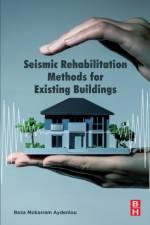
Seismic Rehabilitation Methods for Existing Buildings covers various structures, effective parameters in seismic improvement, and other factors in seismic loading in eight applied chapters with descriptive classification. The book offers guidance for a seismic rehabilitation project based on the interpretation of publications FEMA and Iranian seismic rehabilitation regulations no.360 . It includes real examples of completed and approved projects to stabilize the seismic improvement issues of existing buildings. Six perfectly executed examples, with complete refinement details, such as modeling, step-by-step improvement studies, and executive plans and seismic enhancement images are included. The book also explains the classification of non-structural element and how to carry out it''s seismic reconstruction studies and in one of the chapters, construction and soil improvement methods are discussed along with a practical example.The concepts of seismic rehabilitation in this book are presented with an Info-graphic structure that better fixes the concepts in the minds of readers so that when they face a new project, they have a more practical use of the content Provides a fully functional way to evaluate, model and present details of a seismic rehabilitation plan for a buildingPresents real seismic refurbishment models and step-by-step methods for providing examples (including images, tables and charts)
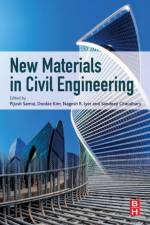
New Materials in Civil Engineering provides engineers and scientists with the tools and methods needed to meet the challenge of designing and constructing more resilient and sustainable infrastructures. This book is a valuable guide to the properties, selection criteria, products, applications, lifecycle and recyclability of advanced materials. It presents an A-to-Z approach to all types of materials, highlighting their key performance properties, principal characteristics and applications. Traditional materials covered include concrete, soil, steel, timber, fly ash, geosynthetic, fiber-reinforced concrete, smart materials, carbon fiber and reinforced polymers. In addition, the book covers nanotechnology and biotechnology in the development of new materials.Covers a variety of materials, including fly ash, geosynthetic, fiber-reinforced concrete, smart materials, carbon fiber reinforced polymer and waste materials Provides a "one-stop” resource of information for the latest materials and practical applications Includes a variety of different use case studies
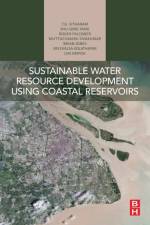
Coastal reservoirs are viewed in many regions of the world as an emerging concept of storing fresh water when the river basin is in flood. Similar reservoirs (or impoundments) can be used to generate tidal renewable energy and/or provide the catalysis for urban regeneration. Constructed near the coast in natural river basins, these reservoirs have a smaller environmental footprint and are less obstructive than inland dams. Written by an international group of Civil, Environmental, and Geotechnical Engineers, Sustainable Water Resource Development using Coastal Reservoirs discusses the latest research and breakthroughs in their use, while offering expert advice into their sustainable design and construction. The perfect reference for researchers exploring the feasibility of this emerging technology or experienced professionals who wish to implement this technology as a water scarcity solution or a tidal renewable energy source or for urban regeneration, Sustainable Water Resource Development using Coastal Reservoirs provides an expert resource to the design, construction and use of coastal reservoirs. The reference begins with a brief but readable examination of water quantity, quality design and geotechnical considerations. The book includes international case studies to clearly illustrate the various uses, design, planning, construction, and operation methods. These case studies include projects such as: Afsluitdijk in the IJsselmeer, (Netherlands), Zuiderzee (Netherlands), Thanneermukkom Bund (India), Sihwa (South Korea), Saemangeum, (South Korea), Chenhang (China), Plover Cove (China), and Marina Barrage (Singapore).Explores the feasibility/design implications for Coastal Reservoirs based on estimation of runoff, detailed assessment of water demand and estimation of water qualityProvides design schemes/procedures for the construction and operation of coastal reservoirsIncludes case studies to illustrate the design, planning, construction and operations of coastal reservoirs from around the world
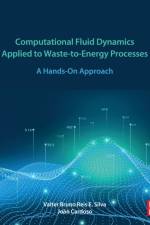
Computational Fluid Dynamics Applied to Waste-to-Energy Processes: A Hands-On Approach provides the key knowledge needed to perform CFD simulations using powerful commercial software tools. The book focuses on fluid mechanics, heat transfer and chemical reactions. To do so, the fundamentals of CFD are presented, with the entire workflow broken into manageable pieces that detail geometry preparation, meshing, problem setting, model implementation and post-processing actions. Pathways for process optimization using CFD integrated with Design of Experiments are also explored. The book''s combined approach of theory, application and hands-on practice allows engineering graduate students, advanced undergraduates and industry practitioners to develop their own simulations.Provides the skills needed to perform real-life simulation calculations through a combination of mathematical background and real-world examples, including step-by-step tutorialsPresents worked examples in complex processes as combustion or gasification involving fluid dynamics, heat and mass transfer, and complex chemistry sets
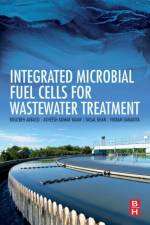
Current wastewater treatment technologies are not sustainable simply due to their high operational costs and process inefficiency. Integrated Microbial Fuel Cells for Wastewater Treatment is intended for professionals who are searching for an innovative method to improve the efficiencies of wastewater treatment processes by exploiting the potential of Microbial Fuel Cells (MFCs) technology. The book is broadly divided into four sections. It begins with an overview of the "state of the art" bioelectrochemical systems (BESs) as well as the fundamentals of MFC technology and its potential to enhance wastewater treatment efficiencies and reduce electricity generation cost. In section two, discusses the integration, installation, and optimization of MFC into conventional wastewater treatment processes such as activated sludge process, lagoons, constructed wetlands, and membrane bioreactors. Section three outlines integrations of MFCs into other wastewater processes. The final section provides explorative studies of MFC integrated systems for large scale wastewater treatment and the challenges which are inherent in the upscaling process. Clearly describes the latest techniques for integrating MFC into traditional wastewater treatment processes such as activated sludge process, lagoons, constructed wetlands, and membrane bioreactorsDiscusses the fundamentals of bioelectrochemical systems for degrading the contaminants from the municipal and industrial wastewaterCovers methods for the optimization of integrated systems
Together with Consulting Editor Dr. Bonita Stanton, Dr. Henry Roane has put together a comprehensive issue that addresses Pediatric Prevention. Expert authors have contributed clinical review articles on the following topics:  Pediatric Prevention: Foster Care; Pediatric Prevention: Feeding Dysfunction; Pediatric Prevention: Academic Behavior; Pediatric Prevention: Child Abuse; Pediatric Prevention: Severe Behavior Disorders; Pediatric Prevention: Dental Hygiene; Pediatric Prevention: Autism; Pediatric Prevention: Obesity; Pediatric Prevention: Tic Disorders; Pediatric Prevention: Sleep Dysfunction; Pediatric Prevention: Gun Safety; Pediatric Prevention: General Prevention; and Pediatric Prevention: Addiction.  Readers will come away with the clinical information they need to provide preventive care to pediatric patients.
Preceded by: The practice of nursing research / Susan K. Grove, Nancy Burns, Jennifer Gray. 7th ed. c2013.
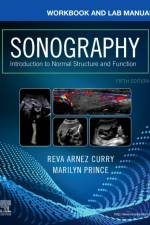
Review important sonography learnings with Curry and Prince''s Workbook for Sonography: Introduction to Normal Structure and Function, 5th Edition. This well-constructed review tool supports and completes the main text by providing an excellent introduction to sonography while preparing users to accurately identify sonographic pathology and abnormalities. Each workbook chapter opens with review questions on material from the corresponding chapter in the main text. Review questions are followed by drawings from the text - with parallel sonograms where appropriate - that include leader lines to label structures, but not the labels themselves. Workbook users will fill in the labels to identify structures in the drawings and sonograms, reinforcing visual and auditory learning from the text. Answers can be looked up in both the workbook appendix and by comparing the workbook figures to the labeled figures in the main text. Unlabeled line drawings and images from every chapter provide reinforcement of what you should be noticing on the scan. Direct correlation with each chapter from the main text enables immediate, thorough review of material. Review questions test your knowledge of the information learned in the text. NEW! Chapter on musculoskeletal sonography covers the latest use of ultrasound technology to visualize muscle, tendon, and ligament anatomy. NEW! Chapter devoted to pediatric sonography introduces you to the knowledge needed to work in this nascent specialty. NEW! Coverage of 5D technology familiarizes you with automated volume scanning. NEW! Updated content reflects the latest ARDMS standards and AIUM guidelines. NEW! Updated line drawings accompany new sonograms.
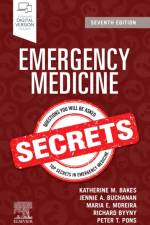
For more than 30 years, the highly regarded Secrets Series® has provided students and practitioners in all areas of health care with concise, focused, and engaging resources for quick reference and exam review. Emergency Medicine Secrets, 7th Edition, offers practical, up-to-date coverage of the full range of essential topics in this dynamic field. This highly regarded resource features the Secrets'' popular question-and-answer format that also includes lists, tables, pearls, memory aids, and an easy-to-read style - making inquiry, reference, and review quick, easy, and enjoyable. The proven Secrets Series® format gives you the most return for your time  - succinct, easy to read, engaging, and highly effective. Fully revised and updated throughout, including protocols and guidelines that are continuously evolving and that increasingly dictate best practices. New chapter on Professionalism and Social Media Applications. Expanded coverage of cost-effective emergency medicine, as well as weapons of mass destruction including chemical, biologic, and radiologic weapons; explosives; and tactical medicine. Top 100 Secrets and Key Points boxes provide a fast overview of the secrets you must know for success in practice and on exams. Bulleted lists, mnemonics, practical tips from leaders in the field - all providing a concise overview of important board-relevant content. Multiple-choice questions online provide opportunities for further self-assessment. Portable size makes it easy to carry with you for quick reference or review anywhere, anytime. Enhanced eBook version included with purchase. Your enhanced eBook allows you to access all of the text, figures, and references from the book on a variety of devices.
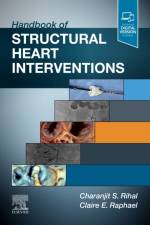
Advances in structural heart disease (SHD) is occurring at a rapid rate, and the Mayo Clinic is at the forefront of developing procedural techniques in this fast-changing field. Handbook of Structural Heart Interventions provides practical, focused coverage of SHD, bringing you up to date with today''s evidence-based techniques and approaches for common and uncommon SHD procedures. Ideal for both SHD trainees and established practitioners, attendings, and fellows in interventional cardiology, this easy-to-use handbook is a unique educational and clinical resource in a quickly expanding field. Uses a consistent format for procedures, clearly guiding you through the scope of the problem, procedure/technique, and outcomes. Employs a "building blocks” approach pioneered at Mayo as an effective training method for procedural learning. Includes training tips and pitfalls from leading structural heart authorities. Contains 550 full-color illustrations, including anatomy and step-by-step procedures.  Features separate sections on aortic valve interventions, mitral valve interventions, ventricular septal interventions, tricuspid valves, pulmonary valves, ACHD interventions, and miscellaneous/variable anatomic positions. Covers key procedures such as TAVR; valvuloplasty, valve-in-valve, and valve-in-ring; left atrial appendage closure; VSD closure, paravalvular leak closure, and more.  Provides access to 20 videos of interventional procedures, including PFO and ASD closure, assessment of patients for MitraClip, and aortic coarctation stenting. Enhanced eBook version included with purchase. Your enhanced eBook allows you to access all of the text, figures, and references from the book on a variety of devices.
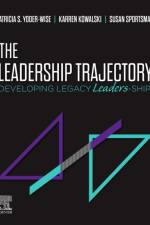
Designed to help you excel at every stage of your leadership path, this unique and practical text is organized around a nursing and health care leadership trajectory of three core areas - The Strategies, The Personal, and The Environment. The Strategies covers necessary actions that you need to take to become more influential in any environment to move yourself and your people to greater contributions. The Personal relates to the concepts that you must develop and hone to increase your influence. The Environment reinforces how you can exercise the strategies and personal factors in this leadership model through assessing the situations in which you find yourself. Reflection questions in each chapter emphasize the importance of the process being discussed as a strategy for growth and to facilitate active reading. LL Alert! boxes cite examples of actions and statements to avoid. LL Lineup summaries at the end of each chapter help you create an action plan related to the chapter topic. Practical approach features straightforward, concise content that addresses only the most relevant information on the subject of each chapter. The Strategies covers necessary actions that you need to take to become more influential in any environment to move yourself and your people to greater contributions. The Personal relates to the concepts that you must develop and hone to increase your influence. The Environment reinforces how you can exercise the strategies and personal factors in this model through assessing the situations in which you find yourself.
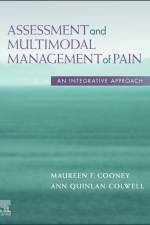
Learn best practices and evidence-based guidelines for assessing and managing pain! Assessment and Multimodal Management of Pain: An Integrative Approach describes how to provide effective management of pain through the use of multiple medications and techniques, including both pharmacologic and non-pharmacologic treatment regimens. A holistic approach provides an in-depth understanding of pain and includes practical assessment tools along with coverage of opioid and non-opioid analgesics, interventional and herbal approaches to pain, and much more. Written by experts Maureen F. Cooney and Ann Quinlan-Colwell, this reference is a complete, step-by-step guide to contemporary pain assessment and management. Evidence-based, practical guidance helps students learn to plan and implement pain management, and aligns with current guidelines and best practices. Comprehensive information on the pharmacologic management of pain includes nonopioid analgesics, opioid analgesics, and co-analgesics, including dose titration, routes of administration, and prevention of side effects. UNIQUE! Multimodal approach for pain management is explored throughout the book, as it affects assessment, the physiologic experience, and the culturally determined expression, acknowledgement, and management of pain. UNIQUE! Holistic, integrative approach includes thorough coverage of pain management with non-pharmacologic methods. Clinical scenarios are cited to illustrate key points. Equivalent analgesic action for common pain medications provides readers with useful guidance relating to medication selection.  Pain-rating scales in over 20 languages are included in the appendix for improved patient/clinician communication and accurate pain assessment. UNIQUE! Authors Maureen F. Cooney and Ann Quinlan-Colwell are two of the foremost authorities in multimodal pain assessment and management. Sample forms, guidelines, protocols, and other hands-on tools are included, and may be reproduced for use in the classroom or clinical setting.
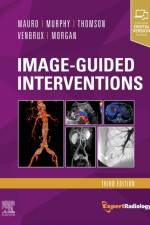
Completely revised to reflect recent, rapid changes in the field of interventional radiology (IR), Image-Guided Interventions, 3rd Edition, offers comprehensive, narrative coverage of vascular and nonvascular interventional imaging-ideal for IR subspecialists as well as residents and fellows in IR. This award-winning title provides clear guidance from global experts, helping you formulate effective treatment strategies, communicate with patients, avoid complications, and put today's newest technology to work in your practice
Volunteer work can make a difference to those harmed by natural, technological, and human-induced disasters if it is done well. Disaster Volunteers provides readers with information on why people volunteer, the benefits gained by volunteers and recipients, and how to leverage such good will. Learning from a variety of past disasters, readers will gain realistic insights into the challenges of disaster contexts. Equipped with evidence-based best practices, Dr. Phillips organizes and illustrates necessary steps to recruit, train, manage, reward, and retain volunteers throughout the life cycle of disasters. This important resource walks both organizations and individuals through the entire process of volunteer engagement from recruiting and training to managing as well as rewarding and retaining volunteers and provides an engaging and informative set of useful and evidence-based chapters. Disaster Volunteers fills an existing gap in books on volunteer disaster management by incorporating research, generating sound recommendations, grounding ideas in a disaster context, and offering an inviting set of examples from which readers can learn. Includes sample materials for use by emergency managers, emergency managers, civic and faith-based organizationsProvides case studies offering first-hand experiences that help bring the content to lifeIncludes stepwise advice to recruit, train, and retain a diverse set of disaster volunteers
Abonner på vårt nyhetsbrev og få rabatter og inspirasjon til din neste leseopplevelse.
Ved å abonnere godtar du vår personvernerklæring.