
Gjør som tusenvis av andre bokelskere
Abonner på vårt nyhetsbrev og få rabatter og inspirasjon til din neste leseopplevelse.
Ved å abonnere godtar du vår personvernerklæring.Du kan når som helst melde deg av våre nyhetsbrev.

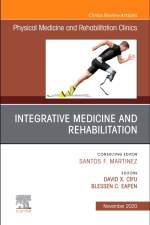
This issue of Physical Medicine and Rehabilitation Clinics, guest edited by Drs. David X. Cifu and Blessen C. Eapen, will discuss a number of important topics in Integrative Medicine and Rehabilitation. This issue of one of four issues selected each year by series Consulting Editor, Santos Martinez. Topics discussed in this issue include, but are not limited to: Acupuncture, Role of Nutrition in the Rehabilitation Settings, Lifestyle Medicine, Performing Arts Medicine, Mindfulness Based Interventions, Movement Based Therapies, Whole Medical Systems the Rehabilitation Setting, Autonomic Rehabilitation, Vitamins, Supplements, Herbs and Essential Oils, Functional Medicine, and Pain University, among other topics.
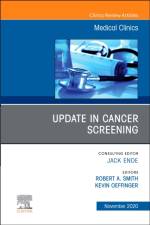
This issue of Medical Clinics, guest edited by Dr. Robert A. Smith and Dr. Kevin Oeffinger, is devoted to Cancer Screening and Prevention. Articles in this important issue cover the development of cancer screening guidelines, implementing cancer screening in the clinical setting, and screening for colorectal, lung, cervical, prostate, skin, and ovarian cancer.
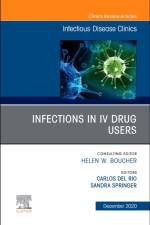
Together with Consulting Editor, Dr. Helen Bucher, Guest Editors Dr. Carlos Del Rio and Dr. Sandra Springer have put together an important monograph that addresses infections in IV drug users. They have selected top experts to contribute clinical reviews for infectious disease physicians. Articles are devoted to the following topics: Medical and Surgical management of Infectious endocarditis in persons who use drugs; The Microbiology Laboratory and the Opioid epidemic; The Geography of Infectious Diseases Related to the Opioid Epidemic; Soft tissue, bone and joint infections related to illicit drug use; Management of opioid use disorder and infectious disease in the inpatient setting; Outpatient antimicrobial and OUD management in persons who use drugs; Novel approaches to antimicrobials for injection drug use associated infections; HCV treatment and reinfection risk in persons who use drugs on medication treatment for OUD: A systematic review in CJS settings; Treating opioid use disorder and related infectious diseases in the criminal justice system; Harm reduction services to prevent and treat infectious disease in persons who use drugs; Improving the management of patients with chronic opioid therapy in the outpatient setting; The Global Task Force for Chronic Pain in People Living with HIV (PLWH): Developing a research agenda in an emerging field; and Lessons learned from the response to the HIV epidemic that can inform addressing the opioid epidemic. Readers will come away with the clinical information they need to treat and improve outcomes in these patients.
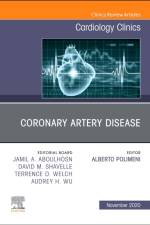
This issue of Cardiology Clinics will cover Coronary Artery Disease. Curated by Dr. Alberto Polimeni, this issue will explore topics in the field that are relevant for practicing clinicians. This issue is one of four selected each year by the series editorial board: Jamil A. Aboulhosn, David M. Shavelle, Terrence D. Welch, and Audrey H. Wu. The volume will include articles on: High sensitivity troponins in acute coronary syndromes, High bleeding risk patient with CAD, Complete revascularization in chronic coronary syndrome, Patient selection for protected PCI, Clinical applications of echo strain imaging in coronary artery disease, Mechanical circulatory support for cardiogenic shock, Impact of NO donors on atherogenesis and atherosclerosis progression, Non-invasive Imaging risk stratification for CAD, Antithrombotic therapy for patients with atrial fibrillation undergoing percutaneous coronary intervention, No-Reflow phenomenon, Coronary physiology assessment for the diagnosis and treatment of CAD, Bioresorbable coronary scaffold technologies, Non-coding RNAs in coronary artery disease, New advances in the treatment of severe coronary artery calcifications, and Refractory angina pectoris.
This issue of Sleep Medicine Clinics, guest-edited by Drs. Amen Sergew and Lisa F. Wolfe, focuses on Noninvasive Ventilation and Sleep Medicine. This issue is one of four selected each year by series Consulting Editor, Dr. Teofilo Lee-Chiong. Articles include: Obesity hypoventilation - Traditional vs Non Traditional Populations; Spinal cord injury; Peri-Operative Care and Medication Related Hypoventilation; Lifetime Care of Duchenne Muscular Dystrophy; Management of Chronic Respiratory Failure in COPD - High and Low Intensity Ventilation; Management of Rare Causes Pediatric Chronic Respiratory Failure; Noninvasive Ventilator Management of ALS - Bulbar vs non Bulbar; Parsonage Turner; Noninvasive Ventilator Devices and Modes; Tailoring the Sleep Lab for Chronic Respiratory Failure; Long-Term Follow Up of Noninvasive Ventilation: Downloads and Troubleshooting; Extubating to Noninvasive Ventilation - NIV from ICU to Home; and From Tracheostomy to Noninvasive Ventilation - NIV from Long Term Acute Care to Home.
This issue of Clinics in Laboratory Medicine, guest edited by Dr. A. Zara Herskovits, will cover Laboratory Testing for Neurologic Disorders. This issue is one of four selected each year by our Editor-in-Chief, Dr. Milenko Jovan Tanasijevic. Topics discussed in this issue will include: molecular approach to diagnostic testing for children with developmental delay and congenital anomalies, proteopathic and seeding assays (such as RT-QUIC), genetic testing for ALS and FTD, Diagnostic and prognostic testing for Alzheimer''s disease, confounds in the interpretation of paraneoplastic antibody panels, Review of neurologic disease sendout testing at an academic medical center, development of new diagnostic tests for neurologic disorders, assuring quality in laboratory testing for sendout reference tests, diagnostic testing for patients with spinal muscular atrophy, among others.
This issue of Anesthesiology Clinics, guest edited by Drs. Alison Perate and Vanessa Olbrecht, focuses on Pediatric Anesthesia. This is one of four issues each year selected by the series consulting editor, Dr. Lee Fleisher. Articles in this issue include, but are not limited to: The Pediatric Difficult Airway: Updates and Innovations; Current Knowledge of the Impact of Anesthetics on the Developing Brain; Anesthesia for Innovative Pediatric Surgical Procedures; Pediatric Mass Casualty Preparedness; The Pediatric Burn: Current Trends and Future Directions; Managing the Child with Complex Congenital Heart Disease; Modernizing Education of the Pediatric Anesthesiologist; Regional Anesthesia: Options for the Pediatric Patient; Managing the Pediatric Patient for Anesthesia Outside of the OR; New Trends in Fetal Anesthesia; Anesthetic Implications of the Common Congenital Anomalies; Managing the Adult Patient with Congenital Disease; Trends in Pain Management: Thinking Beyond Opioids; Sustainability in the OR: Reducing Our Impact on the Planet; Current Trends in OSA; and Processed EEG Guided Propofol Infusion in Children.
This issue of Emergency Medicine Clinics, guest edited by Mike Winters and Susan R. Wilcox, focuses on Emergency Department Resuscitation. This issue is one of four selected each year by series Consulting Editor, Dr. Amal Mattu. Topics include: Mindset of the Resuscitationist; Updates in Cardiac Arrest Resuscitation; Post-Arrest Interventions That Save Lives; Current Concepts and Controversies in Fluid Resuscitation; Emergency Transfusions; Updates in Sepsis Resuscitation; Pediatric Cardiac Arrest Resuscitation; The Crashing Toxicology Patient; The Crashing Obese Patient; Massive GI Hemorrhage; Updates in Traumatic Cardiac Arrest; Resuscitating the Crashing Pregnant Patient; Pearls & Pitfalls in the Crashing Geriatric Patient; Current Controversies in Caring for the Critically Ill PE Patient; and ECMO in the ED.
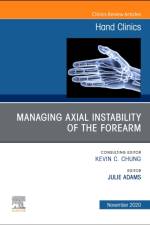
This issue of Hand Clinics, guest edited by Dr. Julie E. Adams, will cover a number of essential topics surrounding Managing Axial Instability of the Forearm. This issue is one of four issues selected each year by series Consulting Editor, Dr. Kevin Chung. Topics in this issue will include: Problems of Eponymous Proportions: the history of our recognition of forearm instability issues, Biomechanical factors in stability of the forearm, Chronic Distal Radiolunar instability, Acute distal radioulnar joint instability, Galeazzi injuries, Essex Lopresti - evaluation and treatment considerations, Management of Monteggia Injuries in the Pediatric Patient, Management of Moteggia Injuries in the Adult, Elbow instability: evaluation and Treatment, Elbow fracture dislocations, Rehabilitation of the unstable elbow, Solutions for the unstable and arthritic distal radioulnar joint, and Solutions for the unstable and arthritic elbow joint, among others.
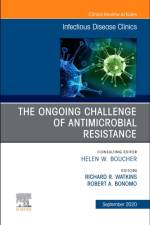
Together with Consulting Editor Dr. Helen Boucher, Drs. Watkins and Bonomo have put together an issue of Infectious Disease Clinics of North America that provides the most current information on antibiotic resistance. Top experts have contributed clinical review articles that address the types of resistance based on drug class as well as emerging therapies and the future of telemedicine in the management of infections. The following topics are covered in this issue: The changing role of the clinical microbiology laboratory in defining resistance in gram-negatives; Extended-spectrum ß-lactamase-producing Enterobacteriaceae infections; Multidrug-resistant bacteria in the community; Resistance to polymyxins; Resistance in Vancomycin-resistant enterococci; Resistance to newer ß-lactamase inhibitors; Antibiotic-resistant infections in the immunocompromised host; Emerging therapies for MRSA infections; Drug-resistant tuberculosis; Aminoglycoside resistance; The role of antibiotic stewardship and telemedicine in the management of MDR infections; and Emerging issues in antifungal resistance. Readers will have the current information they need to better manage antibiotic-resistant infections in patients.
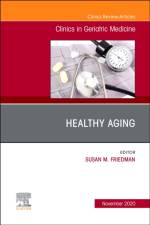
This issue of Clinics in Geriatric Medicine, guest edited by Dr. Susan Friedman, is devoted to Healthy Aging. Articles in this issue include: Healthy Aging Across the Stages of Old Age, How Geriatric Principles Inform Healthy Aging, Multimorbidity, Function and Cognition in Aging, Preserving Cognition, Preventing Dementia, Preserving Engagement, Nurturing Resilience, The Frailty Cycle: Reducing frailty to promote healthy aging, Addressing Obesity to Promote Healthy Aging, Lifestyle (Medicine) and Healthy Aging, Nutrition and Healthy Aging, Physical Activity and Healthy Aging, Mindfulness, Stress, and Aging, The Role of Prevention in Healthy Aging, Best Practices for Promoting Healthy Aging, Getting from Here to There: Motivational Interviewing and Other Techniques to Promote Healthy Aging, and more.
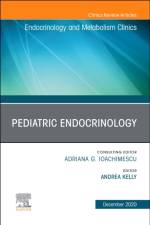
This issue of Endocrinology and Metabolism Clinics will cover Pediatric Endocrinology. Curated by Dr. Andrea Kelly, this issue will explore topics in the field that are relevant for practicing clinicians. This issue is one of four selected each year by the series Consulting Editor, Adriana G. Ioachimescu. The volume will include articles on: Endocrine Sequelae in Childhood Cancer Survivors, Bone Health in Childhood Chronic Disease, Advances in Bone Health Assessment, Inhaled Glucocorticoids and Endocrine Outcomes, Atypical DM (mitochondrial, transplant, CFRD, monogenic), Pediatric Thyroid Cancer (outcomes, genetics, therapeutics), New Technologies in Type 1 diabetes (bionic pancreas, insulin, mobile health), Precocious and Delayed Puberty-Genetic Underpinnings and treatments (various GNRH formulations, implant), Pediatric Type 2 diabetes, Adolescent health outcomes in relation to phthalates.
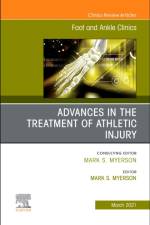
This issue of Foot and Ankle Clinics, guest edited by Dr. Thomas P. San Giovanni, will discuss Advances in Treatment of Athletic Injury. This issue is one of four selected each year by long-time series Consulting Editor, Dr. Mark Myerson. Topics in this issue will include: Epidemiology of Sport-Specific Foot and Ankle Injuries; In-Season Management of Acute or Subacute Sports Foot and Ankle Injuries; Imaging Techniques for Assessment of Dynamically Unstable Sports Related Foot and Ankle Injuries; Assessment and Treatment of Sports Injuries to the First Metatarsophalangeal Joint; Sports-related Lisfranc Injuries and Recognition of Lisfranc Variants; Proximal Fifth Metatarsal Fractures in Athletes - Management of Acute and Chronic Conditions; Arthroscopic Surgical Technique for Lateral Ankle Ligament Instability; Modern Open and Minimally Invasive Stabilization of Chronic Lateral Ankle Instability; Osteochondral Lesions of the Talus: Current and Future Treatment Strategies; Recognition of Failure Modes of Lateral Ankle Ligament Reconstruction; and Anterior and Posterior Ankle Impingement Syndromes, among others.
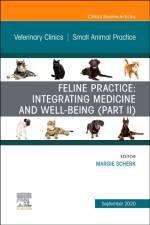
This issue of Veterinary Clinics: Small Animal Practice, guest edited by Dr. Margie Scherk, is the second of two issues on Feline Practice: Integrating Medicine and Well-Being. Topics in this issue include, but are not limited to: Nutrition and risks of weight and muscle loss; Importance of maintaining muscle and weight: controversies in what to feed; Nutrition: How to feed; Nutrition: assessing requirements and current intake; Stem cell therapy and cats; Complex disease management: managing a cat with comorbidities; Hyperaldosteronism in cats, Hyperthyroidism and Hypothyroidism in cats; Updates in feline diabetes; Feline pancreatitis; Triaditis; Hypertension in cats; Feline gallbladder diseases; Oral health and disease; and Newly recognized neurological entities.
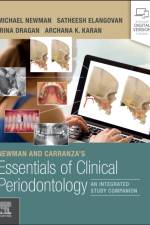
Prepare for success on the board exam with this concise, case-based review! Newman and Carranza''s Essentials of Clinical Periodontology - An Integrated Study Companion provides core information on periodontology and implant dentistry in a format that reflects the current, case-based U.S. National Board Dental Examination. Each chapter ends with a case-based exercise, allowing you to apply your knowledge to the practice setting. Like the well-known Newman and Carranza''s Clinical Periodontology textbook, it covers everything from basic science and fundamental procedures to advanced techniques in reconstructive, esthetic, and implant therapy - but with a focus on need-to-know content. Written by periodontology experts Michael Newman, Irina Dragan, Satheesh Elangovan, and Archana Karan, this illustrated study guide includes both a print book and a fully searchable Expert Consult eBook. Fast Facts include important, exam-oriented, take-home messages as points from the corresponding chapters of Newman and Carranza''s Clinical Periodontology, 13th Edition. Clinical Tips highlight concepts with direct clinical correlations, also from the corresponding chapters of Newman and Carranza''s Clinical Periodontology, 13th Edition. Clinical Problem Solving includes one case-based learning exercise per chapter as well as questions and solutions with explanations. Basic science and background information explains clinical correlations. Fully searchable text on Expert Consult website includes additional resources such as interactive quizzing and group work questions.
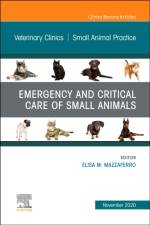
This issue of Veterinary Clinics: Small Animal Practice, guest edited by Dr. Elisa Mazzaferro, focuses on Emergency and Critical Care of Small Animals. This is one of six issues each year. Articles in this issue include, but are not limited to: Cardiopulmonary Resuscitation in Small Animals; Transfusion Medicine in Small Animals; Extracorporeal Therapies in the ER and ICU; Respiratory Emergencies; Ocular Emergencies in the Small Animal Patient; Biosecurity Measures in Small Animal Practice; Albumin Therapy in Critical Illness; Canine Parvoviral Enteritis; Therapeutic Strategies in IMHA; Use of Antithrombotics in Critical Illness; Use of Intravenous Immunoglobulin in Clinical Practice; Use of Intravenous Immunoglobulin in Clinical Practice; Resuscitative Strategies for the Small Animal Trauma Patient; Use of Thromboelastography in Clinical Practice; Nutritional Support of the Critical Patient; Update on Anticonvulsant Therapy for the Small Animal Patient; Total Intravenous Anesthesia for the Small Animal Critical Patient; and Cageside Ultrasound in the ER and ICU.
This issue of Neurologic Clinics, guest edited by Drs. Michael R. Dobbs and Mam I. Ibraheem, is devoted to Applied Neurotoxicology. This issue is one of four selected each year by the series Consulting Editor, Dr. Randolph W. Evan. Articles in this issue include: Peripheral Neuropathy, Toxin-induced Channelopathies and Neuromuscular Junction Disorders, Myopathy, Acute delirium, Subacute Encephalopathy, Coma and CNS depression, Cerebellar disorders, Parkinsonism, Seizures, Amyotrophic Lateral Sclerosis, Neurobiological Weapons, Women''s and Fetal Issues in Neurotoxicology, and Ethical Dilemmas in Neurotoxicology.
Together with Consulting Editor, Dr. Alan Buchman, Dr. Parkman has created as state-of-the-art issue devoted to the modern technology and approaches for evaluation and treatment of GI motility. He has provided coverage for the esophagus, colon, small intestine, and gut. Leaders in the field have contributed the detailed clinical review articles on the following topics: Enhancing High Resolution Esophageal Manometry: Use of Impedance, multiple rapid swallows, Position change, Solid food boluses, and other techniques; EndoFLIP in the esophagus: Assessing sphincter function, wall stiffness, motility to guide treatments; Evaluation and Treatment of patients with persistent reflux symptoms despite PPI treatment; Esophageal Evaluation for Patients undergoing Lung Transplant Evaluation: What should we do for evaluation and management; Tailoring Endoscopic and Surgical Treatments for GERD; Endoscopic and Surgical Treatments for Achalasia: Who to treat and how; Enhancing Scintigraphy for evaluation of gastric, small bowel, colonic motility; Targeting treatment for gastroparesis:  Use of clinical tests to guide treatments; Endoscopic and Surgical Treatments for Gastroparesis: What to do and Whom to treat; Gastric Biopsies in Gastroparesis: Insights to Gastric Neuromuscular Disorders to Help with treatment; SIBO: How to diagnose and treat (and then treat again); Assessing anorectal function in constipation and fecal incontinence; Treating chronic abdominal pain in patients with Chronic Recurrent Abdominal Pain and IBS; and Refractory Chronic Constipation: How to evaluate and treat. Gastroenterologists will come away with the technical information they need to improve outcomes in their patients.
This issue of Radiologic Clinics of North America focuses on Endocrine Imaging and is edited by Dr. Mark E. Lockhart. Articles will include: Molecular imaging in the head and neck: Diagnosis and therapy; Endocrine imaging: The referring clinician perspective; Thyroid disease in the age of incidental findings; Normal thyroid: US with technical pearls and pitfalls; Thyroid diffuse and nodular disease ultrasound; CT and MRI of thyroid disease; Multimodality imaging of neuroendocrine tumors; Neck, thyroid, and parathyroid imaging procedures; Parathyroid imaging; Neuroimaging of pituitary disease; Adrenal imaging; Neuroendocrine tumors: Imaging of treatment and follow-up; and more!
This issue of Heart Failure Clinics, guest edited by Dr. Subha V. Raman, will cover key topics in Cardiovascular Magnetic Resonance. This issue is one of four issues selected each year by our series consulting editor, Dr. Eduardo Bossone. Topics discussed in this issue will include: When to use CMR for patients with heart failure; Quantifying cardiac dysfunction with CMR; CMR in heritable cardiomyopathies; CMR in ischemic cardiomyopathy; CMR in right heart and pulmonary circulation disorders; CMR of myocardial fibrosis, edema, and infiltrates in heart failure; Magnetic resonance-based characterization of myocardial architecture; CMR in valvular heart disease-related heart failure; Pericardial disease with CMR; CMR''s central role in chemotherapy-induced cardiotoxicity; Intracardiac and vascular hemodynamics with CMR in heart failure; Myocardial energetics with CMR; CMR in congenital heart disease: focus on heart failure; and Machine learning in CMR applied to heart failure.
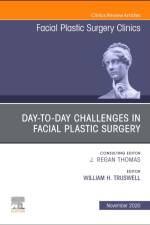
This issue of Facial Plastic Surgery Clinics, guest edited by Dr. William H. Truswell, is devoted to Day-to-day Challenges in Facial Plastic Surgery. This issue is one of four selected each year by the series Consulting Editor, Dr. J. Regan Thomas. Articles in this issue include: Guiding the Patient on Their Journey through Facial Rejuvenation Surgery; Incorporating Nonsurgical Options and Aesthetic Services into a Facial Plastic Surgery Practice; Evaluating, Purchasing, and Incorporating High Tech Equipment into a Facial Plastic Surgery Practice; Identifying and Handling Personality Disorders when Selecting Patients for Surgery; Unhappy Patients Can Turn into Angry Patients; Balancing University Obligations and a Cosmetic Surgery Practice in a Full Time Academic Environment; The Art of Teaching, Training, and Putting the Scalpel in Residents'' Hands; Facial Plastic Surgery Journals; Recognizing, Managing, and Guiding the Patient Through Complications in Facial Plastic Surgery; Recognizing and Managing Complications in Laser Resurfacing, Chemical Peels, and Dermabrasion; Life in an Academic Practice vs. a Solo Private Practice; How to Leverage Social Media in Private Practice; The Best Business Moves You Can Use to Enhance Your Practice; Understanding and Getting Involved in the International Facial Plastic Surgery Community; and Securing Operating Room Time for Elective Cases.
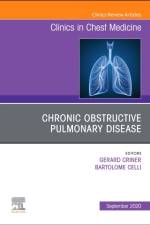
This issue of Clinics in Chest Medicine, guest-edited by Dr. Gerard Criner and Dr. Bartolome Celli, is focused on Chronic Obstructive Pulmonary Disease. Topics discussed in this issue include but are not limited to: COPD Pathogenesis; Epidemiology of COPD; Host, Gender, and Early Life Factors as Risks for COPD; Alpha One Antitrypsin Deficiency; Lung Function Testing; Assessing Symptom Burden; Chest Imaging in the Diagnosis and Assessment of the Patient with COPD; Biomarkers in the Diagnosis and Assessment of COPD; Asthma/COPD Overlap; Multimorbidity in the Patient with COPD; Definition Causes, Pathogenesis, and Consequences of Exacerbations; Treatment of Acute Exacerbations; Prevention of Exacerbations; Bronchodilators; Benefits and Risks of Inhaled Corticosteroids in COPD; Systemic Medications; Smoking Cessation/Vaccinations; Pulmonary Rehabilitation; Oxygen Therapy/Noninvasive Ventilation; and Interventional and Surgical Therapies for COPD.
Process Safety Management and Human Factors: A Practitioner''s Experiential Approach addresses human factors in process safety management (PSM) from a reflective learning approach. The book is written by engineers and technical specialists who spent the last 15-20 years of their professional career looking at behavioral-based safety, human factor research, and safety culture development in organizations. It is a fundamental resource for operational, technical and safety managers in high-risk industries who need to focus on personal and occupational safety management to prevent safety accidents. Real-life examples illustrate how a good, effective understanding of human factors supports PSM and positive impacts on accident occurrence.Covers the evolution and background of process safety managementShows how to integrate and augment process safety management with operational excellence and health, safety and environment management systemsFocuses on human factors in process safety managementIncludes many real-life case studies from the collective experience of the book''s authors
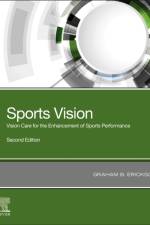
From basic eye care services to visual performance training, this evidence-based resource explores a range of sports vision services, including assessment and treatment procedures, outcome expectations, and applications to a variety of sports. Optometrists, ophthalmologists, and sports medicine practitioners will find a thorough review and discussion of the role of vision care in an athlete's performance, as well as practical recommendations for applying current research findings to clinical practice. Contains practical, clinically oriented chapters on visual assessment, prescribing, and ocular injuries in athletes. Takes a task analysis approach allowing the reader to develop solid reasoning skills and evaluate information needed for clinical practice. Includes a new chapter on Assessment and Management of Sports-Related Concussion. Features visual aids throughout including photographs, tables, and boxes to help clarify and visualize important concepts. Addresses sports vision training approaches and updated digital options reflecting the collaboration between athletic trainers, optometrists, and ophthalmologists in helping optimize vision in athletes.
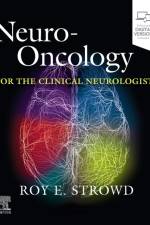
In the growing field of neuro-oncology, the past few years have witnessed rapid advances in tumor classification, treatment modalities, and the role of neurologists and neuro-oncologists. Neuro-Oncology for the Clinical Neurologist is a first-of-its-kind resource that focuses on patient-clinical scenarios relevant to the practicing neurologist¿bringing you up to date with everything from basic principles and neuro-oncology imaging consults to neurologic complications of radiation, systemic, and immune-based therapies, and much more. Focuses on the clinical management of patients typically encountered by neurologists and neurology trainees. Provides clinically relevant updates in five key areas of neuro-oncology: primary CNS tumors, brain and leptomeningeal metastases, inherited tumor syndromes of the nervous system (e.g. neurofibromatosis), paraneoplastic and immune-mediated neurological complications of cancer, and neurological complications of cancer treatments. Includes a summary of clinical pearls and a reference list of clinical cases. Anchors each chapter with patient cases and clinical scenarios, provides evidence-based discussion, and explains patient management. Enhanced eBook version included with purchase. Your enhanced eBook allows you to access all of the text, figures, and references from the book on a variety of devices.
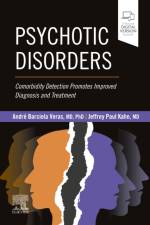
Offering an up-to-date perspective on the complexity of mental illness, Psychotic Disorders: Using Co-Morbidity Diagnoses to Enhance Treatment provides unique insight by presenting schizophrenia and psychosis as a cormorbid disorders. Comprehensive coverage of the five comorbidity subtypes includes everything from definitions of the comorbidity syndrome (with DSM-5 criteria) and how to interview to specific symptoms for the psychotic diagnosis, diagnosis, and treatment. This first-of-its-kind reference is a valuable clinical resource for psychiatrists, neurologists, neuropsychiatrists, psychologists, and clinicians in training, as well as a useful tool for exam review. Reflects current research, diagnosis, and treatment options for: Schizophrenia with Voices and Panic Anxiety Obsessive-Compulsive Schizophrenia and Obsessive-Compulsive Disorder Persecutory Delusional Disorder and Social Anxiety Delusional Depression and Melancholic Depression Bipolar I Disorder and Atypical Depression Substance Use Psychoses Medical Illness and Iatrogenic Psychoses Covers treatment options and outcomes with medication and psychotherapy.? Includes sample patient interview approaches and/or biological tests for each diagnosis. Highlights symptoms, quasi-psychotic symptoms and secondary signs of the comorbidities when alone, and when in conjunction with psychosis. Reviews diagnosis-specific significance and contributory roles of neurotransmitters, hypofrontality, psychological trauma, and genetics. Enhanced eBook version allows access to entire book contents on most devices.? Included free with book purchase, or purchase separately.
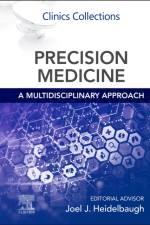
Welcome to the Clinics Collections! We have taken a multidisciplinary approach and selected the most recent and vital articles throughout all of our Clinics series and combined them into a single source on Precision Medicine. Articles are featured from multiple Clinics to highlight the range of specialties covering this major medical issue. Such information is essential to successful interdisciplinary teamwork and patient care. The articles within, written from different medical perspectives, will give deeper insight into how each specialty cares for its patients. The challenge in Precision Medicine involves specialized treatment planning with the ultimate goal of successful patient outcomes. The articles selected provide a unique entry into sharing best concepts for the entire medical team to learn and implement. Areas of focus include breast cancer, lung cancer, melanoma, arthritis, sleep medicine, and pediatric oncology. Each article begins with keywords and key points for immediate access to the most critical information. Articles are presented in an easy-to-digest and concisely worded format.
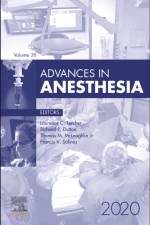
Advances in Anesthesia highlights the year's significant medical advances, providing one source to review the essential information updates for the Anesthesiologist in that year. The distinguished editorial board, led by Dr. Thomas McLoughlin, includes Drs. Richard Dutton, Laurence Torsher, and Francis Salinas. The board has assembled a first-rate volume for 2020, including topics on motor-sparing nerve blocks; whole blood; teaching airway management skills to non-anesthesiologists; endovascular procedures; regional anesthesia for cardiac surgery, ketamine; consent; medical cannabis; and more.
Welcome to the Clinics Collections! We have taken a multidisciplinary approach and selected the most recent and vital articles throughout all of our Clinics series and combined them into a single source on Addiction Medicine. Articles are featured from multiple Clinics to highlight the range of specialties covering this major medical issue. Such information is essential to successful interdisciplinary teamwork and patient care. The articles within, written from different medical perspectives, will give deeper insight into how each specialty cares for its patients. The challenge in Addiction Medicine involves specialized treatment planning with the ultimate goal of successful patient outcomes. The articles selected provide a unique entry into sharing best concepts for the entire medical team to learn and implement.Welcome to the Clinics Collections! We have taken a multidisciplinary approach and selected the most recent and vital articles throughout all of our Clinics series and combined them into a single source on Addiction Medicine. Articles are featured from multiple Clinics to highlight the range of specialties covering this major medical issue. Such information is essential to successful interdisciplinary teamwork and patient care. The articles within, written from different medical perspectives, will give deeper insight into how each specialty cares for its patients. The challenge in Addiction Medicine involves specialized treatment planning with the ultimate goal of successful patient outcomes. The articles selected provide a unique entry into sharing best concepts for the entire medical team to learn and implement. Areas of focus include opioids, alcoholism, cannabis, and prescription medicine. Each article begins with keywords and key points for immediate access to the most critical information. Articles are presented in an easy-to-digest and concisely worded format.
Abonner på vårt nyhetsbrev og få rabatter og inspirasjon til din neste leseopplevelse.
Ved å abonnere godtar du vår personvernerklæring.