








Gjør som tusenvis av andre bokelskere
Abonner på vårt nyhetsbrev og få rabatter og inspirasjon til din neste leseopplevelse.
Ved å abonnere godtar du vår personvernerklæring.Du kan når som helst melde deg av våre nyhetsbrev.

Provides an overview of issues including infrastructure planning, planning to evaluate vulnerabilities and potential threats, capital improvement planning, and maintenance and risk management. This book covers topics regarding potential contaminants, available water security technologies, analytical methods, and sensor technologies and networks.
This issue of Foot and Ankle Clinics, guest-edited by Drs. Jorge Filippi and German Joannas, will discuss Controversies in Acute Trauma and Reconstruction. This issue is one of four selected each year by long-time series Consulting Editor, Dr. Mark Myerson. Topics in this issue will include: Induced Membrane technique (Masquelet) for Bone Defects in the Distal Tibia; New principles in pilon fracture management; High energy pilon fractures; Strategies to avoid syndesmosis malreduction in ankle fractures; Complex Ankle Fractures; Acute deltoid ligament repair in ankle fractures; Chronic syndesmotic injuries: arthrodesis vs reconstruction; Talar neck fractures; Sinus tarsi approach for calcaneal fractures; Fixation by ORIF or primary arthrodesis of calcaneus fractures; How to identify unstable Lisfranc injuries; Subtle Lisfranc injuries; Primary arthrodesis for high energy Lisfranc injuries; and Jones fracture in the non-athletic population.
Master the critical imaging content you need to know with this newly consolidated title in the popular Case Review series. Abdominal Imaging offers a highly illustrated, case-based preparation for board review to help residents and recertifying radiologists succeed on exams, demonstrate a clinical understanding of gastrointestinal and genitourinary imaging, and improve imaging accuracy and interpretation. Cases include both common and difficult-to-diagnose disorders including gallbladder diseases, pancreatitis and pancreatic masses, staging and identification of gynecologic malignancies, fluoroscopy findings in GI and GU diseases, and much more. Presents more than 160 high-yield case studies organized by level of difficulty, helping you build your knowledge and confidence in stages. Includes more than 650 multiple-choice questions, answers, and rationales that mimic the format of certification exams. Uses short, easily digestible chapters covering the full range of abdominal imaging for efficient, effective learning and exam preparation. Features 700+ high-quality, full-color images spanning the GI and GU systems and pertinent patient cases reflecting current abdominal radiology practice. Images include fluoroscopy and plain films, computed tomography, and magnetic resonance imaging, with coverage of key areas such as prostate MRI and rectal MRI, CT enterography, liver CT and MRI, and renal masses on CT and MRI. Consolidates topics covered in Gastrointestinal Imaging: Case Review and Genitourinary Imaging: Case Review into a single, convenient resource. Enhanced eBook version included with purchase. Your enhanced eBook allows you to access bonus images plus all of the text, figures, and references from the book on a variety of devices.
Children and infants comprise up to 20% of emergency department visits, and emergency physicians must be knowledgeable in choosing the most appropriate imaging modality to arrive at an accurate diagnosis and provide optimal patient care. Written specifically for the non-specialist and those with limited pediatric training, Pediatric Imaging for the Emergency Provider provides expert guidance in this challenging area. Abundant high-quality imaging examples cover the full range of pediatric disorders you''re likely to see, including trauma, musculoskeletal, pulmonary, ENT, cardiac, genitourinary, gastroenterology, neurological, and neonatal patients. Presents more than 80 common and important rare cases, supported with 450+ images across relevant modalities including ultrasound, radiography, CT, and MRI. Identifies key radiographic findings for various pediatric conditions including congenital heart lesions, surgical entities, infectious disease processes, and traumatic injuries. Accompanies images with clear, concise text that makes it easy to grasp the most clinically significant points of each case. Provides expert guidance on best practices in important areas of pediatric imaging such as sedation, ionizing radiation exposure reduction, and imaging modality selection. Enhanced eBook version included with purchase. Your enhanced eBook allows you to access all of the text, figures, and references from the book on a variety of devices.
Scientists with little or no background in security and security professionals with little or no background in science and technology often have difficulty communicating in order to implement the best counter terrorism strategies. This book offers the necessary theoretical foundation to address terrorism scenarios, effectively bridging the gap.
Offers readers an understanding of the terrorist/criminal cycle, and how to interrupt that cycle to prevent an attack. This book draws from real-world case studies that apply to their real-world security responsibilities.
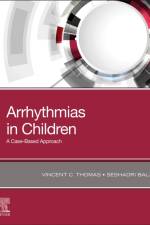
Pediatric arrhythmias present numerous challenges to pediatric cardiologists and other practitioners who see pediatric patients, including pediatricians, family physicians, emergency physicians, residents, fellows, and other clinicians. Arrhythmias in Children: A Case-Based Approach features practical methods for diagnosing and treating arrhythmias in these patients across all settings. Nearly three dozen real-world scenarios are presented, followed by a discussion of the diagnosis, clinical thinking process involved, treatment options, expected outcomes, and how to manage anticipated and unanticipated outcomes. These practical, realistic cases provide a unique and engaging way of approaching these challenging patient scenarios. Uses a case-based approach for a full spectrum of pediatric arrythmias in the newborn, child, pre-teen, and teenager. Presents history and physical, differential diagnoses, tests to order, and practical plans of action. Includes a section on arrythmias in special circumstances. Models clinical thinking skills for a wide number of real-world patient situations. Reviews pertinent clinical guidelines, treatment, and follow up.
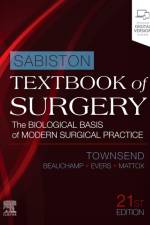
For more than 80 years, Sabiston Textbook of Surgery: The Biological Basis of Modern Surgical Practice has been the go-to text for trainees and surgeons at all levels of experience for definitive guidance on every aspect of general surgery. As the oldest continuously published textbook of surgery in North America, this fully revised 21st Edition continues to provide the key information, essential teaching pearls, and completely updated content needed to make the most informed surgical decisions and achieve optimal outcomes for patients. Concisely written and evidence based throughout, it covers the breadth of material required for certification and practice of general surgery, highlighted by detailed, full-color intraoperative illustrations and high-quality video clips. Follows a clear, consistent progression beginning with principles common to surgical specialties including fluid and electrolyte management, metabolic support, and wound healing. Subsequent sections review the management of injury, transplantation, oncology, breast, endocrine, and abdominal procedures. Covers key topics such as emerging surgical technologies and devices, regenerative medicine, the latest concepts in cancer biology and treatments, and evidence-based management and treatment. Emphasizes the most up-to-date minimally invasive techniques and the use of robotics when indicated. Features more than 2,000 superb illustrations and intraoperative photographs and 25 procedural videos that facilitate quick comprehension of surgical techniques. Includes more schematic diagrams, summary tables, boxes, and algorithms that provide a rich resource for reviewing surgical techniques and preparing for in-training and board exams. Shares the expertise of dozens of new authors and includes two new chapters on robotic surgery and fetal surgery. Contains fully updated content on topics encountered by general surgery residents in training as well as in-depth coverage of subspecialty areas including head and neck, thoracic, vascular, urology, neurosurgery, pediatrics, and gynecology. Enhanced eBook version included with purchase. Your enhanced eBook allows you to access all of the text, figures, and references from the book on a variety of devices.
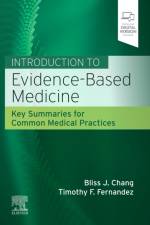
Be ready with specific evidence when you present patient plans during medical rounds! Concise and easy to use, Introduction to Evidence-Based Medicine: Key Summaries for Common Medical Practices simplifies the complexity of clinical studies using key landmark trials in the core medicine specialties. Ideal for those early in their medical education and career, this portable guide helps you make the most of your limited time by introducing and explaining classic studies, preparing you to seek out and quickly digest future evidence-based medicine information. Highlights the landmark trials that have driven the evolution in medical practice, focusing on the critical information necessary to know about the study. Organizes evidence by disease and further by diagnostic or therapeutic intervention. Includes key takeaways and important notes from trials. Indicates which studies are new or controversial to help you develop an informed perspective. Enhanced eBook version included with purchase, which allows you to access all of the text, figures, and references from the book on a variety of devices.
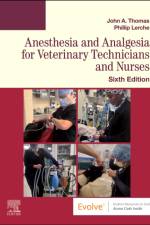
Master the veterinary technician¿s role as a veterinary anesthetist! Covering the principles of animal anesthesia and pain management, Anesthesia and Analgesia for Veterinary Technicians and Nurses, 6th Edition is the definitive guide to the latest drugs, techniques and protocols, and anesthetic equipment. Clear guidelines to anesthesia administration include pre-anesthetic preparation of the patient, induction procedures, the monitoring of patients¿ vital signs during the anesthetic period, and postoperative care. Written by expert educators John A. Thomas and Philip Lerche, this trusted text prepares you for success in the classroom and on the Veterinary Technician National Exam (VTNE).Comprehensive coverage of dogs, cats, horses, cattle, camelids, and swine makes this an excellent resource for veterinary students and technicians.Illustrated, step-by-step guidelines to common procedures include patient preparation, IV catheter placement, anesthetic induction techniques, endotracheal intubation, anesthetic maintenance techniques, and anesthetic recovery.Two large-animal anesthesia chapters cover pain management and anesthetic techniques for equine, ruminant, camelid, and swine patients.Reference tables and boxes provide quick access to fluid administration rates, properties of anesthetic drugs, oxygen flow rates, anesthetic protocols, normal and abnormal monitoring parameters, and more.Learning features include chapter outlines, learning objectives, key terms, Technician Notes, key points, review questions, and suggested readings.Glossary at the end of the text makes it easy to look up definitions of terms. NEW content on anesthetic practices used to improve patient outcomes includes anesthetic safety checklists, anxiolysis, minimization of anatomical dead space, and administration of constant rate infusions. NEW! Updates reflect the latest advances in veterinary anesthesia and analgesia including new fasting recommendations, drugs, equipment, and anesthetic protocols. NEW! Expanded coverage includes equipment care and sanitation, management of hypothermia, and local anesthetic techniques used to provide analgesia. NEW! Updated practice guidelines provide the basis for anesthesia information, including the 2022 AAHA Pain Management Guidelines for Dogs and Cats and the 2020 AAHA Anesthesia and Monitoring Guidelines for Dogs and Cats. NEW! Revised and additional reference tables and charts enhance their ease of use for routine tasks such as calculation of IV fluid administration rates and oxygen flow rates, and interpretation of monitoring data.
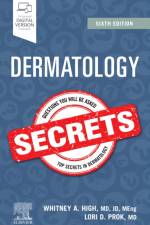
For more than 30 years, the highly regarded Secrets Series® has provided students and practitioners in all areas of health care with concise, focused, and engaging resources for quick reference and exam review. Dermatology Secrets , 6th Edition, offers practical, up-to-date coverage of the full range of essential topics in this dynamic field. This highly regarded resource features the Secrets'' popular question-and-answer format that also includes lists, tables, pearls, memory aids, and an easy-to-read style - making inquiry, reference, and review quick, easy, and enjoyable. The proven Secrets Series® format gives you the most return for your time - succinct, easy to read, engaging, and highly effective. Fully revised and updated, including protocols and guidelines that are continuously evolving and that increasingly dictate best practices. Abundantly illustrated in full color throughout. Top 100 Secrets and Key Points boxes provide a fast overview of the secrets you must know for success in practice and on exams. Bulleted lists, mnemonics, practical tips from leaders in the field - all providing a concise overview of important board-relevant content. Portable size makes it easy to carry with you for quick reference or review anywhere, anytime. Enhanced eBook version included with purchase. Your enhanced eBook allows you to access all of the text, figures, and references from the book on a variety of devices.
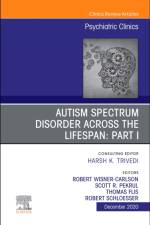
This issue of Psychiatric Clinics, guest edited by Drs. Robert Wisner-Carlson, Thomas Flis, Scott Pekrul, and Robert Schloesser will discuss a number of important topics addressing Autism Disorders Across the lifespan. This issue is one of four each year selected by our series consulting editor, Dr. Harsh Trivedi of Sheppard Pratt Health System. Part II of this issue will be publishing subsequently. Articles in this issue include: Diagnosis of Autism Spectrum Disorder Across the Lifespan; The Role of Diagnostic Instruments in Dual and Differential Diagnosis in Autism Spectrum Disorder Across the Lifespan; Current Approaches to the Pharmacologic Treatment of Core Symptoms Across the Lifespan of Autism Spectrum Disorder; Autism and Education; The Transition to Adulthood for Young People with Autism Spectrum Disorder; Social Skills Training in Autism Spectrum Disorder Across the Lifespan; Competitive Integrated Employment for Youth and Adults with Autism: Findings from a Scoping Review; Transitioning from Adolescence to Adulthood with Autism Spectrum Disorder: An Overview of Planning and Legal Issues; Intersection of Eating Disorders and the Female Profile of Autism; and Obsessive-Compulsive Disorder in Autism Spectrum Disorder Across the Lifespan.
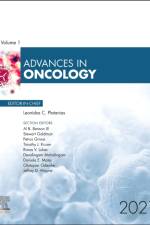
This premier volume of Advances in Oncology highlights the latest findings and updates within the cancer field each year for the practicing oncologist. Advances in Oncology publishes the most current thinking and recent advances from the voice of a truly distinguished editorial board, including Editor-in-Chief Leonidas C. Platanias, who identify current advances and breakthroughs in the field and invite specialists to contribute original articles on these topics. Topics discussed in this first volume are within the areas of radiation oncology, surgical oncology, medical oncology, gynecologic oncology, pediatric oncology, neuro-oncology, hemato-oncology, uro-oncology, and gastrointestinal oncology. This volume will appeal to all practicing oncologists and will inform and enhance clinical practice.
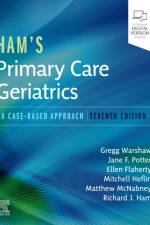
Written with first-line primary care providers in mind, Ham''s Primary Care Geriatrics: A Case-Based Approach, 7th Edition, is a comprehensive, easy-to-read source of practical clinical guidance for this rapidly growing population. Using a unique, case-based approach, it covers the patient presentations you''re most likely to encounter, offering key clinical information, expert advice, and evidence-based medical guidelines throughout. This highly regarded text uses a consistent format and an enjoyable writing style to keep you informed, engaged, and up to date in this increasingly important field. Uses a case study format that is ideal for learning, retention, and rapid recall. All case studies are thoroughly up to date with current references. Features an interdisciplinary perspective to provide team-oriented knowledge on the best diagnosis, treatment, and management strategies available to address the complex needs of older adults. Contains a new chapter on Lesbian, Gay, Bisexual, Transgender (LGBT) Medicine in Older Adults, as well as completely revised or rewritten chapters on rehabilitation, infectious disease, and urinary incontinence. Provides up-to-date information on key topics such as opioid management and polypharmacy, the "geriatric emergency room, cultural humility in the care of older adults, and the five signs of problematic substance abuse. Includes key learning objectives and USMLE-style questions in every chapter. Online extras include dizziness, gait, and balance video resources, a dermatology quiz, and a Cognitive Status Assessment with tests and patient teaching guides. Enhanced eBook version included with purchase. Your enhanced eBook allows you to access all of the text, figures, and references from the book on a variety of devices.
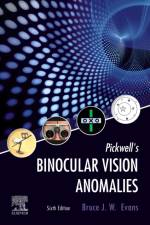
Now in a fully up-to-date 6th Edition, Pickwell''s Binocular Vision Anomalies provides a practical introduction to binocular vision, offering comprehensive theory, how-to clinical guidance, and a summary of current research in a single, consolidated volume. Ideally suited for both students and clinicians, this bestselling text serves as an accessible, evidence-based reference when faced with binocular vision or pediatric challenges. Covers routine examinations and testing protocols, including CISS questionnaire, cover test, foveal suppression, fixation disparity, four prism diopter base out test, Lindblom''s method, and double Maddox rod test.  Includes numerous video clips of key testing procedures, including new clips on Mallett fixation disparity test and fusional reserve testing, as well as an interactive video quiz to help you test your knowledge.  Features sweeping content updates such as the latest information on 3-D displays, therapeutic uses of computer games and virtual reality for vision therapy, computerized testing methodologies, binocular and accommodative mechanisms associated with myopia, updated prescribing criteria, therapeutic use of contact lenses, detection of pathology associated with strabismus, drugs causing diplopia, and the evidence-based treatment of convergence insufficiency syndrome and amblyopia.  Contains helpful study features throughout, including Clinical Key Points boxes, step-by-step test routines, typical features of extraocular muscle palsies and syndromes, and Case Study boxes that cover important clinical and legal scenarios, and new boxes that summarize testing procedures for each of the main binocular vision tests.  Enhanced eBook version included with purchase. Your enhanced eBook allows you to access all of the text, figures, and references from the book on a variety of devices.
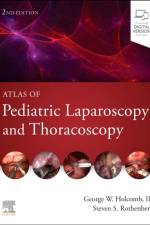
Learn the nuances of successful minimally invasive pediatric surgery from international experts in this fast-changing field. Atlas of Pediatric Laparoscopy and Thoracoscopy, 2nd Edition, brings you up to date with the latest approaches, including gastrointestinal, intra-abdominal, and urologic procedures, as well as robotic operations and a variety of thoracoscopic procedures. Comprehensive, step-by-step instructions are highlighted with outstanding illustrations and more than 50 surgical videos that show you exactly how to proceed, making this an ideal resource for surgeons at all levels of experience. Offers comprehensive instruction from global experts on the nuances of minimally invasive pediatric surgery, helping you successfully perform even the most challenging procedures. Provides superb visual guidance with 350 full-color endoscopic views, 200 corresponding line drawings that illuminate every concept and highlight important anatomical details, and 55 high-quality procedural videos performed by the physicians who pioneered them. Contains new chapters and updated information on laparoscopic intestinal operations in the neonate, laparoscopic fundoplication, endoscopic fundoplication, and minimally invasive pectus carinatum repair. Focuses on minimizing recovery times and post-operative complications. Enhanced eBook version included with purchase. Your enhanced eBook allows you to access all of the text, figures, and references from the book on a variety of devices.
Known for its concise, easy-to-read writing style and comprehensive coverage, Cecil Essentials of Medicine has been a favorite of students, residents, and instructors through nine outstanding editions. This revised 10th Edition continues the tradition of excellence with a focus on high-yield core knowledge of key importance to anyone entering or established in the field of internal medicine. Fully revised and updated by editors Edward J. Wing and Fred J. Schiffman, along with other leading teachers and experts in the field, Cecil Essentials remains clinically focused and solidly grounded in basic science. New focus on high-yield, core knowledge necessary for clerkships or residencies in medicine, with concise, complete coverage of the core principles of medicine and how they apply to patient care. Each section describes key physiology and biochemistry, followed by comprehensive accounts of the diseases of the organ system or field covered in the chapters. Full-color design enhances readability and retention of concepts, while numerous imaging videos cover cardiovascular disease, endoscopy, sphincterotomy, and more. Superb images and photographs vividly illustrate the appearance and clinical features of disease. New chapters cover Women''s Cancer and Transitions in Care from Children to Adults with Pulmonary Disease. Student Consult features include web-only extras, additional figures and tables, clinical photos, radiologic images, video procedures, imaging studies, and audio recordings. Enhanced eBook version included with purchase. Your enhanced eBook allows you to access all of the text, figures, and references from the book on a variety of devices.
In the highly specialized field of caring for children in the PICU, Fuhrman and Zimmerman''s Pediatric Critical Care is the definitive reference for all members of the pediatric intensive care team. Drs. Jerry J. Zimmerman and Alexandre T. Rotta, along with an expert team of editors and contributors from around the world, have carefully updated the 6th Edition of this highly regarded text to bring you the most authoritative and useful information on today''s pediatric critical care-everything from basic science to clinical applications Contains highly readable, concise chapters with hundreds of useful photos, diagrams, algorithms, and clinical pearls. Uses a clear, logical, organ-system approach that allows you to focus on the development, function, and treatment of a wide range of disease entities. Features more international authors and expanded coverage of global topics including pandemics, sepsis treatment in underserved communities, specific global health concerns by region. Covers current trends in sepsis-related mortality and acute care after sepsis, as well as new device applications for pediatric patients. Provides ultrasound videos and more than 500 board-style review questions and answers on Expert Consult. Enhanced eBook version included with purchase. Your enhanced eBook allows you to access all of the text, figures, and references from the book on a variety of devices.
Glaucoma: A Neurodegenerative Disease of the Retina and Beyond Part B, Volume 257, the latest release in the Progress in Brain Research series, highlights new advances in the field, with this new volume presenting interesting chapters written by an international board of authors. Topics covered in this new release include Glaucoma neurodegeneration and myopia, Links between obstructive sleep apnea and glaucoma neurodegeneration, Artificial intelligence and deep learning in glaucoma: Current state and future prospects, Brain networks reorganization and functional disability in glaucoma, Advanced vascular examinations of the retina and optic nerve head in glaucoma, and much more. Covers all key aspects of current research on glaucomaProvides extensively referenced chapters, giving readers a comprehensive list of resources on topics coveredIncludes comprehensive and in-depth background information written in a clear form that is accessible to both specialists and non-specialists
Find real-world, clinically useful information on all aspects of electronic fetal monitoring! Written by clinicians for clinicians, Mosby''s Pocket Guide to Fetal Monitoring: A Multidisciplinary Approach, 9th Edition provides an evidence-based, collaborative approach to fetal heart monitoring during labor and in the antepartum period. It covers the physiologic basis for FHR monitoring, methods and instrumentation, standardized terminology, pattern recognition and interpretation, and management of care. Authored by a nurse-midwife, a perinatologist, and a nurse, this compact guide prepares you for success on the EFM certification exam and for success in today''s clinical practice. Pocket-sized format makes this guide ideal to carry and use in the clinical setting, and a colorful design makes information easier to find. Coverage of fetal heart rate assessment, evaluation, interpretation, and management is supported by evidence-based practice and literature, helping you prioritize care and make clinical decisions. Patient safety and risk management strategies include case studies and legal commentary, plus guidelines for providing safe and competent care. Information on the relationship between fetal heart rate patterns and neonatal outcomes provides a guide to the correct use of fetal monitoring. Illustrations, tables, and fetal monitor tracings highlight critical information. Coverage of innovative practices supports patient safety and improved outcomes through the use of a common language for fetal heart rate patterns, a standardized approach to interpretation, a discussion of emergency preparedness, and a discussion of human factor issues such as improved communication, situational awareness, no-fault/just culture, and teamwork. Practical appendices offer a guide to FHR tracings and interpretation as well as self-assessment questions for credentialing and certification exam preparation. Expert author team provides clinical insight along with international presence. NEW information on Category II tracing management is included. NEW! Expanded section on common misconceptions and myths includes evidence supporting factual EFM characteristics. NEW! Detailed information on documentation and legal issues is added. NEW EFM tracings with interpretation are added.
This issue of Neurosurgery Clinics, guest edited by Dr. Michael A. Vogelbaum, is devoted to Glioblastoma, Part I: Surgical Management and Adjuncts. This is one of four issues selected each year by the series Consulting Editors, Russell R. Lonser and Daniel K. Resnick. Articles in this issue include: Perioperative Management of Patients with Glioblastoma, Role of Resection in Glioblastoma Management, Advancing Imaging to Enhance Surgery, Intraoperative Imaging for High-Grade Glioma Surgery, Use of Intraoperative Fluorophores, Extent of Resection of Glioblastoma, Functional Mapping for Glioma Surgery: Preoperative Mapping Tools, Functional Mapping for Glioma Surgery: Intraoperative Mapping Tools, Surgical Adjuncts for Glioblastoma, Window of Opportunity Clinical Trials to Evaluate Novel Therapies for Brain Tumors, Stereotactic Laser Ablation of Glioblastoma, Radiosurgery for Glioblastoma, Challenges Associated with Reoperation in Patients with Glioma, and Surgery for Glioblastoma in Elderly Patients.
This issue of Neurosurgery Clinics, guest edited by Dr. Linda M. Liau, is dedicated to Glioblastoma: Molecular and Clinical Trials. This issue is one of four selected each year by the series consulting editors, Drs. Russell R. Lonser and Daniel K. Resnick. Topics will include-but are not limited to-Pathology & Molecular Markers, Cellular States & Genetic Diversity in Glioblastoma, Mismatch Repair in Glioblastoma Resistance, Genetic Susceptibility in Brain Cancer, Pediatric Gliomas: Molecular Landscape & Emerging Targets, Molecularly Targeted Clinical Trials, Novel Radiation Sensitizers, Immunotherapy Checkpoint Inhibitors, Brain Tumor Vaccines, CAR T Cells, Oncolytic Virotherapy, Targeting Cancer Stem Cells, Therapeutic Delivery to CNS, Theranostics: Dual Modality PET Tracers, and Neuroimaging & Novel Response Assessments.
This issue of Immunology and Allergy Clinics, guest edited by Dr. Jae Won Oh, is devoted to Climate Change and Allergy. Articles in this issue include: Climate change and air pollution: Effects on respiratory allergy, Climate change and its direct and indirect effects on the allergy epidemic, Climate change, aeroallergens and allergic disease: the view from the southern hemisphere, Allergenic pollen season variations in the past two decades under changing climate in the United States, Climate Change and Pollen Allergy in India and the other South Asian Countries, Climate change: extreme weather events in Australia and their impact on allergic diseases, Climate change, air pollution and biodiversity in Asia Pacific and impact on allergic diseases, The Role of Extreme Weather and Climate Events on Asthma Outcomes, Insect migration and changes in venom allergy due to climate change, The impact of climate change on pollen allergy and sensitization rate to pollen, Effect of Climate Change on Allergenic Airborne Pollen in Japan for people with pollen allergy, Forecast for pollen allergy, and more.
Abonner på vårt nyhetsbrev og få rabatter og inspirasjon til din neste leseopplevelse.
Ved å abonnere godtar du vår personvernerklæring.