






Gjør som tusenvis av andre bokelskere
Abonner på vårt nyhetsbrev og få rabatter og inspirasjon til din neste leseopplevelse.
Ved å abonnere godtar du vår personvernerklæring.Du kan når som helst melde deg av våre nyhetsbrev.

Anesthesiology and Critical Care Morning Report: Beyond the Pearls is a case-based reference that covers the key material included on the USMLE and end-of-rotation exams, with pearls for the Step 1, Step 2, and Step 3 exams. Focusing on the practical information you need to know, it teaches how to analyze a clinical vignette in the style of a morning report conference, sharpening your clinical decision-making skills and helping you formulate an evidence-based approach to realistic patient scenarios. Each case has been carefully chosen and covers scenarios and questions frequently encountered on USMLE exams, shelf exams, and clinical practice, integrating both basic science and clinical pearls. "Beyond the Pearls? tips and secrets (all evidence-based with references) provide deep coverage of core material. "Morning Report?/?Grand Rounds? format begins with the chief complaints to the labs, relevant images, and includes a "pearl" at the end of the case. Questions are placed throughout the case to mimic practical decision making both in the hospital and on the board exam. Includes step-by-step procedural guides for common anesthesia and critical care procedures and coverage of transthoracic and transesophageal echo procedures. Written and edited by experienced teachers and clinicians; each case has been reviewed by board certified attending/practicing physicians. An eBook version is included with purchase. The eBook allows you to access all of the text, figures and references, with the ability to search, customize your content, make notes and highlights, and have content read aloud.
Providing a holistic, global approach to all aspects of PCOS, Polycystic Ovary Syndrome: Basic Science to Clinical Advances Across the Lifespan offers authoritative guidance on the diagnosis, treatment, and management of this challenging syndrome. It presents a coherent, evidence-based approach to diagnosis, as well as recommendations for clinical practice grounded in recent advances in basic sciences. Unique in the field, this practical resource provides decision-making tools for endocrinologists, fertility specialists, gynecologists, and internists who diagnose and treat patients with this complex chronic condition. Covers all aspects of PCOS and management across the lifespan, including short- and long-term metabolic, endocrine, and psychological challenges. Offers an integrative approach to the understanding of pathophysiology and management of PCOS in adult women and adolescent girls with a focus on genetics, microRNAs, and risk factors. Includes clinical, hormonal and metabolic features as well as diagnostic criteria and PCOS phenotypes. Presents treatment and management options for common symptoms, hirsutism, menstrual irregularity, and conception planning, including a chapter on subfertility and the male PCOS equivalent. Includes coverage of standard comorbidities, as well as a section on global approaches to patients with PCOS that addresses unique concerns, practices, and stigmas associated with how different cultures approach the disorder. Addresses the use of complementary/alternative medicine, lifestyle modification, and behavioral therapy in managing PCOS. An eBook version is included with purchase. --
In this issue of Dental Clinics, guest editors Drs. David A Keith, Michael Schatman, Ronald J. Kulich, and Steven J. Scrivani bring their considerable expertise to Orofacial Pain Case Histories with Literature Reviews. Top experts in the field cover key topics such as masticatory muscle pain; temporomandibular joint disc derangement: surgical treatment; temporomandibular joint arthropathy: nonsurgical management; fibromyalgia and temporomandibular disorders; burning mouth disorder; and more. Contains 16 relevant, practice-oriented topics including chronic facial pain; persistent idiopathic dentoalveolar pain disorder; post-traumatic trigeminal neuropathic pain disorder; trigeminal neuralgia; pathology mimicking orofacial pain; cancer pain; and more. Provides in-depth clinical reviews on orofacial pain case histories, offering actionable insights for clinical practice. Presents the latest information on this timely, focused topic under the leadership of experienced editors in the field. Authors synthesize and distill the latest research and practice guidelines to create clinically significant, topic-based reviews.
A user-friendly guidebook for anyone interested in enhancing health and wellness, Integrative Healthcare Remedies for Everyday Life marries modern medical knowledge with a cross-cultural understanding of health and healing. The authors are a family of modern physicians who share a passion for the rapidly growing field of holistic and integrative health. Representing both Western diagnostics and complementary medicine, this reference offers practical guidance on incorporating simple remedies and therapies into everyday life. Detailed preparation instructions facilitate the use of Chinese, Indian, and Western natural remedies. Therapies from multiple Asian and Western medical systems are presented side by side to act as both a one-stop treatment guide and comparative reference. Body system organization provides comprehensive coverage of both common and complex diseases and disorders. Expert author team is a family of modern physicians who share a passion for the rapidly growing field of holistic and integrative health. An eBook version is included with print purchase. The eBook allows students to access all of the text, figures, and references, with the ability to search, customize content, make notes and highlights, and have content read aloud.
Gain an appreciation for the challenges that lie ahead for those with facial deformity. Using his own patients' clinical photos and personal stories, Dr. Jeffrey Posnick takes us through surgical thinking and describes current techniques that are used to reconstruct children with conditions such as craniosynostosis, skull defects, congenital tumors, cleft lip and palate, and developmental and posttraumatic jaw, nasal, and ear deformities. The necessity of bold surgical innovation and a coordinated comprehensive approach to a child's facial reconstruction which often requires input from a spectrum of medical, surgical, and dental specialties and therapists becomes evident when visualizing the conditions described and reading through the chapters of this book. Written by Jeffrey C. Posnick, an internationally known expert in cranio-maxillofacial surgery, this reference includes a fully searchable eBook version with each print purchase. Discussions of surgical techniques are included in each chapter, highlighting treatment plans as well as aftercare. Patient-focused approach in each chapter presents a specific case along with associated clinical information, photos, and feedback from patients who have been treated through the method discussed. 300 full-color clinical photos and illustrations are included. Clinical guidelines are presented with concise and up-to-date coverage. Focus on team approach facilitates the inclusion of dentists, medical doctors, speech pathologists, and nurses in the treatment of facial deformities in children. Internationally known author is Jeffrey C. Posnick, who is also a clinician, educator, and lecturer, and has written more than 400 articles for medical journals and book chapters as well as the two-volume textbook Orthognathic Surgery. eBook version is included with print purchase, allowing you to access all of the text, figures, and references, and offers you the ability to search, customize your content, make notes and highlights, and have content read aloud.
Providing an ideal balance of theory and practice, Low Vision: Principles and Management covers all aspects of providing effective eye care to individuals with visual impairment. This concise yet comprehensive resource covers everything from theoretical background to current rehabilitative aids and low vision treatment strategies-all while adopting a practical approach to vision care. It brings practising eye care professionals and students fully up to date with current optical and electronic devices and how they are used in everyday practice, as well as evidence-based vision rehabilitation guidelines. Features comprehensive guidance on visual rehabilitation for acuity loss and visual field loss. Describes a wealth of practical advice and real-world case scenarios to help guide your day-to-day patient interactions as well as your most challenging situations. Covers hot topics, including the link between mental health and low vision, assistive technologies, measures of quality of life and other outcome measures, WHO classifications of visual impairment, and best practices for auditing and commissioning vision services. Contains over 200 diagrams, illustrations, and patient photos to aid in visual understanding. Explains how eye care professionals can work within a multi-disciplinary team to provide complete care. An eBook version is included with purchase. The eBook allows you to access all of the text, figures and references, with the ability to search, customize your content, make notes and highlights, and have content read aloud.
With a perfect balance of content review and practice questions from nursing education thought leader Donna Ignatavicius, no other book prepares you as well for success as Certified Nurse Educator (CNE®) and Certified Nurse Educator Novice (CNE®n) Exam Prep. Up-to-date coverage reflects the latest exam blueprints and incorporates each of the eight CNE® and CNE®n competencies, making this the ideal resource for gaining certification and advancing your career. Introductory chapter provides essential orientation to the CNE® and CNE®n Exams. "Right-sized" content review for each of the eight CNE® and CNE®n competencies provides focused, need-to-know review content for more efficient study. A robust collection of CNE® and CNE®n review questions for each of the eight competencies provides formative self-assessment for the CNE® and CNE®n Exams. Concluding Planning for Success on the CNE® and CNE®n Exam chapter provides essential study and preparation tips as faculty prepare to take the CNE® and CNE®n Exams. Comprehensive Practice Exam provides authentic practice for the CNE® and CNE®n Exams. Answer Keys for both the chapter-ending CNE® and CNE®n Practice Questions and the Comprehensive Practice Exam provide correct answers and rationales for self-remediation. Fully interactive quizzing engine on the Evolve companion website provides all the book's questions in Quiz Mode and Exam Mode for a virtually unlimited number of auto-generated practice tests.
**Selected for Doody's Core Titles® 2024 in Patient Education**Research shows that what makes or breaks the success of a health care professional is more than the ability to provide accurate diagnosis and treatment. An HCP's success hinges on their ability to satisfy patients' main concerns about HCPs namely, "do they care about me?" and "will the procedure hurt?" The Mindful Health Care Professional teaches HCPs how to train the mind to be calm, focused, and compassionate in ways that enhance their own well-being and their ability to provide patient-centered care. This book offers the core communication skills needed to convey care and build trust with a novel model that helps navigate challenging procedures and consultations. Finally, it contains many simple, evidence-based techniques for managing pain and anxiety during medical and dental procedures, allowing procedures to unfold more easily for all. Written by Dr. Carmelina D'Arro, a seasoned health care professional and qualified mindfulness teacher, this state-of-the-art guide is designed for students in all areas of health care and includes a fully searchable eBook version with each print purchase that provides links to numerous videos. Patient-centered care approach utilizes the ISLEEP (Introduce, Solicit, Listen, Empathize, Explain, and Power) model which encompasses not only consultations but also hands-on procedures. Trauma-sensitive mindfulness practices are tailored to health care professionals and patients, and help in integrating EASE (equanimity, attentiveness, self-awareness, and empathy) into practice. Evidence-based interventions are based on current pain theory, and include mindfulness techniques, non-pain stimuli, and active distraction. Case studies highlight challenging situations faced by health care professionals and patients and how to navigate them with ISLEEP communication skills. Procedure videos provide step-by-step instructions on how to practice mindfulness and other mind-training techniques. Focus on practical application includes opportunities for observation (videos), practice (simulation exercises), and self-evaluation (clinical tools). More than 20 videos demonstrate the ISLEEP method and how to implement it with patients and staff. Over 20 videos demonstrate interventions for procedural pain and anxiety. Tables and Figures highlight key research and concepts throughout the book. eBook version is included with print purchase. The eBook allows you to access all of the text, figures, and references, with the ability to search, customize your content, make notes and highlights, and have content read aloud. It also includes videos of meditation practices, communication skills, and interventions for procedural pain and anxiety.
Put essential nursing skills and procedures at your fingertips! Based on Potter & Perry's bestselling textbook Clinical Nursing Skills & Techniques, this pocket guide provides quick access to 83 key nursing skills in a convenient, A-to-Z format. Step-by-step instructions include full-color photos plus rationales explaining why and how to use specific techniques, and also suggest nursing interventions for potential complications. The book's portable size and spiral binding make it an ideal companion during clinical rotations. Reflecting the latest in evidence-based practice, this study tool and clinical reference helps you perform core nursing skills safely and effectively. Authoritative content is based on and matches Perry, Potter, Ostendorf & Laplante's Clinical Nursing Skills & Techniques, 10th Edition, making this book ideal as a quick, handy skills reference for information in the core text. A-to-Z organization of skills makes it easy to find information quickly, with each skill beginning on a new page. Clear, step-by-step instructions include the purpose for performing each skill, guidelines to help in delegating tasks to assistive personnel, lists of required equipment, and full-color photographs and drawings. Concise two-column format for skills includes rationales for each step, providing the "what" and the "why" for performing the steps of each skill. Unexpected Outcomes / Related Interventions provide troubleshooting information for common problems that may develop when performing a skill and also recommend appropriate actions. Safety Alerts within the skills highlight important information for patient safety and effective performance of the skill. Special Considerations address teaching, home care settings, and pediatric and geriatric patients, describing the risks or accommodations needed when caring for patients in these populations. Gloving logo within the skills steps identifies circumstances in which clean gloves should be worn or gloves should be changed before proceeding to the next step of the skill. Documentation guidelines provide bulleted lists of what should be reported and recorded in the patient records. Convenient pocket-size format includes a back-cover flap for bookmarking and spiral binding, allowing the book to lay flat and stay open on the page being referenced. NEW! New skills are added and all skills throughout the book are updated to match the latest evidence-based practice, guidelines, and standards - ensuring safe, effective performance of skills.
For those who treat and diagnose liver disease, whether radiologists, emergency medical physicians, hepatologists, or sonographers, a clear understanding of the strict protocol needed to obtain accurate measurements is essential. Multiparametric Ultrasound for the Assessment of Diffuse Liver Disease offers a practical approach to liver shear wave elastography acquisition from globally recognized leaders in the field. It answers critical questions such as how to use each of the current techniques to best characterize your patients' liver disease, how to deal with the limitations of each of these techniques, and what to ask-and not to ask-of your devices and software. Presents an overview of conventional ultrasound findings in chronic liver disease and portal hypertension, and presents the basic concepts and protocols needed to measure liver stiffness and interpret liver stiffness values. Details clinical applications, artifacts, and guidelines of liver ultrasound elastography, including tips and tricks. Reviews the latest ultrasound techniques to assess liver steatosis and focal liver lesions, as well as the uses of new technologies of fat quantification and dispersion. An eBook version is included with purchase. The eBook allows you to access all of the text, figures and references, with the ability to search, customize your content, make notes and highlights, and have content read aloud.
In this issue of Neuroimaging Clinics, guest editor Dr. Tarik F. Massoud brings his considerable expertise to the topic of Neuroimaging Anatomy, Part 2: Head, Neck, and Spine. Anatomical knowledge is critical to reducing both overdiagnosis and misdiagnosis in neuroimaging. This issue is part two of a two-part series on neuroimaging anatomy that focuses on the head, neck, and spine. Each article addresses a specific area such as the orbits, sinonasal cavity, temporal bone, pharynx, larynx, and spinal cord. Contains 14 relevant, practice-oriented topics including anatomy of the orbits; maxillofacial skeleton and facial anatomy; temporal bone anatomy; craniocervical junction and cervical spine anatomy; anatomy of the spinal cord, coverings, and nerves; and more. Provides in-depth clinical reviews on neuroimaging anatomy of the head, neck, and spine, offering actionable insights for clinical practice. Presents the latest information on this timely, focused topic under the leadership of experienced editors in the field. Authors synthesize and distill the latest research and practice guidelines to create clinically significant, topic-based reviews.
Completely portable, Mosby's® Fluids & Electrolytes Memory NoteCards, 3rd Edition is a pocket-sized collection of full-color, spiral-bound cards that uses humor, cartoons, and mnemonics to help you understand and retain important information about fluids and electrolytes. This fun, colorful, and insightful approach makes these cards a valuable learning and review tool throughout nursing school, as well as a great resource for preparing for the NCLEX® examination. UNIQUE! 64 full-color, cartoon mnemonics cover key fluids and electrolytes and acid-base concepts. UNIQUE! Colored highlights draw attention to four central topics: Serious Life Threatening Implications in pink; Common Clinical Findings in blue; Important Nursing Implications in yellow; and Patient Teaching information in green. Concise What You Need to Know information on the back of each image highlights key information and specific nursing implications. Spiral-bound pages made of thick, substantial card stock are durable and portable. Color-coded thumb tabs feature a different color for each section for easy referral. NEW! Two additional cartoons provide current information on new fluids and electrolyte topics, including pulmonary immunology.
Choose the pharmacology textbook that's ideal for the classroom, chairside use, and reference! Essentials of Pharmacology and Therapeutics for Dentistry provides a clear, succinct guide to the pharmacologic information you need to know in dental practice. The book's streamlined approach makes it easier to understand and apply the principles of pharmacology, the ways that drugs affect the body, and the risk of adverse drug interactions. With this knowledge, you will prepare for success on the IMBDE - and optimize patient care by factoring in the drugs they take. Written by noted dental educators Frank Dowd and Angelo Mariotti, Essentials includes a fully searchable eBook version free with each print purchase. Emphasis on dental applications of pharmacology helps students connect pharmacologic concepts, principles, and medications with clinical practice. eBook version is included with print purchase, allowing students to access all of the text, figures, and references, plus self-test questions, animations, and video discussions, with the ability to search, customize content, make notes and highlights, and have content read aloud. Concise, key content focuses on the material students need to know to prepare for the INBDE (Integrated National Board Dental Examination). 200 full-color illustrations depict important content and make understanding easier. Animations and video discussions accompany each chapter, and may be accessed through the eBook included with print purchase. INBDE-style, self-test questions help students assess their knowledge of the material.
Revised edition of: Occupational therapy with elders / Helene L. Lohman, Sue Byers-Connon, Renâe L. Padilla. Fourth edition. [2019].
**Selected for Doody's Core Titles® 2024 with "Essential Purchase" designation in Perioperative**Trusted for more than 30 years, Drain's PeriAnesthesia Nursing: A Critical Care Approach, 8th Edition provides comprehensive clinical content tailored specifically for perianesthesia nurses. An easy-to-use format with five distinct sections - covering the PACU, anatomy and physiology, pharmacology, nursing care, and special considerations - means you get the equivalent of five books in one. Nursing and pharmacologic interventions are integrated with in-depth coverage of pathophysiology, and updated content includes the latest standards and current issues affecting perianesthesia nursing practice. Focusing on research, documentation, and psychosocial considerations, this is the one book that can take you all the way from being a novice nurse in the PACU to preparing for CPAN® or CAPA® certification!Five separate sections provide comprehensive coverage, including the PACU, anatomy and physiology, pharmacology, nursing care, and special considerations. Coverage of current policies and issues affecting perianesthesia nursing practice includes patient safety, infection control, managed care implications, pain management, and bioterrorism. Comprehensive information on the various types of anesthetic agents familiarizes you with what will be used in the PACU. Special Considerations section details the care of patients with conditions such as malignant hyperthermia, substance abuse, sickle cell anemia, and cardiac arrest. UPDATED! Revised content throughout provides the most up-to-date information for effective perianesthesia nursing practice. NEW! Full-color layout makes content more visually appealing and highlights important information. NEW! Information on SARS/COVID-19 is now included in the Pathogens chapter. NEW! Chapter on International Care of the Perianesthesia Patient offers complete coverage on this key topic. UPDATED! Coverage of pain management for the perianesthesia patient features the latest guidelines. UPDATED! Patient with Chronic Disorders chapter provides current information on caring for these patients. UPDATED! Evidence-Based Research boxes provide the latest standards of care.
Synthetic and Natural Nanofillers in Polymer Composites: Properties and Applications provides a detailed review of nanofiller-based composite materials and structures and discusses their current and potential applications in industrial sectors. The book covers the mechanisms of using nanofillers as reinforcement, materials selection, properties and performance, structures, design solutions, and manufacturing techniques. A broad range of different material classes are also discussed, with an emphasis on advanced materials. Other topics covered include the development and performance analysis of hybrid composites, their lifecycle analysis, the effects of different fiber loadings, and mechanical, thermal and electrical performance. This book will be a valuable reference resource for materials scientists, engineers and academic and industrial researchers working in the field of polymer composites, specifically nanocomposites and applications based on synthetic and nanofiller-reinforced composites.
Concrete-Filled Double-Skin Steel Tubular Columns: Behavior and Design provides a thorough review of the recent advances on the behaviour and design of concrete-filled double-skin steel tubular (CFDST) columns. Drawing on their extensive knowledge and research, the authors cover topics such as different CFDST columns under axial compression, innovative techniques including the use of rubberised concrete, columns with different cross-sections, and steel material envelops and failure modes. This book is an overview of research carried out by this highly experienced and leading research group with specialist knowledge in the topic. It is an invaluable resource for researchers, graduates and post-graduate civil engineers and civil engineering designers.
Source-Grid Interaction of Wind Power Integration Systems systematically describes the problems of source-grid interactions of wind power grid-connected system, introducing related research methods and proposing a series of novel control methods for damping oscillations. The book presents problems to be solved, thus enabling easy understanding and perception, from detailed analysis of the problems, to mathematical derivations and simulation verification.
Technological Advancements in Product Valorization of Tea Waste focuses on recent and advanced topics involved with technologies for valorization of tea waste. The book elaborately explains the fundamental concepts of utilization of such waste in the process of conversion as well as current research accomplishments. It emphasizes technologies involved in the major areas of extraction of several important biomolecules like tea polyphenols, polysaccharides for human bioactivity, metal-based nanomaterial synthesis for environmental removal of aquatic pollutants, generation of various different forms of bioenergy including biogas, biodiesel and bioethanol and advanced applications of tea waste in various emerging sectors. Industries covered include the polymer industry, biorefineries, electrical manufacturing and electrochemistry.
Functional safety is the task of developing and implementing automatic safety systems used to manage risks in many industries where hazardous processes and machinery are used. Functional Safety from Scratch: A Practical Guide to Process Industry Applications provides a practical guide to functional safety, as applied in the chemical process industry, including the oil and gas, petrochemical, pharmaceutical and energy sectors. Written by a seasoned professional with many years of functional safety experience, this book explains the purpose of the relevant international standard IEC 61511 and how to achieve compliance efficiently. It provides in-depth coverage of the entire lifecycle of a functional safety system, assuming no prior knowledge of functional safety and only a basic understanding of process safety concepts. SIL assessment, the functional safety management plan, the safety requirements specification, verification, validation and functional safety assessment are covered in particular detail. Functional Safety from Scratch: A Practical Guide to Process Industry Applications is a highly practical source for process and instrumentation engineers, engineering managers and consultants, whether new to the field or already experienced.
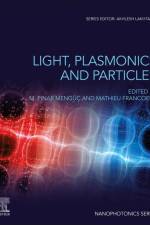
Light, Plasmonics and Particles focuses on the fundamental science and engineering applications of light scattering by particles, aerosols and hydrosols, and of localized plasmonics. The book is intended to be a self-contained and coherent resource volume for graduate students and professionals in the disciplines of materials science, engineering and related disciplines of physics and chemistry. In addition to chapters related to fundamental concepts, it includes detailed discussion of different numerical models, experimental systems and applications. In order to develop new devices, processes and applications, we need to advance our understanding of light-matter interactions. For this purpose, we need to have a firm grasp of electromagnetic wave phenomena, and absorption and scattering of waves by different size and shape geometrical objects. In addition, understanding of tunneling of waves based on electron and lattice vibrations and coupling with the thermal fluctuations to enhance near-field energy transfer mechanisms are required for the development of future energy harvesting devices and sensors.
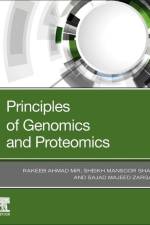
Principles of Genomics and Proteomics is the perfect reference for graduate students and researchers in these areas to understand its principles and execute precise and reproducible experiments. Following an introductory chapter, the book dives into proper research, including genome mapping. Experiments covered in the book span from Sangers Sequencing, Shotgun sequencing, SAGE analysis, DNA footprinting, Gel retardation, ChIP, and protein resolution methods, including PAGE, 2D gel electrophoresis and isoelectric focusing. Biophysical techniques are also described in detail, including ultraviolet and visible light spectroscopy, fluorescence spectroscopy, NMR and X-ray diffraction. A final proteome analysis is dedicated to functional analysis. Other chapters cover applications of omics technologies broadly. This book is the perfect reference for genetics labs around the world. Graduate students will benefit from the structured and detailed coverage of methods and established researchers will benefit from the book for staff training in research and may find it particularly helpful in enhancing reproducibility of experiments. --
Abonner på vårt nyhetsbrev og få rabatter og inspirasjon til din neste leseopplevelse.
Ved å abonnere godtar du vår personvernerklæring.