



Gjør som tusenvis av andre bokelskere
Abonner på vårt nyhetsbrev og få rabatter og inspirasjon til din neste leseopplevelse.
Ved å abonnere godtar du vår personvernerklæring.Du kan når som helst melde deg av våre nyhetsbrev.

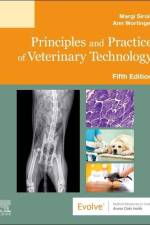
Develop strong critical thinking and independent work skills! Principles and Practice of Veterinary Technology, 5th Edition features more than 80 illustrated, step-by-step procedures that emphasize the technician's roles and responsibilities for all AVMA-required psychomotor techniques. This edition includes expanded coverage of complementary medicine, critical care, pet health insurance, and toxicology. Plus, dozens of summary tables and boxes make it easy to find key information. Step-by-step procedures include instructions for all AVMA-required psychomotor techniques, presenting complex procedures clearly and preparing you to master the essential skills required to become a successful veterinary technician. Clinical discussions clearly delineate the technician's role, enabling you to focus on your roles and responsibilities in every aspect of practice. Summary tables and boxes throughout the text condense complex, vital information, drawing your attention to key information and making it easy to understand. Thoroughly updated content throughout, including major updates to anesthesia, pain management, critical care, and infectious disease, provides the most up-to-date information in these critical areas.
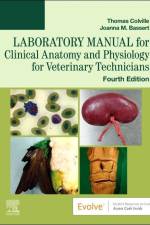
Revised edition of: Laboratory manual for clinical anatomy and physiology for veterinary technicians / Thomas Colville, Joanna M. Bassert. Third edition. [2016].
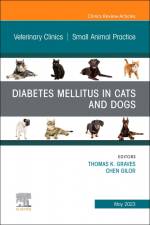
In this issue of Veterinary Clinics: Small Animal Practice, guest editors Drs. Thomas K. Graves and Chen Gilor bring their considerable expertise to the topic of Diabetes Mellitus in Cats and Dogs. Top experts in the field cover key topics such as hypoglycemia and autonomic failure in dogs; anesthetic considerations in dogs and cats with diabetes mellitus; insulin therapy in dogs and cats; hypersomatotropism and other causes of insulin resistance in cats; and more. Contains 14 relevant, practice-oriented topics including diabetic ketoacidosis and hyperosmolar hyperglycemic syndrome in dogs and cats; diabetes mellitus and the kidneys; continuous glucose monitoring in dogs and cats: applying new technology to an old problem; the role of nutrition in diabetes mellitus therapy; the future of diabetes therapies: ultra-long-acting insulin, smart insulin, novel GLP-1 analogs, SGLT-2 inhibitors and beta cell replacement therapy; and more. Provides in-depth clinical reviews on diabetes mellitus in cats and dogs, offering actionable insights for clinical practice. Presents the latest information on this timely, focused topic under the leadership of experienced editors in the field. Authors synthesize and distill the latest research and practice guidelines to create clinically significant, topic-based reviews.
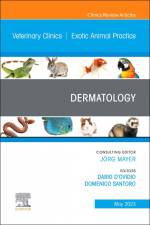
In this issue of Veterinary Clinics: Exotic Animal Practice, guest editors Drs. Dario d'Ovidio and Domenico Santoro bring their considerable expertise to the topic of Dermatology. Infectious and non-infectious dermatological diseases are very common in exotic animals and are one of the most frequently seen presenting complaints in exotic animal practice. In this issue, top experts discuss common infectious and non-infectious conditions, recent diagnostic tests, new drugs and therapies, and dermatoses with zoonotic potential as well as the measures to prevent their transmission to cohabitant human beings. Contains 14 practice-oriented topics on avian dermatology; rodent dermatology; novel therapies in exotic veterinary dermatology; immunotherapy in zoological medicine; dermatological issues in the red panda; and more. Provides in-depth clinical reviews on dermatology in exotic animal practice, offering actionable insights for clinical practice. Presents the latest information on this timely, focused topic under the leadership of experienced editors in the field. Authors synthesize and distill the latest research and practice guidelines to create clinically significant, topic-based reviews.
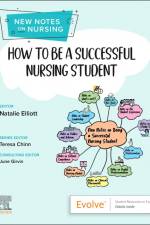
Welcome to nursing! How to be a Successful Nursing Student is the first volume in a new series created especially for you, the nursing student at the start of your nursing journey. It covers the most important elements required to study successfully, prepare effectively and get the most from your nursing degree, in order to excel in your career. You will also get an invaluable introduction to a range of key topics, covered in more detail in other books in the series. The New Notes on Nursing series presents key topics in a highly accessible way, without making assumptions about your existing knowledge. Concise volumes cover critical and emerging areas, including cultural competence, digital professionalism, politics and activism, clinical placements and more. The aim is to make content engaging and easy to absorb, focussing just on what is essential for success on your course. Using a relaxed writing style and an all-new design, these unique books provide personal guidance from experts and students alike. So when you are in a hurry and need a study companion you can trust, reach for New Notes on Nursing! Case studies and storytelling approaches help link theory to practice Graphics, icons and mind maps enhance the text and aid visual learners Written to show how specific knowledge relates to wider concepts Learning is presented in small, self-contained sections for quick location and digestion Terms and concepts are explained using simple language Content is clearly mapped to latest NMC standards Accompanying videos provide additional insights and bring study to life
Offering practical, comprehensive coverage of the many nuanced technical and clinical aspects of this growing field, Palliative Radiation Oncology provides up-to-date clinical guidance in a thorough yet concise manner. In an easy-access format, it integrates basic science, pathologies, and research with clinical applications, covering different ways to approach problems, tumor assessment, precise target definition, and dosing-specific guidelines to minimize side effects/toxicities while balancing with desired outcomes. Discusses optimal communication skills for pediatric, adult, and elderly patients. Contains decision-making algorithms to guide individualized palliative radiation oncology treatment plans. Reviews all the latest modalities with technical tips and pitfalls. Covers key procedures such as external beam radiation therapy, intensity modulated radiation therapy, stereotactic body radiation therapy, and stereotactic radiosurgery. Features step-by-step body site-specific guidelines with integrated symptom and toxicity management. Covers symptom and symptom-cluster management, including pain and psychosocial or spiritual distress. Ideal for radiation oncology residents, fellows, and practitioners, as well as medical oncologists, surgical oncologists, oncology nurses, and radiation technicians-all clinicians who work in this highly collaborative, team-based specialty. An eBook version is included with purchase. The eBook allows you to access all of the text, figures and references, with the ability to search, customize your content, make notes and highlights, and have content read aloud.
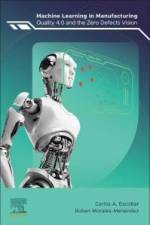
Machine Learning in Manufacturing: Quality 4.0 and the Zero Defects Vision reviews process monitoring based on machine learning algorithms and the technologies of the fourth industrial revolution and proposes Learning Quality Control (LQC), the evolution of Statistical Quality Control (SQC). This book identifies 10 big data issues in manufacturing and addresses them using an ad-hoc, 5-step problem-solving strategy that increases the likelihood of successfully deploying this Quality 4.0 initiative. With two case studies using structured and unstructured data, this book explains how to successfully deploy AI in manufacturing and how to move quality standards forward by developing virtually defect-free processes. This book enables engineers to identify Quality 4.0 applications and manufacturing companies to successfully implement Quality 4.0 practices.
In this issue of Neuroimaging Clinics, guest editors Drs. Pejman Jabehdar Maralani and Sean Symons bring their considerable expertise to the topic of Neurotrauma. Top experts in the field cover key topics such as conventional MRI in trauma management in adults and children; imaging approach to concussion; clinical updates on concussion; the current state of DWI/DTI for trauma prognostication; the current state of fMRI/rs-fMRI for trauma prognostication; and more. Contains 13 relevant, practice-oriented topics including MRI perfusion in traumatic brain injury; traumatic brain injury and vision; traumatic brain injury and cerebrovascular reactivity; SWI / qSM in traumatic brain injury; imaging of non-accidental trauma in children; advances in MRI related to TBI management; and more. Provides in-depth clinical reviews on neurotrauma, offering actionable insights for clinical practice. Presents the latest information on this timely, focused topic under the leadership of experienced editors in the field. Authors synthesize and distill the latest research and practice guidelines to create clinically significant, topic-based reviews.
In this issue of Hand Clinics, guest editors Drs. Rowena McBeath and Kevin C. Chung bring their considerable expertise to the topic of Current Concepts in Flexor Tendon Repair and Rehabilitation. Top experts in the field cover key topics such as staged flexor tendon reconstruction; tenolysis and salvage procedures; flexor tendon injuries and repair in children; flexor tendon avulsion and enthesis injuries; flexor tendon adhesion formation; and more. Contains 13 relevant, practice-oriented topics including principles of tendon structure, healing and the microenvironment; general principles of flexor tendon repair; surgical considerations: timing and choice of surgical repair technique and rehabilitation; therapy after flexor tendon repair; flexor tendon repair strategy and choice of therapy; and more. Provides in-depth clinical reviews on flexor tendon repair and rehabilitation, offering actionable insights for clinical practice. Presents the latest information on this timely, focused topic under the leadership of experienced editors in the field. Authors synthesize and distill the latest research and practice guidelines to create clinically significant, topic-based reviews.
In this issue of Facial Plastic Surgery Clinics, guest editors Drs. David B. Hom and Deborah Watson bring their considerable expertise to the topic of Reducing Risks in Surgical Facial Plastic Procedures. Despite the many benefits of facial plastic and reconstructive surgery, unfavorable outcomes and complications can occur even among experienced surgeons. In this issue, top experts discuss common risks and adverse events that may occur from a variety of procedures and describe ways to help prevent, manage, and treat them. Contains 17 practice-oriented topics on reducing risks for poor surgical wound healing, facial scarring, local skin flap failure, rhinoplasty, mandible and midface fracture repair, rhytidectomy, blepharoplasty, and more, as well as reducing legal risks and social media issues for cosmetic surgery. Provides in-depth clinical reviews on reducing risks in surgical facial plastic procedures, offering actionable insights for clinical practice. Presents the latest information on this timely, focused topic under the leadership of experienced editors in the field. Authors synthesize and distill the latest research and practice guidelines to create clinically significant, topic-based reviews.
In this issue of Rheumatic Disease Clinics, guest editors Drs. Eli Miloslavsky and Anisha Dua bring their considerable expertise to the topic of Vasculitis. Top experts in the field cover key topics such as vasculitis mimics and other related conditions; vasculitis and pregnancy: disease state and medication management; CNS vasculitis: PACNS and CNS manifestations of systemic vasculitis; ENT manifestations of vasculitis; isolated aortitis workup and management; and more. Contains 14 relevant, practice-oriented topics including peds vasculitis: Kawasaki's and COVID MIS-C; emerging therapies EGPA; managing immunosuppression in vasculitis patients in the time of COVID; future of vasculitis: DEI in vasculitis clinical trials, pathway targets, precision medicine, PROs, models for damage/relapse, biomarkers; and more. Provides in-depth clinical reviews on vasculitis, offering actionable insights for clinical practice. Presents the latest information on this timely, focused topic under the leadership of experienced editors in the field. Authors synthesize and distill the latest research and practice guidelines to create clinically significant, topic-based reviews.
Put essential OT information at your fingertips! Occupational Therapy Pocket Guide provides a quick reference that's ideal for use in the clinical setting. From evaluation and assessment through diagnoses and interventions, this handbook summarizes the details you need to know for safe, effective client rehabilitation. It also includes normal ranges for vitals and laboratory tests. Written by experienced occupational therapist Lyndsey Jarvis, this compact clinical reference makes lookup easy and helps you perform OT tasks and skills with confidence. Concise coverage provides a quick yet thorough overview of each OT topic Logical organization includes six separate sections: Assessment, Conditions, Additional Intervention, Education, Documentation, and Reference Tools. eBook version is included with print purchase. The eBook allows you to access all of the text, figures, and references, with the ability to search, customize your content, make notes and highlights, and have content read aloud.
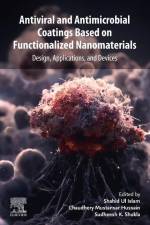
Antiviral and Antimicrobial Coatings Based on Functionalized Nanomaterials: Design, Applications, and Devices is the first book on functionalized nanoparticles-based coatings that encompasses the majority of aspects of antimicrobial and antiviral coatings. The use of functionalized nanoparticles has revolutionized all fields of science and engineering, and this book provides the reader with a fundamental, interdisciplinary look at this emerging field. It focuses on the most advanced coating systems being utilized by various industries including a discussion of the current challenges to be considered during manufacturing. This book provides both academics and those working in industry with a broad-based introduction to the area of modern antimicrobial coatings practices.
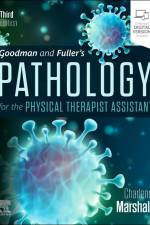
Gain an understanding of diseases and disorders to effectively assist the Physical Therapist! Goodman and Fuller's Pathology for the Physical Therapist Assistant, 3rd Edition provides a solid background in pathology concepts and how they affect the role of the PTA in client rehabilitation. With an easy-to-read approach, chapters define each disease or systemic disorder, then describe appropriate physical therapy assessments plus guidelines, precautions, and contraindications for interventions. Case studies show how treatment ideas may be applied in everyday practice. From PTA educator Charlene M. Marshall, this market-leading pathology text provides the practical tools required to treat patients knowledgeably and effectively. It also includes a fully searchable eBook version with each print purchase. Concise information on disease processes and systemic disorders provides a background in the underlying pathology of diseases, helping PTAs to ask their patients appropriate questions and to adapt therapeutic exercise programs. Easy-to-follow format is organized to first define each disorder, followed by sections on clinical manifestations and medical management. Chapter objectives, outlines, and vocab builders at the beginning of each chapter introduce the topics and terminology to be presented. Medical Management sections address diagnosis, treatment, and prognosis for each condition discussed. Focus on the Physical Therapist Assistant's role provides the PTA with specific guidelines to the rehabilitation process for patients with diseases and disorders. Special Implications for the PTA sections allow students to easily reference information on working with patients with specific diseases or pathologic conditions. Nearly 800 drawings and photos reinforce student understanding of diseases, conditions, and general pathology principles. Standardized terminology and language is consistent with the Guide to Physical Therapy Practice, familiarizing readers with the standard terminology used in PT practice. Abundance of tables and boxes summarize important points, making it easy to access key information. E-chapters add supplemental information on behavioral and environmental factors, the gastrointestinal system, the reproductive system, lab tests and values, and more. NEW! Updated and revised content throughout provides students with the current information they need to be effective clinicians. NEW! Clinical Pharmacology Spotlight provides an easy-reference summary of the basic pharmacology information for each pathology. NEW! eBook version is included with print purchase. The eBook allows students to access all of the text, figures, and references, with the ability to search, customize content, make notes and highlights, and have content read aloud.
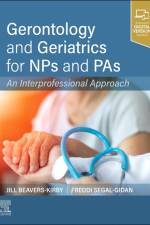
**Selected for Doody's Core Titles® 2024 in Geriatrics**Written by NPs and PAs who have a wealth of experience in the care of older adults across all practice settings, Gerontology and Geriatrics for NPs and PAs takes an evidence-based approach to both gerontology and geriatrics, incorporating the latest national and international guidelines and standards of care. This first-of-its-kind text takes an interprofessional, teamwork-based approach that reflects Interprofessional Education Collaborative (IPEC) core competencies, as well as the unique perspectives that NPs and PAs each bring to the collaborative care of older adults. Covers both primary care and acute care of older adults and fully addresses both graduate-level and practitioner core competencies necessary for optimal care of older adults. Places a strong emphasis on wellness (including nutrition and the Healthy People 2030 targets), normal aging, common syndromes of aging, disease management, patient safety (particularly in acute care settings), and a patient-centered care approach. Features vibrant, full-color illustrations, a full-color design for ease of navigation, and graduate-level learning features that include Key Points at the end of each chapter for quick reference and exam preparation. Addresses a wide range of topics specifically focused on the common medical problems of older adults, with chapters logically organized for efficient study and quick clinical reference. An eBook version is included with purchase. The eBook allows you to access all of the text, figures and references, with the ability to search, customize your content, make notes and highlights, and have content read aloud. Evolve Instructor site with an image collection and test bank is available to instructors through their Elsevier sales rep or via request at https://evolve.elsevier.com.
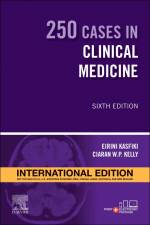
This unique book presents a wealth of information on common presentations and illnesses, presented as medical case studies. It is useful for exam preparation, as a quick reference guide for working doctors, and as an interesting read for all those interested in medicine. 250 Clinical Cases covers a wide variety of conditions, providing in-depth insights into the most relevant topics, classified by system. Cases are accompanied by common viva voce examination questions as well as more advanced level questions that will help the reader develop a deeper understanding. Now in its sixth edition, the book has been fully updated to reflect current evidence and relevance for working doctors. It will help everyone, from medical students to consultants, to find the hidden clinical gems and historical background they need to achieve true clinical excellence. 250 clinical cases in print - provides a comprehensive overview of all relevant topics Conversational and accessible style - suitable for medical students Based on the latest evidence - provides an ideal quick reference guide 'Ward round' type question and answer section - ideal for exam preparation Cases alphabetised by system for easy navigation Easily portable size - fits into any medical bag An enhanced eBook version is included with purchase. The eBook allows you to access all the text, figures and references, with the ability to search, customize your content, make notes and highlights, and have content read aloud Self-assessment by system Interesting medical emergency presentations Procedures for the core medical curriculum Topics updated for clinical relevance Multiple choice questions replaced with open answer questions
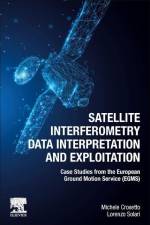
Satellite Interferometry Data Interpretation and Exploitation: Case Studies from the European Ground Motion Service (EGMS) focuses on the interpretation and exploitation of data obtained from InSAR, thus enabling millimeter-scale deformation measurements from space. The most emblematic InSAR service, the European Ground Motion Service (EGMS), opens a wide range of new applications. However, for effective use of raw data, interpretation techniques and methods are required. This book presents interpretation protocols that can be applied to any InSAR data, as well as the most relevant technical aspects and boundaries of measurement points. Detailed case studies are reviewed to demonstrate points. This book will be a valuable resource for remote sensing specialists, as well as non-specialists in geotechnics, geology and other geosciences who are looking to apply InSAR data techniques in their research.
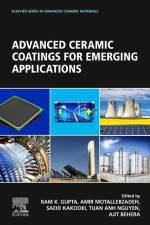
Advanced Ceramic Coatings for Emerging Applications covers new developments in automotive, construction, electronic, space and defense industries. The book is one of four volumes that together provide a comprehensive resource in the field of Advanced Ceramic Coatings, also including titles covering fundamentals, manufacturing and classification, energy and biomedical applications. These books will be extremely useful for academic and industrial researchers and practicing engineers who need to find reliable and up-to-date information about recent progresses and new developments in the field of advanced ceramic coatings. These books will also be of value to early career scientists providing background knowledge to the field. Smart ceramic coatings containing multifunctional components are now finding application in transportation and automotive industries, in electronics, and energy, sectors, in aerospace and defense, and in industrial goods and healthcare. Their wide application and stability in harsh environments are only possible due to the stability of the inorganic components that are used in ceramic coatings.
Polyurea: Synthesis, Properties, Composites, Production, and Applications is a comprehensive and practical guide to polyurea, a material used for its exceptional properties and performance in a range of high value industrial applications. Sections cover polyurea formulations and properties, comparing aromatic polyurea with aliphatic polyurea and computation modeling of properties for polyurea and polyurea composites. This is followed by in-depth coverage of synthesis, structure and production methods of polyurea, with the connections between production, performance and properties examined thoroughly. Other sections explain the preparation, characterization, modeling and applications of polyurea and polyurea composites with the required properties for specific advanced applications. Finally, environmental issues, recycling and future potential of polyurea are considered. This is a valuable resource for researchers and advanced students in polymer science, chemistry, composite science, civil engineering, materials science and mechanical engineering, as well as R&D professionals, engineers and industrial scientists with an interest in polyurea-based materials for advanced applications.
Geoinformatics for Geosciences: Advanced Geospatial Analysis using RS, GIS and Soft Computing is a comprehensive guide to the methodologies and techniques that can be used in Earth observation data assessments, geospatial analysis, and soft computing in the geosciences. The book covers a variety of spatiotemporal problems and topics in the areas of the environment, geohazards, urban analysis, health, pollution, climate change, resources and geomorphology, among others. Sections cover environmental and climate issues, analysis of geomorphological data, hazard and disaster impacts, natural and human resources, the influence of environmental conditions, geohazards, climate change, geomorphological changes, etc., and socioeconomic challenges. Detailing up-to-date techniques in geoinformatics, this book offers in-depth, up-to-date methodologies for researchers and academics to understand how contemporary data can be combined with innovative techniques and tools in order to address challenges in the geosciences.
Designer Cropping Systems for Polluted Landexplores the processes and techniques of making polluted land safe for planting edible and non-edible crops. The book provides readers and practitioners with a comprehensive understanding of contaminated land use through designer cropping systems. It seeks to present promising and affordable practices for transforming polluted lands while also providing an excellent basis from which scientific knowledge can grow and widen in the fields of phytoremediation-based biofortification.
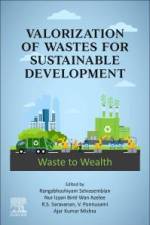
Valorization of Wastes for Sustainable Development: Waste to Wealth highlights the various valorization of organic and non-organic waste to offer a way forward to a sustainable world. Categorizing the various types of waste valorization for renewable fuel production and other valorizations utilizing organic and non-organic waste, this book offers the reader a comprehensive view of various waste valorizations together with their potential applications. Split into four sections, the book's chapters cover the general scenarios and challenges of current waste management and the valorization of waste specifically for renewable fuels as the alternative energy source to depleting fossil fuels. Other chapters cover waste valorizations categorized into organic and non-organic waste for various applications and the future prospect of waste valorizations with possible plans and strategies for effective global waste management.
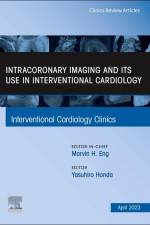
In this issue of Interventional Cardiology Clinics, guest editor Dr. Yasuhiro Honda brings his considerable expertise to the topic of Intracoronary Imaging and Its Use in Interventional Cardiology. Intracoronary imaging has the capability of accurately measuring vessel and stenosis dimensions, assessing vessel integrity, characterizing lesion morphology, and guiding optimal percutaneous coronary intervention (PCI). In this issue, top experts bring you fully up to date with recent advances in this fast-changing field. Contains 15 practice-oriented topics IVUS-guided PCI; IVUS+OCT hybrid catheter system; OCT in vulnerable plaque and ACS; NIRS-guided PCI; serial monitoring of disease progression or regression; assessment of cardiac allograft vasculopathy; intravascular imaging-based physiologic assessment; and more. Provides in-depth clinical reviews on intracoronary imaging and its use in interventional cardiology, offering actionable insights for clinical practice. Presents the latest information on this timely, focused topic under the leadership of experienced editors in the field. Authors synthesize and distill the latest research and practice guidelines to create clinically significant, topic-based reviews.
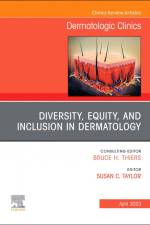
In this issue of Dermatologic Clinics, guest editor and Vice Chair for Diversity, Equity and Inclusion, Department of Dermatology at the University of Pennsylvania, Dr. Susan C. Taylor brings her considerable expertise to the topic of Diversity, Equity, and Inclusion in Dermatology. Top experts in the field cover key topics such as social identity; unconscious bias; race, racism and structural racism in medicine; understanding and addressing microaggressions in medicine; gender equity in medicine and dermatology; equity for sexual and gender minority persons in medicine and dermatology; and more. Contains 16 relevant, practice-oriented topics including cultural competence or humility; diversity, equity and inclusion in dermatology workforce and academic medicine; racial disparities in research and clinical trials; diversity, equity and inclusion initiatives in dermatology organizations; steps leaders can take to increase diversity, enhance inclusion and achieve equity; and more. Provides in-depth clinical reviews on diversity, equity, and inclusion in dermatology, offering actionable insights for clinical practice. Presents the latest information on this timely, focused topic under the leadership of experienced editors in the field. Authors synthesize and distill the latest research and practice guidelines to create clinically significant, topic-based reviews.
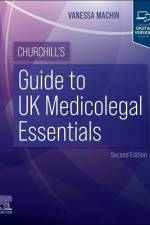
Churchill's Guide to UK Medicolegal Essentials provides a no-nonsense guide to managing those everyday clinical scenarios that have potential or obvious legal implications. With a clear, practical and easy-to-read style, it takes you through everything that you need to know including the UK legal systems, complaints handling, clinical governance and risk management, disciplinary procedures, and how the law relates to alcohol, drugs, mental health and end of life. This is an ideal book for medical, nursing, dental and paramedic students preparing for exams or interviews, all grades of healthcare professionals, police staff, and anyone needing a brief overview of the legal intricacies of medical practice. Defines the law of England and Wales, Scotland and Northern Ireland Provides tips on preparing a police statement, appearing in court and obtaining forensic samples Scenarios and questions to bring the law to life Filled with practical advice to help you understand and minimise risks to your practice Covers risk management, which is central to Government health policies An enhanced eBook version is included with purchase. The eBook allows you to access all the text, figures and references, with the ability to search, customize your content, make notes and highlights, and have content read aloud Comprehensive update of all areas of medical law New chapter on the Sexual Offences Act 2003 New questions and scenarios to test your knowledge and understanding
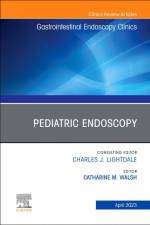
In this issue of Gastrointestinal Endoscopy Clinics of North America, guest editor Dr. Catharine M. Walsh brings her considerable expertise to the topic of Pediatric Endoscopy. Since its inception in the early 1980s, pediatric endoscopy has seen dramatic innovations in both diagnostic procedures and advanced procedures that are increasingly being performed by pediatric trained endoscopists. In this issue, top experts bring you fully up to date with recent advances in this fast-changing field. Contains 14 practice-oriented topics including pediatric unsedated transnasal endoscopy; tools for improving quality in pediatric endoscopy; artificial intelligence in pediatric endoscopy; advances in endoscopy for pediatric inflammatory bowel disease; and more. Provides in-depth clinical reviews on pediatric endoscopy, offering actionable insights for clinical practice. Presents the latest information on this timely, focused topic under the leadership of experienced editors in the field. Authors synthesize and distill the latest research and practice guidelines to create clinically significant, topic-based reviews.
Precambrian Geotectonics in the Himalaya provides a deep overview on geology and tectonics of the Precambrian domains of the Himalaya. Authored by an expert with over five decades of work in Precambrian Himalaya, the book studies 'Window' zones to provide a scope for understanding Precambrian deformation effects. The book specifically covers the holistic Precambrian geotectonic of the terrain and revises the subduction-back thrusting model of the Cenozoic evolution. Considering Precambrian regional events are not clearly recognised or visualised in many sectors due to overlapping crystallines, this book details a Precambrian geotectonic framework of the terrain on which the Himalayan event evolved. Precambrian Geotectonics in the Himalaya is a necessary reference for Earth scientists, exploration and hazard management scientists, professors (and students) who carry out research what requires a comprehensive picture of the Precambrian Himalaya and in totality with the adjacent peninsula.
Edited and written by pioneers and experts in the field, Treatment of Acetabular Bone Loss and Chronic Pelvic Discontinuity is the first text to provide focused, practical content on the effective evaluation and treatment of this challenging problem. Comprehensive and easy to follow, it offers a step-by-step approach to teach surgeons how to tailor their surgery to each individual patient's anatomy with the goal of improving patient outcomes. Provides focused content in a templated, easy-to-read format, with expert commentary from a global team of authors who are renowned for their particular surgical technique. Includes case examples, surgical pearls to follow, and common tendencies to avoid in order to prevent complications and optimize surgical outcomes. Contains high-quality photos throughout that walk you through the procedures. Features videos for each surgical technique, allowing you to preoperatively plan for highly complex surgical techniques and access all alternative techniques in one location. An eBook version is included with purchase. The eBook allows you to access all of the text, figures and references, with the ability to search, customize your content, make notes and highlights, and have content read aloud.Â
Abonner på vårt nyhetsbrev og få rabatter og inspirasjon til din neste leseopplevelse.
Ved å abonnere godtar du vår personvernerklæring.