









Gjør som tusenvis av andre bokelskere
Abonner på vårt nyhetsbrev og få rabatter og inspirasjon til din neste leseopplevelse.
Ved å abonnere godtar du vår personvernerklæring.Du kan når som helst melde deg av våre nyhetsbrev.

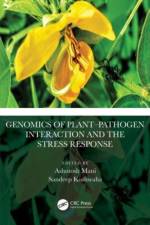
Plants are an indispensable part of human and animal lives for nutrition and health. But pests, diseases and abiotic stress adversely affect crop yield, which ultimately places significant pressure on society to provide food to an increasing population. Moreover, it also encourages increased chemical/pesticide usage on crops, which we see in the biomagnification of toxic and hazardous compounds polluting water bodies, soil and the environment. This condition will continue to worsen in the future due to the resistance-acquiring ability of pathogens against plant defense and chemical treatments. In addition, environmental disturbances and consumer health issues are being reported more promptly than before due to intensive use of pesticides in food production. Plant diseases affect our daily lives, as the use of insecticides and pesticides has become part of our food chain. As a result, precise disease diagnosis and management is crucial in order to avoid huge losses in plant production and related commodities. Accurate detection, precise diagnosis and proper management can play a significant role in keeping plants free from pathogens. In this book, scientists, researchers and scholars share their research knowledge, offering a valuable resource for understanding plant diseases, pathogen interaction and responses to stress through an omics perspective, contributing to further advancements in the fieldDiseases in plants may be caused by various factors, such as viruses, bacteria, fungi and abiotic stress. Disease causes low crop yield, production of poor-quality fruits and grains, and deficiency of nutrients, which have a direct impact on human and animal health. A genomics-based approach can be applied to disease diagnosis; disease outbreak; evolution of plant and pathogen genome for disease outbreak in relation to climate change; and development of long-term strategies for plant health and defense. This book presents an overview of omics technologies and approaches used to understand: the relation between plants and their environment in terms of diseases responses to abiotic stress the genomics of plant-pathogen interaction herbicide-resistance mechanisms the epigenetics of plant-pathogen interaction gene regulation during abiotic stress response the oxidative stress response
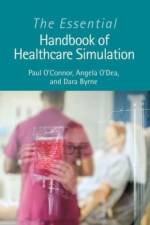
Based on an award-winning postgraduate course, this text provides the background knowledge required to: run a healthcare simulation centre; use simulation for training and education; and support simulation-based quality improvement and research activities.
This is the second volume of the Belov/Karasik/Rowen/Vishne book on the Computational Aspects of Polynomial Idenities . This volume will begin with the characteristic p version of Specht's conjecture for affine PI-algebras. The remainder of volume II is concerend with related versions of specht's conjecture including algebras with involution and non associative algebras including altrernative algebras, Jordan algebras and Lie algebras.
The Path of Flames: Understanding and Responding to Fatal Wildfires is an edited volume covering the complexities of response and recovery issues relative to catastrophic wildfires.As wildfires become more frequent throughout the world--and the loss of life greater, especially among residents trapped in the path of the flames--it is essential that agencies in fire-prone areas understand the complexity of the response as it relates to finding and identifying the remains of those who perished. While covering wildfire dynamics, risks for vulnerable populations, and the emergency response to wildfires, this book focuses largely on the recovery of human remains within the context of the overall response to mass disasters resulting from wildfires. As such, search protocols, staffing needs, pre-event coordination and organization, and logistical support are addressed. The scientific basis for understanding how fire will affect human remains--as well as how the level of destruction can be interpreted--is also addressed.Recognizing the multidisciplinary nature of the field, this volume covers forensic issues relating to the recovery of remains, forensic anthropology, DNA analysis, forensic odontology, and forensic pathology. The book also includes contributions from international wildfire response professionals looking at global best practices in wildfire response and human remains recovery. Specifically, several chapters cover the lessons learned from the devasting Camp Fire of 2018 in California that led to the deaths of 85 people. The Camp Fire burned nearly 19,000 structures and was ultimately the most destructive--and deadly--in California's history.The Path of Flames is a one-of-a-kind reference that serves as a valuable resource for professionals working in the areas of emergency services, search and rescue, law enforcement, fire service, disaster planning and response, victim recovery and identification, and mass disaster and mass fatality response.
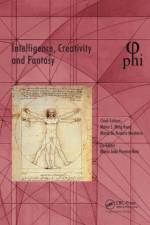
The texts presented in Proportion Harmonies and Identities (PHI) - INTELLIGENCE, CREATIVITY AND FANTASY were compiled with the intent to establish a multidisciplinary platform for the presentation, interaction and dissemination of research. The aim is also to foster the awareness and discussion on the topics of Harmony and Proportion with a focus on different visions relevant to Architecture, Arts and Humanities, Design, Engineering, Social and Natural Sciences, and their importance and benefits for the sense of both individual and community identity. The idea of modernity has been a significant motor for development since the Western Early Modern Age. Its theoretical and practical foundations have become the working tools of scientists, philosophers, and artists, who seek strategies and policies to accelerate the development process in different contexts.
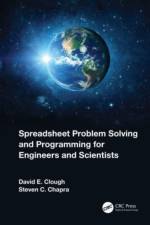
Spreadsheet Problem Solving and Programming for Engineers and Scientists provides a comprehensive resource essential to a full understanding of modern spreadsheet skills needed for engineering and scientific computations.Beginning with the basics of spreadsheets and programming, this book builds on the authors' decades of experience teaching spreadsheets and programming to both university students and professional engineers and scientists. Following on from this, it covers engineering economics, key numerical methods, and applied statistics. Finally, this book details the Visual Basic for Applications (VBA) programming system that accompanies Excel.With each chapter including examples and a set of exercises, this book is an ideal companion for all engineering courses and also for self-study. Based on the latest version of Excel (Microsoft Excel for Microsoft 365), it is also compatible with earlier versions of Excel dating back to Version 2013. Including numerous case studies, this book will be of interest to students and professionals working in all areas of engineering and science.
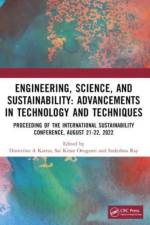
ISC 2022 is dedicated to the Niti Aayog policies to promote sustainability through exchange of ideas emerging out of the academia. The ISC is an annual conference that is held in virtual mode until COVID restrictions on travel exist. The vision of the conference is to capacitate Academia with the necessary ideas that provide insights of the grassroot level development to various stakeholders of the Niti-Aayog policies. Towards this goal, the conference creates a conjunction of various stakeholders of Niti-Aayog policies that include- academic institutions, government bodies, policy makers and industry. The ISC organizers make concerted efforts to promote academic research that would technological, scientific, management & business practices, and insights into policy merits & disruptions. The framework of exchange of ideas is geared towards adoption of deep technologies, fundamental sciences & engineering, energy research, energy policies, advances in medicine & related case studies. This framework enables the round table discussions between the academia, industry and policy makers through its range of plenary and keynote speakers.
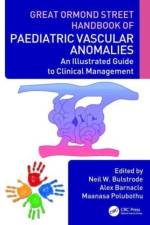
This new text from the Great Ormond Street Hospital team is a practical guide to the current multi-disciplinary clinical management of paediatric vascular anomalies. Aiming to share their valuable expertise, this book offers a much-needed clinical resource for the multi-disciplinary team. From haematology to orbital vascular malformations, this text provides a comprehensive overview of paediatric vascular anomalies, offering a wealth of tips from practical experience. Including illustrations from current practice, this book is a valuable addition to all those involved in the care of children with these rare conditions.
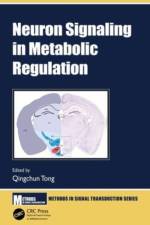
This book focuses on neuron signaling in the regulation of metabolism and body weight, and especially on methods used in these studies. Obesity and related metabolic syndromes have reached epidemic status, but still are no effective strategies for prevention and treatment. Body weight homeostasis is maintained by balanced food intake and energy expenditure, both of which are under the control of brain neurons. In the recent years, significant progress has been made in identifying specific neurons, neural pathways, and non-neuron cells in feeding regulation, as well as in delineating autonomic nervous systems targeting peripheral metabolic tissues in the regulation of energy expenditure and metabolism. This book reviews recent progress on important neuron signaling for body weight and metabolic regulation and the state-of-the-art methods that has been applied in this field, ranging from animal models with neuron-specific manipulations, pharmacology, optogenetics, in vivo Ca2+ imaging, and viral tracing. Readers will be exposed to latest research frontiers on neuron regulation of metabolism.Key FeaturesExplores the role signaling between neurons plays with respect to metabolismDocuments how neurotransmitters affect the regulation of feedingDescribes various methods and technologies used to study the neuronal control of metabolismIncludes contributions from an international team of leading researchers.Related TitlesLim, W. & B. Mayer. Cell Signaling: Principles and Mechanisms (ISBN 978-0-8153-4244-1)Feltz, A. Physiology of Neurons (ISBN 978-0-8153-4600-5)Zempleni, J. & K. Dakshinamurti, eds. Nutrients and Cell Signaling (ISBN 978-0367-39307-6)
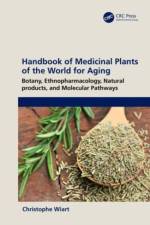
Handbook of Medicinal Plants of the World for Aging: Botany, Ethnopharmacology, Natural Products, and Molecular Pathways provides an unprecedented comprehensive overview of more than 100 plants used globally as medicine with the potential to prevent premature aging. This handbook covers the pathophysiology of aging from the molecular and cellular to the organ levels, as well as the current state of knowledge about the modes of action of natural products from plants on the pathophysiological pathways related to the (i) cardiovascular system and metabolism, (ii) central nervous system, (iii) kidneys, (iv) bones, (v) skin and hair, and (vi) immune system.Medicinal plants are presented alphabetically. For each plant is indicated the botanical family, synonyms, and common names in English, French, German, Portuguese, Russian, and Spanish. For each plant, the reader will also □find the part used, active principles, medical history, contemporary medicinal uses, as well as pharmacological, clinical, and toxicological studies. The bibliographical references have been carefully selected for their relevance. This handbook is intended for medical doctors, nurses, pharmacists, dieticians, and nutritionists, as well as readers with interest in health food and herbs.FEATURES Alphabetical presentation of over 100 medicinal plants and the pharmacological rationales for their uses for aging Discusses the medical history, current medicinal uses, and potential candidates for the prevention of premature aging Introduces the molecular mechanism of natural products on the pathophysiology of aging Contains a selection of bibliographic references A useful research tool for postgraduates, academics, and the pharmaceutical, herbal, or nutrition industries Handbook of Medicinal Plants of the World for Aging: Botany, Ethnopharmacology, Natural Products, and Molecular Pathways presents comment sections that invite further research and reflection on the fascinating and timely subject of herbals for healthy aging. This is an ideal reference text for medicinal plant enthusiasts.
Although we live in an era of evidence-based medicine, case histories have always had an important role in medical education. This book aims to provide complex case-based learning in pleural medicine, which is an integral part of respiratory medicine. It delivers practical knowledge learned through the experience of leading international authorities. Each case comprises clinical history, investigations, diagnosis, management, and detailed answers with discussion and key points. These interesting/challenging/puzzling real case histories will stimulate the reader's mind with interactive questions and answers, imparting in-depth knowledge in diagnosis and management of complex pleural cases. Key Features: 1. Contains images and videos of challenging cases to aid learning for speciality and certification exams 2. Serves as an invaluable resource for pulmonologists, radiologists, critical care physicians, and trainees 3. First case history-based book to be published exclusively for pleural medicine.
Genodermatoses are often considered rare diseases seldom seen by practicing clinicians, but as a result, professionals often have little experience or confidence with their diagnosis when they are called upon for a clinical case.This text presents a comprehensive illustrated overview of almost 200 inherited diseases of the skin, hair, and nails. Examples have been expanded, with new images added to provide clear examples, alongside coherent and comprehensive explanations to enable clinicians to easily identify and source relevant information. This resource encompasses a varied range of skin diseases, providing accessible and in-depth information to help familiarise clinicians. The entry for each disease provides background, followed by common characterisations, manifestations, laboratory findings, genetics, cutaneous and extracutaneous findings, differential diagnosis, an overview of complications and recommended follow-ups.Authored by dermatologists and geneticists, this is an atlas of scientific research which updates established information with current studies and references. In its third edition, this text becomes an invaluable resource for dermatologists and pediatricians.
Advance Praise for Partnering with Microsoft: 'Partnering with Microsoft is the first great book about the breathtaking culture, opportunity and roadmap for joining Microsoft's 850,000 partners cutting an impressive B swath in the marketpl
First Published in 1985, this book offers comprehensive insight into the process of administering chemical ingredients. Carefully compiled and filled with a vast repertoire of notes, diagrams, and references this book serves as a useful reference for students of pharmacology and other practitioners in their respective fields.
Most of Indonesian population live in rural areas, and the majority of poor people also live in rural areas, namely 13.47% in rural and 7.26 in urban. In the past decades, rural communities as well as the ecology have changed fundamentally. Many factors contribute to this transformation: development programs from the government as well as from private and NGOs; the diffusion of information technology; the development of transportation facilities; the rise of education and health levels, interaction with "outsiders", and so on.A main driving factor for rural development has been agrarian liberalization. This can be seen in the development of transnational plantations, which trigger land grab and rise of land demand. Development trough liberalization also had a negative impact, since the development of modern and industrialized agriculture affected the environment, and the expansion of plantations caused changes in the agricultural systems of villages and the life orientation of local communities. Interventions in villages by private companies, intermediary institutions no doubt have brought a structural transformations in rural live: local institutions, livelihood systems, population structures, ecosystems, and relation to the land.Unfortunately, the social, economic, cultural, and ecological transformation of the rural community not always produces improvement of quality of life for the rural community. At the same time, information and data related to rural transformations are scarcely available at research institutions, universities, NGOs, private enterprises. Rural Socio-Economic Transformation: Agrarian, Ecology, Communication and Community, Development Perspectives discusses many aspects of the social, economic, cultural, and ecological transformation of rural life in Indonesia, and is of interest to academics and policy makers interested or involved in these areas.
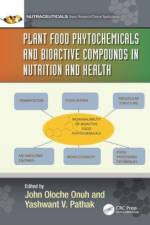
Plant Food Phytochemicals and Bioactive Compounds in Nutrition and health provides a comprehensive review of the current state of knowledge in the field of bioactive plant phytochemical compounds, their food sources, bioactivities, bioavailability, extraction, production, and applications.
First Published in 1985, this book offers a full insight into the differences and similarities between varying diseases. Carefully compiled and filled with a vast repertoire of notes, diagrams, and references this book serves as a useful reference for students of medicine and other practitioners in their respective fields.
Most people-including many legislators, regulators, and other decision makers in the electric utility industry-have misconceptions about how electric utilities really "e;work"e; and plan for the future. This lack of understanding can lead to poorly informed decisions and policies that directly affect the choices utilities must make.Using easy-to-understand text and examples, Electric Utility Resource Planning: Economics, Reliability, and Decision-Making clarifies how utilities operate their systems and prepare for the future. This explanation will show readers that both expected and counterintuitive results can occur (i.e., conservation might result in higher air emissions, or lowering costs could lead to higher electric rates).Taking readers step by step through this process, the book (in the following order):"e;Creates"e; a hypothetical utilityExplains how and why a utility operates its system of generating units Discusses the planning methods that a utility would (or should) useGuides readers through each stage of a planning analysis for the hypothetical utility, examining various resource options (conservation, new power plants, and solar)In addition, the author introduces four Fundamental Principles of Resource Planning that should guide utilities. He also offers opinions on how certain trends in utility regulation and legislation can hinder utility planners' efforts to identify and select the best resources for the utility's customers.With this book, author Dr. Steven Sim applies his experience and insights from more than two decades of resource planning for Florida Power and Light (FPL). As one of the largest utilities in the United States, FPL has faced a multitude of resource planning challenges, and Dr. Sim has performed and supervised thousands of analyses designed to meet these obstacles. He has also served as an FPL witness in regulatory hearings on a wide variety of topics, ranging from the economic implications of nuclear, conservation, coal, gas, and other resource options, to the non-economic impacts (air emissions, fuel usage, system reliability, etc.) they present.
Drawing on the vast amount of experience the author has gained from working in industrial and university laboratories, this collection of excerpt reports contains essential details from literature relevant to the synthesis of compounds on a milligram to kilogram scale. The excerpts are composed using ChemDraw software and compiled in a Word document. A number of the compounds that have eluded efficient preparation in the past are now presented. Material which will improve any chemist's existing synthetic methodology can be found here. Each of the six chapters, with eighty excerpts, illustrates a novel application of syntheses selected from twenty-first-century literature. Features: This professional text describes many of the classical and contemporary methods of synthesis that have recently found great value in the preparation of needed target compounds in the required quantities. Each example is extracted from a specific literature publication, which the user then would examine for details. This user-friendly professional text provides enormous aid in designing synthetic sequences. Appeals to a broad audience in both academic and industrial laboratories, basically any chemist in need of designing a synthetic sequence or just selecting a single reaction. Author has a vast amount of experience gained from working in academic and industrial laboratories.
How is modern medicine failing? Why is a more human approach required? This book challenges the dogma of modern technological medicine that ignores both the therapeutic effect of the doctors and the self-healing powers of the patient. It reviews the vast weight of evidence on the effectiveness of this 'human effect', and uses the evidence to describe how to use the human effect in everyday practice. This book is about a vision. A vision that practitioners and patients will recognise and regain their therapeutic potential. It provides a shift in perspective on what doctors can achieve. Thoroughly referenced, it is vital for general practitioners, and also very relevant to all doctors, nurses, health managers, policy makers and indeed patients. 'Pendulums swing in most fields of life, and medicine and general practice are no exceptions. At the mid-point of the twentieth century the human side of medicine was well understood and implicitly accepted by most working practitioners. As the century progressed, the personal aspects came second (but now) the pendulum of thought has started to swing back again towards the personal.
Linear Models and the Relevant Distributions and Matrix Algebra: A Unified Approach, Volume 2 covers several important topics that were not included in the first volume. The second volume complements the first, providing detailed solutions to the exercises in both volumes, thereby greatly enhancing its appeal for use in advanced statistics programs. This volume can serve as a valuable reference. It can also serve as a resource in a mathematical statistics course for use in illustrating various theoretical concepts in the context of a relatively complex setting of great practical importance. Together with the first volume, this volume provides a largely self-contained treatment of an important area of statistics and should prove highly useful to graduate students and others.Key Features: Includes solutions to the exercises from both the first and second volumes Includes coverage of several topics not covered in the first volume Highly valuable as a reference book for graduate students and researchers
This book describes in detail the basic context of the Banach setting and the most important Lie structures found in finite dimension. The authors expose these concepts in the convenient framework which is a common context for projective and direct limits of Banach structures. The book presents sufficient conditions under which these structures exist by passing to such limits. In fact, such limits appear naturally in many mathematical and physical domains. Many examples in various fields illustrate the different concepts introduced.Many geometric structures, existing in the Banach setting, are "stable" by passing to projective and direct limits with adequate conditions. The convenient framework is used as a common context for such types of limits. The contents of this book can be considered as an introduction to differential geometry in infinite dimension but also a way for new research topics.This book allows the intended audience to understand the extension to the Banach framework of various topics in finite dimensional differential geometry and, moreover, the properties preserved by passing to projective and direct limits of such structures as a tool in different fields of research.
Taking a holistic approach, this book describes the developments in medicine and medical technology from ancient times to modern days. It is an exciting journey where readers will learn about the many great inventions by people that did not take the knowledge of their times as a fact. They challenged mysticism, beliefs, the religion, and the Church. They were true scientists long before we knew how to define what a scientist is. This book is, in a way, connecting the dots between the past and the future within healthcare.Features * Provides details on further developments that gave new and exceptional information for diagnostic or therapeutic purposes Gives the reader a new perspective and a common thread of life on medicine and MedTech as well as an improved understanding of how far we have come and how much there still is to work on before we fully understand the human body and its functionality Discusses and gives insight into ongoing research projects that could become clinically available in the future
The book titled Biogenic Nanomaterial for Health and Environment covers the synthesis, characterization, and applications of nanomaterials synthesized using living organisms, like bacteria, algae, fungi, plants, and biomolecules derived from them. This book is intended to meet the needs of undergraduate and graduate-level students of chemistry, biology, nanotechnology, and chemical engineering disciplines. The book will also serve as a useful reference work for researchers working in the fields of nanochemistry, material science, biology, and industrial chemistry.FEATURES A systematic overview of the biogenic synthesis nanomaterial. Recent research results and pointers to the advancement in the field. Discussion of putative applications of biogenic nanomaterials in health and the environment, with a main emphasis on biocidal activity, disease diagnosis, drug delivery, and sensing and remediation of pollutants from the environment. This book is compiled in such a way that it aids in understanding the underpinning concepts of the biogenic synthesis of nanoparticles. The biogenic synthesis of nanoparticles delivers more important and effective prospects for nanotechnology researchers. The biomass derived from various organisms acts as a template for the synthesis of nanoparticles with desired structural and featural aspects. The rewards of employing biomass and molecules derived from organism of choice in the synthesis process of nanoparticles are able to enhance the electrochemical consistency, control particle size, reduce toxicity, and escalate reactivity in an eco-friendly way. This book will provide the latest insights into the synthesis of nanomaterials employing biomass, cell extract, or as a whole, of various organisms and their roles in the health and remediation of the environment.
There is a growing concern among Chinese researchers and policymakers about China's industrial development being unsustainable and the irreversible depletion of natural resources and deterioration of the ecological environment. The relationship between industrial development, pollution and the environmental quality is an important issue that deserves careful study. Environmental considerations play a crucial role in shaping China's development strategies. Green development of China creates strong pressures for continuous transforming, upgrading and restructuring of the Chinese economy. This book explores how China's industrial development relates to pollution and environmental quality, and how considerations about such issues associated with the ecological system affect China's development strategies.
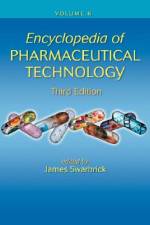
Presenting authoritative and engaging articles on all aspects of drug development, dosage, manufacturing, and regulation, this Third Edition enables the pharmaceutical specialist and novice alike to keep abreast of developments in this rapidly evolving and highly competitive field. A dependable reference tool and constant companion for years to come, the Third Edition will offer completely new entries that cover critical issues in the field such as the impact of genomics, biotechnology, and implants on drug discovery, targeting, delivery, and formulation. In addition, it will address new regulatory issues, such as the changes in advertising regulations, and emerging FDA procedures.
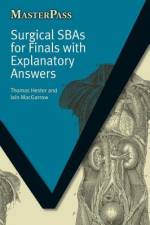
Single best answer (SBA) questions are increasingly popular in medical examinations, and can be challenging: more than one answer may at first appear correct, creating pitfalls for the unwary. This book has been written for medical students throughout their clinical years, including a mixture of clinical and basic science questions that cover the essential topics of surgery. The questions test and reaffirm knowledge through clinical scenarios, making the subject matter engaging, enjoyable and memorable. Explanatory answers both aid learning and help candidates identify areas where further revision is needed.
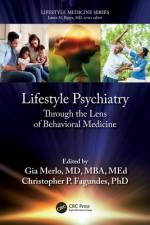
Lifestyle medicine is a practice which adopts evidence-based lifestyle interventions as a primary modality to prevent, treat, and reverse chronic diseases. The six main pillars of this specialty include physical activity, nutrition, stress resilience, cessation or risk reduction of substance use, quality sleep, and connectivity. Lifestyle Psychiatry: Through the Lens of Behavioral Medicine is grounded in the same pillars, drawing upon theories, methods, and empirical findings from health psychology and behavioral medicine. Lifestyle psychiatry is a rapidly emerging area within healthcare informed by rigorous research within the social and biological sciences, public health, and medicine. A volume in the Lifestyle Medicine series, this book uses a comprehensive biopsychosocial approach to prevent and treat psychiatric disorders and promote mental and physical well-being through evidenced-based lifestyle interventions. Features: Draws upon theories, methods, and empirical findings from health psychology and behavioral medicine.Provides evidence-based research on the bi-directionality of mental and physical health.Addresses fundamental neuroscience concepts and applies them to practical aspects of lifestyle practices, mental health, and brain health. Appropriate for clinicians, primary care physicians, and those practicing in specialized areas, the information in this book provides users with practical tools to help explain, prevent, and treat psychiatric disorders and associated maladaptive health behaviors in patients.
Forensic Gait Analysis examines the inter-section of podiatric medicine with forensic investigation--that which links or dissociates a suspect to a crime through analysis of their gait, that is their movement--how an individual walks, runs, and bends. This book provides a concise explanation of how an individual's gait and biomechanics are forensically analysed and compared, using video imagery in the process of human identification and investigations. Along with the presentation and delivery of material with case law references illustrating the use of expert evidence. Gait analysis is a long-standing component of the diagnostic and therapeutic tool set of medical disciplines, although the knowledge goes back much further.The area has also captured the interest of technology engineers and others, as the development and use of forensic gait analysis as an investigative and evidential device continues to widen. Features: - Presents succinct knowledge on forensic gait analysis.- 100+ illustrations with photographs and diagrams; over 850 references.- Considers the technical and scientific basis of the field including, the history of gait, musculoskeletal, neurology, emotions and gait, forensic statistics, photogrammetry, and recognises the trajectory of development into IT and software solutions.- Coverage on CCTV imagery and other video footage for use in the process of identification and investigations.- Details are provided on report writing and giving expert evidence in the legal systems.- Contributors across all subject areas.This definitive fully referenced text on Forensic Gait Analysis is a welcome publication for healthcare professionals, lawyers, counsel, investigators, forensic practitioners, and students wishing to know more on the subject and this growing domain.
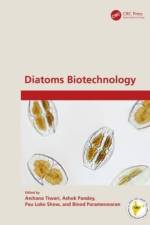
This book covers biotechnology and applications of diatoms including various applications such as the use of diatom biogenic silica in drug delivery and their cultivation for wastewater remediation. It contains case studies in diatom biorefinery and provides information about the bioactive compounds, antioxidants, and lipids from diatoms. It also discusses the latest innovations in the genetic engineering of diatoms. Key Features: Discusses the applications of diatoms in drug delivery Covers the application and cultivation of diatoms for wastewater bioremediation Describes the innovations and gaps in genetic engineering of diatoms Throws light on the lipid content, antioxidant content, and various bioactive compounds present in diatoms Includes extraction technologies in diatoms The book is meant for academicians and microbiologists, biotechnologists, and marine biologists.
Abonner på vårt nyhetsbrev og få rabatter og inspirasjon til din neste leseopplevelse.
Ved å abonnere godtar du vår personvernerklæring.