








Gjør som tusenvis av andre bokelskere
Abonner på vårt nyhetsbrev og få rabatter og inspirasjon til din neste leseopplevelse.
Ved å abonnere godtar du vår personvernerklæring.Du kan når som helst melde deg av våre nyhetsbrev.

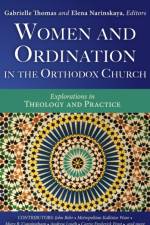
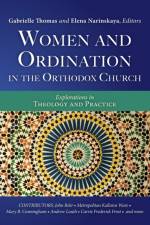
Contributing Authors:Fr. John BehrDr Spyridoula Athanasopoulou-KypriouDr. Dionysios SklirisFr. Andrew LouthDr Mary CunninghamMet Kallistos WareRev Dr Sarah Hinlicky WilsonDr Kyriaki Karidoyanes FitzGeraldDr Carrie Frederick FrostDr Paul LadouceurLuis Josue SalesThis book--a collaborative, international initiative, involving academic theologians and practitioners--invites the reader into a conversation about the ordination of women in the Orthodox Church. It explores questions relating to the significance of being human, Eve's curse, sexed bodies, the place of Mary, the nature of priesthood, the role of the deacon, and the task of being a priest in the twenty-first century. The reflections move across three main areas of discussion: issues of theological anthropology, particular questions pertaining to the priesthood and the diaconate, and contemporary practices. In each area the implications for ordaining women in the Orthodox Church today are explored.
Contributing Authors:Fr. John BehrDr Spyridoula Athanasopoulou-KypriouDr. Dionysios SklirisFr. Andrew LouthDr Mary CunninghamMet Kallistos WareRev Dr Sarah Hinlicky WilsonDr Kyriaki Karidoyanes FitzGeraldDr Carrie Frederick FrostDr Paul LadouceurLuis Josue SalesThis book--a collaborative, international initiative, involving academic theologians and practitioners--invites the reader into a conversation about the ordination of women in the Orthodox Church. It explores questions relating to the significance of being human, Eve's curse, sexed bodies, the place of Mary, the nature of priesthood, the role of the deacon, and the task of being a priest in the twenty-first century. The reflections move across three main areas of discussion: issues of theological anthropology, particular questions pertaining to the priesthood and the diaconate, and contemporary practices. In each area the implications for ordaining women in the Orthodox Church today are explored.
Human existence is a bodily existence. A first principle of historic Christianity has been that Jesus assumed our humanity and everything essential to it in order that God may redeem all of our existence. Christ is the revelation of God and the revelation of true humanity. As we seek to understand our embodied experiences of the world and one another we do so in light of the embodied life of Jesus Christ. Jesus''s humanity shows us what it means to live an embodied human life rightly and how we, as embodied human beings, can relate to the world around us.In this book we invite readers to explore with us why the humanity of Jesus is central to the Christian understanding of community, society, salvation, and life with God. Over the span of these ten chapters this book draws from biblical, historic, and cultural discussions as it enters into the breadth of the significance of the humanity of Jesus and explores how the reality of the Incarnation challenges and redeems our broken social structures, racial and ethnic divisions, economic systems, and sexuality.
Abonner på vårt nyhetsbrev og få rabatter og inspirasjon til din neste leseopplevelse.
Ved å abonnere godtar du vår personvernerklæring.