












Gjør som tusenvis av andre bokelskere
Abonner på vårt nyhetsbrev og få rabatter og inspirasjon til din neste leseopplevelse.
Ved å abonnere godtar du vår personvernerklæring.Du kan når som helst melde deg av våre nyhetsbrev.

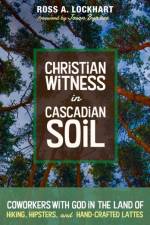
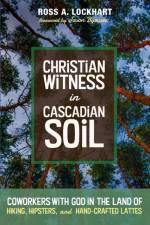
The Centre for Missional Leadership at St. Andrew''s Hall, Vancouver, has curated a dynamic collection of essays from missional thinkers in church and academy. Together, they explore both the pitfalls and possibilities of Christian witness in the post-Christendom soil of the Pacific Northwest. What does it mean to till, plant, and nurture Christian community while awaiting growth in the rocky soil of secularity, in this West Coast land better known for its hipsters, baristas, and outdoor lifestyle? Each chapter is an attempt to dust for divine fingerprints at work within the church and wider culture, giving evidence of God''s activity in our midst. Within this book you will encounter women and men who are finding hopeful ways to proclaim and live the gospel that are bearing fruit and growing hope within Christian communities and the neighborhoods they call home.
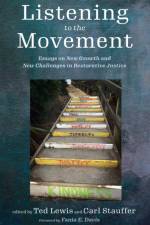
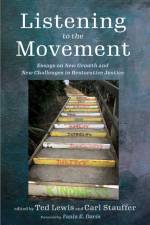
Restorative justice is spreading like wildfire across the globe. How can we explain this burst of energy? This anthology makes the bold claim that restorative justice is a vibrant social justice movement. It is more than a great idea gone viral, more than the extension of the legal system, and more than enacting new legislation. Beginning in 2015, the contributors of this volume took part in a series of dialogues sponsored by the Zehr Institute for Restorative Justice, exploring the contours of the restorative justice movement. Each one writes from the burgeoning edges of their own context, inviting readers to consider the fidelity and integrity of the movement''s growth. As a cadre, the authors highlight new locations of restorative justice application: race, pedagogy, ecology, youth organizing, community violence reduction, and more. These diverse voices put forward a fast-paced, hard-hitting glimpse into the pulse of restorative justice today and what it may look like tomorrow.Co-Editors -- Ted Lewis and Carl Stauffer Foreword -- Fania Davis Introduction -- Sonya Shah and Carl Stauffer We''re Just Doing Our Jobs: A Provocation for Restorative Justice Professionals -- Ethan Ucker Building a Bigger We: A Conversation about Restorative Justice Movement Building -- by Rose Elizondo and Jovida Ross Bringing a Racial Justice Consciousness to the Restorative Justice Movement: A Call to White Practitioners -- by Mika Dashman, Katherine Culberg, David Dean, Anna Lemler, Mikhail Lyubansky, Julie Shackford-BradleyShared Legacies: Narratives of Race and Reconciliation by Descendants of Enslavers and the Enslaved -- Jill Strauss Pedagogy of Circles: Teaching Restorative Justice to Social Work Students -- Daniel Rhodes Bigger than an RJ Circle: Youth Organizing for Restorative Justice in Education -- Jonathan Stith Critical Race Theory and Restorative Justice Education -- Kathy Evans, Brenda Morrison, Dorothy Vandering Radical Rationalism: Restorative Justice With the Earth -- Valerie Serrels Do We Dare Love the Shooter? 9 Principles for Firearm Harm Reduction -- Ethan Ucker Contribution of Peace Committees to Reduction of Election-related Violence in Burundi -- Mulanda Juma Are We Serving Victims Well? Considerations on Victim Engagement in Current Restorative Justice Movement Trends -- Ted Lewis and Mark Umbreit Epilogue -- Carl Stauffer
Restorative justice is spreading like wildfire across the globe. How can we explain this burst of energy? This anthology makes the bold claim that restorative justice is a vibrant social justice movement. It is more than a great idea gone viral, more than the extension of the legal system, and more than enacting new legislation. Beginning in 2015, the contributors of this volume took part in a series of dialogues sponsored by the Zehr Institute for Restorative Justice, exploring the contours of the restorative justice movement. Each one writes from the burgeoning edges of their own context, inviting readers to consider the fidelity and integrity of the movement''s growth. As a cadre, the authors highlight new locations of restorative justice application: race, pedagogy, ecology, youth organizing, community violence reduction, and more. These diverse voices put forward a fast-paced, hard-hitting glimpse into the pulse of restorative justice today and what it may look like tomorrow.Co-Editors -- Ted Lewis and Carl Stauffer Foreword -- Fania Davis Introduction -- Sonya Shah and Carl Stauffer We''re Just Doing Our Jobs: A Provocation for Restorative Justice Professionals -- Ethan Ucker Building a Bigger We: A Conversation about Restorative Justice Movement Building -- by Rose Elizondo and Jovida Ross Bringing a Racial Justice Consciousness to the Restorative Justice Movement: A Call to White Practitioners -- by Mika Dashman, Katherine Culberg, David Dean, Anna Lemler, Mikhail Lyubansky, Julie Shackford-BradleyShared Legacies: Narratives of Race and Reconciliation by Descendants of Enslavers and the Enslaved -- Jill Strauss Pedagogy of Circles: Teaching Restorative Justice to Social Work Students -- Daniel Rhodes Bigger than an RJ Circle: Youth Organizing for Restorative Justice in Education -- Jonathan Stith Critical Race Theory and Restorative Justice Education -- Kathy Evans, Brenda Morrison, Dorothy Vandering Radical Rationalism: Restorative Justice With the Earth -- Valerie Serrels Do We Dare Love the Shooter? 9 Principles for Firearm Harm Reduction -- Ethan Ucker Contribution of Peace Committees to Reduction of Election-related Violence in Burundi -- Mulanda Juma Are We Serving Victims Well? Considerations on Victim Engagement in Current Restorative Justice Movement Trends -- Ted Lewis and Mark Umbreit Epilogue -- Carl Stauffer
The Centre for Missional Leadership at St. Andrew''s Hall, Vancouver, has curated a dynamic collection of essays from missional thinkers in church and academy. Together, they explore both the pitfalls and possibilities of Christian witness in the post-Christendom soil of the Pacific Northwest. What does it mean to till, plant, and nurture Christian community while awaiting growth in the rocky soil of secularity, in this West Coast land better known for its hipsters, baristas, and outdoor lifestyle? Each chapter is an attempt to dust for divine fingerprints at work within the church and wider culture, giving evidence of God''s activity in our midst. Within this book you will encounter women and men who are finding hopeful ways to proclaim and live the gospel that are bearing fruit and growing hope within Christian communities and the neighborhoods they call home.
This book is a short introduction to one of the most remarkable transformations in the modern world that many people still do not know about. In 1900 more than 80 percent of the world's Christians lived in Europe and North America and nearly all of the world's missionaries were sent out ""from the West to the rest."" In a dramatic turn of events Christianity experienced a decidedly ""Southern shift"" during the twentieth century. Today nearly 70 percent of the world's 2.5 billion Christians live in Africa, Asia, and Latin America, while nearly half of all missionaries are being sent out into all the world from places like Brazil, Ethiopia, and South Korea. This book is intended to change the way readers think about the church and challenge the way the Western Christians engage in contemporary missions.
Abonner på vårt nyhetsbrev og få rabatter og inspirasjon til din neste leseopplevelse.
Ved å abonnere godtar du vår personvernerklæring.