

Gjør som tusenvis av andre bokelskere
Abonner på vårt nyhetsbrev og få rabatter og inspirasjon til din neste leseopplevelse.
Ved å abonnere godtar du vår personvernerklæring.Du kan når som helst melde deg av våre nyhetsbrev.

The new edition has been updated to cover significant advances such as the process of conditioning, leading to the tenderisation of meat, and the new coverage of the use of molecular genetic techniques to try to select animals for improved meat quality.
Soil Ecologyy and Management describes the organisms inhabiting the soil, their functions and interactions and the dimensions of human impact on the activity of soil organisms and soil ecological function.
This third and final volume in the acclaimed Fish Diseases and Disorders trilogy addresses infectious diseases of finfish and shellfish caused by viruses, bacteria and fungi.
This book examines these roles as well as the international relationship between IPRs, agricultural biotechnology, access to biological resources, food security and globalisation, paying particular attention to proposals for the protection of Farmers' Rights, traditional knowledge, GM crops and the impact of competition laws.
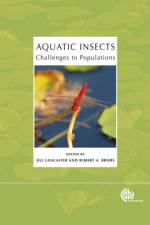
This edited volume brings together acknowledged experts in often disparate fields ranging from physiology through ecology to evolution to consider in a unified manner the challenges facing insect populations in aquatic environments and how they have adapted to achieve such prominence in virtually all habitats.
This book, written by leading authorities from the USA, Europe, Australia and New Zealand, provides the most comprehensive coverage of this important topic on the market.
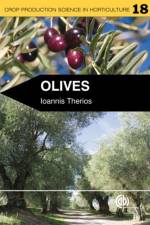
Reviewing an extensive array of literature from both a theoretical and practical perspective, this comprehensive guide deals with all aspects of olive culture, from its history, origins and traditional techniques to the latest horticultural procedures and basic physiology.
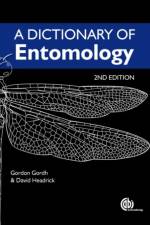
This edition is a comprehensive, fully cross-referenced collection of terms, names and phrases used in entomology, incorporating an estimated 43,000 definitions. It is the only listing which covers insect anatomy, behaviour, biology, ecology, histology, molecular biology, morphology, pest management, taxonomy and systematics.
Drawing attention to the potential outcomes to communities when using tourism as a development strategy, this book provides a focused analysis of this emerging issue and seeks to provide positive guidance on improving the process of tourism planning and development.
This book examines alternative theories and the empirical testing of how planning relates to doing. It considers tourist spending, length of stay, attractions, destinations, accommodation and activities and looks at how marketing strategies affect consumer plans.
A highly practical book that describes the application of resource allocation theory to improve animal production and wellbeing.
Ecotourism in Scandinavia: Lessons in Theory and Practice is the first book to comprehensively describe, analyse and evaluate aspects of Scandinavian ecotourism and will appeal to researchers and students of ecotourism.
This book documents and illustrates major developments in the use of nematodes for the biological control of insects and slugs. It covers the use of three main types of nematodes: entomopathogenic nematodes, entomophilic nematodes and slug-parasitic nematodes.
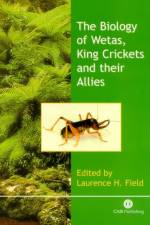
This book brings together all known information on these fascinating groups to form a compendium of existing scientific knowledge for future biological investigation and conservation.
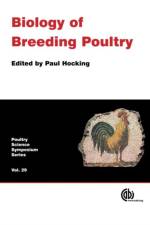
Covering science, management and husbandry systems, this comprehensive text provides the most up to date collection of papers on the topic from a range of international experts.
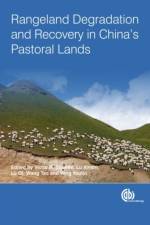
Addressing the issues of even greater climate extremes in the future, this book discusses both new approaches and past successes and failures in order to provide the necessary insight to develop sustainable rangeland management strategies, drawing on regional case studies and lessons learned from Australia, Canada and the USA.
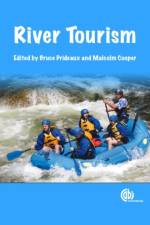
This book explores river tourism from a range of perspectives including uses, heritage, management, environmental concerns, and marketing.
Nutrition Promotion sets nutrition education firmly in a public health context and provides practical applications in a variety of settings and age groups. It draws on international research and theory, and includes international case studies and examples.
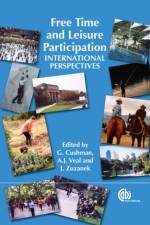
The book includes the most recent national leisure participation surveys from 15 countries, increased coverage of time-budget surveys and new themes such as public policy dimensions. It also examines the methodological problems and challenges of conducting national surveys in the field, and their future prospects.
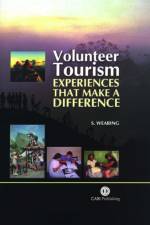
This book provides an overview of the phenomenon of volunteer tourism, its sources and its development as a concept; A focus on the potential positive social and environmental benefits of volunteer tourism, and the prerequisites for a successful experience.
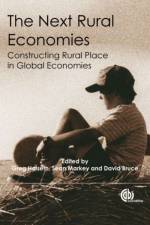
The Next Rural Economies debates the future of rural development and highlights successes and failures to inform research, policy and community action.
Discussing how and why particular options are selected, and why a particular course of events eventually prevails, the book stresses the importance of context and a multidisciplinary approach in moving towards sustainable and equitable development.
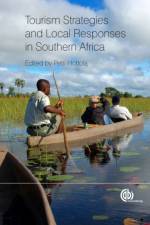
Using case studies from Namibia, South Africa, Botswana and Madagascar, this book examines strategic objectives for tourism growth and how nationally-set objectives such as economic growth, employment, poverty reduction, black economic empowerment, environmental sustainability and reduction of regional inequalities work at the grassroots level.
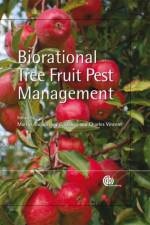
Focusing on insect pests of tree fruits and combining behavioural research with crop protection applications, this book emphasizes environmentally sustainable approaches in an agroecosystem. It discusses IPM, functional and behavioural ecology of pests, host detection mechanisms and monitoring tool development, as well as including case studies.
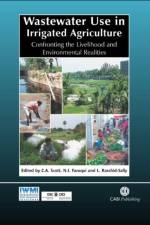
This book critically reviews experience worldwide of these issues. Emphasis is placed on untreated wastewater use by means of field-based case studies from Asia, Africa, the Middle East and Latin America. It brings together a range of perspectives including economic, health, agronomic, environmental, institutional, and policy dimensions.
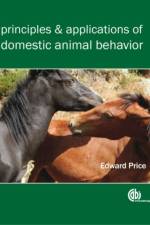
Drawing on the author's considerable experience in both teaching and research, this textbook describes the basic principles underlying animal behavior and how those concepts can be used in managing the care of animals, covering four key themes: development of behavior, biological rhythms, social behavior and behavioral aspects of animal management.
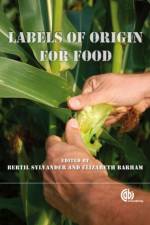
Based on research conducted in European countries, this book provides an account of the current state of OLPs, enabling a better understanding of their characteristics and evolution in the agri-food system.
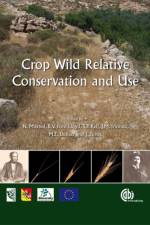
Through an examination of the national, regional and global context of CWR, these authoritative studies present methodologies and case studies that review and provide recommendations for global conservation and use.
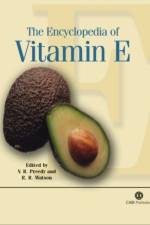
Over 100 chapters from international contributors make this book the most comprehensive reference work in describing both the positive and negative effects and actions of Vitamin E.
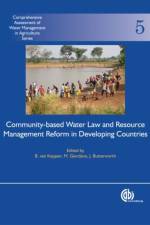
This book shows how bringing together the strengths of community-based laws rooted in user participation and the formalized legal systems of the public sector, water management regimes will be more able to reach their goals.
Abonner på vårt nyhetsbrev og få rabatter og inspirasjon til din neste leseopplevelse.
Ved å abonnere godtar du vår personvernerklæring.