

Gjør som tusenvis av andre bokelskere
Abonner på vårt nyhetsbrev og få rabatter og inspirasjon til din neste leseopplevelse.
Ved å abonnere godtar du vår personvernerklæring.Du kan når som helst melde deg av våre nyhetsbrev.

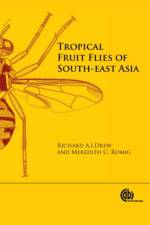
This major reference work details the taxonomic research into the subfamily Dacinae. Providing complete descriptions and artwork of all species of Dacinae recorded from the south-east Asian region for the first time, this book is written and illustrated by experts with over 80 years' combined research experience.
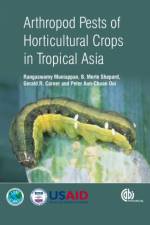
This book consolidates the research on pests of South and Southeast Asia, it covers the main arthropod pests of twenty five major crops, with colour photographs of their adult and immature stages, their distribution, biology, disease vectors, symptoms of the damage they cause and their natural enemies.
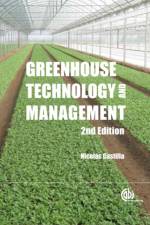
Greenhouse cultivation has expanded in recent decades with increased demand for food production and newly developed technologies to improve processes. This book concentrates on plant production in plastic greenhouse conditions, and covers fertilization, plant protection, current technologies and management practices.
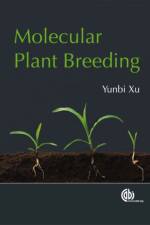
Bridging the gap between developments in biotechnology and its applications in plant improvement, this book provides an integrative overview of issues from basic theories to their applications to crop improvement including molecular marker technology, gene mapping, genetic transformation, quantitative genetics, and breeding methodology.
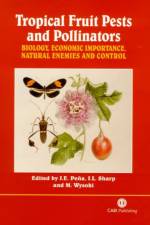
Insect and other pests cause major economic damage on fruit crops in the tropics. However, some insects are beneficial and have a role in pollinating flowers, thus enabling fruit set. This book reviews these injurious and beneficial organisims and how they might be controlled to enhance fruit production and quality.
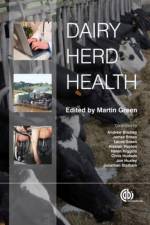
Dairy herd health is an important topic in veterinary practice and farming. This book focuses on diseases within herds, husbandry practices, youngstock management and environmental issues. Major diseases and conditions are covered, including mastitis, lameness, nutrition, metabolic and common infectious diseases from a herd health perspective.
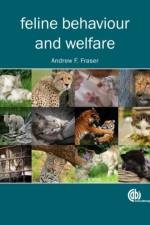
Providing a veterinary perspective as well as an ethological one, this book looks at the feline genus as a whole. Focusing on identifying normal behaviour from the cat's perspective, it has a welfare theme running throughout; as normal behaviour provides evidence of good welfare, abnormal behaviour can be an indicator of poor welfare.
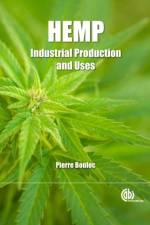
This book brings together international experts to examine all aspects of industrial hemp production, including the origins of hemp production, as well as the botany and anatomy, genetics and breeding, quality assessment, regulations, and the agricultural and industrial economics of hemp production.
Taking a practical approach, this book covers the background and concepts underlying efforts to improve maternal and perinatal mortality, the current global situation and problems that prevent progress. It includes case studies and examples of successful strategies, recommends good practices, and provides a critical analysis of knowledge gaps.
Pest risk analysis informs decisions for regulatory plant protection, from domestic activities such as prioritizing pests for surveillance to making quarantine decisions regarding the importation of products. Written by practicing risk analysts, this text provides a solid foundation in pest risk analysis and its application.
Plant Sciences Reviews 2012 provides scientists and students in the field with timely analysis on key topics in current research. Originally published online in CAB Reviews, this volume makes available in printed form the reviews in plant sciences published during 2012.
This textbook brings the science and practice of vegetable production up to date by addressing modern culture techniques and the recent challenges of consumer demand facing producers today. It introduces vegetable production from the perspective of producing high quality produce that satisfies the needs of the modern consumer.
Plants, Biotechnology & Agriculture provides the reader with a comprehensive yet concise overview of plants as both biological organisms and useful resources for people to exploit.
An established favourite with students and a valuable addition to the library of any veterinarian or sheep farmer, this handbook has an emphasis on diagnosis and treatment. It comprises short, easily digestible chapters and step-by-step diagrams to make this book an essential practical guide to recognising, treating and preventing disease.
Model studies focus experimental investigations to improve our understanding and performance of systems. Concentrating on crop modeling, this book provides an introduction to the concepts of crop development, growth, and yield, with step-by-step outlines to each topic, suggested exercises and simple equations.
All three updated volumes of the acclaimed set Fish Diseases and Disorders are now available to purchase together, presenting essential information for fish health specialists, veterinarians and zoologists, at a saving of 20% on the individual volumes.
Illustrated with review studies on animal health economics, this book presents information on the most important economic tools applied to livestock, covering both theory and practical applications. Topics covered include gross margin analysis, partial budgeting, investment and financial appraisal and cost-benefit analysis.
Salmonella remains a major cause of economic loss in domestic livestock and human food poisoning worldwide. With fully updated chapters and new coverage of genome structure, virulence, vaccine development, molecular methods for epidemiology and exotics, this second edition is an invaluable resource for researchers of animal and human health.
This book introduces students to facilities planning for tourism, hospitality and events. Covering subjects such as sustainable planning and environmental management, it considers the planning, development and management of facilities operations from key perspectives, drawing upon experts in the design, management and development of facilities.
Members of the genus Phytophthora cause serious damage to an array of plants. This book provides an overview of species impacting crops, forests, nurseries, greenhouses and natural areas worldwide. It covers major hosts, identification, epidemiology, management, current research, future perspectives and impacts of globalization on Phytophthora.
This accessible textbook covers applied aspects of physiology related to horticultural crops. It discusses specific physiological processes in relation to horticultural management, maintaining a focus throughout on how horticultural practices influence plant productivity and quality.
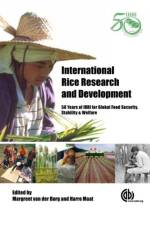
Describes the evolution of rice research and development policies from a historical perspective, covering national changes, long-term changes and international cooperation. This book discusses how IRRI can be positioned in present debates of food security, global stability, agricultural and rural development and human and social concerns.
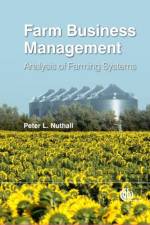
The final instalment of Peter Nuthall's Farm Business Management series, this volume teaches the practical skills needed to manage a farm, such as risk analysis, budgeting, cost benefit analyses and much more. The key characteristic of this book is its ability to simplify the complex subject of business management into a clear, accessible volume.
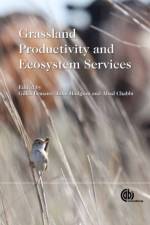
This authoritative volume expertly highlights the need for an immediate balance between agriculture and ecological management for sustainability in the future.
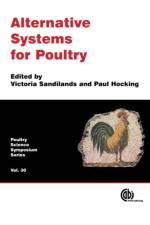
This book compares and contrasts alternative housing with conventional and traditional systems for commercial poultry (laying hens, meat chickens, turkeys, waterfowl and gamebirds) with regards to welfare, disease, health, nutrition, sustainability and genotype-environment interaction.
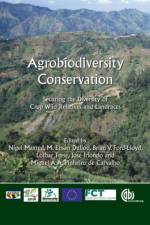
Focusing on Europe, but globally relevant, Agrobiodiversity Conservation is ideal for postgraduate students of conservation and environmental studies, conservation professionals, policy makers and researchers.
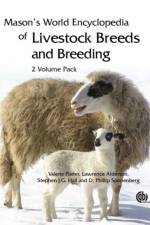
This encyclopedia describes breeds of livestock worldwide as well as a range of breed-related subjects such as husbandry, health and behaviour. Volume 1 covers asses, camelids, cattle, goats, horses and pigs. Volume 2 covers sheep, water buffalo, yak and other domesticants.
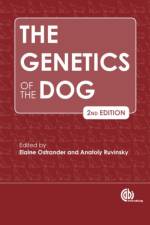
Recognizing the significant advances made in the field of animal genetics in the ten years since the first edition, this new edition of the successful 2001 book provides a comprehensive update as well as new material on topics such as genetic diversity of dog breeds, canine genomics, olfactory genetics and cancer genetics.
This book provides complete coverage of the subject describing the anatomy and physiology of the auditory system, types of deafness, testing for deafness, methods of amelioration and management, behaviour of deaf animals, and other issues associated with living and dealing with deaf pets.
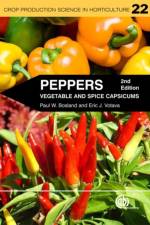
New material in this second edition includes an expansion of marker-assisted breeding to cover the different types of markers available, new directions and trends in the industry, the loss of germplasm and access to it, and the long term preservation of Capsicum resources worldwide.
Abonner på vårt nyhetsbrev og få rabatter og inspirasjon til din neste leseopplevelse.
Ved å abonnere godtar du vår personvernerklæring.