





















Gjør som tusenvis av andre bokelskere
Abonner på vårt nyhetsbrev og få rabatter og inspirasjon til din neste leseopplevelse.
Ved å abonnere godtar du vår personvernerklæring.Du kan når som helst melde deg av våre nyhetsbrev.

Fray Mocho (Gualeguaychú, 26 de agosto de 1858 - Buenos Aires, 23 de agosto de 1903) es el seudónimo de José Seferino Álvarez, escritor y periodista argentino famoso por sus retratos costumbristas y de época, frecuentemente escritos en clave humorística.Nació en Gualeguaychú, provincia de Entre Ríos Argentina el 26 de agosto de 1858, hijo de padres criollos. Estudió en el prestigioso Colegio Nacional de Concepción del Uruguay, pueblo donde se inició como periodista.4Hizo un primer viaje a la ciudad de Buenos Aires en 1876 y luego se afincó en tal ciudad hacia 1879 cuando tenía 21 años. Era conocido por sus amigos como "Mocho", y más tarde se agregó al seudónimo el título de "Fray" (un fraile, en la Iglesia católica).Escribió en numerosos periódicos: El Nacional, La Pampa, La Patria Argentina, La Razón; en revistas: Fray Gerundio (de corta vida), El Ateneo, La Colmena Artística, Caras y Caretas.Escribió ensayos acerca de la vida en Buenos Aires de la última parte del siglo XIX: Esmeraldas, Cuentos mundanos, La vida de los ladrones célebres de Buenos Aires y sus maneras de robar, Memorias de un vigilante.En 1898, publica el libro En el mar Austral, muy interesante novela documental en la cual relata, merced a numerosos datos obtenidos por marineros y exploradores argentinos, la vida y los paisajes de la región fueguina a fines del siglo XIX. (wikipedia.org)
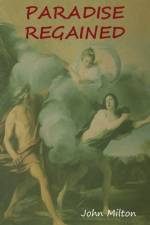
Paradise Regained is a poem by the 17th century English poet John Milton, which deals with the subject of the Temptation of Christ.One of the major concepts emphasized throughout Paradise Regained is the play on reversals. As implied by its title, Milton sets out to reverse the "loss" of Paradise. Thus, antonyms are often found next to each other throughout the poem, reinforcing the idea that everything that was lost in the first epic is going to be regained by the end of the mini-epic.Additionally, this work focuses on the idea of "hunger", both in a literal and in a spiritual sense. After wandering in the wilderness for forty days Jesus is starved of both food and the Word of God. Satan, too blind to see any non-literal meanings of the term, offers Christ food and various other temptations, but Jesus continually denies him.
Abonner på vårt nyhetsbrev og få rabatter og inspirasjon til din neste leseopplevelse.
Ved å abonnere godtar du vår personvernerklæring.