

















Gjør som tusenvis av andre bokelskere
Abonner på vårt nyhetsbrev og få rabatter og inspirasjon til din neste leseopplevelse.
Ved å abonnere godtar du vår personvernerklæring.Du kan når som helst melde deg av våre nyhetsbrev.

For a century, the route of Highway 99 has been the main transportation corridor in western Washington. Forest and farm products, fish, and families have all been a part of the flow of business and recreational travel between the Canadian border at Blaine and the Columbia River at Vancouver. What is now Highway 99 originated as a loose network of muddy roads connecting early settlements. With the dawn of the automobile age and construction of good roads, travel for business and pleasure began to shift away from ships and railroads to trucks and family cars. Roadside services developed within and between towns to cater to the new type of travelers--as many as 1,300 "gas, food, and lodging" businesses lined Highway 99, ranging from primitive auto camps to luxury hotels and from simple burger stands to roadside eateries shaped like giant tepees and igloos.
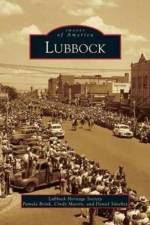
For 12 millennia, natural resources attracted humans to the region that Spanish conquistadors named the Llano Estacado (the Staked Plains). Nineteenth-century westward expansion brought many Americans to the plains, and small towns began to develop. On December 19, 1890, two communities on the Llano Estacado joined forces to create Lubbock. The sights and sounds of families moving their homes, farms, and businesses to the fledgling community exemplified the spirit of commitment, sacrifice, and cooperation that citizens of Lubbock continue to display. Today, 250,000 people call Lubbock home, and it remains the socioeconomic center of the Llano Estacado.
Abonner på vårt nyhetsbrev og få rabatter og inspirasjon til din neste leseopplevelse.
Ved å abonnere godtar du vår personvernerklæring.