Gjør som tusenvis av andre bokelskere
Abonner på vårt nyhetsbrev og få rabatter og inspirasjon til din neste leseopplevelse.
Ved å abonnere godtar du vår personvernerklæring.Du kan når som helst melde deg av våre nyhetsbrev.

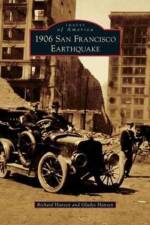
The Great Earthquake and Fire of 1906 is an unparalleled disaster in the history of San Francisco. More than 4.5 square miles of San Francisco burned and crumbled into a windswept desert of desolation. We will see this scene from behind the camera, covering before the earthquake through the fire and into the rebuilding of the city. The waterfront in the east to Golden Gate Park in the west and the marina in the north to Mission District in the south will be viewed. City hall and along Market Street through the center of the city will be covered. Stories from survivors and new information, like doctored photographs, will be included. Thirty years of research will be merged to give you an accurate account.
"The Turquoise Trail is a quirky, alternative road stretching between Santa Fe and Albuquerque. Before horses trod the route, it linked three Native American pueblos. The earliest mining activity in North America took place along the trail; local Native Americans mined a huge vein of turquoise that was visible on the surface. In the age of horses and wagons, the road ran through dusty Wild West towns, mining districts, and mountains, which were once roamed by thousands of prospectors with dreams of finding the mother lode. When mining became unprofitable, the inhabitants packed whatever they could into their cars and pulled out, seeking employment elsewhere. But a time came when people realized there was still potential in these old ghost towns. The buildings that once housed miners and the businesses that supported them are now occupied by art galleries, boutiques, and modern pioneers. The route still has a flavor of the Wild West, but instead of cowboys and miners, it now attracts motorcycle enthusiasts, movie crews, and day-trippers who appreciate authenticity and local color"--Back cover.
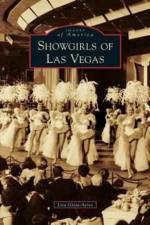
In the early 1950s, when women began to dance and parade on the stages of Las Vegas, the showgirl persona evolved from the seductive burlesque-style performance art to the elegant productions modeled after those staged in France, with women dripping in furs and feathers, or in nothing more than a G-string and rhinestones. The over-the-top Las Vegas productions may have faded into obscurity, leaving but one show, Bally's Jubilee, as the longest running showgirl show on the Las Vegas Strip, but the iconic showgirl will forever represent Las Vegas in all of its glitz and glory.
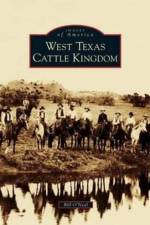
Images of America: West Texas Cattle Kingdom relates the frontier saga of cowboys and longhorn cattle, of trail drives and great ranches. Cattle and horses were introduced to the Western Hemisphere by Spanish conquistadores and colonizers while Mexican vaqueros handled cattle from horseback, developing special techniques, equipment, and attire. Half-wild longhorns multiplied into the millions in the unpopulated brush country above the Rio Grande. After the Civil War, a hungry market for beef developed in the north. Texas "cow boys" learned the vaquero skills of roping and branding and adapted heavy-duty Mexican saddles, wide-brimmed hats, high-heeled boots, jingling spurs, leather chaparejos, and colorful bandanas. The adventure of driving large herds of cattle up the Chisholm Trail and other famous trails captivated America. Vast Texas ranches included the fabled King Ranch, the three-million-acre XIT, Charles Goodnight's JA Ranch, and El Rancho Grande of legendary Shanghai Pierce, who described himself as "Webster on cattle, by God."
Abonner på vårt nyhetsbrev og få rabatter og inspirasjon til din neste leseopplevelse.
Ved å abonnere godtar du vår personvernerklæring.