







Gjør som tusenvis av andre bokelskere
Abonner på vårt nyhetsbrev og få rabatter og inspirasjon til din neste leseopplevelse.
Ved å abonnere godtar du vår personvernerklæring.Du kan når som helst melde deg av våre nyhetsbrev.

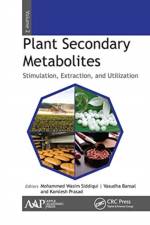
This second book in the three-volume Plant Secondary Metabolites covers the stimulation, extraction, and utilization of plant secondary metabolites, which are organic compounds that aid in the growth and development of plants but which are not required for the plant to survive by fighting off herbivores, pests, and pathogens.
Climate change and increased climate variability in terms of rising temperatures, shifting rainfall patterns, and increasing extreme weather events, such as severe drought and devastating floods, pose a threat to the production of agricultural and horticultural crops-a threat this is expected to worsen. Climate change is already affecting-and is likely to increase-invasive species, pests, and disease vectors, all adversely affecting agri-horticultural crop productivity. Advances in agricultural knowledge, science, and technology will be required to develop improved crop traits, such as temperature, drought, pest, and salt tolerance. This two-volume set gives readers an understanding of the issues and makes suggestions for ways to mitigate adverse climate change effects on crops.The focus of Volume 1: The Principles and Applications in Horticultural Science is to identify impacts and suggest appropriate and effective adaptation and mitigation strategies. Volume 2: Impact, Adaptation, and Mitigation focuses on the impact of climate change on horticultural crops and offers ways to adapt practices to mitigate adverse effects. Together, the two volumes offer a diverse selection of chapters that address issues of importance to those in the horticulture industry, researchers, faculty, and others. The books are an excellent resource for researchers; instructors; students in agriculture, horticulture, environmental science, and other allied subjects; and policymakers.
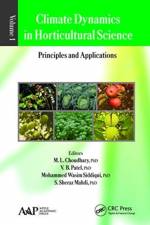
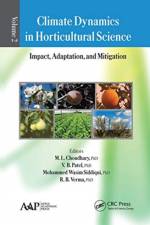
Climate change and increased climate variability in terms of rising temperatures, shifting rainfall patterns, and increasing extreme weather events, such as severe drought and devastating floods, pose a threat to the production of agricultural and horticultural crops-a threat this is expected to worsen. Climate change is already affecting-and is likely to increase-invasive species, pests, and disease vectors, all adversely affecting agri-horticultural crop productivity. Advances in agricultural knowledge, science, and technology will be required to develop improved crop traits, such as temperature, drought, pest, and salt tolerance. This two-volume set gives readers an understanding of the issues and makes suggestions for ways to mitigate adverse climate change effects on crops.The focus of Volume 1: The Principles and Applications in Horticultural Science is to identify impacts and suggest appropriate and effective adaptation and mitigation strategies. Volume 2: Impact, Adaptation, and Mitigation focuses on the impact of climate change on horticultural crops and offers ways to adapt practices to mitigate adverse effects. Together, the two volumes offer a diverse selection of chapters that address issues of importance to those in the horticulture industry, researchers, faculty, and others. The two-volume set: - Provides a recent understanding about climate change effects on horticulture- Covers unique information regarding important fruit crops, including flowers, spices, and plantation crops- Serves as an excellent source for researchers to formulate their adaptation and mitigation strategies- Covers abiotic and biotic stresses in relation to climate change - Presents environmentally safe and recent technological approaches such as nanotechnology and biodynamics - Includes case studiesThe books are an excellent resource for researchers; instructors; students in agriculture, horticulture, environmental science, and other allied subjects; and policymakers.
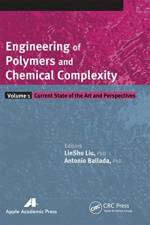
This book provides a broad overview of current studies in the engineering of polymers and chemicals of various origins. The innovative chapters cover the growth of educational, scientific, and industrial research activities among chemists, biologists, and polymer and chemical engineers. This book publishes significant research and reviews report
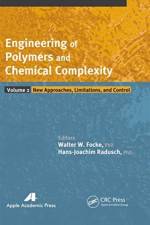
This book provides a vast amount of information on new approaches, limitations, and control on current polymers and chemicals complexity of various origins, on scales ranging from single molecules and nano-phenomena to macroscopic chemicals. Starting with a detailed introduction, the book is comprised of chapters that survey the current progress
The aim of this book is to provide both a rigorous view and a more practical, understandable view of industrial chemistry and biochemical physics. This book is geared toward readers with both direct and lateral interest in the discipline. This volume is structured into different parts devoted to industrial chemistry and biochemical physics and their applications. Every section of the book has been expanded, where relevant, to take account of significant new discoveries and realizations of the importance of key concepts. Furthermore, emphases are placed on the underlying fundamentals and on acquisition of a broad and comprehensive grasp of the field as a whole.With contributions from experts from both the industry and academia, this book presents the latest developments in the identified areas. This book incorporates appropriate case studies, explanatory notes, and schematics for more clarity and better understanding.This new book: - Highlights some important areas of current interest in biochemical physics and chemical processes- Focuses on topics with more advanced methods- Emphasizes precise mathematical development and actual experimental details- Analyzes theories to formulate and prove the physicochemical principles- Provides an up-to-date and thorough exposition of the present state of the art of complex materialsTopics include: - Photoelectrochemical properties of films of extra-coordinated tetrapyrrole compounds and their relationship with the quantum chemical parameters of the molecules- Bio-structural energy criteria of functional states in normal and pathological conditions- The ozone resistance of covulcanizates butadiene-nitrile rubbers with chlorinated ethylene-propylene-diene elastomers- Ways of regulation of release of medicinal substances from chitosan films- Environmental durability of powder polyester paint coatings- Ozone decomposition- Design and synthesis of its derivative with enhanced potential to scavenge hypochlorite radical scavenging capacity of n-(2-mercapto-2-methylpropionyl)-L-cysteine- Bacterial poly(3-hydroxybutyrate) as a biodegradable polymer for biomedicine- Designing, analysis, and industrial use of the dynamic spray scrubber- Magnetic properties of organic paramagnet- The effect of antioxidant drug mexidol on bioenergetic processes and nitric oxide formation in the animal tissues
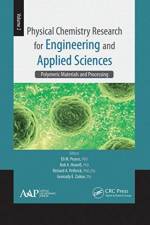
This book presents some fascinating phenomena associated with the remarkable features of high performance polymers and also provides an update on applications of modern polymers. It offers new research on structure-property relationships, synthesis, and purification, and potential applications of high performance polymers. The collection of topics in this book reflects the diversity of recent advances in modern polymers with a broad perspective that will be useful for scientists as well as for graduate students and engineers. The book helps to fill the gap between theory and practice. It explains the major concepts of new advances in high performance polymers and their applications in a friendly, easy-to-understand manner. The book opens with a presentation of classical models, moving on to increasingly more complex quantum mechanical and dynamical theories. Coverage and examples are drawn from modern polymers.
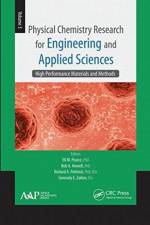
This volume presents the various categories of high performance materials and their composites and provides up-to-date synthesis details, properties, characterization, and applications for such systems to give readers and users better information to select the required material.The volume provides the following features: - Includes a wide range of high performance and engineering materials- Details the synthesis and properties of each of new materials- Presents practical industrial applications- Contains material written by some of the world's most well-known and respected experts in the field
This volume highlights the latest developments and trends in advanced non-classical materials and structures. It presents the developments of advanced materials and respective tools to characterize and predict the material properties and behavior. It also includes original, theoretical, and important experimental results that use non-routine met
This book brings together research contributions from eminent experts on subjects that have gained prominence in material and chemical engineering and science. It presents the last developments along with case studies, explanatory notes, and schematics for clarity and enhanced understanding. The book includes new research and studies, including
Management, Performance, and Applications of Micro Irrigation Systems, the fourth volume in the Research Advances in Sustainable Micro Irrigation series, emphasizes sustainable and meaningful methods of irrigation to counter rampant water scarcity. In many parts of the world, this scarcity significantly affects crop yield, crop quality, and, consequently, human quality of life.This important volume presents the best management practices in sustainable micro irrigation, with the goal of increasing crop yield and quality and conserving water. The practices described are practical and attainable and are based on research and studies from many areas of the world, including India, South Africa, and other areas. The applications described can be adapted and applied to many regions with a critical need to address the water crisis in crop production.The practices and applications presented include: - Partial root-zone surface drip irrigation- Effective maintenance techniques- Web-based irrigation scheduling- Water use efficiency methods- The use of flushing and filtration systemsThis valuable book is a must for those struggling to find ways to address the need to maintain efficient crop production in the midst of water shortages. With chapters from hands-on experts in the field, the book will be an invaluable reference and guide to effective micro irrigation methods.
Technical and technological development demands the creation of new materials that are stronger, more reliable, and more durable-materials with new properties. This book skillfully blends and integrates polymer science, plastic technology, and rubber technology to highlight new developments and trends in advanced polyblends. The fundamentals of polymerization, polymer characteristics, rheology and morphology, as well as composition, technology, testing and evaluation of various plastics, rubbers, fibers, adhesives, coatings, and composites are comprehensively presented in this informative volume.The book presents the developments of advanced polyblends and the respective tools to characterize and predict the material properties and behavior. It provides important original and theoretical experimental results that use non-routine methodologies often unfamiliar to many readers. Furthermore chapters on novel applications of more familiar experimental techniques and analyses of composite problems are included, which indicate the need for the new experimental approaches that are presented.This new book: - Provides an up-to-date and thorough exposition of the present state of the art of polyblends and composites- Familiarizes the reader with new aspects of the techniques used in the examination of polymers, emphasizing plastic technology and rubber technology- Describes the types of techniques now available to the polymer chemist and technician and discusses their capabilities, limitations, and applications- Provides a balance between materials science and the mechanics aspects, basic and applied research, and high-technology and high-volume (low-cost) composite developmentEntrepreneurs and professionals engaged in production of as well as research and development in polymers will find the information presented here valuable and informative.
This title includes a number of Open Access chapters. Cell signaling is a field that studies how cells communicate to control basic activities and respond to their environment. When looking specifically at cancer cells, researchers can gain a better understanding of cancer on a cellular level, an understanding that may have impli
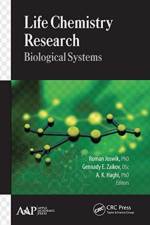
This volume contains a collection of topical chapters that promote interdisciplinary approaches to biological systems, focusing on fundamental and relevant connections between chemistry and life. Included are studies and experiments as well as invited lectures and notes by prominent leaders on a wide variety of topics in biology and biochemistry
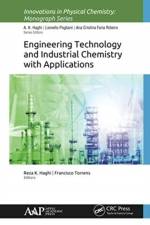
This volume, Engineering Technology and Industrial Chemistry with Applications, brings together innovative research, new concepts, and novel developments in the application of new tools for chemical and materials engineers. It provides a collection of innovative chapters on new scientific and industrial research from chemists and chemical engineers at several prestigious institutions. It looks at recent significant research and reports on new methodologies and important applications in the fields of chemical engineering as well as provides coverage of chemical databases, bringing together theory and practical applications.Highlighting theoretical foundations, real-world cases, and future directions, this authoritative reference source will be a valuable addition for researchers, practitioners, professionals, and students of chemistry material and chemical engineering.
This title includes a number of Open Access chapters.Providing a nuanced study of the connections between sleep, circadian rhythms, and metabolis, this informative book examines how circadian actions affect the liver and adipose tissue, the brain, and metabolism. This important book introduces the reader to circadian rhythms in the body and the external cues that set them, discusses on a molecular and organ level how disrupting these clocks results in metabolic and sleep disorders, and looks at the clinical applications of circadian rhythms, with a focus on sleep.The book covers a variety of important research in the field, including: - The power of computational biology to uncover new nodes in the network of circadian rhythms- Circadian rhythms as they relates to obesity- How late-night shift conditions impair the body's ability to keep time and promote metabolic diseases and how this can be mitigated by strategic planning of feeding times- The relationship between the suprachiasmatic nuclei and orexin neurons, demonstrating the elegant interplay between our biological clocks and wakefulness- How sleep disorders can result from irregular circadian rhythms and potential ways to diagnose this in individuals- How sleeping behaviors can disturb the hypothalamic-pituitary-adrenal axis and the repercussions of this disruption on female reproduction- How disruption of sleep can be clinically beneficial for depressed patients- How mental state is influenced by circadian rhythm
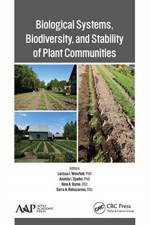
This book discusses theoretical approaches to the taxonomy of biological systems and theory and mathematical approaches to the problem of plant diversity, cultivation, and the environment. Particular attention is given to theoretical and practical problems of soil and the environmental sustainability of phytocoenosis, with the goal to enhance the productivity of agricultural crops: cereals, legumes, vegetables, and fruit.Providing valuable information on the distribution of chemical elements in the soil-plant system and on the migration of chemical elements in the food chain, this book looks at the composition of the soil and the distribution of elements in the soil-plant system that are manifested as adaptations of plant organism to environmental conditions. With chapters written by acknowledged scientists in the field of genetics, plant selection, ecology, and agro-economy, the book attempts, in many cases, to find consensus between the need to address ways to decrease the excess load on the environment and the need to provide adequately for the human population in agro-developed countries. This book also presents precision farming techniques, including the introduction of differentiated agrochemicals and considering variability of soil fertility and crop conditions. An important element for the conservation and adaptation of plant organism to environmental conditions is the use of physiologically active compounds.
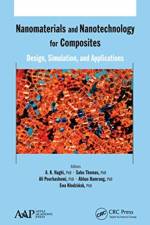
Engineered nanopolymer and nanoparticles, with their extraordinary mechanical and unique electronic properties, have garnered much attention in recent years. With a broad range of potential applications, including nanoelectronics, composites, chemical sensors, biosensors, microscopy, nanoelectromechanical systems, and many more, the scientific community is more motivated than ever to move beyond basic properties and explore the real issues associated with carbon nanotube-based applications.Engineered nanopolymer and nanoparticles are exceptionally interesting from a fundamental research point of view. They open up new perspectives for various applications, such as nano-transistors in circuits, field-emission displays, artificial muscles, or added reinforcements in alloys. This informative book is an introduction to the physical concepts needed for investigating carbon nanotubes and other one-dimensional solid-state systems. Written for a wide scientific readership, each chapter consists of an instructive approach to the topic and sustainable ideas for solutions. This new book presents leading-edge research in this dynamic field. It reviews the recent progress in application of engineered nanopolymer and nanoparticles and their composites. The advantages and disadvantages of different methods are discussed. The ability of continuum methods to bridge different scales is emphasized.Recommendations for future research are given by focusing on what each method has to learn from the nano-scale. The scope of the book is to provide current knowledge to support researchers entering the scientific area of carbon nanotubes and help them choose the appropriate modeling tool for accomplishing their study and where to place their efforts to further improve continuum methods.
This informative volume discusses recent advancements in the research and development in synthesis, characterization, processing, morphology, structure, and properties of advanced polymeric materials. With contributions from leading international researchers and professors in academic, government and industrial institutions, Advanced Polymeric Materials for Sustainability and Innovations has a special focus on eco-friendly polymers, polymer composites, nanocomposites, and blends and materials for traditional and renewable energy.In this book the relationship between processing-morphology-property applications of polymeric materials is well established. Recent advances in the synthesis of new functional monomers has shown strong potential in generating better property polymers from renewable resources. Fundamental advances in the field of nanocomposite blends and nanostructured polymeric materials in automotive, civil, biomedical and packaging/coating applications are the highlights of this book.
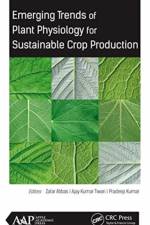
Plant physiology is now considered as an essential ingredient for improving crop productivity, a continuing necessity with today's ever-increasing world population. This new volume provides an understanding of the physiological basis of the various plant processes and their underlying mechanisms under fluctuating environments, which is of great importance for sustainable crop production. Further advances in cellular and molecular biology hold promise to modify physiological processes, thereby improving the quality and quantity of major food crops and ensuring stability in yield of the produce even under severe abiotic stress. This book covers the latest information on the physiological basis of plant productivity, including abiotic stress adaptation and management, plant nutrition, climate change and plant productivity, transgenic and functional genomics, and plant growth regulators and their applications. The chapters in this volume tackle some of these key issues of sustainable plant production and evolve future strategies in overcoming challenges faced by the agricultural sector as a whole. The topics covered in this book presents important from research reputed scientists. This volume is a rich source of information in one place. It will be a useful resource for researchers and extension workers involved in plant physiology and related disciplines.Key features: Provide the latest information on developments in plant physiologyCovers abiotic and biotic stress on economically important crop speciesPresents a detailed collection of biotechnological approaches in plant physiologyCovers plant growth regulators, secondary metabolites, germination, crop growth and development of different crop species Provides research from experts at internationally renowned institutes
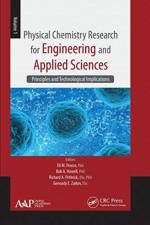
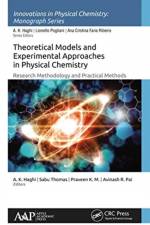
This new volume presents an up-to-date review of modern materials and physical chemistry concepts, issues, and recent advances in the field. It presents a modern theoretical and experimental approach in applied physical chemistry. The volume discusses the developments of advanced chemical products and respective tools to characterize and predict the chemical material properties and behavior.With chapters from distinguished scientists and engineers from key institutions worldwide, the volume provides understanding through numerous examples and practical applications drawn from research and development chemistry. It emphasizes the intersection of chemistry, math, physics, and the resulting applications across many disciplines of science and explores applied physical chemistry principles in specific areas. At the same time, each topic is framed within the context of a broader more interdisciplinary approach, demonstrating its relationship and interconnectedness to other areas. This new book fills a gap within modeling texts, focusing on applications across a broad range of disciplines, and presents information on many important problems in physical chemistry. These investigations are accompanied by real-life applications in practice.
Nanostructured materials are emerging as a new class of materials that exhibit unique microstructures and enhanced mechanical performance. As an outcome of this, these materials have attracted considerable attention in scientific communities all over the world. There is continuous research to facilitate product development, thereby improving product quality and reliability in industry. This volume is devoted to novel architectures at the nano-level with an emphasis on new synthesis and characterization methods. Special emphasis is given to new applications of nanostructures and nanocomposites in various fields, such as nano-electronics, energy conversion, catalysis, drug delivery and nano-medicine.The chapters are divided into sections focusing on: Nanoparticles Assembly and Nanostructured Materials Nanocomposites PropertiesNanostructured Materials for Biomedical Applications
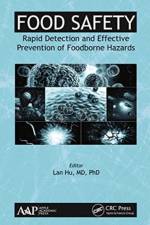
This new volume, Food Safety: Rapid Detection and Effective Prevention of Foodborne Hazards, focuses on the general concepts, mechanisms, and new applications of analytical and molecular biology techniques for detecting, removing, and preventing chemical and biological hazards from food. Edited by a microbiologist and medical officer with over 20 years of laboratory and research experience in bacteriology, molecular biology, infectious disease, and food safety, and who has trained with the U.S. Food and Drug Administration (FDA), the volume provides an abundance of valuable information on food safety and foodborne hazards in our food and drink. Today, food safety is a growing concern not only of food-related professionals and policymakers, but also of the public. Foodborne hazards, including chemical and biological hazards, can cause food intoxication, infectious diseases, cancers, and other health risks. Foodborne diseases are a major public health and economic burden in both the developed and developing countries. In the United States alone, the incidence of foodborne illness is approximately 9.4 million cases with about 56,000 hospitalizations and 1,351 deaths every year. Written in an easy-to-read and user-friend style, each chapter introduces a chemical or biological hazard and addresses: What kinds of disease does the foodborne hazard causeWhy is it necessary for us to study itWhat routes does it take to enter our food and how does it cause us to become sickHow do we identify it Chapters then go on to present new technologies employed to detect, isolate, and/or identify the hazard and prevention procedures such as: (ADD BULLETS)How can the current application of new technology be used to detect the foodborne hazards How do we prevent the diseases caused by the foodborne hazards This book will be valuable to professionals and other specialists who work in food preparation, food safety, clinical laboratories, and food manufacturing industry. It will be a resource for food handling trainers as well as to anyone interested in foodborne hazards and their affective detection, reduction, and prevention strategies. This book can also serve as a important reference for more specialized courses in food safety-related courses and training programs.
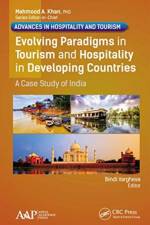
This volume highlights a broad selection of valuable research work by renowned professionals and scientists from academia and the travel industry, bridging academic perspectives and research with practical applications. It provides a wide-ranging vision of a multitude of trends in the global travel and tourism industry today and in the future.Adopting an integrated and interdisciplinary approach, the contributors examine a diverse selection of topics and share their research and exploratory investigations to frame their implications and outcomes. The volume reflects upon the wide-ranging conceptual approaches to the subject of tourism and includes varying paradigms and perspectives on the core elements of the tourism sector. The overall thrust of the book is to provide a required critical depth to tourism studies and to guide the reader through the fundamental themes of tourism, destination marketing, branding, and management.
This new volume presents a complete picture of ultrasound-assisted reactions and technologies that can be used in organic synthesis, polymer synthesis and degradation, nanomaterials, wastewater treatment, food ingredients and products, pharmaceutical applications, bioenergy applications, and more. This volume aims to shed light on the diversifie
This new volume, Disaster Recovery: Community-Based Psychosocial Support in the Aftermath, provides a wealth of realistic and applicable information for addressing mental health related issues resulting from disasters. It will provide readers with both a theoretical and practical look at community-based psychosocial support and community consultation from an interdisciplinary perspective. The last thirty years have brought to the fore the importance of psychosocial support as an integrator and cross-cutting theme in disaster response. The need for a timely volume on this topic at this time is based on recent world efforts to include the topic within the disaster risk reduction framework.In this volume, the authors share their practical knowledge about development of community-based psychosocial support based on the hundred of thousands of people in fourteen countries and three continents who provided an immense amount of knowledge about psychosocial support through their participation in programs. These programs helped to lead the way in sharing the strategies and tools presented in here. This book uses case study methodology and practical examples to share how communities can come together, care for themselves, and use their social capital and problem-solving skills to survive and thrive. The information in the book will aid in the development of program offerings for mental health and psychosocial support in disasters and humanitarian emergencies. The final section will provide the components of a proposal for external work and a chapter on monitoring and evaluation. The book will include case studies to help illustrate the content.Edited by Dr. Joseph O. Prewitt Diaz, a 2008 recipient of the American Psychological Association's International Humanitarian Award, the book is based on his extensive experience and existing research in the field. The information provided here will be helpful to those working in or teaching on disaster management and support, including professors and instructors, students in social work and psychology, government and non-government agencies personnel in the field in places where emerging conflicts are occurring, and many others.
Electric power systems are being transformed from older grid systems to smart grids across the globe. The goals of this transition are to address today's electric power issues, which include reducing carbon footprints, finding alternate sources of decaying fossil fuels, eradicating losses that occur in the current available systems, and introducing the latest information and communication technologies (ICT) for electric grids. The development of smart grid technology is advancing dramatically along with and in reaction to the continued growth of renewable energy technologies (especially wind and solar power), the growing popularity of electric vehicles, and the continuing huge demand for electricity.Smart Grid Systems: Modeling and Control advances the basic understanding of smart grids and focuses on recent technological advancements in the field. This book provides a comprehensive discussion from a number of experts and practitioners and describes the challenges and the future scope of the technologies related to smart grid. Key features: >provides an overview of the smart grid, with its needs, benefits, challenges, existing structure, and possible future technologiesdiscusses solar photovoltaic (PV) system modeling and control along with battery storage, an integral part of smart gridsdiscusses control strategies for renewable energy systems, including solar PV, wind, and hybrid systemsdescribes the inverter topologies adopted for integrating renewable powercovers the basics of the energy storage system and the need for micro gridsdescribes forecast techniques for renewable energy systemspresents the basics and structure of the energy management system in smart grids, including advanced metering, various communication protocols, and the cyber security challengesexplores electric vehicle technology and its interaction with smart grids
This volume provides valuable insights into how organizations are changing and evolving and how human resource personnel, employers, and employees are reacting to these emerging workplace transitions. Today's successful organizations must be learning organizations in that they must keep abreast and change with the new workplace dynamics.The volume explores the new and future challenges and opportunities for employees and employers, particularly in reference to service organizations in the 21st century. It explores many of the new trends in conjunction with a focus on work-life balance, globalization, redefining leadership, contingent work force, stress management, telecommuting, work force diversity, ergonomics, life satisfaction/subjective well-being, and more.
Abonner på vårt nyhetsbrev og få rabatter og inspirasjon til din neste leseopplevelse.
Ved å abonnere godtar du vår personvernerklæring.