

Gjør som tusenvis av andre bokelskere
Abonner på vårt nyhetsbrev og få rabatter og inspirasjon til din neste leseopplevelse.
Ved å abonnere godtar du vår personvernerklæring.Du kan når som helst melde deg av våre nyhetsbrev.

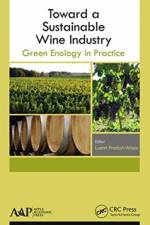
This title includes a number of Open Access chapters.Toward a Sustainable Wine Industry: Green Enology in Practice takes a broad look at the emerging trend of using sustainable wine production methods and business practices. It covers a multitude of aspects of the sustainable wine industry, including production methods, recycling efforts, customer behavior, sustainable business practices, and more.The wine sector, which plays a big role in the agricultural industry around the world, has been facing increasing pressure to fulfill legal environmental requirements while maintaining a competitive position in a global market. Concern for the environment and rising costs have led to an increased interest in sustainable wine production practices. This valuable compendium addresses this trend and looks at different sectors within the wine industry. In all, the book provides a multi-faceted examination of the important aspects of the increasingly necessary and growing sustainable movement. The book aims to shed valuable light on how to build an integrated sustainable business and development system in the wine industry.
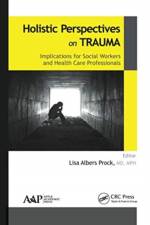
Children with a history of significant neglect and/or physical, sexual, and/or emotional abuse are at higher risk for developing long-term emotional, behavioral, and mental health concerns, which have implications past childhood and into adulthood. Early trauma impacts individuals' health in ways that reach far past the obvious and immediate damage. It correlates with higher incidences of various mental health disorders, it can alter brain structures, and it can make individuals more susceptible to a variety of diseases, including cancer, cardiovascular disorders, fibromyalgia, and diabetes, among others.The research collected in this compendium offers vital guideposts to professionals across a wide spectrum of disciplines. It provides a foundation for ongoing research into this area of study, which is so vital for the well-being of our children and their futures. Understanding the long-term effects of childhood trauma is now integral to the daily clinical practice of professionals from many fields, including educators, social workers, mental health professionals, family and substance abuse counselors, police, caregivers, and criminal justice service providers. The boundaries between social workers and other professionals are blurred or nonexistent. This insightful book provides a nuanced look at the outcomes of childhood trauma and provides a greater understanding to help build more effective cross-disciplinary intervention strategies.
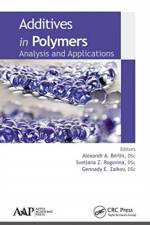
Additives are selected depending on the type of polymers to which they will be added or the application for which they will be used. The appropriate selection of additives helps develop value-added plastics with improved durability as well as other advantages. This research book provides a range of modern techniques and new research on the use of additives in a variety of applications. The methods and instrumentation described represent modern analytical techniques useful to researchers, product development specialists, and quality control experts in polymer synthesis and manufacturing. Engineers, polymer scientists, and technicians will find this volume useful in selecting approaches and techniques applicable to characterizing molecular, compositional, rheological, and thermodynamic properties of elastomers and plastics.The informative chapters are the work of researchers at the Department of Polymers and Composite Materials at the prestigious Semenov Institute of Chemical Physics of Russian Academy of Sciences.
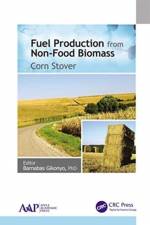
This title includes a number of Open Access chapters.The practice of converting corn to ethanol is controversial, with debates currently being raged in both public policy and science. While biofuels from corn have important implications in alleviating some of the global energy crisis, critics argue that it takes away from vital agricultural products needed to feed the world's growing population. The current volume maintains there is a third way, a method of producing biofuel that only uses biomass that is left behind after all agricultural and nutritional products have been harvested from corn. This biomass is referred to as corn stover.The book serves as an important introduction to this method of producing biofuels from agricultural waste. Edited by a professor from the State University of New York, Geneseo, this reference is important not only for research scientists, but for students and public policy makers who wish to learn more about this alternative method of producing ethanol from corn. The sections found in Fuel Production from Non-Food Biomass: Corn Stover describe the following topics: An overview of why corn stover is a good alternative use of powerThe technology that makes this process possible on various scalesConsiderations for policy formation, including economic, land-use, and environmental arguments for and against using corn stover as a biofuelAlthough controversy still exists about the use of corn stover-with some critics saying that it will cause food shortages, particularly for developing nations-the research in this book focuses on using corn's already existing, non-food biomass and argues that food and biofuel could potentially be produced from the same fields.
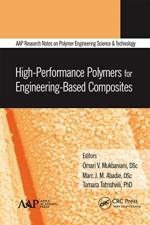
The book presents a selection of investigations and innovative research in polymer chemistry and advanced materials. The book includes case studies in the field of nanocomposites. The volume provides coverage of new research in polymer science and engineering with applications in chemical engineering, materials science, and chemistry. In additio
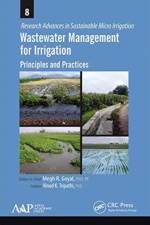
The reuse of wastewater in irrigation is being practiced only recently to solve water scarcity problems in agriculture. Management of water, soil, crop, and operational procedures, including precautions to protect farm workers, play an important role in the successful use of sewage effluent for irrigation. Appropriate water management practices must be followed to prevent salinization. If salt is not flushed out of the root zone by leaching and removed from the soil by effective drainage, salinity problems can build up rapidly. Leaching and drainage are, thus, two important water management practices to avoid salinization of soils. One of the options that may be available to farmers is the blending of treated sewage with conventional sources of water to obtain a blended water of acceptable salinity level. This important book focuses on the use of wastewater as a valuable resource for agricultural micro irrigation purposes. It covers effective wastewater management practices in a variety of climates, including semi-arid regions and others; how to perform effective evaluations to gauge the quality of the water on plants, including potatoes, maize, and eggplant; and the cost-benefit of using wastewater. It addresses the sources of wastewater for irrigation and the problems along with challenges, including water quality, clogging, soil quality, and more.The mission of this compendium is to serve as a reference manual for professionals in biological and civil engineering, horticulture, soil and crop science, and agronomy, as well as for graduate and undergraduate students in related fields. It will be a valuable reference for professionals who work with micro irrigation/wastewater and water management, for technical agricultural centers, irrigation centers, agricultural extension services, and other agencies that work with micro irrigation programs.
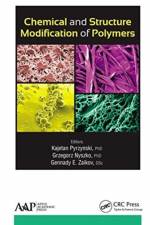
This timely volume provides an overview of polymer characterization test methods and presents experimental research in polymers using modern methods. Each chapter describes the principle of the respective method, as well as the detailed procedures of experiments with examples of actual applications and demonstrates the advantages and disadvantages of each physical technique. Thus, readers will be able to apply the concepts as described in the book to their own experiments.The successful characterization of polymer systems is one of the most important objectives of today's experimental research of polymers. Considering the tremendous scientific, technological, and economic importance of polymeric materials, especially in industry, it is impossible to overestimate the usefulness of experimental techniques in this field. Since the chemical, pharmaceutical, medical, and agricultural industries, as well as many others, depend on this progress to an enormous degree, it is critical to be as efficient, precise, and cost-effective in our empirical understanding of the performance of polymer systems as possible. This presupposes our proficiency with, and understanding of, the most widely used experimental methods and techniques.The methods and instrumentation described in this volume represent modern analytical techniques useful to researchers, product development specialists, and quality control experts in polymer synthesis and manufacturing. Engineers, polymer scientists, and technicians will find this volume useful in selecting approaches and techniques applicable to characterizing molecular, compositional, rheological, and thermodynamic properties of elastomers and plastics.
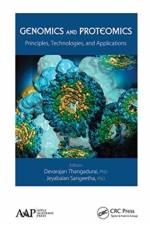
The book provides scope and knowledge on advanced techniques and its applications into the modern fields of biotechnology-genomics and proteomics. In this book, different genomics and proteomics technologies and principles are examined. The fundamental knowledge presented in this book opens up an entirely new way of approaching DNA chip technology, DNA array assembly, gene expression analysis, assessing changes in genomic DNA, structure-based functional genomics, protein networks, and so on.Topics in the book include: - Different gene products with a similar role in neuronal defense against oxidative - Gene-gene and gene-environment interactions in genetic epidemiology- Elucidation of proto-oncogene c-abl function with the use of mouse models and the disease model of chronic myeloid leukemia - Next-generation sequencing, microbiome evaluation, molecular microbiology, and their impact on human health - Proteomics and prostate cancer - RNA interference therapeutics - Molecular mechanisms of hepatitis C virus entry - Molecular phylogenetics for elucidation of evolutionary processes from biological data - The impact of transgenic crops on soil quality, microbial diversity, and plant-associated communities. - Biotechnological and genomic approaches for abiotic stress tolerance in crop plantsThe book will be valuable for biotechnology researchers and bioinformatics professionals and students in all fields of biotechnology and will serve to broaden their knowledge about these newer tools, techniques, innovations, and applications.
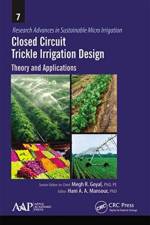
Closed circuit trickle irrigation is a form of micro irrigation that increases energy and water efficiency by using closed circuit drip irrigation systems designs. Modifications are made to traditional micro irrigation methods to reduce some of the problems and constraints, such as low compressor water at the end of irrigation lines. This approach has proved successful for the irrigation of fruit trees and some vegetable and field crops. Closed circuits of drip irrigation systems require about half of the water needed by sprinkler or surface irrigation. Lower operating pressures and flow rates result in reduced energy costs, and a higher degree of water control is attainable as well. Plants can be supplied with more precise amounts of water, and disease and insect damage is reduced because plant foliage stays dry. Fertilizers can also be applied through this type of system, which can result in a reduction of fertilizer and fertilizer costs. This new volume in the Research Advances in Sustainable Micro Irrigation book series presents a diverse collection of research on closed circuit irrigational technology and design and provides studies of its use on such crops as wheat, maize, yellow corn, soybeans, rice, and snap peas.The book explores: - Soil moisture and salinity distributions under modified sprinkler irrigation - Performance of sprinkler irrigation- Design considerations for closed circuit drip irrigation systems - Performance of bubbler irrigation - Energy and water savings of drip irrigation systems - Automation of mini-sprinkler and drip irrigation systems - Water and fertilizer use efficiencies for drip irrigated maize - Evaluation of emitter clogging for drip irrigated systemsThis book will be valuable for those interested in irrigation planning and management, namely, researchers, scientists, educators, upper-level students, agricultural extension services, and others.
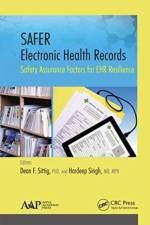
This important volume provide a one-stop resource on the SAFER Guides along with the guides themselves and information on their use, development, and evaluation. The Safety Assurance Factors for EHR Resilience (SAFER) guides, developed by the editors of this book, identify recommended practices to optimize the safety and safe use of electronic health records (EHRs). These guides are designed to help organizations self-assess the safety and effectiveness of their EHR implementations, identify specific areas of vulnerability, and change their cultures and practices to mitigate risks.This book provides EHR designers, developers, implementers, users, and policymakers with the requisite historical context, clinical informatics knowledge, and real-world, practical guidance to enable them to utilize the SAFER Guides to proactively assess the safety and effectiveness of their electronic health records EHR implementations. The first five chapters are designed to provide readers with the conceptual knowledge required to understand why and how the guides were developed. The next nine chapters focus on the underlying informatics concepts, key research activities, and methods used to develop each of the guides. Each of these chapters concludes with a copy of the guide itself. The final chapter provides a vision for the future and the work required to ensure that future generations of EHRs are designed, developed, implemented, and used to improve the overall safety of the EHR-enabled healthcare system.Taken together, the information provided in this book should help any organization, whether large or small, implement its EHR program and improve the safety and effectiveness of its existing EHR-enabled healthcare systems.This volume will be extremely valuable to small, ambulatory physician practices and larger outpatient settings as well as for hospitals and professors and instructors charged with teaching safe and effective implementation and use of EHRs. It will also be highly useful for health information technology professionals responsible for maintaining a safe and effective EHR and for clinical and administrative staff working in EHR-enabled healthcare systems.
This book focuses on the recent advances in nanomedicine and tissue engineering. It outlines the basic tools and novel approaches that are becoming available in nanomedicine and tissue engineering and considers the full range of nanomedical applications which employ molecular nanotechnology inside the human body, from the perspective of a future practitioner in an era of widely available nanomedicine. Topics include: Health benefits of phytochemicals and application of superparamagnetic nanoparticles for hyperthermiaSilver nanoparticles in nanomedicineOptical diagnostic of molecules and cells using nanotechnologyNanoparticulate drug delivery system for antiviral drugsLiposomal drug delivery systems, nanoemulsifying drug delivery system (SNEDS)Functionalization of tissue engineering scaffolds Induction of angiogenesis in scaffoldsMany other recent achievementsWritten by some of the most innovative minds in medicine and tissue engineering, this book considers the full range of nanomedical applications which employ molecular nanotechnology inside the human body and will help professionals understand cutting-edge and futuristic areas of nanomedicine and tissue engineering research. Readers will find insightful discussions on nanostructured intelligent materials and devices that are considered technically feasible and that have a high potential to produce advances in medicine in the near future.
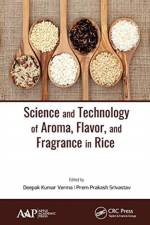
With contributions from a broad range of leading researchers, this book focuses on advances and innovations in rice aroma, flavor, and fragrance research. Science and Technology of Aroma, Flavor, and Fragrance in Rice is specially designed to present an abundance of recent research, advances, and innovations in this growing field. Aroma is one of the diagnostic aspects of rice quality that can determine acceptance or rejection of rice before it is tested. Aroma is also considered as an important property of rice that indicates its preferable high quality and price in the market. An assessment of known data reveals that more than 450 chemical compounds have been documented in various aromatic and non-aromatic rice cultivars. The primary goal of research is to identify the compounds responsible for the characteristic rice aroma. Many attempts have been made to search for the key compounds contributing to rice aroma, but any single compound or group of compounds could not reported that are fully responsible. There is no single analytical technique that can be used for investigation of volatile aroma compounds in rice samples although there are currently many technologies available for the extraction of rice volatile aroma compounds. These technologies have been modified from time to time according to need, and many of them are helping the emergence of a new form, particularly in the distillation, extraction, and quantification concept. This new volume helps to fill a void in the research by focusing solely on aroma, flavor, and fragrance of rice, helping to meet an important need in rice research and production. Key features of this volume: - provides an overview of aromatic rice from different countries- looks at traditional extraction methods for chemicals associated with rice aroma, flavor, and fragrance- presents new and modern approaches in extraction of rice aroma chemicals- explores genetic engineering for fragrance in rice
In this book, new developments based on conceptual density functional theory (CDFT) and its applications in chemistry are discussed. It also includes discussion of some applications in corrosion and conductivity and synthesis studies based on CDFT. The electronic structure principles-such as the electronegativity equalization principle, the hardness equalization principle, the electrophilicity equalization principle, and the nucleophilicity equalization principle, along studies based on these electronic structure principles-are broadly explained.In recent years some novel methodologies have been developed in the field of CDFT. These methodologies have been used to explore mutual relationships between the descriptors of CDFT, namely electronegativity, hardness, etc. The mutual relationship between the electronegativity and the hardness depend on the electronic configuration of the neutral atomic species. The volume attempts to cover almost all such methodology. Conceptual Density Function Theory and Its Application in the Chemical Domain will be an appropriate guide for research students as well as the supervisors in PhD programs. It will also be valuable resource for inorganic chemists, physical chemists, and quantum chemists. The reviews, research articles, short communications, etc., covered by this book will be appreciated by theoreticians as well as experimentalists.
This new resource focuses on many recent advances in recycling and reuse of materials, outlining basic tools and novel approaches. It covers important issues as e-waste recycling, bio-mass recycling, vermitechnology, recovery of metals, polymer recycling, environmental remediation, waste management, recycling of nanostructured materials, and more.
The three volumes in this handbook highlight new research and current trends in food science and technology, looking at the most recent innovations, emerging technologies, and strategies focusing on taking food design to sustainable levels. In particular, the handbook focuses on modernization in the food industry, sustainable packaging, food bioprocesses, food fermentation, food microbiology, functional foods and nutraceuticals, natural products, nano- and microtechnology, healthy product composition, innovative processes and bioprocesses for utilization of by-products, development of novel preservation alternatives, extending the shelf life of fresh products, alternative processes requiring less energy or water, among other topics.Volume 3 of the 3-volume set focuses on functional foods and nutraceuticals. The chapters examine nutraceuticals as treatment for cancer and neurodegenerative diseases, trends in functional food in noncommunicable diseases, synergism in food trends, bioactive peptides, agave fructans as a functional component in foods, and more.
This compendium volume is an indispensable source of information on the ways in which wastewater can impact public health. The editor, a well-respected expert in his field, has collected the most recent and pertinent investigations into this serious issue. Included are studies involving: - The presence of various human enteric viruses in wastewater, which reach the public through drinking and daily use water, agriculture, and through fishing waters - Antibiotic resistance produced by genetic changes in wastewater bacterial communities, affecting both human and animal health - The presence of antidepressants in water consumed by the public- Possible methods of treatment for removing bacteria and pharmaceuticals from wastewaterThis threat to public health calls urgently for the development of new treatment technologies. The research in this volume provides state-of-the-art information about recent advances in wastewater treatment and it points the way toward future productive research. Civil engineers, graduate-level research students, and scientific research labs will all find valuable information.
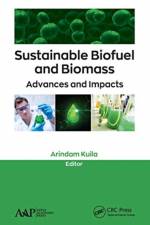
Biofuel production from waste biomass is increasingly being focused on due to due to several advantages of lignocellulosic biomass, such as availability in abundance from several sources, cost-effectiveness, little competition with food sources, etc. This new volume, Sustainable Biofuel and Biomass: Advances and Impacts, provides an abundance of in-depth information on many types of biofuels from lignocellulosic biomass and also describes biomass sources and their availability for biofuel production. This compiled book features 17 chapters that discuss the different aspects of biofuel production from lignocellulosic biomass. Chapters deal with different types lipase-mediated biofuel production, biohydrogen production from lignocellulosic biomass, triacylglycrol biosynthetic pathways in plants for biofuel applications, the industrial prospects of lignocellulosic bioethanol production, biofuel cell production, potential feedstocks availability for bioethanol production, biofuel production from algal biomass, and many other important topics.
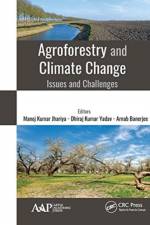
This volume provides an abundance of valuable information on emerging eco-friendly technology and its potential role in combating climate change via agroforesty. The volume begins by describing the recent understanding of the scenario of climate change and its issues and challenges and provides an in-depth analysis of the potential of agroforestry toward climate change mitigation and adaptation. Chapters address a wide range of techniques and methods for mitigating the negative aspects of climate change through agroforesty, such as vermicomposting, carbon sequestration, horticulture techniques, nutrient sequestration and soil sustainability, conservation of medicinal plant resources, silvipastoral systems, phytoremediation techniques, and more. The book also looks at livelihood security and the role of agroforestry.Key features: Provides updated information and recent developments in the field of climate change and agroforestryLooks at a variety of eco-friendly methods being employed to help mitigate climate change through agroforestyProvides recommendations and suggestions to build harmony between agroforestry and climate changeDiscusses new insights on the role of agroforestry toward combating climate change as well as maintaining the sustainability of ecosystems
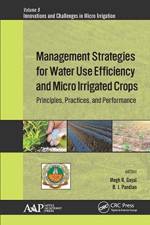
Management Strategies for Water Use Efficiency and Micro Irrigated Crops presents new research and technologies for making better use of water resources for agricultural purposes. The chapters focus on better management to improve allocation and irrigation water efficiency and look at performance factors as well. Chapters look at irrigation technology, environmental conditions, and scheduling of water application.One section of the book focuses on water management in the cultivation of sugarcane, a very important industrial crop used in many fields. Other sections are devoted to principles and challenging technologies, water use efficiency for drip-irrigated crops, performance of fertigated rice under micro irrigation, and evaluation of performance of drip-irrigated crops.This valuable book is a must for those struggling to find ways to address the need to maintain efficient crop production in the midst of water shortages. With chapters from hands-on experts in the field, the book will be an invaluable reference and guide to effective micro irrigation methods.
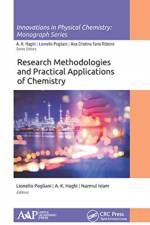
This new volume, Research Methodologies and Practical Applications of Chemistry, presents a detailed analysis of current experimental and theoretical approaches surrounding chemical science. With an emphasis on multidisciplinary as well as interdisciplinary applications, the book extensively reviews fundamental principles and presents recent research to help show logical connections between the theory and application of modern chemistry concepts. It also emphasizes the behavior of materials from the molecular point of view.The burgeoning field of chemistry and chemical science has led to many recent technological innovations and discoveries. Understanding the impact of these technologies on business, science, and industry is an important first step in developing applications for a variety of settings and contexts. The aim of this book is to present research that has transformed this discipline and aided its advancement. The book examines the strengths and future potential of chemical technologies in a variety of industries.
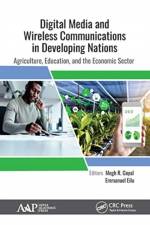
Digital Media and Wireless Communication in Developing Nations: Agriculture, Education, and the Economic Sector explores how digital media and wireless communication, especially mobile phones and social media platforms, offer concrete opportunities for developing countries to transform different sectors of their economies. The volume focuses on the agricultural, economic, and education sectors. The chapter authors, mostly from Africa and India, provide a wealth of information on recent innovations, the opportunities they provide, challenges faced, and the direction of future research in digital media and wireless communication to leverage transformation in developing countries. The volume provides important research on digital media and wireless communication within the context of developing countries that will be very useful for professionals from academia, government agencies, NGOs, technologists, entrepreneurs and investors, and others.
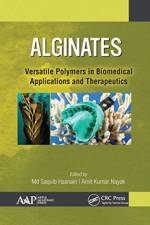
This new volume explores the latest research on the use of alginate as a biopolymer in various biomedical applications and therapeutics. The uses of alginates and modified alginates discussed in this book include tissue regeneration, encapsulation and delivery of drugs, nucleic acid materials, proteins and peptides, genes, herbal therapeutic agents, nutraceuticals, and more. This book also describes the synthesis and characterizations of various alginate and modified alginate systems, such as hydrogels, gels, composites, nanoparticles, scaffolds, etc., used for the biomedical applications and therapeutics. Alginate, a biopolymer of natural origin, is of immense interest for its variety of applications in pharmaceuticals (as medical diagnostic aids) and in materials science. It is the one of the most abundant natural biopolymers and is considered an excellent excipient because of its non-toxic, stable, and biodegradable properties. Several research innovations have been made on applications of alginate in drug delivery and biomedicines. There needs to be a thorough understanding of the synthesis, purification, and characterization of alginates and its derivatives for their utility in healthcare fields, and this volume offers an abundance of information toward that end.
Provides practical experience and research on new methodologies and important applications in chemical nanotechnology. It also includes small-scale nanotechnology related projects that have potential applications in several disciplines of chemistry and nanotechnology.
This book, Nanostructured Semiconductors in Porous Alumina Matrices: Modeling, Synthesis, and Properties, explores new developments in the modeling, synthesis, and properties of functional semiconductor nanostructures in porous anodic alumina matrices. The book focuses on luminescent nanoparticles in organic and inorganic dielectric matrixes, specifically in porous alumina films, as these are most relevant due to their capacity for particle division and ability to provide environmental protection. With a particular emphasis on experimental and theoretical studies of the synthesis processes, the book informs readers about these nanostructures through rigorous investigation of their properties.The book, which is divided into ten chapters, begins with a discussion of the existing literature on nanostructural electroluminescent light sources (ELS). This overview establishes a foundation for the remaining nine chapters, which explore in depth many facets of nanostructured materials: their composition, processes they undergo, how they may be implemented, etc. Within these chapters, experimental studies and results are incorporated, in addition to detailed descriptions of simulations that highlight different uses of these materials.
Abonner på vårt nyhetsbrev og få rabatter og inspirasjon til din neste leseopplevelse.
Ved å abonnere godtar du vår personvernerklæring.