






Gjør som tusenvis av andre bokelskere
Abonner på vårt nyhetsbrev og få rabatter og inspirasjon til din neste leseopplevelse.
Ved å abonnere godtar du vår personvernerklæring.Du kan når som helst melde deg av våre nyhetsbrev.

A fresh look at the text which introduced for the first time some of the key figures in British myth and legend.
This fascinating selection of photographs shows how Castle Douglas has changed and developed over the last century.
Michael Mather explores eastern Scotland's disused railway lines.
This beautifully photographed selection of 50 of the county's most precious assets shows what makes Norfolk great.
Explore Peebles' secret history through a fascinating selection of stories, facts and photographs.
The centenary of the First World War has brought with it much attention on the lives of those left behind at home. This book explains how the daily life of children one hundred years ago was affected by war.
Explores the rich and fascinating history of Penzance through an examination of some of its greatest architectural treasures.
This fascinating collection of photographs, facts and stories charts the history of some of Clerkenwell's and Islington's most famous and interesting old pubs, inns and taverns.
Historical figures whose lives help explain today's global economy
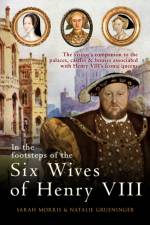
The visitor's companion to the palaces, castles and houses associated with Henry VIII's six wives
A few bloody months in South Asia during the summer of 1947 explain the world that troubles us today.
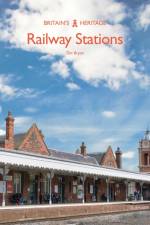
Railway stations are among Britain's most special buildings. The start and end point of the daily commute and the magical holiday, they vary hugely in style and size. This book is the perfect introduction to the subject.
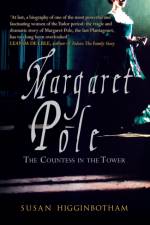
The true story of 'The King's Curse'; the extraordinary life of Margaret Pole, niece of Richard III, loyal servant of the Tudors.
The untold story of the remarkable woman behind England's greatest medieval king, Edward I.
A terrific, lavishly illustrated look at the fascinating world of American roadside signs.
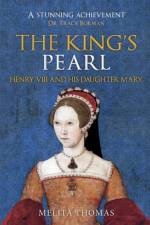
A re-examination of Henry VIII's eldest daughter, Mary, and her relationship with her father.
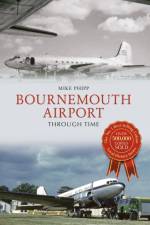
This fascinating selection of photographs traces some of the many ways in which Bournemouth Airport has changed and developed over the last century.
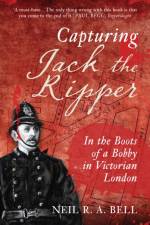
Explores life in the Victorian police force from the time of Jack the Ripper, from training to discovering a murder.
Simon de Montfort's combination of charisma, determination, and fearlessness made him one of the greatest men of his age. This new biography marks 750 years since Montfort established the earliest forerunner of our modern parliament.
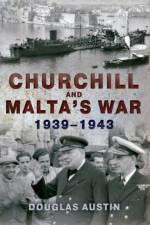
The meticulously researched account of the defence of Malta and its role, importance and contribution to the Allied effort during WW2.
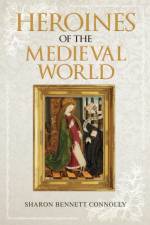
The stories of women, famous, infamous and unknown, who shaped the course of medieval history.
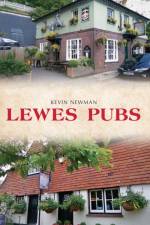
A fascinating tour of Lewes' pub scene, charting the town's taverns, alehouses and watering holes, from past centuries to more recent times.
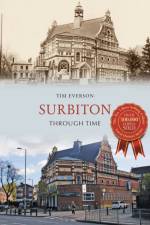
The south-west London suburb of Surbiton, part of the Royal Borough of Kingston upon Thames, came into being after a plan to build a London-Southampton rail line took a route somewhat to the south of Kingston. Surbiton Station, originally called Kingston-on-Railway, was opened in 1838 and the suburb grew from there. Formerly within the county of Surrey, Surbiton became part of Greater London in 1965, together with neighbouring Kingston and Richmond. Surbiton has always been a desirable place to live and has attracted some very famous residents, among them writers Thomas Hardy and Enid Blyton; the Pre-Raphaelite painters, John Everett Millais and William Holman Hunt; and Rupert the Bear artist, Alfred Bestall. Perhaps its greatest claim to fame was as the fictional home of Tom and Barbara Good and their neighbours, the Leadbetters, in the much-loved sitcom The Good Life. The fascinating history of this most suburban of neighbourhoods is captured in this unique selection of old and new images and informative captions, compiled by London author and historian Tim Everson, and is essential reading for anybody who knows and loves Surbiton.
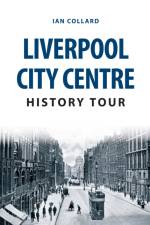
Liverpool City Centre History Tour is a unique insight into the illustrious history of this famous old port city. Local author Ian Collard guides us through the streets and alleyways, showing how its famous landmarks used to look and how they've changed over the years, as well as exploring its lesser-known sights and hidden corners. With the help of a handy location map, readers are invited to follow a timeline of events and discover for themselves the changing face of Liverpool City Centre.
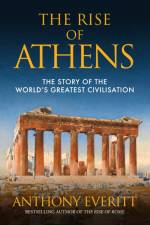
The story of Athens is truly intriguing: how did a tiny community of 200,000 citizens manage to give birth to towering geniuses across the range of human endeavour, create one of the greatest civilizations in history, and lay the foundations of our own political and intellectual heritage?Taking the city itself as his central subject, Anthony Everitt relates the story of this early metropolis, taking in the strengths, flaws and unique brilliance of this ambitious experiment in civilization. Filled with adventure and astounding reversals of fortune, The Rise of Athens celebrates the city-state that cradled the world's first democracy - from its revolutionary beginnings through to the flowering of its intellectual and artistic achievements - and explores its eventual decline into a lesser city under outside rule. In his deft and fluid style, Everitt shows how our culture has been profoundly influenced by the Athenians: inventing the arts of tragedy and comedy, architecture and sculpture, establishing the concepts and language of western philosophy, and raising political issues that still vex thinkers to this day.
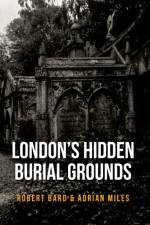
It is fascinating to think that many hundreds of generations of Londoners lie beneath the city without us knowing. Over many centuries burial grounds have been developed, built over and then forgotten, often beneath playgrounds, gardens or car parks. When modern development takes place, remains are disturbed and we are reminded of a London that has long since disappeared, particularly with recent archaeological discoveries across the city. In London's Hidden Burial Grounds, authors Robert Bard and Adrian Miles seek to uncover many of the capital's lost graveyards, often in the unlikeliest of places.
Stockport sits on elevated ground 7 miles south-east of the city centre of Manchester. No part of Stockport is recorded in the Domesday Book but there are records that show a castle was built in the area in the late twelfth century and the first borough charter was granted around 1220. The town developed in size during the Industrial Revolution when its site at the confluence of the rivers Tame, Goyt and Mersey provided the water sources needed for the development of a number of mills. Today a walk around the narrow streets and passages of Hillgate provides evidence of Stockport's rich history with the fifteenth-century Staircase House and the quaint cobbled streets surrounding the market sitting in the shadow of the historic Church of St Mary. Venture out of the centre, however, and you will find Stockport is rich in myth and legend. From the witch of Reddish Vale and ghosts of Bramall Hall to the beautifully restored, Art Deco Plaza Theatre, there is always something to catch the imagination of those visitors who wish to uncover the hidden secrets of this fascinating town.
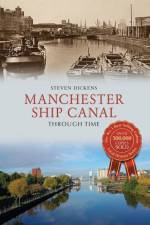
The Manchester Ship Canal was a huge engineering achievement. It included seven swing bridges and the aqueduct at Barton, and helped turn the cotton-producing capital of Great Britain into an inland seaport. This was a feat many at the time believed could not be achieved. One of the wonders of the modern industrial world, the Manchester Ship Canal, with its huge locks and ocean-going vessels, was a magnetic draw for enthusiastic Victorians who marvelled at its construction. This book looks at the changes and development of the Manchester Ship Canal through time, from its origins as a thriving economic hub in the late nineteenth century, to an important retail, leisure and media centre in the early twenty-first century and beyond. Join Steven Dickens as he explores the history of this 36-mile-long inland waterway in the north-west of England, which links Manchester to the Mersey Estuary and the Irish Sea.
Abonner på vårt nyhetsbrev og få rabatter og inspirasjon til din neste leseopplevelse.
Ved å abonnere godtar du vår personvernerklæring.