Gjør som tusenvis av andre bokelskere
Abonner på vårt nyhetsbrev og få rabatter og inspirasjon til din neste leseopplevelse.
Ved å abonnere godtar du vår personvernerklæring.Du kan når som helst melde deg av våre nyhetsbrev.

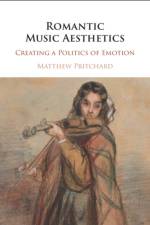
Drawing together insights from the history of emotions, cultural history, and studies of philosophical idealism, 'affective relationality' - the channelling of emotion through music's social and cultural synergies - emerges as key to Romantic aesthetic thought. Now familiar concepts such as theatrical illusion, genius, poetic criticism, and the renewed connection of art to mythology and religion opened new spaces for audiences' feelings, as thinkers such as Rousseau, Herder, Germaine de Staël, Joseph Mainzer, Pierre Leroux and George Sand sought alternatives to the political status quo. Building on the sentimental tradition in eighteenth-century art and politics, the Romantics created ways of listening to music imbued not just with melancholic longing for transcendence but also with humour, gothic fantasy, satire, and political solidarity. The consequences have extended far beyond the classical concert hall into numerous domains of popular culture from melodrama, romances and political songwriting to musical theatre and film.
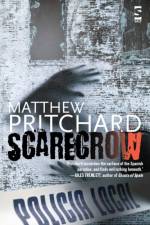
In the Spanish province of Almeria, the compulsory demolition order on a house belonging to a British ex-pat couple leads to a gruesome discovery that sends journalist Danny Sanchez in pursuit of a vicious serial killer. By following the trail back to England, Danny confronts some of his own demons.
Abonner på vårt nyhetsbrev og få rabatter og inspirasjon til din neste leseopplevelse.
Ved å abonnere godtar du vår personvernerklæring.