

Gjør som tusenvis av andre bokelskere
Abonner på vårt nyhetsbrev og få rabatter og inspirasjon til din neste leseopplevelse.
Ved å abonnere godtar du vår personvernerklæring.Du kan når som helst melde deg av våre nyhetsbrev.

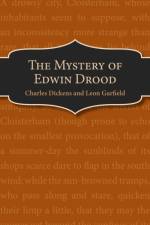
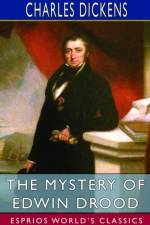
The Mystery of Edwin Drood was Charles Dickens final novel, and remained unfinished at the time of his death. In this edition, beloved children's author Leon Garfield gives the story a satisfying ending.
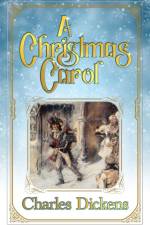
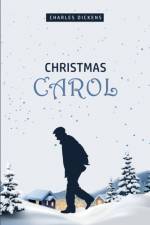
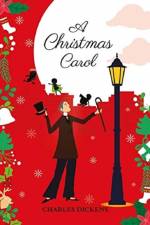
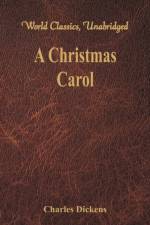
A Christmas Carol by Charles Dickens depicts Ebenezer Scrooge¿s long night of visitations by the spirits of Christmas. This Holiday classic transcends its seasonal status by offering all the eerie chills of a ghost story and balancing them with a heartfelt vision of compassion, redemption, and a life well lived.
The Mystery of Edwin Drood is the final novel by Charles Dickens, originally published in 1870. Though the novel is named after the character Edwin Drood, it focuses more on Drood''s uncle, John Jasper, a precentor, choirmaster and opium addict, who is in love with his pupil, Rosa Bud. Miss Bud, Edwin Drood''s fiancée, has also caught the eye of the high-spirited and hot-tempered Neville Landless. Landless and Edwin Drood take an instant dislike to one another. Later Drood disappears under mysterious circumstances.
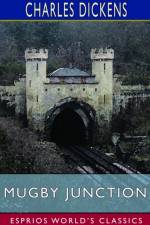
"Mugby Junction" is a set of short stories written in 1866 by Charles Dickens and collaborators Charles Collins, Amelia B. Edwards, Andrew Halliday, and Hesba Stretton. It was first published in a Christmas edition of the magazine All the Year Round. Dickens penned a majority of the issue, including the frame narrative in which "the Gentleman for Nowhere," who has spent his life cloistered in the firm Barbox Brothers, makes use of his new-found freedom in retirement to explore the rail lines that connect with Mugby Junction. Dickens''s collaborators each contributed an individual story to the collection.
Sketches by Boz is the first volume of the new Oxford Dickens. This critical edition of the collection of sixty pieces which first appeared as contributions to magazines and newspapers in the mid 1830s presents afresh his sharp and often satirical observation of social situations and London characters.
Abonner på vårt nyhetsbrev og få rabatter og inspirasjon til din neste leseopplevelse.
Ved å abonnere godtar du vår personvernerklæring.