



Gjør som tusenvis av andre bokelskere
Abonner på vårt nyhetsbrev og få rabatter og inspirasjon til din neste leseopplevelse.
Ved å abonnere godtar du vår personvernerklæring.Du kan når som helst melde deg av våre nyhetsbrev.

"Second Book of Verse" by Eugene Field is a delightful and enchanting collection of poetry that invites readers into the whimsical world of this beloved American writer. Published during the late 19th and early 20th centuries, Field's second book of verse likely continues the tradition of his charming and nostalgic style. Within the pages of this collection, readers can anticipate encountering a variety of themes, each infused with Field's signature blend of playfulness and sentimentality. The poet's love for capturing the innocence of childhood is likely evident, with verses that celebrate the magic of imagination and the wonder found in everyday moments. Field may revisit his well-known characters like "Little Boy Blue" and "Wynken, Blynken, and Nod," continuing to weave their stories into the fabric of his poetry. Through these characters, he might explore themes of love, loss, and the enduring spirit of youth. The poet's ability to create vivid and memorable imagery, coupled with a rhythmic and melodic quality, is likely to shine throughout the collection.
"Seeing It Through: How Britain Answered the Call" by Arthur St. John Adcock is a poignant and patriotic collection of poetry that captures the spirit and resilience of Britain during a crucial period in history, likely focusing on World War I. Published during the early 20th century, Adcock's work provides a poetic lens through which readers can witness the collective response of the British people to the call of duty. In this collection, Adcock likely explores themes of patriotism, sacrifice, and the indomitable human spirit in the face of adversity. The poems may reflect the experiences of soldiers on the front lines, the sacrifices made by families on the home front, and the unwavering determination of a nation united in the pursuit of a common cause. The title, "Seeing It Through," suggests a commitment to persevering despite challenges and hardships. Adcock's verses may serve as a tribute to the resilience of the British people and their steadfast resolve to face the trials of war with courage and fortitude. The poet, known for his eloquent and evocative language, likely employs vivid imagery and emotional depth to convey the impact of war on individuals and society. Through his verses, Adcock may capture the range of emotions experienced during wartime, from the sorrow of loss to the pride in collective strength.
"Collected Poems 1897-1907" by Henry Newbolt is a poetic anthology that encapsulates the spirit and ethos of the late 19th and early 20th centuries. Published during a period of significant social and political change, Newbolt's poems likely reflect the intellectual and emotional landscape of his time. Within this collection, readers can anticipate a diverse range of themes and poetic forms. Newbolt, a respected figure in the literary and political spheres, likely addresses the prevailing concerns and aspirations of the era. His verses may explore themes such as patriotism, duty, the impact of war, and the complexities of human relationships. The years covered in this collection coincide with a period marked by the Boer War and the early stages of World War I. As a result, Newbolt's poems may include reflections on the geopolitical events of the time, offering a poetic lens through which readers can gain insight into the collective consciousness of society during these tumultuous years. Newbolt's poetry likely exhibits a formal and traditional style, reflecting the literary conventions of his era. His verses may feature structured rhyme schemes, meter, and a keen attention to craftsmanship. This adherence to traditional poetic forms aligns with the broader trends in late 19th and early 20th-century English poetry. Among the notable pieces in "Collected Poems 1897-1907," readers may find works that celebrate the ideals of honor, courage, and national pride, as well as poems that contemplate the challenges and moral complexities of the times. Overall, "Collected Poems 1897-1907" by Henry Newbolt offers readers a poetic panorama of a pivotal period in history, blending the personal and the political, and providing a glimpse into the rich tapestry of emotions and ideas that characterized the turn of the century.
Violet Fane, the pen name of Mary Montgomerie Lamb, was a 19th-century British writer known for her poetry and novels. Her "Collected Verses" is a compilation of her poetic works that offers readers a glimpse into the Victorian literary landscape. Fane's poetry reflects the spirit of her time, exploring themes of love, nature, and the complexities of human emotion. In "Collected Verses" by Violet Fane, readers can expect a poetic journey through the romantic and often introspective landscapes of the Victorian era. Fane's verses exhibit a delicate balance of sentiment and sophistication, capturing the nuances of emotion with eloquence and grace. Whether expressing the joys of love or contemplating the mysteries of existence, her poetry resonates with a timeless quality.
"Satires of Circumstance: Lyrics & Reveries with Miscellaneous Pieces" by Thomas Hardy is a poetic collection that unveils the Victorian novelist's lyrical prowess and his contemplative exploration of the human condition. Published in the early 20th century, this anthology showcases Hardy's versatility as a writer, transitioning from prose fiction to the realms of verse with poetic finesse. At the heart of this collection are the "Satires of Circumstance," a series of poems that delve into the complexities of life, love, and the inexorable influence of external forces. Hardy's lyricism is likely marked by a nuanced understanding of the inherent ironies and contradictions that shape human existence. The poems may embody a satirical lens, offering readers a reflective commentary on the quirks of fate and the interplay of societal norms. Intertwined with the satirical elements are Hardy's "Lyrics & Reveries," which likely delve into the realm of personal reflections and introspections. These pieces may showcase the poet's keen observations of nature, his contemplation of love's joys and sorrows, and his musings on the transient nature of time.
"Black Beetles in Amber" by Ambrose Bierce is a collection of short stories that showcases the author's masterful command of the macabre, the mysterious, and the unexpected. Published in the late 19th and early 20th centuries, these tales reflect Bierce's unique literary style and his inclination toward exploring the darker corners of human experience. At the core of "Black Beetles in Amber" is Bierce's fascination with the bizarre and the supernatural. The title itself, invoking the image of black beetles preserved in amber, sets the tone for a collection that delves into the timeless themes of mortality, fate, and the enigmatic nature of existence. Each short story within the collection is a carefully crafted narrative that often defies conventional expectations. Bierce's storytelling is characterized by its economy of language, sharp wit, and a penchant for unsettling twists. The tales range from eerie encounters with the supernatural to explorations of the human psyche, inviting readers to confront the unknown and the inexplicable. Notable stories within "Black Beetles in Amber" include "An Inhabitant of Carcosa," a surreal exploration of consciousness and identity, and "The Death of Halpin Frayser," a haunting tale of the supernatural. Bierce's ability to evoke a sense of foreboding and to subvert traditional storytelling conventions contributes to the enduring allure of this collection. "Black Beetles in Amber" stands as a testament to Ambrose Bierce's legacy as a master of the short story form. His skillful blending of the eerie and the philosophical continues to captivate readers, inviting them to embrace the shadows and uncertainties that lie at the heart of the human experience.
"Songs from Books" by Rudyard Kipling is a captivating collection of poems that draws inspiration from Kipling's extensive travels, diverse experiences, and literary explorations. Published in the late 19th and early 20th centuries, this anthology showcases Kipling's versatile poetic voice and his ability to craft verses that resonate with themes ranging from adventure and exploration to the complexities of human relationships. Kipling, a prolific writer and Nobel laureate, weaves his poems with a tapestry of narratives that reflect his deep connection to the places he visited and the people he encountered. The collection takes readers on a literary journey, inviting them to explore the richness of Kipling's imagination and his keen observations of the world. The title, "Songs from Books," hints at the eclectic sources that inspired Kipling's verses. The poet often drew inspiration from literature, history, and folklore, infusing his poems with a depth of cultural references and a sense of timelessness. Each poem becomes a lyrical exploration of themes found in various literary works, creating a harmonious blend of Kipling's unique perspective and the broader tapestry of human storytelling. Thematically, the poems touch upon the human condition, the spirit of adventure, the challenges of life, and the intricate dance of love and loss. Kipling's mastery of language, rhythm, and imagery is evident throughout, enriching each poem with a poetic resonance that lingers in the reader's mind.
"Shapes and Shadows" by Madison Julius Cawein is a collection of poetry that likely showcases the American poet's fascination with nature, mysticism, and the beauty of the Kentucky landscape. Published during the late 19th and early 20th centuries, Cawein's verses are likely imbued with a romantic sensibility and a keen observation of the world around him. Within this collection, readers can anticipate encountering Cawein's signature themes, such as his deep connection to nature and his exploration of the mysterious and ethereal aspects of existence. The title, "Shapes and Shadows," suggests a play between light and darkness, tangible and elusive forms, inviting readers into a realm where the boundaries between the natural and the supernatural blur. Cawein's poetry is likely characterized by its vivid imagery, lyrical language, and a sense of nostalgia for a bygone era. The verses may reflect the influence of Romanticism, with a focus on the sublime in nature and the emotional impact of the changing seasons. Cawein's exploration of shadows may delve into the symbolic and metaphorical, offering readers an introspective journey into the complexities of the human experience.
"Shapes of Clay" by Ambrose Bierce is a collection of poetry that reveals the versatile and often satirical literary talents of the American journalist and author. Published during the late 19th and early 20th centuries, Bierce's collection likely reflects his unique perspective, wit, and penchant for exploring the darker aspects of human nature. In "Shapes of Clay," readers can expect to encounter a diverse range of poetic forms and themes. Bierce, known for his incisive and often sardonic writing style, may use poetry as a medium to critique societal norms, challenge conventions, and delve into the complexities of the human psyche. The title itself suggests a malleability of form, perhaps symbolizing the fluid nature of human character and society. Bierce's poetry is likely marked by a keen sense of irony, humor, and a razor-sharp wit. His verses may offer satirical commentary on politics, morality, and the foibles of the human condition. Through carefully crafted language and clever wordplay, Bierce may create a collection that engages readers intellectually while challenging them to reconsider conventional wisdom.
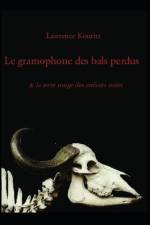
Ce recueil de haïkus est le dernier sorti. Vous serez sans doute déconcerté par sa conception, par sa mise en page. Ceci est volontaire bien sûr. Comme un palais des glaces de fête foraine où l'on se perd avec plaisir. Mais finalement peu importe, une fois le trac dépassé, une fois la rampe lâchée, on se laisse porter par le courant et c'est bien là tout l'enjeu de la poésie, qu'elle soit du Japon, d'Europe ou d'ailleurs.Le haïku c'est 17 syllabes d'éternité.
Les hommes serpents enfilent leurs ailes devautour. Ils crient après leurs mômes plus fort quele chacal. Navires obsédés quittant chaque jour leport, ils construisent des avenirs...Ce sont ces mots qui ouvrent le bal.Un bal de tendresse, de colère parfois ou encore et surtout de poésie. Ce livre couvre un chemin qui aura duré 30 ans, de la Centrafrique à la France au gré des circonvolutions du monde, au tempo de mes pas si fébriles parfois. Dévorez-le ou picorez, je vous souhaite une découverte à chaque page, une curiosité, une porte ouverte sur d'autres mondes. "Je est un autre" disait Rimbaud, je vous conduis vers votre autre. Laissez-vous aller.
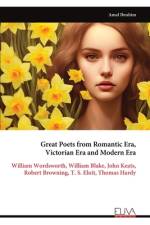
Romanticism is an ideology shaped a great deal of Western civilization's late 18th- and mid-19th-century literature, art, music, architecture, etc. Romanticism was characterized by the following attitudes: a greater appreciation of nature's beauty; an overall exaltation of emotion over reason and the senses over intellect.This is shown in the selected poems that are written by the author like "The Effect of Daffodil Flowers on William Wordsworth's Mood" "Romantic Poets Love Nature and Celebrate it in Different Aspects" "Symbolism in Blake's Animal Poems "Lamb and Tyger" An Analytical and Descriptive Study" The term "Victorian poetry" refers to poetry written during 1832-1901, during Queen Victoria's reign. Victorian poems utilize imagery, relying on the senses to get the poet's message across. The poets depict a great deal of emotion and passion about their subjects. Victorian poetry is characterized by an evolution of form and technique. Sensory imagery received emphasis, and paradoxically, there are both humorous and whimsical tones alongside pessimism and isolation. . Some of Browning's finest poems are, My Last Duchess, The Bishop etc. Some of the poems written by the author are" In the Poem My Last Duchess the Duke Suffers from Personality Disorders, My Last Duchess" Poem from a Psychosocial and Social Point of View Modernism, a literary movement from 1890 to 1950, influenced cultural changes and rejected previous movements. T.S. Eliot's "The Wasteland" and "The Love Song of J. Alfred Prufrock" reflect modern poetic styles, highlighting human psychological fragility and pessimism.. Some of these poems written by the writer is "Alfred Prufrock Suffered from Self-Awareness Disorder Which Led Him to Social Anxiety" Pessimism Feature is Reflected in One of Thomas Hardy's Poems"Ah, Are You Digging on My Grave?" As One of the Features of Modernism.
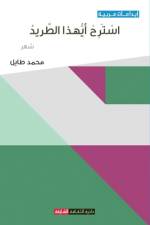
شعرتُ عندما حاولت إزاحة سريري وتغيير اتجاهه ليصبح وجهي مقابلاً للنافذة، أنّي أغيّر العالم، وأحوّل غرفتي إلى مصنعٍ للأحلام، إلى مسرحٍ أستطيع الوقوف عليه كامرأةٍ كاملة والغناء بصوت عالٍ، فأجلب السماء إليّ بنظرة واحدة، بكلمة تُغنّى، كاسمي، لكن هناك أمّي خارج الغرفة، وأمّي لا تشبه بقيّة الأمهات. فهي تراقب أي تغييرٍ يحدث بحرصٍ كبير، تضع دائماً مقصاً في جيبها؛ لأنّها كما تقول لا تثق بالريش الذي ينبت فجأة.
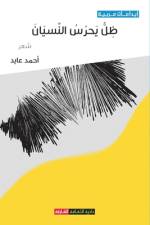
فِكْرتي مستعدّةٌ وبدونيأنْ تُساوي بالشكِّ فعلَ اليقينِحَيَّرتْني! لا بُدّ من خللٍ إذْليسَ حُلْماً وقد فَرَكْتُ جفونِيكلُّ هذا لأنّني كنتُ حُرّاًتاركاً همّتي بقاعِ السكونِكائناً حيّاً مثلَ نهرٍ حكيمٍجنّنتْهُ الظنونُ تلوَ الظنونِكنتُ نهراً لكنّها تَرَكَتْنِيكدْتُ من رِيبتي أقولُ خُذِينيخيّبَتْ ظنّي فكرتي غيرَ أنّي
يسّاءلونَ - اندهاشاً فيكَ - هل عَرَجَا؟!راودتُ بالحبِّ سقفَ الشعر فانفرَجالم أصعدِ الغيمَ باسمِ الماءِ قافيةًحتى اتخذتُ نقائي صوبهُ دَرَجَاوجرّتي لغة القرآن مترعـــةهدي القلوب (ولم يجعل له عوجا)لم أقبسِ النارَ في طورِ الرُّؤى وَلهاًحتى رعيتُ قطيعَ المشتهى حججاألقيتُ في لُجّة المرآة طعمَ فمي
لأنكِ تمشينَ مشيَ الوريدتمكّنتِ من ناطحاتِ دمـــيلأني ارتباكُ المسافةِ بينيوبينكِ؛ أنسى لمن أنتمي!لأنّ النهــــــايةَ أن تفهمينـــيأعيــــذكِ بالحبِّ أن تفهمِيلأنكِ مُعظمُ هذِي الخلاياسآوي بِكلِّي إلى مُعظَميتَفوحين من ذكرياتي بريقاً
وحدي، بلا مَنفىًولا أوطانِ لا تُقلقي الزيتونفي أغصاني وردٌ بنافذةِ الغياب ودمعةٌ زُلفى إليكِفرتِّلي قُرآني في الحب ما يكفي لكي تتأمَّلِي صَوتيوأن تتحسَّسِي جدراني
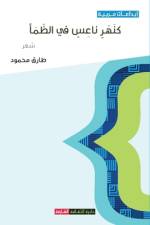
كَنَهْرٍ يَـتَمَطَّىلِيُبَاعِدَ بَيْنَ مَنَابِعِهِوَفَنَاءِ الرُّوْحْأَطَلَّتْ؛ بِصَفَاءِ الْعَيْنَيْنِ الزَّرْقَاوَيْنِامْرَأةٌ تَدْرِي ما كُنْهُ الأُنْثَىوَحَنِيْنَ الْوَقْتِ إلَيْهَا - حِسُّكَ بِالدُّنْيَا.. قَالَتْ؛زِلْزَالٌ مَرْكَزُ بُؤْرَتِهِحَيْثُ الأَقَدَامُ تُشَارِكُ
ثمَّ أغنيةٌ في الطَّريقِ ستهزِمُ عينَكَ ساكِنةًكَي تُفتِّشَ فِي بيتِها عَنْ حنينٍ أسيرٍوعاطفةٍ يأكُلُ اللَّيلُ مِنْ كفِّهاوفتاةٍ تُمشِّطُ شعرَ وعودِكَ ضاحكةًوبِلادِكَ سائِلةً عَنْ غيابِكَ مُقْلَقةًوزمانٍ لطِيفْثمَّ أغنيةٌ سَوفَ تقلبُ أسفلتَ قَلْبِكَ رِيفْهارِباً نحوَها مِنْ عُيونِ الحقيقةِ
كَقَصِيدَةٍ لَم تَحتَمِل بُعدِيسِوَى فِي طَيِّهَاقَدَراً وُلِدتُ مَعَ الصَّدَىوَمَعِي صَبَاحٌ مِن فَرَادِيسِ الـمَدَىأَلهَبتُ نَايَ الرُّوحِ..أَنَّثتُ النَّدَىأَنجَبتُ أَوَّلَ دَهشَةٍ فِي لَحظَةٍوَقَرَأتُ كَفَّ النُّورِثُمَّ هُوَ اهتَدَى
إلى دمْعةٍ في مَهبِّ الجراحِتدَلّتْ، على حزْنِها صَادقةْ!!إلى عَابرٍ في الغَرامِ انْكساراًولمّا تزلْ.. رُوحُهُ شَاهِقةْإلى مَنْ يُصادقُ دمْعَ المَنافيلكي يلْتقي في الأسى خَالقَهْإلى ورْدةٍ في فيافي المَجَازِتُنـــــازعُ أشْواكَها المَارِقةْ
Este poemario tiene objetivos anarquistas y caóticos, es una manera más de soplar los vientos que impulsan las alas de la poesÃa. Beso a tierra es una obra que congrega la naturaleza de la poesÃa de la poeta uruguaya Pata Coche.
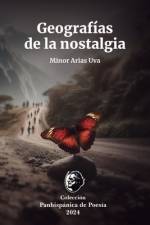
El poeta expresa "Recibo la bendición de las montañas", y avanza, y busca el sendero que lo lleve al amanecer, por estas geografÃas tan difÃciles del vivir, compartir la vida, y abrir las ventanas a una nueva esperanza. El poema "Nostalgia por un par de zapatos" nos enseña no solo a comprender esta travesÃa de los migrantes, sino más bien su valentÃa, su fe, el tan preciado sueño de que la libertad es posible, el amor es posible, que en las heridas más profundas también amanece. [...]
[...] SÃ, el miedo es verdad. Pero el miedo está en las aguas quietas de quienes hacen sus vidas sanas y fértiles, porque el cielo los pudre de vergüenza, aburrimiento o desesperación, porque es normal sentirse normal, asà desde niños nos desprendemos de la imaginación para masticar, copular y terminar bajo tierra junto al excremento de mamÃferos y aves.Hay retazos de un psiquiátrico que si los reúne, puede que el mensaje cifrado sea una advertencia, los locos están menos solos y los tristes están más unidos, a fuerza de caer dejamos de rompernos, a fuerza de facilitar la belleza de las imágenes o el sonido de las palabras, hacemos que la poesÃa exista aún entre los escombros de estos tiempos de mala literatura y corrección polÃtica. Javier Payeras
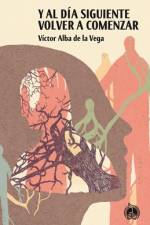
"Y al dÃa siguiente volver a comenzar es un libro indócil que se niega a ser clasificado y domado. Compuesto por poemas, relatos, neologismos sugerentes, tesis cientÃficas luminosas, imágenes, confesiones, restos de un diario, demostraciones filosóficas, se trata de un cuerpo bien tramado de escrituras. En ese cuerpo de escrituras aparece un tal VÃctor que mira el mundo y lo piensa, y sabe que todo es nada sin la compañÃa de otras, de otros. Y también sabe que es mejor no tener dioses ni amos, y que es posible entenderse y organizarse, cuidarse, sin intermediarios odiosos. Y que es mejor huir de toda patria y reconocer que la única autoridad legÃtima proviene de la ayuda mutua. Los argumentos, ideas, intuiciones y datos, de este libro revelan una certeza rotunda: el mundo y una vida humana son flujos de relaciones, nunca unidades cerradas sobre sà mismas. ¿Cuáles consecuencias se siguen de esa certeza? La preferencia por el cuidado, la hospitalidad y la cooperación, el amor por los pequeños e insignificantes rituales diarios. Todo ello hace del libro un manifiesto cuyo empeño no está puesto en las demostraciones, sino en las verdades que han de ser defendidas, como una bandera. Sin enunciarla de esa manera, en el fondo del libro late la certera intuición de que toda vida es una custodia compartida. Una custodia que ha de continuar, también, al dÃa siguiente." (ALEXANDER JIMÃNEZ MATARRITA) VÃCTOR ALBA DE LA VEGA (San José, 1971)Estudió FilosofÃa en la Universidad de Costa Rica, de cuya Revista de FilosofÃa fue editor. Por casi veinte años ha trabajado como traductor independiente. Es coautor y editor de Las reglas en juego: Algunas relaciones entre filosofÃay literatura (2003). Ha publicado la novela La ausencia del mal (2013) y una recopilación de artÃculos periodÃsticos y otros textos en El cuento de uno mismo (EUCR, 2009).
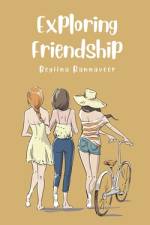
In the intricate tapestry of life, friendship stands as one of the most profound threads. In "Exploring Friendship," Regiina Rannaveer delves deep into the essence of human connection, weaving together verses that resonate with the beauty and complexity of companionship.Through poignant poetry, Rannaveer invites readers on a journey of introspection and discovery, navigating the ebbs and flows of friendships with heartfelt insight. From the warmth of shared laughter to the solace found in understanding glances, each poem encapsulates the myriad emotions that accompany the bonds we forge with others.Drawing from personal experiences and universal truths, "Exploring Friendship" celebrates the joys, challenges, and enduring strength found in these cherished relationships. With each turn of the page, readers are encouraged to reflect on their own connections and embrace the transformative power of true friendship.Copyright (c) 2024 Book Fairy Publishing
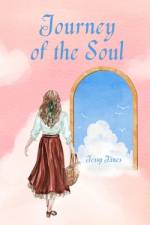
In 'Journey of the Soul, ' Jessy Jänes invites you to embark on a profound exploration of the human experience through the lens of poetry. With lyrical grace and emotional depth, Jänes weaves words into a tapestry of reflections that touch the heart and resonate with the soul.Through the pages of this collection, you will traverse the labyrinth of emotions, from the heights of joy to the depths of sorrow. Jänes' poetry is a testament to the resilience of the human spirit, a reminder that even in the darkest of moments, there is beauty to be found.'Journey of the Soul' is a poetic odyssey that speaks to the universal themes of love, loss, and self-discovery. Each verse is a glimpse into the author's inner world, a mirror reflecting the complexities of the human soul.With 'Journey of the Soul, ' Jessy Jänes invites you to join her on a poetic pilgrimage, to discover the essence of what it means to be human and to find solace in the beauty of words. Copyright (c) 2024 Book Fairy Publishing
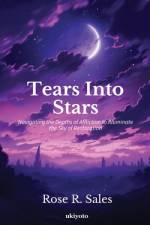
Tears Into Stars is a captivating exploration of the human emotionallandscape, skillfully crafted from the author's deepest experiencesand learnings. Divided into two parts, Tears and Stars, the bookdelves into the raw vulnerability within us all. In Tears, readers areplunged into the depths of anguish and despair, experiencing thedarkest moments of the soul through vivid imagery and emotivelanguage. Fearlessly confronting shadows in the human psyche, theauthor invites empathy and understanding as readers traverse thechallenging terrain of pain. The transformative journey continuesin Stars, guiding readers through healing and self-discovery.A symphony of resilience unfolds, articulating the profoundmetamorphosis from darkness to light. Throughout, the metaphorof tears transforming into stars serves as a powerful motif, symbolizing hope and regeneration. Each literary piece stands asa testament to the indomitable human spirit, inviting readers toconnect with universal struggles and find beauty in the process ofhealing. "Tears Into Stars" transcends traditional poetry, offering aguiding light through the labyrinth of human emotions, inspiringsolace, and celebrating the resilience of the human spirit.
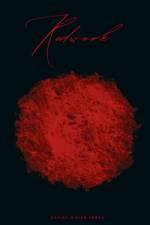
""I am a reflection of my emotions. I am an expression of my thoughts. The Redwork is a collection of poems by Devika Girish Sobha, presenting a reflection of emotions, the expression of thoughts, weaving a complex web of guilt, hurt, pain, despair, anxiety, love and anger of the existential contradiction. This collection discusses personal conflicts and coming to terms with the intricacies and inseparability of emotions and existence, for we all do the redwork.""
Abonner på vårt nyhetsbrev og få rabatter og inspirasjon til din neste leseopplevelse.
Ved å abonnere godtar du vår personvernerklæring.