

Gjør som tusenvis av andre bokelskere
Abonner på vårt nyhetsbrev og få rabatter og inspirasjon til din neste leseopplevelse.
Ved å abonnere godtar du vår personvernerklæring.Du kan når som helst melde deg av våre nyhetsbrev.

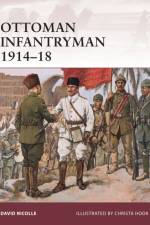
Following the Balkan Wars of 1912-1913, the Ottoman Empire undertook a massive military retraining program. Although many histories have depicted the Ottomans as a poor fighting force, this was more often due to poor leadership and logistics. This book focuses exclusively on the Ottoman infantryman in the First World War.
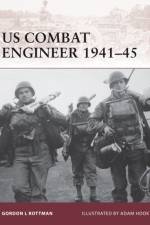
At its peak in World War II, the United States Army contained over 700 engineer battalions, along with numerous independent brigades and regiments. This book covers the role of these soldiers, from their recruitment and training, through their various support missions and combat experiences.
Nicknamed the 'Libyan Desert Taxi Service' by the SAS, the Long Range Desert Group (LRDG) was tasked with strategic reconnaissance and raiding operations deep inside the enemy-held deserts of North Africa. This title examines the soldiers of the LRDG from the group's formation, through training, to combat in deadly deserts of North Africa.
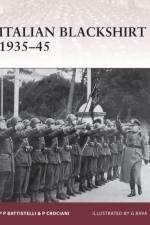
Documents the experiences of the Italian armed Fascist militia, the Camicie Nere (Blackshirts), from the Italian-Ethiopian war of 1935-36, through the Spanish Civil War to the end of WWII. This book explores their origins, development, training, conditions of service, uniforms and equipment, battle experience, political and ideological motivation.
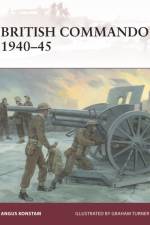
With Hitler's army rampaging across Europe, Winston Churchill ordered the creation of a special fighting force - the Commandos. These valiant men were volunteers drawn from the ranks of the British Army, formed into a Special Service Brigade and put through a rigorous but highly effective training programme. Over the course of World War II they would see action in every major theatre of operation and are credited with numerous feats of gallantry during the D-Day landings. Although many units were disbanded after the war, the Royal Marine Commandos have maintained the standards of this elite fighting formation to the present day.Angus Konstam explores the history of the Commandos during their formative years, providing detailed descriptions of their training, weapons and equipment. Battle reports are accompanied by specially commissioned Osprey artwork and historical photographs, offering readers an in-depth analysis of some of the most famous fighting units in the British Army's history.
Follows the experiences of the Marines during the Great War, from their training in the US and France through the fighting in the trenches and battlefields of the Western Front and right up to their occupation duties in the Rhineland.
Provides a focus on the history of the ancestors, who fought for the South Carolina Militia, to show just how effective the irregular forces were in a complex war of raids, ambushes, and pitched battles. This book explores the tactics, and performance of the opposing Patriot and Rebel forces, shining new light on the vicious struggle in the South.
Built on a belief system emphasising stealth, surprise, swift manoeuvre and force, the Byzantine infantryman was trained in survival, sword, spear and archery techniques and also land and sea combat. This book details the everyday experience of the infantryman from his recruitment, through his training regime to his encounters with his enemies.
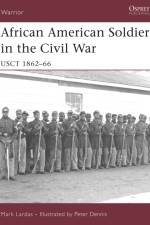
Approximately 200,000 African Americans fought for the Union during the Civil War. Through first-hand accounts, this title examines the journey of the African American from slave to soldier to free man, providing an insight into the impact that these brave men had on the war and how it influenced their lives thereafter.
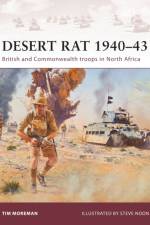
"Desert Rat 1940-43: British Commonwealth Troops in North Africa".
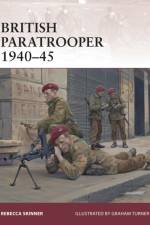
Presents the history of the British Paratrooper, from 1940 to 1945, that details the training, weapons and equipment used by these elite troops. This book brings the history of the ordinary paratrooper to life, drawing on the author's position as a former curator of the Regimental Museum.
Hope, sometimes we feel like we have an abundant bucket of it and the next it can be like a security blanket ripped out from under us.
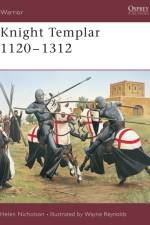
The order of the Temple was a military-religious organisation that was set up to protect pilgrims and settlers in the Holy Land. The Templars believed they were God's warriors fighting on God's behalf and developed a fearsome reputation among the neighbouring Muslim rulers. This book examines the men who joined the order and why they joined it, focusing on those who fought in the Holy Land. Based on contemporary sources it provides an effective insight into the daily lives of the warriors, from their admission ceremony to their training, organisation in the field, and how they fought in battle.
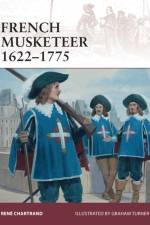
Based on a memoir by an officer named D'Artagnan, Dumas published "The Three Musketeers". The King's Musketeers were formed in 1622 and were populated by young men of noble birth, but often of poorer means. This title explores the history behind the legends created by Dumas.
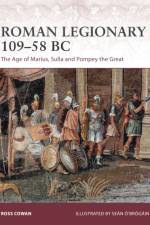
The Roman centurion, holding the legionaries steady before the barbarian horde and then leading them forward to victory, was the heroic exemplar of the Roman world. This was thanks to the Marian reforms, which saw the centurion, although inferior in military rank and social class, superseding the tribune as the legion''s most important officer. This period of reform in the Roman Army is often overlooked, but the invincible armies that Julius Caesar led into Gaul were the refined products of 50 years of military reforms. Using specially commissioned artwork and detailed battle reports, this new study examines the Roman legionary soldier at this crucial time in the history of the Roman Republic from its domination by Marius and Sulla to the beginning of the rise of Julius Caesar.
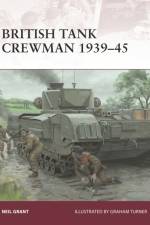
Great Britain had introduced the tank to the world during World War I, and maintained its lead in armoured warfare with the 'Experimental Mechanised Force' during the late 1920s, watched with interest by German advocates of Blitzkrieg. Despite these successes, the Experimental Mechanised Force was disbanded in the 1930s, making Britain relatively unprepared for World War II, both in terms of armoured doctrine and equipment. This fully illustrated new study examines the men who crewed the tanks of Britain's armoured force during World War II, which was only four battalions large in 1939. It looks at the recruitment and training of the vast numbers of men required, their equipment, appearance and combat experience in every theatre of the war as the British armoured division sought to catch up with the German Panzers.
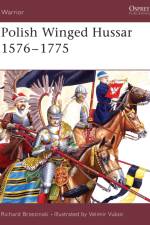
Examines the origins and development of the Polish Winged Hussars. This book provides a view of the training, tactics, appearance and experiences of these legendary and fascinating warriors. The dramatic Hussar characteristics were the wings worn on the back or on the saddle. The Hussars terrified the Turks, Tatars, Swedes and others.
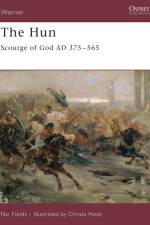
The Huns were the most feared barbarians of the Ancient world, known to their Roman enemies as the 'scourge of god'. This book explores the rise of the Huns and their development in terms of equipment, tactics and society, from their first attacks on the Goths to the death of the Emperor Justinian.
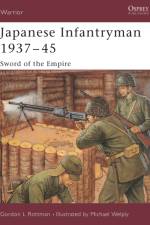
This book examines in detail the Japanese Infantryman who was, despite comparisons with the notorious German Waffen SS of World War II (1939-1945), an enigma to Westerners. Brutal in its treatment of prisoners as well as the inhabitants of the areas that it conquered, the Imperial Japanese Army also had exacting standards for its own men - strict codes of honor compelled Japanese soldiers to fight to the death against the more technologically advanced Allies. Identifying the ways in which the Japanese soldier differed from his Western counterpart, the author explores concepts such as Bushido, Seppuku, Shiki and Hakko Ichi-u in order to understand what motivated Japanese warriors.
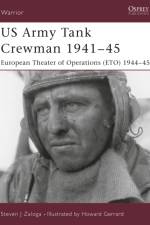
Tank operations require a well-trained and focused crew. This book identifies the roles played in the tank, such as commander, gunner, driver, loader and assistant driver, as well as the variety of specialised clothing and personal weaponry used by the soldiers.
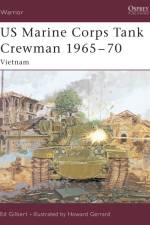
By 1960, following Korea, tanks and their crews had proved themselves to be a fundamental part of the Marine Corps' combined arms team. When the Marines were ordered to Vietnam in 1965, they took their tanks with them. This book explores this decision, which created a political storm. The presence of the tanks became a lightning rod for accusations of an 'escalation' of the war. Nevertheless, the tanks not only proved their value in the anti-guerrilla campaigns, but also amid the bitter conventional fighting and extraordinary casualties at Hue City. The ability to undertake such radical change and to prevail demonstrated the versatility, courage and tenacity that are the hallmarks of the 'ordinary' Marine.
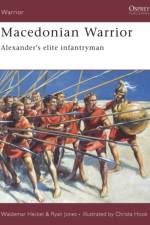
Examines the Macedonian army' initial training, their rise to an elite unit under Alexander the Great, and their eventual defeat at the battle of Pydna, in 168 BC. This book also details the daily life, weaponry, experience, and motivations of these men, using primary sources and anecdotal material.
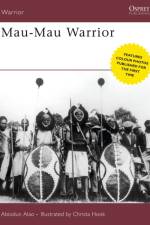
The Mau Mau Freedom Fighters waged a guerrilla war for eight years (1952-1960) against their British colonial rulers, to win back their land and independence. This book explores their unique motivations, training and tactics, as well as their battle experience.
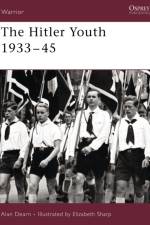
Exploring how the preliminary training that German youth underwent in the Hitler Youth prepared them for service in the armed forces, this book also shows how Hitler Youth members became directly involved in military service under the pressure of total war.
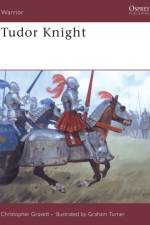
The Tudor Knight was the first line of defence employed by monarchs from Henry VIII to Elizabeth I, the last of a long tradition of knighthood dating back to the 11th century. This book follows the knight from his first jousts to his real experience of battle, and examines the innovations in military technology that influenced his training.
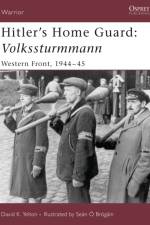
The creation of the Volkssturm on 18 October 1944 was a desperate measure by the Nazi government. This work follows the experience of a Volkssturm soldier from his call-to-arms through to his capture and treatment as a POW, examining his reaction to the creation of the German Home Guard and his response to the fighting into which he was thrust.
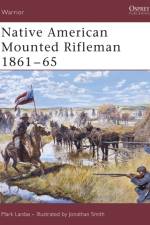
Recounts the incidents of the American Civil War, and the lives of the several thousand Native Americans who fought on both sides. This book explores the lives of the various tribes in the Indian territory of present-day Oklahoma. It explores from their enlistment through to discharge and examines how they trained, lived and fought.
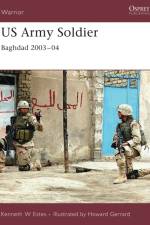
In April 2003, after a month of heavy bombardment, Baghdad fell under coalition forces' control. This book details the stabilization operations and the experiences of US Task Force 1st Armored Division, who lived and fought under extreme conditions and whose activities were center stage in a controversial debate surrounding the occupation.
Abonner på vårt nyhetsbrev og få rabatter og inspirasjon til din neste leseopplevelse.
Ved å abonnere godtar du vår personvernerklæring.