Gjør som tusenvis av andre bokelskere
Abonner på vårt nyhetsbrev og få rabatter og inspirasjon til din neste leseopplevelse.
Ved å abonnere godtar du vår personvernerklæring.Du kan når som helst melde deg av våre nyhetsbrev.

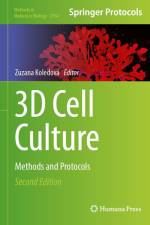
Since the publication of the previous edition, the use of 3D cell and organoid cultures has become more widespread across laboratories. This second edition volume expands on the previous edition with discussions about the latest organoid models developed for many more organs; new hydrogels and devices for 3D culture; and the organoid systems that have been improved by incorporating more components of tissue microenvironments in the in vitro culture. The chapters in this book are organized into five parts and cover topics such as biofabrication, organoids, microfluidic systems, bioprinting, and image analysis. Written in the highly successful Methods in Molecular Biology series format, chapters include introductions to their respective topics, lists of the necessary materials and reagents, step-by-step, readily reproducible laboratory protocols, and tips on troubleshooting and avoiding known pitfalls.Thorough and cutting-edge, 3D Cell Culture: Methods and Protocols, Second Edition is a valuable resource that will stimulate new ideas, foster interdisciplinary collaborations, and contribute to the improvement of human health and well-being.
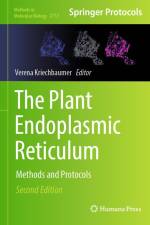
This second edition provides new and updated methods detailing techniques and state-of-the-art approaches on the structure and function of plant endoplasmic reticulum (ER). Chapters guide readers through modern microscopy techniques, software protocols, purification, and analysis of ER membrane structure. Written in the highly successful Methods in Molecular Biology series format, chapters include introductions to their respective topics, lists of the necessary materials and reagents, step-by-step, readily reproducible laboratory protocols, and key tips on troubleshooting and avoiding known pitfalls. Authoritative and cutting-edge, The Plant Endoplasmic Reticulum: Methods and Protocols, Second Edition aims to ensure successful results in the further study of this vital field.
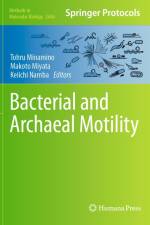
This detailed volume presents cutting-edge research protocols to study the structure and dynamics of bacterial and archaeal motility systems using bacterial genetics, molecular biology, biochemistry, biophysics, structural biology, cell biology, microscopy imaging, and molecular dynamics simulation. Beginning with a section on bacterial flagellar protein export and assembly, the book continues with chapters covering flagella-driven motility of bacteria, archaella-driven motility of archaea, type IV-driven twitching motility of bacteria, as well as adhesion-based gliding motility of bacteria and other unique motility systems. Written for the highly successful Methods in Molecular Biology series, chapters include introductions to their respective topics, lists of the necessary materials and reagents, step-by-step and readily reproducible laboratory protocols, and tips on troubleshooting and avoiding known pitfalls. Authoritative and thorough, Bacterial and Archaeal Motility is the ideal reference for researchers working in this vital area of microbiology.
Abonner på vårt nyhetsbrev og få rabatter og inspirasjon til din neste leseopplevelse.
Ved å abonnere godtar du vår personvernerklæring.