





















Gjør som tusenvis av andre bokelskere
Abonner på vårt nyhetsbrev og få rabatter og inspirasjon til din neste leseopplevelse.
Ved å abonnere godtar du vår personvernerklæring.Du kan når som helst melde deg av våre nyhetsbrev.

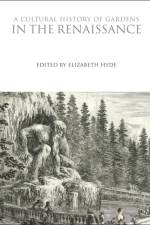
The definitive overview on gardens through history, A Cultural History of Gardens covers 2,500 years of gardens as physical, social and artistic spaces.
The definitive overview on gardens through history, A Cultural History of Gardens covers 2,500 years of gardens as physical, social and artistic spaces.
The definitive overview on gardens through history, A Cultural History of Gardens covers 2,500 years of gardens as physical, social and artistic spaces.
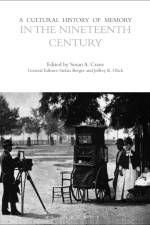
A Cultural History of Memory presents an authoritative survey from ancient times to the present. The set of six volumes covers over 2500 years of history, charting the evolving nature and role of memory throughout history. This volume, A Cultural History of Memory in the Long Twentieth Century explores memory in the 'long nineteenth century'. As with all the volumes in the illustrated Cultural History of Memory set, this volume presents essays on memory and: power and politics; time and space; media and technology; science and education; philosophy, religion and history, high culture and popular culture; rituals, faith, practices and the everyday; and remembering and forgetting. A Cultural History of Memory in the Long Twentieth Century is the most authoritative and comprehensive survey available on memory since 1900.
A Cultural History of Memory presents an authoritative survey from ancient times to the present. The set of six volumes covers over 2500 years of history, charting the evolving nature and role of memory throughout history.This volume, A Cultural History of Memory in the Early Modern Age, explores memory in the period from 1450 to 1700 AD. As with all the volumes in the illustrated Cultural History of Memory set, this volume presents essays on memory and: power and politics; time and space; media and technology; science and education; philosophy, religion and history, high culture and popular culture; rituals, faith, practices and the everyday; and remembering and forgetting.A Cultural History of Memory in the Early Modern Age is the most authoritative and comprehensive survey available on memory in the Renaissance.
A Cultural History of Memory presents an authoritative survey from ancient times to the present. The set of six volumes covers over 2500 years of history, charting the evolving nature and role of memory throughout history. This volume, A Cultural History of Memory in the in the Middle Ages explores memory in the years 500-1450. As with all the volumes in the illustrated Cultural History of Memory set, this volume presents essays on memory and: power and politics; time and space; media and technology; science and education; philosophy, religion and history, high culture and popular culture; rituals, faith, practices and the everyday; and remembering and forgetting. A Cultural History of Memory in the Middle Ages is the most authoritative and comprehensive survey available on memory in the Medieval era.
The period since the First World War has been a century distinguished by the loss of any unitary foundation for truth, ethics, and the legitimate authority of law. With the emergence of radical pluralism, law has become the site of extraordinary creativity and, on occasion, a source of rights for those historically excluded from its protection. A Cultural History of Law in the Modern Age tells stories of human struggles in the face of state authority - including Aboriginal land claims, popular resistance to corporate power, and the inter-generational ramifications of genocidal state violence. The essays address how, and with what effects, different expressive modes (ceremonial dance, live street theater, the acoustics of radio, the affective range of film, to name a few) help to construct, memorialize, and disseminate political and legal meaning. Drawing upon a wealth of visual, textual and sound sources, A Cultural History of Law in the Modern Age presents essays that examine key cultural case studies of the period on the themes of justice, constitution, codes, agreements, arguments, property and possession, wrongs, and the legal profession.
A Cultural History of Sport in the Modern Age covers the period 1920 to today. Over this time, world-wide participation in sport has been shaped by economic developments, communication and transportation innovations, declining racism, diplomacy, political ideologies, feminization, democratization, as well as increasing professionalization and commercialization. Sport has now become both a global cultural force and one of the deepest ways in which individual nations express their myths, beliefs, values, traditions and realities. The 6 volume set of the Cultural History of Sport presents the first comprehensive history from classical antiquity to today, covering all forms and aspects of sport and its ever-changing social, cultural, political, and economic context and impact. The themes covered in each volume are the purpose of sport; sporting time and sporting space; products, training and technology; rules and order; conflict and accommodation; inclusion, exclusion and segregation; minds, bodies and identities; representation. Steven A. Riess is Professor Emeritus at Northeastern Illinois University, USA.Volume 6 in the Cultural History of Sport setGeneral Editors: Wray Vamplew, Mark Dyreson, and John McClelland
A Cultural History of Sport in the Age of Industry covers the period 1800 to 1920. Over this period, sport become increasingly global, some sports were radically altered, sports clubs proliferated, and new team games - such as baseball, basketball and the various forms of football - were created, codified, commercialized, and professionalized. Yet this was also an age of cultural and political tensions, when issues around the role of women, social class, ethnicity and race, imperial relationships, nation-building, and amateur and professional approaches were all shaping sport. At the same time, increasing urbanization, population, real wages and leisure time drove demand for sport ever higher, and the institutionalization and regulation of sport accelerated. The 6 volume set of the Cultural History of Sport presents the first comprehensive history from classical antiquity to today, covering all forms and aspects of sport and its ever-changing social, cultural, political, and economic context and impact. The themes covered in each volume are the purpose of sport; sporting time and sporting space; products, training and technology; rules and order; conflict and accommodation; inclusion, exclusion and segregation; minds, bodies and identities; representation. Mike Huggins is Emeritus Professor at the University of Cumbria, UK.Volume 5 in the Cultural History of Sport setGeneral Editors: Wray Vamplew, Mark Dyreson, and John McClelland
Abonner på vårt nyhetsbrev og få rabatter og inspirasjon til din neste leseopplevelse.
Ved å abonnere godtar du vår personvernerklæring.