















Gjør som tusenvis av andre bokelskere
Abonner på vårt nyhetsbrev og få rabatter og inspirasjon til din neste leseopplevelse.
Ved å abonnere godtar du vår personvernerklæring.Du kan når som helst melde deg av våre nyhetsbrev.

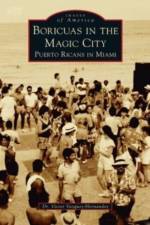
People from Puerto Rico have been traveling to Miami for more than a century. The island became a US territory in 1898, and islanders became US citizens in 1917; throughout the 20th century, Puerto Ricans have established communities across Miami-Dade County. They have come as farm workers, garment workers, bankers and investors, or as US service members. By the 1950s, the Puerto Rican community in Miami was strong and diverse. Boricuas in the Magic City: Puerto Ricans in Miami is a photographic voyage through Miami. Boricua is a term of endearment that Puerto Ricans call themselves that identifies them with the precolonial period when the native Tainos referred to the island as Boriken.
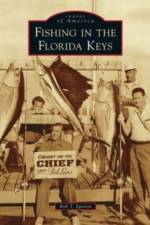
Before Ponce De Leon charted the 1,700 islands in 1513 now known as the Florida Keys, Calusa and Tequesta Indians were fishing with spears and nets for the cornucopia of fish species they survived on. Today, 30 islands make up the habitable areas, cobbled together by 43 bridges and surrounded by waters holding more than 600 varieties of fish. The fishing paradise has brought multiple presidents--Herbert Hoover, George H. Bush, John Kennedy, Harry Truman, and, more than 100 years ago, Teddy Roosevelt--to fish in the Florida Keys. Ernest Hemingway and Ted Williams, who were both avid fishermen, made their homes here. Movies stars like Lee Marvin fished the Keys for tarpon, bonefish, sailfish, marlin, and tuna. Today, millions make their pilgrimages to the Fishing Capital of the World.
"For nearly 150 years, railroads have been transforming the Montana landscape, from Continental Divide peaks to windswept prairies. Steel rails arrived on May 9, 1880, when the narrow-gauge Utah & Northern reached Monida Pass south of Butte. At the zenith of rail line construction during the 1890s and early 20th century, all major transcontinental railroads crisscrossed Montana: the Union Pacific; Northern Pacific; Chicago, Burlington & Quincy (CB&Q); Great Northern; Chicago, Milwaukee & St. Paul (Milwaukee Road); and Soo Line. Through the years, many original railroads evolved into the Burlington Northern Railroad, Burlington Northern Santa Fe (BNSF), and Montana Rail Link with unique short lines along the way. Though routes and operations have changed, the scenery of Big Sky Country remains the same. Take a journey across Montana rails, from the mountains to the prairies."--
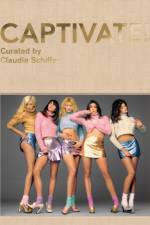
Supermodel and global fashion icon Claudia Schiffer takes readers on a personal journey through the fashion industry of the 1990s
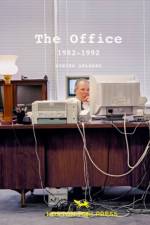
As many of us question the necessity of working from an office, this photographic series - taken in the days before wifi and iPhones - is a poignant reminder of how things once were. Teetering stacks of paper, off-kilter filing cabinets, gum-white computer monitors and the cold glow of the Xerox machine; what were once essential tools now stand as whimsical relics to a former life. Capturing this corporate world with a tender yet satirical eye, American photographer Steven Ahlgren''s nostalgic series will resonate with anyone who has ever loved, hated or simply endured office life.
This, the fourth volume in the British Journal of Photography and Hoxton Mini Press'' collaborative series, brings together 200 portraits from all over our island that show Britain at a time of collective regrouping. It createsh both a thoughtful reappraisal of our recent past, and reveals the individuals both loudly and quietly changing the future. It is published in support of 1854 Media''s annual award, Portrait of Britain, which sees the finest portraits taken in the nation in recent years tour the country via JCDecaux digital billboards.
Once upon a time before crack, Jamel Shabazz was on the scene, working the streets of New York City, capturing the faces and places of an era that have long since disappeared.Once upon a time before crack, inner city communities were blighted by poverty and unemployment-but not by the drug wars that tore families apart, destroying lives with needless violence and mindless addiction. Once upon a time before crack, pride and style were as inseparable as a beatbox and mixtape, or as a pair of shoes and matching purse. Once upon a time before crack, Jamel Shabazz was on the scene, working the streets of New York City, capturing the faces and places of an era that have long since disappeared. Best known as Hip Hop's finest fashion photographer for his blockbuster best-selling monograph, Back in the Days (powerHouse Books, 2001), Shabazz revisited his archive and unearthed an extraordinary collection of never-before-published documentary photographs collected for his third powerHouse Books release, A Time Before Crack, a visual diary of the streets of New York City from the mid-seventies to the mid-eighties, Shabazz's distinctive photographs reveal the families, the poses, and the players who made this age extraordinary.
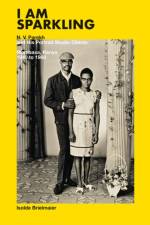
N.V. Parekh was an influential Indian-born portrait photographer whose studio, located in Mombasa in the 20th-century, attracted clients from East Africa and beyond. I Am Sparkling: N. V. Parekh and His Portrait Studio Clients-Mombasa, Kenya 1940 to 1980 is a discrete examination of an historically-significant artist and his distinct clientele; and the temporal, geographical, and cultural milieu in which their collaborations flourished. The manuscript is based on a rarely accessed photographic archive and is complemented by extensive interviews with Parekh's diverse clientele, with a particular focus on women as clients of studio photographers.
Bruce Weber describes this first career-spanning collection of his famed dog photographs as his most personal book. It celebrates the human-animal bond, illuminating how connection to one's pets can fuel creativity, provide companionship, and foster an abundance of joy. Also available in two Art Editions with prints, each limited to...
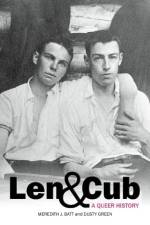
"Leonard 'Len' Keith and Joseph 'Cub' Coates grew up in the rural New Brunswick village of Havelock in the early 20th century. The two were neighbours, and they clearly developed an inseparable relationship. Len was an amateur photographer and automobile enthusiast who went on to own a local garage and poolhall after serving in the First World War. Cub was the son of a farmer, also a veteran of the First World War, a butcher, contractor, and lover of horses. Their time together is catalogued by Len's photos which show that the two shared a mutual love of the outdoors, animals, and adventure. Photographs of Len and Cub on hunting and canoe trips with arms around each other's shoulders or in bed together make clear the affection they held for each other. Their story is one of the oldest photographic records of a same-sex couple in the Maritimes. Len & Cub features Len's photos of their life and tells the story of their relationship against the background of same-sex identity and relationships in rural North America of the early 20th century. Although Len was outed and forced to leave Havelock in the 1930s, the story of Len and Cub is one of love and friendship that challenges contemporary ideas about sex and gender expression in the early 20th century."--
With these black-and-white photographs, Joseph Maida reflects on the history of the body in Western Art, with a particular interest in Lee Friedlander’s nudes from the 1970’s and 80’s. Maida reinterprets that work, originally shown at New York’s Museum of Modern Art (MoMA) in 1991, as a present-day homage to bodies across gender and identity spectra. To picture the nude anew, Maida draws upon visualizations of all bodies, predating the invention of photography, to connect the past to the present for a vision of the future. In the book’s introduction La Bella Figura, Maida provides a personal and cultural account to contextualize this new series with nods to an education in photography at Yale University with prominent figures including Richard Benson, Catherine Opie, and John Szarkowski. Celebrated artist and Emmy-nominated producer, Zackary Drucker, one of Maida’s earliest students, also lends her discerning voice for the book's foreword The (Un)Certainty of Seeing.Con queste fotografie in bianco e nero, Joseph Maida riflette sulla storia della rappresentazione del corpo umano nell'arte occidentale, con particolare interesse per i nudi di Lee Friedlander degli anni '70 e '80. Maida reinterpreta quel lavoro, originariamente esposto al Museum of Modern Art (MoMA) di New York nel 1991, come un omaggio dei giorni nostri al corpo umano, illustrato attraverso tutta la gamma di identità di genere. Per raffigurare il nudo in modo diverso, Maida attinge a rappresentazioni visuali di corpi umani, anche antecedenti all'invenzione della fotografia, per collegare il passato al presente e lanciare uno sguardo al futuro. Nell'introduzione del libro, La Bella Figura, Maida fornisce un resoconto personale e culturale per contestualizzare questa nuova serie di fotografie, con cenni alla sua formazione in campo fotografico, a Yale University, sotto la guida di figure di spicco tra cui Richard Benson, Catherine Opie e John Szarkowski. Zackary Drucker, famosa artista e produttrice nominata agli Emmy e anche uno dei primi studenti di Maida, presta la sua voce, perspicace come sempre, per la stesura della prefazione del libro L’(In)certezza del Vedere.
A consolidation of all the recorded images of the Red Baron, gathered here in an effort to tell his extraordinary story in pictures.
From the first championship, won by Nino Farina with his Alfa and his famous cigar between his lips, to Hamilton's heroic exploits, taking in en route all the legends of Formula 1: Ascari, Fangio, Lauda, Senna, Prost and Schumacher are just some of the protagonists in this book. A spectacular account of the winners, their extraordinary cars and their duels, but also a story of big defeats and great heroes who, while they didn't win the championship, still became legends: Gilles Villeneuve above all.
The photography of German artist Hans Georg Berger has always focused on investigating identity, whether personal or cultural; here it is represented through 145 fine quality black and white photographs, printed using the silver gelatin process on baryta paper, starting with the negatives from the artist's Berlin archive. The title "Discipline and Senses" brings together in a single theme the artist's profound intellectual experiences and the studies he carried out over the course of almost fifty years, from the 1970s to today. Berger's approach is based on the ethical, not just aesthetic, centrality of the subject of the photograph. It is a remarkable and probably unique journey into great contemporary photography.
The witty and perceptive diaries kept by Cecil Beaton's authorised biographer during his many fascinating encounters with extraordinary - often legendary - characters in his search for the real Cecil Beaton.
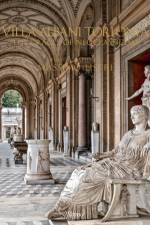
A journey through its emotional itineraries is unveiled for the very first time by the photographic masterpieces of Massimo Listri.
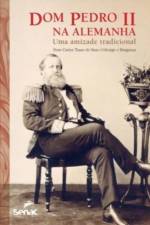
Dom Pedro II sempre desejou dar a seu país uma perspectiva e uma imagem de progresso, de cultura e de liberdade. Desde jovem almejava esse objetivo, para a concretização do qual se colocou em contato com cientistas, industriais, literatos e sábios do mundo civilizado de sua época. Após trinta anos de bom governo, empreendeu à própria custa, para complementar seus conhecimentos, diversas viagens ao exterior. Uma das nações que mais lhe interessou foi a Alemanha; não, certamente, pelo militarismo que ali vigorava àquele tempo, mas pela vasta gama de inovações técnicas desenvolvidas em diferentes áreas, como a agricultura, e pelas conquistas culturais em geral, que poderiam beneficiar nosso país. A grande imigração germânica para o Brasil também foi por ele apoiada em virtude dos bons resultados desde cedo obtidos. Em D. Pedro II na Alemanha, o leitor encontrará d. Pedro de Alcântara a impressionar grandes sábios europeus com sua vasta erudição e simplicidade de modos. Publicado pelo Senac São Paulo, este livro narra fatos em grande parte inéditos sobre a trajetória de d. Pedro II que, além de importantes como objeto de conhecimento, nos proporcionam, também, ensejo para recordar essa antiga e tradicional amizade entre os dois países, revivida em 2013, com a celebração do ano do Brasil na Alemanha.
High Shelf is a monthly collection of poetry, art, photography, and satire from around the world, collected and curated in Portland, Oregon. High Shelf XXXV (October 2021) contains 90+ pages of world-class poetry, art, photography, and satire. High Shelf XXXV showcases 21 Artists/Authors from Fullerton, CaliforniaSan Francisco, California Portland, OregonSandy, UtahSidney, NebraskaMaplewood, MinnesotaChicago, IllinoisTrumbull, Connecticut Astoria, New YorkSaratoga Springs, New YorkWoodridge, New YorkNew York, New YorkNorth Bend, PennsylvaniaFrankfort, Kentucky Columbia, South CarolinaDawsonville, GeorgiaPeachtree City, GeorgiaBlackshear, GeorgiaOttawa, CanadaWellington, EnglandCanberra, Australia
Abonner på vårt nyhetsbrev og få rabatter og inspirasjon til din neste leseopplevelse.
Ved å abonnere godtar du vår personvernerklæring.