

















Gjør som tusenvis av andre bokelskere
Abonner på vårt nyhetsbrev og få rabatter og inspirasjon til din neste leseopplevelse.
Ved å abonnere godtar du vår personvernerklæring.Du kan når som helst melde deg av våre nyhetsbrev.

Masterfully portrayed images highlight the relationship between man and volcanoDocuments 13 volcanoes, from Iceland to IndonesiaWith a foreword by Paulo CoelhoShort video for the title here"Toala Olivares' photos seem so carefree; sometimes almost snapshots. But they are testament to an unfailing insight into the story that needs to be told." --Jeroen Junte, journalist & historian, about The Amsterdam CanalsDocumentary photographer Cris Toala Olivares experienced the enormous forces emanating from the core of a volcano during the 2014 eruption of the volcano Tungurahua in Ecuador. People who had lived on the fertile flanks for generations were forced to leave, something they did only with great reluctance despite the looming danger. Toala Olivares decided to delve deeper into the different relationships that people all over the world have with volcanoes. He visited 13 volcanoes, from Iceland to Indonesia, and has captured them in stunning photographs accompanied by interviews with the people who live there.
Man MadeAerial Views of Human Landscapes? Aerial drone photography at its best from the Aerial Photographer of the Year 2020Sébastien Nagy has travelled the world photographing bridges,towers, houses, roads, monuments and other structures from the sky, revealing the substantial, sometimes delicate footprints people make on our planet.From Mont-Saint-Michel in Normandy to the Golden Gate Bridge in San Francisco, from the colourful tulip fields of the Netherlands to the Dubai Frame in the United Arab Emirates: Nagy uses his drone cameras to capture landscapes in spectacular fashion, at the perfect time of day. MAN MADE showcases his best images. Discover the world from above, and marvel at Nagy's aerial views of human presence in forests, deserts, cities and waterscapes around the globe.
Journalism Research in Practice is a unique collection by leading scholars from the field of Journalism Studies who have revisited their previous work with the intent of asking more questions about how journalism looks, works, and is preparing for the future.
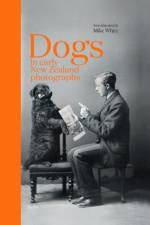
This entertaining selection of over 100 photos of New Zealand dogs reveals some of the more curious ways in which they have appeared in photographic collections from the nineteenth and early twentieth centuries.
A career as a doctor, an engineer, or perhaps a journalist would sit well with most old folks. Talking of being a professional photographer would be unruly and most definitely unexpected. Or will it be? This profession needs a perfect understanding of both the tools and rules of the digital photography. And this book can help you with that.
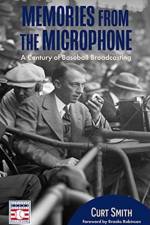
Voices of the GameCurt Smith is the voice of authority on baseball broadcasting. USA Today#1 New Release in Photography, Baseball Statistics, Photo Essays, and Photojournalism In this second in a series ofBaseball Hall of Famebooks, celebrate the larger-than-life role played by radio and TV baseball announcers in enhancing the pleasure of our national pastime.Commemorate the 100thanniversary of baseball broadcasting.The first baseball game ever broadcast on radio was on August 5, 1921 by Harold Wampler Arlin, a part-time baseball announcer on Pittsburghs KDKA, Americas first commercially licensed radio station. The Pirates defeated the Phillies 8-5.An insiders view of baseball.Now you can ownMemories from the Microphoneand experience baseball from author Curt Smith. He has spent much of his life covering baseball radio and TV, and previously authored baseball books including the classicVoices of The Game.Relive baseballs storied past through the eyes of famed baseball announcers.Organized chronologically,Memories from the Microphonecharts the history of baseball broadcasting. Enjoy celebrated stories and personalities that have shaped the gamefrom Mel Allen to Harry Caray, Vin Scully to Joe Morgan, Ernie Harwell to Red Barber.Also discover:Images from the Baseball Hall of Fames matchless archiveA multi-layered narrative exploring cultural, technological, and economic trends that changed fans experience of the gameAnecdotes and quotes from Curt Smiths original researchInterviews with broadcast greatsLittle-known stories, such as Ronald Reagan calling games for WHO Des Moines in the 1930sAccounts of diversity in baseball broadcasting, including the TV coverage of Joe Morgan and earlier Hispanic pioneers Buck Canel and Rafael (Felo) RamirezA special section devoted to the Ford C. Frick Award andinductees since its inception in 1978Also read the first in the series of Baseball Hall of Fame booksPicturing Americas Pastime.
A photographic collection of Kathmandu's iconic hand-painted store & street signsThis coffee table book is a snapshot in time of a Kathmandu many will recognise if they've walked the city's fabled streets in the past. Hand-painted street signs of all shapes, colours, and wording have long decorated the rustic stores they represent. In recent years they have been vanishing. Replaced by generic plastic signage and gaudy lights. This unique part of Kathmandu's heritage has been overlooked. This book, by the author David Ways, captures the street signs before they vanish forever. With over a decade of experience writing guidebooks about Nepal and creating the world's number one website about traveling to Nepal www.thelongestwayhome.com David has created a wonderful photographic collection of a part of Nepal which is so memorable yet never before documented.Kathmandu is a sensory overload that many find challenging to take notice of in detail when avoiding traffic, bicycles, people, and the odd cow. All that charm and character lives on here in this book which can now adorn your coffee table or bookcase. Browse through the photographs. Raise an eyebrow at some of the sign's misspellings, smile at the quirkiness of many, admire all the artwork, chuckle at a few of the terms. These signs come from a different place in the world. A place that seemed to hold onto time for a little while longer than anywhere else.This book honors the artistry, efforts, and characters of all these signs from the past in Kathmandu.
'Replica' suggest a new reading of the body and the model as a pure image, a pure tool, without referring to any representative identity, hereby ignoring today's contemporary society of what the self should be. Lino refers strongly to American mid-century photographer William Mortensen, who states that a body is simply considered to be "a machine that needs adjustments. " According to Mortensen the body must be the basis, "representation of personality and emotion [...] are irrelevant and misleading". There is a certain dehumanization in Mortensen's approach to the model, a return of the body to an object without meaning, in front of the camera. Mortensen saw models as clay that form the image, a body was articulated only by the operator's intention. He wanted to strip the figure from its emotion and personality, so that we, as an audience, could consider the body as a formed prop and stare at the image as the essence, and not the subject. In Lino's case she is the model, the operator / photographer, the subject and the image at the same time. She is in complete control. She found a way to remove herself from representation and reduced her own body to a pure object and image, almost like a machine. 'Replica' is a manifestation of the artist's understanding of her role in front of and behind the camera. 'Replica' is a prescient of an approaching future in which identity will surrender to the carefree machine of image magnification.
Abonner på vårt nyhetsbrev og få rabatter og inspirasjon til din neste leseopplevelse.
Ved å abonnere godtar du vår personvernerklæring.