







Gjør som tusenvis av andre bokelskere
Abonner på vårt nyhetsbrev og få rabatter og inspirasjon til din neste leseopplevelse.
Ved å abonnere godtar du vår personvernerklæring.Du kan når som helst melde deg av våre nyhetsbrev.

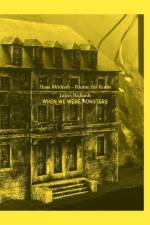
James Richards (geb. 1983 in Cardiff, UK) ist bekannt für provokante und suggestive Bewegtbildarbeiten, in denen er ein breites Spektrum an Quellenmaterial aus Amateurfilmen, privaten und öffentlichen Archiven oder Fernsehausschnitten collagiert und mit vielschichtigen Soundtracks anreichert. Richards' Werk widmet sich den unaufhaltsamen Bilderströmen, die kennzeichnend für das 21. Jahrhundert geworden sind: Seine Arbeiten filtern, sortieren und verdichten angesammeltes Material zu einem Raum, in dem sich persönliche Empfindungen und die Materialität des Digitalen begegnen. Parallel zu seiner filmischen Praxis realisiert Richards Ausstellungsprojekte, die durch Archivrecherchen und einen andauernden Dialog mit anderen Künstler:innen gespeist sind.Die Publikation erscheint begleitend zur gleichnamigen Ausstellung im Haus Mödrath und webt Richards' Sound- und Videoinstallationen sowie skulpturale Arbeiten ineinander und zeichnet die Beziehungen und Einflüsse rund um seine Praxis nach, darunter Kollaborationen, die mit langjährigen Gesprächspartner:innen entstanden sind, ebenso wie Werke von engen Freund:innen und für ihn prägenden Künstler:innen.Mit Werken und Beiträgen von Tolia Astakhishvili, Albrecht, Becker, Christian Friedrich, Bastien Gachet, Isa Genzken, Margarethe Held, Adrian Hermanides, Anne McGuire, Steve Reinke, Rachel Reupke, JX Williams; Texte: Chris McCormack, Joseph Henry, James RichardsRedaktion: James Richards, Johanna MarkertHerausgeber: Haus MödrathDesign: HIT, BerlinCollagen und Illustrationen: James RichardsÜbersetzung: David Frühauf, Gegensatz Translation Collective
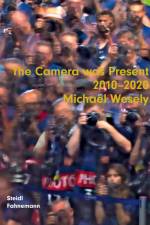
There is more to numbers than sums; they can also conceal histories, too. In this case, world-famous architectural history. For five years the renowned Neue Nationalgalerie (New National Gallery), designed by Ludwig Mies van der Rohe, was closed to the public for renovation. Nevertheless, the photographer Michael Wesely was able to accommodate "four guests" inside the iconic building: four cameras, each one pointing in a different direction, were installed on the ceiling. Every day they took between 360 and 730 pictures with an exposure time of 90 seconds each. Edited into bewitching montages, this fascinating synopsis allows readers to envision the building's metamorphosis as it was undergoing renovations. The long exposure time is an aesthetic coup, for ephemeral, restless, rapid movements contrast with the still, timeless quality of the architecture, presenting a sophisticated interplay of identity and change.This book is published on the occasion of the re-opening of the Neue Nationalgalerie, Berlin, August 2021. It is a slightly altered special edition of the original numbered edition of April 2021.The photographer MICHAEL WESELY (*1963) is a celebrated master of the long exposure. His precise approach to this photographic technique, tailored to each object, brought him world renown. His unique aesthetic can be found in numerous exhibitions and collections around the globe. He lives in Berlin.
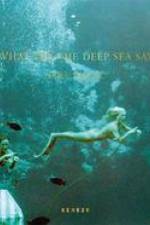
Als Sara Macel einen Koffer mit Fotografien ihrer verstorbenen Großmutter entdeckt, bringt sie einen unbekannten Teil ihrer Familiengeschichte ans Licht, der sich in Hollywood, Florida, abgespielt hat. In dieser Stadt am Meer, wo die Zeit tehengeblieben zu sein scheint, wandelt Macel auf den Spuren ihrer Großmutter und fotografiert gleichzeitig die Landschaft, ihre Mutter und sich selbst. Die mit einer Mittelformatkamera aufgenommenen Farbfotos, die Schwarz-Weiß-Bilder ihrerGroßmutter aus den 1940er-Jahren und die farbigen Schnappschu¿sse ihrer Mutter aus den 1970er-Jahren treten in einen visuellen Dialog. "What Did the Deep Sea Say" ist eine Entdeckungsreise durch das Leben dieser Frauen und zeigt ihre Lebensumstände zu unterschiedlichen Zeiten, mit dem Strand als Bindeglied. Die Arbeiten der New Yorker Fotoku¿nstlerin Sara Macel wurden vielfach ausgestellt und befinden sich in zahlreichen Sammlungen.
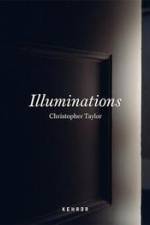
Christopher Taylor stammt aus Skegness, einem Ferienort an der Ostku¿ste Englands. Bei seinen Besuchen bei den Eltern entwickelte er den Wunsch, die Erinnerungen an seine Kindheit im Bild festzuhalten. Mit seiner Rolleiflex und einer Tasche voller abgelaufener Farbfilme, die er von einem befreundeten Journalisten bekommen hatte, machte er sich ans Werk. Fu¿r das Buch ergänzte der Fotograf seine gefu¿hlsbetonten Fotos durch chronologisch geordnete Familienschnappschu¿sse und andere Fundstu¿cke, die ihm bedeutsam erschienen. So wurde aus "Illuminations" ein Buch mit zwei Teilen, zwei Bu¿cher in einem. Taylors Tochter gestaltete das Buch und schloss damit den Kreis der Familiengeschichte.Christopher Taylor (*1958) ist studierter Zoologe und fotografischer Autodidakt und hat seine Arbeiten in Paris, Madrid, London, Beijing, Delhi, Mumbai und Kalkutta ausgestellt.
Peep Show! Heiße Mädchen ziehen sich aus und posieren hemmungslos, unartig und ausgelassen in ihrem liebsten "Hauch von Nichts". Ob durchsichtige BHs, Spitzenkorsagen, verführerische Nylons, neckische Höschen oder knappe Strings - die letzten Hüllen fallen schnell, und am Ende zeigen die Girls auf über 500 hochwertigen Fotografien aber auch alles. ALLES!
Seashells are tiny treasures, each one completely unlike any other. Their variety of shapes, colors, and sizes makes collecting-and even searching for-seashells a favorite pastime of avid and occasional beachcombers alike.As she did for the ocean's other jewels in Sea Glass and Sea Glass Seeker, photographer Cindy Bilbao captures the ridges, striations, and hues of delicate shells everywhere she finds them. Displaying sun- bleached fragments, glittering, cantaloupe- colored nacre, and scallop shells washed by the tides, Bilbao's photographs embody magic and mystery. From weathered quahogs and mussels on the cooler shores of New England to a rich, chestnut-colored Florida Fighting Conch shell nestled in the sands of its namesake state, she describes in intricate detail how these shells are formed and why they look the way they do. Complete with Bilbao's expert tips for finding the most unique shells and enjoying the hunt, Seashells is the perfect gift for any anyone who loves the beach.
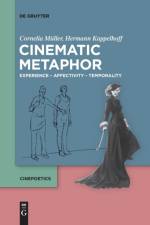
Metaphors in audiovisual media receive increasing attention from film and communication studies as well as from linguistics and multimodal metaphor research. The specific media character of film, and thus of cinematic metaphor, remains, however, largely ignored. Audiovisual images are all too frequently understood as iconic representations and material carriers of information. Cinematic Metaphor proposes an alternative: starting from film images as affective experience of movement-images, it replaces the cognitive idea of viewers as information-processing machines, and heals the break with rhetoric established by conceptual metaphor theory. Subscribing to a phenomenological concept of embodiment, a shared vantage point for metaphorical meaning-making in film-viewing and face-to-face interaction is developed. The book offers a critique of cognitive film and metaphor theories and a theory of cinematic metaphor as performative action of meaning-making, grounded in the dynamics of viewers' embodied experiences with a film. Fine-grained case studies ranging from Hollywood to German feature film and TV news, from tango lesson to electoral campaign commercial, illustrate the framework's application to media and multimodality analysis.
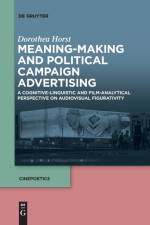
Although recent linguistic and media-studies' research has increasingly dealt with forms of imagery beyond language, such as in audiovisual formats, only little attention has been paid to the specific media character of audiovisual images. This raises a theoretical as well as methodological problem: How can processes of figurative meaning making in audiovisual media be adequately conceptualized and described? The book intends to bridge this research gap with an analysis of campaign commercials, a hitherto largely underexplored object of study in metaphor and metonymy research. To achieve this goal, a transdisciplinary film-analytical and cognitive-linguistic account of audiovisual figurativity is developed and examined through a comparative analysis of figurative meaning-making processes in German and Polish campaign commercials from 2009 and 2011. By setting the inseparable intertwining of language and cinematic staging, sensing and understanding center stage, the book provides insight into the dynamic nature and embodied affective grounds of audiovisual figurativity, and challenges the long-known dichotomies of rational discourse and affective manipulation, political message and media effect.
1978 erscheint der Fotoband Liebes Leben über die Zürcher Künstlermuse und Prostituierte Irene, auch 'Lady Shiva' genannt, von Roswitha Hecke zum ersten Mal. Es wird nicht nur zum Kultbuch, sondern ein Welterfolg. Mehrmals aufgelegt und in etliche Sprachen übersetzt, ist es jetzt endlich wieder erhältlich.In der Edition Patrick Frey erscheint Irene in einer neuen, veränderten Auflage mit noch nie veröffentlichten Bildern.Die 1944 in Hamburg geborene Fotografin Roswitha Hecke lernt Irene am Filmset bei Werner Schroeter kennen. Irene, ein heimlicher Star der damaligen Zürcher Bohème, arbeitete bis zu ihrem tragischen Unfalltod als Prostituierte. Während drei Wochen fotografiert Hecke ihren Alltag in Zürich und begleitet sienach Rom, wo Irene immer ihren Geburtstag feierte. Entstanden ist ein subtiles und starkes Porträt einer eben so schönen wie selbstbewussten Frau mit unnachahmlicher, erotischer Ausstrahlung und stolzer Eleganz. In einer Mischung aus inszenatorischer und dokumentarischer Herangehensweise entstanden Bildervon einzigartiger Unmittelbarkeit und Gegenwärtigkeit.'Irene wollte schön sein, eine Frau sein, frei sein. Sie war direkt und launischwie ein Kind. Sie liebte den Flirt mehr als die Ehe. Spannung mehr als Harmonie.Sehnsucht mehr als Befriedigung. Und Distanz mehr als Berühung. Mit allerKonsequenz lebte sie ihr Leben danach.' (Roswitha Hecke)
"While there's no shortage of incredibly chic photos from Hepburn's time in the spotlight here, original sketches of Holly Golightly's costumes and jewels truly can't be missed." - Natural Diamonds "This entrancing book portrays Hepburn's majesty both on and off screen, giving us a refined and informed look at the actress's life." - The Lady An unrivalled icon of grace and femininity, Audrey Hepburn is perhaps the most beloved star in the history of cinema. She enchanted millions of people with the sweetness of her smile and her inimitable style and was able to renew her image throughout the decades, anticipating fashion trends and establishing a new ideal of beauty. This volume retraces Hepburn's incredible rise, from the early years to her worldwide fame.The book is divided into four sections: 'A Star is Born', which follows Audrey's first steps into the spotlight as a doe-eyed dancer; 'The Golden Age', how Audrey became the muse of Hubert de Givenchy and gave Hollywood a new ideal of elegance; 'A Diva's Style', which touches on Breakfast at Tiffany's, where Holly Golighty went down in the history of cinema with her sunglasses and little black dress, along with many others of Audrey's later film work; and 'Saving the Children'. This final section of the book puts great emphasis on her humanitarian work as UNICEF ambassador, on the side of all the children of the world. Both on screen and in real life, Audrey has remained faithful to the elegance of understatement and kindness, hidden behind her unforgettable smile.
"It is thought provoking when you look at people's eyes and the things they have seen and the places they have been...there's so much to consider when looking at Anna's work." - Today Australia "To photograph an eye is to see into another world, a deeper emotional world. These photographs are like small windows into houses that we pass every day but never look inside. In a time where people are looking at screens and experiencing less eye contact with each other, I am happy to put out this book that takes a deeper look into the eyes of these famous faces." - Anna Gabriel. It is said that the eyes are a window to the soul. They are what we first look at when we meet a stranger, and one of the most expressive parts of the human body. The eye speaks an intricate language, one that cannot be heard, only felt. The size of the pupil can signify focus or arousal. We meet each other's eyes to show attentive interest, yet often feel discomfort when stared at: an evolutionary trait designed to alert us to a predatory gaze.This book is a testament to the power of the human eye. It gathers together Anna Gabriel's collection of photographs, showing the close-up eyes of numerous well-known rock and film stars, including David Byrne, Helena Christensen, Willem Dafoe, The Edge, Noel Gallagher, Annie Lennox, Susan Sarandon, Benjamin Zephaniah, Peter Gabriel and many more.
Sie möchten hochwertige Bilder mit Ihrem Android-Smartphone aufnehmen? In diesem Buch erfahren Sie, wie Sie mit der Kamera, die Sie jeden Tag dabei haben, beeindruckende Fotos schießen. Mark Hemmings bringt Ihnen die Grundprinzipien der Fotografie bei und zeigt Ihnen, wie Sie dieses Wissen auf Außenaufnahmen, Actionfotos, Portraits und in Videos anwenden. Außerdem erfahren Sie alles über die Möglichkeiten der Bildbearbeitung und bekommen praktische Tipps, wie Sie Ihre Aufnahmen organisieren und Fotos online teilen.
A critical reconsideration of the history of photography that explores how commerce and conflict fueled its practice in nineteenth-century China
"In association with the Harry Ransom Center at the University of Texas at Austin."
Abonner på vårt nyhetsbrev og få rabatter og inspirasjon til din neste leseopplevelse.
Ved å abonnere godtar du vår personvernerklæring.