




















Gjør som tusenvis av andre bokelskere
Abonner på vårt nyhetsbrev og få rabatter og inspirasjon til din neste leseopplevelse.
Ved å abonnere godtar du vår personvernerklæring.Du kan når som helst melde deg av våre nyhetsbrev.

This detailed guide will help you enjoy, explore, and photograph Washington, D.C., whether you are an amateur photographer, a gifted professional, or an adventurer recording your experience graphically with a cell phone or a point-and-shoot camera.
This book will help you explore, enjoy, and photograph San Francisco by describing the visual pleasures of this world-famous city. You'll get tips on how to view all the most famous sites, from the Golden Gate Bridge to Muir Woods, as well as what time of day and year will produce the most pleasing images and memories.
Professional photographer Efraín M. Padró steers beginner and expert photographers to the most stunning and worthwhile places to photograph in his beautiful state. Each location is accompanied by thorough directions and maps to get there, what you'll see when you arrive, and insightful, expert advice to ensure that every photo is perfect. Padró lends his local knowledge for the best times to visit and local diversions to make the most of your trip, along with a list of his favorite places to photograph.
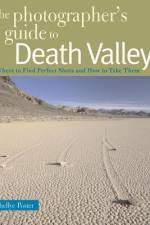
Death Valley is truly a land of extremes. From otherworldly texture and terrain to ghost towns and abandoned mines, this expansive park is home to some of the most unique and inspiring landscapes anywhere on the planet, and visitors from around the world come to experience its striking geology and charismatic cultural sites.This guide offers detailed descriptions, seasonal recommendations, and trip planning suggestions so you'll know where and when to craft stunning photos of the park's attributes. Also included are detailed maps, instruction and suggestions for both digital and film photography enthusiasts.
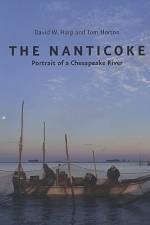
The Nanticoke makes clear the urgency of preserving this vital but fragile ecosystem.
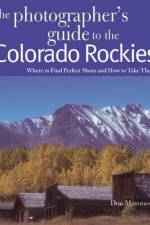
This authoritative yet easy-to-follow book shows both digital and film photography enthusiasts how to take postcard-perfect shots of one of the nation's most visually stunning areas. Whether you're a pro looking for new insights or a novice wanting to ensure your vacation looks as spectacular on film as it did with your own eyes, this book is invaluable.
This guide is designed to allow the average visitor to comfortably manage the vast abundance of subjects within Yellowstone National Park and to answer the crucial questions of what is worth photographing and how to do that in a way that will result in postcard-perfect photos of the park's landscapes and wildlife. An appendix provides a suggested itinerary to plan a visit to each district. No park visitor should be without it.
Though Alfons Mucha, known as Alphonse Mucha, (1860-1939) achieved lasting international acclaim as an Art Nouveau painter, graphic designer and decorator, his photography is not as well known. In this new, expanded edition produced in cooperation with the Mucha Trust, an intimate and accomplished photographer is revealed. A kind of sketchbook and personal visual diary, this record of captured moments from the mid-1880s until the end of the artist's life illuminates both Mucha's career as an artist and the time in which he lived. In addition, the behind-the-scenes glimpses of his studio prove that Mucha--a key creator of the ideal of Art Nouveau beauty--was one of the pioneers of the classic nude in Czech photography. For lay readers and photographic connoisseurs alike, this volume illuminates a unique and powerful artistic vision.
Now, John Annerino, critically acclaimed photographer and author gives you the tools to find and shoot these locations. The parks that are covered around this famous Four Corners region of Arizona, New Mexico, Colorado and Utah include: Mesa Verde, Glen Canyon, Grand Staircase-Escalante, Zion, Capitol Reef, Bryce, Canyonlands, Arches, and Black Canyon of the Gunnison. Annerino will guide you on how to find the precise locations to shoot those postcard-perfect shots and provides tips on timing, lighting, composition, and the story behind the scenery. No visitor to this area should be without it. Full-color throughout.
The California coast is arguably one of the most dramatic meetings of sea and land in the world. From the rugged cliffs of Big Sur to intimate tide pools filled with colorful starfish and anemones, the variety of subjects is endless and sometimes overwhelming.Author Douglas Steakley has traveled the entire length of the California coast, from the northernmost reaches of the state to the Mexican border, to find the best spots to take the best shots. Lively descriptions of each location are accompanied by directions and detailed maps, photographic instruction on technique, the best time of day, best time of year, and, in some cases, best tidal positioning to take a particular shot. Also included are appendices detailing the author's favorite places to photograph. This is a year-round guide for both amateur and professional photographers, as well as tourists looking to capture perfect vacation shots. Full-color throughout, 5 maps.
An incredible treasure trove of more than 150 illustrations detailing a small nation of African Americans prepared to make their mark on America
This newly revised and expanded edition of "Baltimore Harbor" provides a lively, heavily illustrated history of a vital American port that connects the Chesapeake Bay with the rest of the world. Using photographs, historic illustrations, and stories, Robert Keith traces the harbor's fascinating history. An ideal hub for the bay's network of paddlewheel steamers, the working port grew quickly alongside the shipbuilding industry at Fells Point and Federal Hill. This growth continued as the nation's first public carrier railroad, the Baltimore and Ohio, linked the wharves of the Patapsco River with the coal fields of Appalachia and the towns and farms of the Midwest. Today Baltimore harbor is better known for trendy shops than container ships. Tourists strolling the sidewalks of Harborplace are probably unaware of the port's colorful past--and its important role in contemporary maritime commerce. Keith's book connects the harbor's vibrant present with its storied, equally energetic past.
Whether you have a simple point & shoot or a DSLR camera, learning the basics of digital photography can be confusing. With The BetterPhoto Guide to Digital Photography, those mysterious icons, strange jargon, and dizzying array of imaging software and hardware quickly become tools to create great pictures.Illustrated with full-color photos for guidance, this easy, practical, lesson-based workbook gives you a step-by-step tutorial in getting bright, crisp, beautiful pictures from your digital camera every time. "Assignments" at the end of each chapter give you the opportunity to go out and test your new skills in real life.Learn about exposure, file formats and quality settings, low-light photography, digital filters and white balance, composition and lens choice, manipulating images, printing, and much more, all in a handy, bring-along format. Everyone who wants to create great photos needs The BetterPhoto Guide to Digital Photography!
Archival images and biographical sketches of Union soldiers tell the stories of their lives during and after the Civil War.Before leaving to fight in the Civil War, many Union and Confederate soldiers posed for a carte de visite, or visiting card, to give to their families, friends, or sweethearts. Invented in 1854 by a French photographer, the carte de visite was a small photographic print roughly the size of a modern trading card. The format arrived in America on the eve of the Civil War, fueling intense demand for the keepsakes. Many cards of Civil War soldiers survive today, but the experiences?and often the names?of the individuals portrayed have been lost to time. A passionate collector of Civil War-era photography, Ron Coddington researched the history behind these anonymous faces in military records, pension files, and other public and personal documents.In Faces of the Civil War, Coddington presents 77 cartes de visite of Union soldiers from his collection and tells the stories of their lives during and after the war. These soldiers came from all walks of life. All were volunteers. Their personal stories reveal a tremendous diversity in their experience of war: many served with distinction, some were captured, some never saw combat while others saw little else. The lives of survivors were even more disparate. While some made successful transitions back to civilian life, others suffered permanent physical and mental disabilities, which too often wrecked their families and careers. In compelling words and haunting pictures, Faces of the Civil War offers a unique perspective on the most dramatic and wrenching period in American history.
Twenty years after Bob Marley's untimely death he remains a powerful worldwide presence. His music is at the top of the reggae charts, while his memory is indelibly etched in the minds of millions of his followers.In the last two years of his life Marley underwent a dramatic change, becoming a gentler and more philosophical version of himself. He also met photographer Bruce Talamon, to whom he granted unprecedented access, both on the stage and off. The result is this remarkable visual record, which, paired with Roger Steffens's sensitive text tracing Marley's life from his youth in Jamaica to worldwide acceptance, captures (in the words of the late Timothy White's introduction) "the private warmth, social equanimity, zealous determination...and personal magnetism" of Bob Marley.
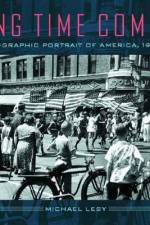
Long Time Coming is derived from the 145,000 photographs made between 1935 and 1943 by a team of now-famous photographers employed by the Farm Security Administration (FSA), whose ranks included Arthur Rothstein, Ben Shahn, Dorothea Lange, and Walker Evans. We are all familiar with the iconic images of poverty that are usually associated with the project. The agency's mission, however, went well beyond photographing dispossessed rural people, and this book is proof. It includes 410 remarkable images made in large cities (including New York, Chicago, Minneapolis, Omaha, and Pittsburgh) as well as dozens of small towns and villages throughout the United States and Puerto Rico. These are images that have rarely been seen-some twenty percent have never been published before-images that present a portrait of a vanished America, a visual record of everyday existence that enhances and enlarges our assumptions about the era. Setting the pictures in context, Michael Lesy's iconoclastic, groundbreaking text intercuts excerpts from primary and secondary sources (some given as "assigned reading" to the project photographers) with an extended look at Roy Stryker, the FSA's controversial director. It presents the FSA photographs in a very different light from the bleak vision to which we are accustomed.
Short of near disaster or the sublime, what are our most memorable outdoor moments made of? The totally surprising, sometimes bizarre oddball moments that catch our psyches off guard and strike our funny bones to the core. Call it the wild side factor. The editors of Outside proudly present outstanding images gleaned from 300 issues of their back-page "Parting Shots" photo feature. It's their way of celebrating the pratfalls and singular coincidences of an outdoor life-the comic circumstances of relatively tame mammals (us) spending more and more time closer and closer to large, wild animals. These images are a rare chance to look into the wide world outside and laugh at both ourselves and that infinitely wondrous, entertaining three-ring circus we call the universe.
Married with heartfelt prose by Pulitzer Prize-winning author Robert Coles and a foreword by Librarian of Congress James H. Billington, When They Were Young reveals that the experience of childhood is connected across time through a broad presentation of eloquent images.Spanning the history of photography from the daguerreotype to documentary, each tritone image in this volume is illustrated on a full page. Works by internationally renowned photographers such as Edward Curtis and Dorothea Lange are included. The companion exhibition, When They Were Young: A Photographic Retrospective of Childhood opened in Fall 2002 in the Library's Jefferson Building. The publication and exhibition will be featured at the Library's annual National Book Festival. 78 full-page tritone photographs.
Every year millions of people flock to New York City, drawn to its unparalleled theaters, museums, restaurants, and sights. While much has been written about these topics, one of the city's greatest attractions has gone largely unheralded: its characters. Among the masses, there are some who stand out from the crowd, a special group of New Yorkers who give the city its flavor and make it a vibrant, exciting, and unique place. New York Characters is a tribute to these people. Celebrated in both photographs and words, Gillian Zoe Segal's subjects include neighborhood fixtures, prominent celebrities, famous personalities, and the truly eccentric. Among the extraordinary New Yorkers you'll meet are Guardian Angel founder Curtis Sliwa; Ken Krisses, the president of the Coney Island Polar Bear Club; the "real" Kramer, on whom the Seinfeld character is based; sports fanatics Dancin' Larry and Fireman Ed; restaurateurs Elaine Kaufman and Sylvia Woods; Dr. Jonathan Zizmor, the "subway" dermatologist; and Jimmy Breslin, the legendary newspaperman. Segal has photographed sixty-six such characters in their own distinctive environments. Accompanying the striking portraits are colorful profiles of each individual. The foreword by George Plimpton, a "New York character" himself, is a tribute to Segal's extraordinary work and her fascinating collection of New Yorkers.
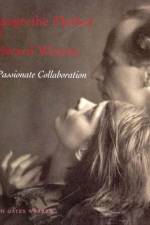
Margrethe Mather has been remembered mostly through the commentary of fellow photographer Edward Weston, who referred to her as "the first important person" in his life. In fact, Mather was probably the greatest influence on the development of Weston's early career. Although Mather's little-known body of work has always held its own in the company of great photographs, her biography and influence have never been thoroughly investigated, in no small part due to her own reluctance to reveal the details of her colorful, sometimes sordid life. This book illuminates the professional and personal relationship of Mather and Weston, adding an unforgettable chapter to the history of twentieth-century photography.Mather and Weston first met in Los Angeles in 1913. They soon developed a close relationship, eventually working together as full-fledged artistic partners and even co-signing the photographs they produced. Weston was also madly in love with Mather, and the two engaged in a brief affair during his first marriage, although Mather was more interested in women. This book, which features work by both artists, chronicles their twelve-year association and sheds light on Mather, whose artistry, sexual identity, and mysterious past were overshadowed by the massive reputation of Edward Weston and his subsequent association with Tina Modotti.
In my seventieth year I have become the lucid dreamer, who has awakened in his sleep of life and knows that he is dreaming. I am a phantom in a phantom landscape. I assume nothing, and find the familiar to be a curiosity. The inherited bedrock of definitions which described reality for me is now porous and insubstantial. Has it been sand all along and I failed to notice? As my consciousness spirals to its predestined disappearance age has forced me to pay attention. Now I begin to see the silhouette of the mystery. I think about thinking and am beyond the comfort of conformity. I must ask questions that I never though to ask before. The most profound questions seem to be transparent in their ordinariness and deceptive in their significance. A child would understand. I know that this modest enquiry must fail. But what else am I to do? Duane Michalls.
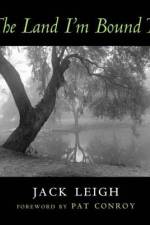
While technology and urban sprawl have transformed much of our country in the last half of the twentieth century, Jack Leigh has been quietly documenting the people and the landscape of the Southeastern coast, a region steeped in history and tradition. The Land I'm Bound To is the photographer's tribute to the richly diverse culture of his native region. His subjects range from solitary oystermen working the fog-shrouded salt marshes of South Carolina to shrimp fishermen at sea to the swamps and marsh flats along Georgia's Ogeechee River, as well as the massive cranes and freighters of Savannah's busy port. Here, Leigh is both inclusive and expansive, offering some of his most memorable images as well as recent work that synthesizes the beauty and emotional grip the South has on many of us.
Abonner på vårt nyhetsbrev og få rabatter og inspirasjon til din neste leseopplevelse.
Ved å abonnere godtar du vår personvernerklæring.