






















Gjør som tusenvis av andre bokelskere
Abonner på vårt nyhetsbrev og få rabatter og inspirasjon til din neste leseopplevelse.
Ved å abonnere godtar du vår personvernerklæring.Du kan når som helst melde deg av våre nyhetsbrev.

Wie verändern medientechnologische Geräte wie Digitalkameras oder MP3-Player die Art und Weise, wie wir die Welt wahrnehmen und empfinden? Zwar ist die Rede von der Affektivität medialer Erfahrung in den Medien-, Kultur- und Sozialwissenschaften allgegenwärtig, doch befassen sich nur wenige Ansätze damit, welchen Einfluss die Technik auf unser Sehen, Hören und Fühlen nimmt.Diese Studie untersucht den Zusammenhang von Medientechnologie und Affekt auf Ebene der poetischen Muster audiovisueller Bilder: Hier lässt sich greifen, wie technische Apparate die inszenatorischen Strategien der Affizierung bestimmen. Filmanalytische Methoden werden dazu mit praxeologischen Ansätzen verknüpft. Die konkreten Anwendungsweisen der technischen Apparate - hier der Amateurkameras durch US-amerikanische Soldaten im Irakkrieg - werden auf ihre Konsequenzen für die Erzeugung raumzeitlicher Darstellungsmodi in Genre- und Dokumentarfilmen untersucht.In der entwickelten Perspektive lassen sich auf neuartige Weise technische und ästhetische Aspekte audiovisueller Bilder aufeinander beziehen. Zugleich eröffnet sich ein neuer Zugriff auf deren Historizität als je historisch spezifische Akte der Bilderzeugung und audiovisuellen Artikulation.
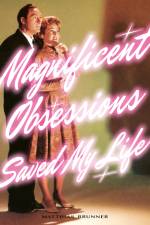
So verschieden die Leben, so verschieden die Biografien. Und doch ist Magnificent Obsessions Saved My Life eine (Auto-)Biografie der besonderen Art: Nicht nur fokussiert das Buch fast schlaglichtartig Schlüsselszenen im Leben eines Menschen der Nachkriegsgeneration, aufgewachsen, wie so viele, in einer dysfunktionalen Familie, vor dem Hintergrund geteilter Erfahrungen der 68er-Generation mit ihrer sexuellen Befreiung sowie zwei hautnah erlebter Pandemien - Aids und Corona. Im Dialog auch mit Werken des grossen Hollywood-Kinos, der Film-Avantgarde und zeitgenössischer Kunst bringen sie sich gegenseitig erst zum Sprechen. Denn ein Film, ein Kunstwerk ist nichts, wenn es einem nichts über das eigene Leben sagt. Kino und Kunst - und eben dieses Buch: Stets erzählt es über das, was war und was möglich gewesen wäre, wer man ist und wer man hätte sein wollen. Magnificent Obsessions tut dies in Text und Bild, angereichert mit Filmstills aus Brunners eindrücklicher Sammlung sowie Reproduktionen geliebter Kunstwerke. Erzählt wird, wie sich die Welt, das Reisen, die Hotels und Ausstellungen seit Mitte des 20. Jahrhunderts verändert haben, welche Kleidung und Haarschnitte man damals trug und heute trägt. Aber wie im Film stehen die Menschen im Zentrum, Protagonist:innen, über die Brunner mal beissend direkt, aber auch zugewandt und bisweilen fast zärtlich schreibt. Im Moment, als er seine Lebensliebe, den Galeristen Thomas Ammann, an Aids verliert, spricht er vom geteilten Glück, um nicht von der Trauer aufgefressen zu werden. Er erinnert sich an seine glamouröse Geliebte Elisabeth Bossard (Thema Selection), mit der er lange Jahre zusammen gewesen ist, erzählt anekdotisch von einem Venedig-Flirt mit Edmund White, dem amerikanischen Schriftsteller, der ihm ein Freund geworden ist, oder berichtet von der Hass-Liebe zu Daniel Schmid, wobei er einen intimen Einblick in das Kino und Umfeld auch der Filmemacher Fassbinder und Schröter gewährt.¿Es gibt immer zwei Bewegungen in diesem Leben: eine Flucht in die Künste wie auch den Willen und die Grosszügigkeit, diese Obsessionen zu teilen, sie unermüdlich zu vermitteln. Brunner brachte schon früh - an der Zensur vorbei -Filme von John Waters oder Andy Warhol, mit denen er auch freundschaftlich verbunden war, in die Schweiz. Vor der Verbreitung des Internet hätte man diese sonst nicht oder erst viel später zu sehen bekommen. Brunner weiss um Licht- und Schattenseiten der Traumfabrik, lässt sich aber immer wieder gerne verführen: Imitation of Life, so der Titel eines des grossen Melodramen des Regisseurs Douglas Sirk, den Brunner verehrt und dessen Nachlass er heute betreut. Kein Zufall, sind die «Bigger than Life»-Filme des Melodramas doch das beliebteste Filmgenre von Brunner, wozu auch Werke von Vincente Minnelli, Nicolas Ray, Pedro Almodóvar oder Rainer Werner Fassbinder gehören, Leuchttürme auf stürmischer See und sicherer Hafen in einem bewegten Leben.
This volume brings together renowned scholars and early career-researchers in mapping the ways in which European cinema -whether arthouse or mainstream, fictional or documentary, working with traditional or new media- engages with phenomena of precarity, poverty, and social exclusion. It compares how the filmic traditions of different countries reflect the socioeconomic conditions associated with precarity, and illuminates similarities in the iconography of precarious lives across cultures. While some of the contributions deal with the representations of marginalized minorities, others focus on work-related precarity or the depictions of downward mobility. Among other topics, the volume looks at how films grapple with gender inequality, intersectional struggle, discriminatory housing policies, and the specific problems of precarious youth. With its comparative approach to filmic representations of European precarity, this volume makes a major contribution to scholarship on precarity and the representation of social class in contemporary visual culture. Watch our talk with the editors Elisa Cuter, Guido Kirsten and Hanna Prenzel here: https://youtu.be/lKpD1NFAx2o
Beim ersten Blick könnte man meinen, dass Olaf Unverzart hier die Bildersammlung eines Weitgereisten präsentiert. Aufgenommen über drei Jahrzehnte und auf fünf Kontinenten, lassen seine Bilder anfänglich an eine ethnografische Dokumentation denken. Betrachtet man die Arbeiten aufmerksamer, zeigt sich jedoch, dass etwas anderes auf dem Spiel steht. Trotz ihres Oberflächenwertes fehlen in Unverzarts Aufnahmen die üblichen Merkmale von Reisebildern,von "Bildern aus aller Welt", sind diese doch gerade nicht an den vermeintlich authentischen geographischen und kulturellen Signaturen der bereisten Gegenden interessiert, den Besonderheiten der Landschaften und Artefakte.Die bewusste Unachtsamkeit gegenüber dem Spektakulären - gegenüber Objekten, Personen und Darbietungen, die vorgeben, Autochthonie zu verbürgen - unterstreicht diesen Eindruck. Die Bilder haben nichts Schaulustiges, zeigen sich unbeeindruckt von all dem, was als Event daherkommt. Es geht ihnen nicht um das, was los ist,was passiert und so ins Auge springt, sondern vielmehr um das, was nicht in dieser Weise geschieht, was nicht gleich Ereignis ist
"He used his camera like a doctor would use a stethoscope in order to diagnose the state of the heart. His own was vulnerable.", Cartier-Bresson wrote about David Seymour, who liked to be called Chim. Chim is best known as one of the cofounders of photojournalism's famous cooperative Magnum Photos. Weaving Chim's life and work, this book discovers this empathetic photographer who has been called "The First Human Rights Photographer". In 1947, Chim was one of the four cofounders of the Magnum Photos cooperative with Robert Capa, Henri Cartier-Bresson and George Rodger. He also wrote Magnum's 1955 bylaws, which are still in effect today. But he is the only one of those famous photographers who does not have a full biography to his name. This book examines his life and work from Poland to France to the Spanish Civil War, his work for British intelligence during World War II, his reportage on Europe's children after the war, his reportages on Italian actors, illiteracy and religious festivals in Southern Italy, his coverage of Israel's beginnings before his 1956 death during the Suez war. His complex itinerary is emblematic of the displacements and passages of the XXth century.
This book is about an introvert boy, Adhiraj Narang, who had low self esteem due to struggles faced by him in his school days, this story revolves how Adhiraj fought his way through these situations and found success. This story is for both introverts and extroverts since every human has combination of both the traits. Read this motivating book to find out how an introvert who thought of being an actor changed his life for good.
Featuring more than 200 intriguing images taken by space probes travelling billions of kilometres from Earth, The Solar System is an exhilarating exploration of the mysteries of our local planetary space.
"Sue Kwon's undeniable hip-hop résumé should be bowed down to! Sue is definitely one of the greats in visually capturing a culture." -Posdnuos of De La SoulA New York Magazine 2021 holiday gift guide pick The last decade of the 20th century into the first decade of the 21st represent a High Renaissance age of hip hop--an era in which rap music had reached critical mass and was exploding, and in which New York City itself witnessed the worldwide ascension and cultural domination of its powerful homegrown art form. In Rap Is Risen: New York Photographs 1988-2008, celebrated photographer Sue Kwon documents this era with a combination of incisive portraits and unposed, spontaneous images that capture the energy of these ascendant artists and the city itself.With access to some of rap music's biggest legends--some stars already, some at the cusp of their fame--Kwon's work offers an intimacy rarely seen in the hip hop photography of the time. The Wu-Tang Clan, Biggie Smalls, Jay-Z, Kanye West, Big Pun, Eminem, Mobb Deep, the Beastie Boys, Big L, Ice Cube, De La Soul and A Tribe Called Quest are all represented here, as well as dozens of other DJs and artists that communed with Kwon to produce these images. Method Man brushing his teeth, Fat Joe playing softball in the Bronx, Prince Paul kissing his baby son--the trust inherent between subject and photographer is evident in intimate, joyful shots like these.Giving a rare glimpse into real rap culture, and featuring 300 photographs, most of which have never been published before, Rap Is Risen is a necessary offering to music history and the faithful followers of hip hop.Sue Kwon began her career at the Village Voice and went on to shoot primarily hip hop artists for record labels such as Def Jam, Sony and Loud Records. Recent commercial collaborations include MCM, Sergio Tacchini and Carhartt WIP national campaigns.
This book is an investigation of the widely overlooked photographic style of pictorialism in the American West between 1900 and 1950 and argues that western pictorialist photographers were regionalists that had their roots in the formidable photographic heritage of the nineteenth-century American West.
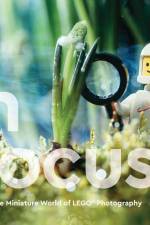
"LEGOª In Focus celebrates the boundless creativity of LEGO play through stunning brick and minifigure photography. Look through the lens of 50 toy photographers as they imagine the world from a LEGO point of view"--
Born Free, Born Equal - Joseph Maida and Ansel AdamsFor this anniversary edition of his collaboration with Ansel Adams’ Manzanar archive, Maida pairs his first Act, the 2018 edition of his book Born Free and Equal: The Story of Loyal _________- Americans, with his second Act, Printed Media x Printed Justice: Exhibition-in-a-Box, an adaptable, modular, DIY show of political posters from 2020, which he gifted as a call to action to institutions with a longstanding commitment to Adams’ work including New York’s Museum of Modern Art (MoMA), which originally exhibited Adams’ Manzanar series in 1944.With Born Free, Born Equal, Joseph Maida continues to illuminate the past’s relationship to the present’s social and political climate in the United States, highlighting the importance of revisiting historic art and archives with the knowledge and resources of today.
Aller captures the infinitely shifting colors and textures of water, sand and skyThis new project by German-born photographer Renate Aller is an extension of the ongoing series and book Oceanscapes (2010). Aller has continued to make images of the ocean from a single vantage point--for which she is internationally known--but for the last several years, she has also photographed sand dunes in New Mexico and Colorado. She has now paired the resulting images in a fascinating new series that continues her investigation into the relationship between romanticism, memory and landscape in the context of our current sociopolitical awareness. There is both a visual and visceral relationship between the two bodies of work. The desert images also capture visitors to the dunes, who engage in beach activities far away from any large body of water. And while these parallel realities are from completely different locations, the simultaneous, multiple activities on the sloping sand hills appears as if layers of different people and activities were choreographed next to rolling waves of the sea. Aller's first combination of these images was in book form, for a mammoth handmade book that was 36 inches wide. The overwhelming success of that publication has inspired this new trade edition, which features the largest binding that can be mechanically bound, and includes an expanded selection of the work. Born in Germany, Renate Aller lives and works in New York. Ocean and Desert is her third monograph published with Radius Books, following Dicotyledon and the long-term project Oceanscapes-One View-Ten Years. Pieces from that series and other site-specific artworks are in the collections of corporate institutions, private collectors and museums, including the Lannan Foundation, Santa Fe; the Corcoran Gallery of Art, Washington, D.C.; Yale University Art Gallery, Conneticut; the George Eastman House, Rochester; New Britain Museum of American Art; Hamburger Kunsthalle; and the Chazen Museum of Art, Madison.
Abonner på vårt nyhetsbrev og få rabatter og inspirasjon til din neste leseopplevelse.
Ved å abonnere godtar du vår personvernerklæring.