











Gjør som tusenvis av andre bokelskere
Abonner på vårt nyhetsbrev og få rabatter og inspirasjon til din neste leseopplevelse.
Ved å abonnere godtar du vår personvernerklæring.Du kan når som helst melde deg av våre nyhetsbrev.

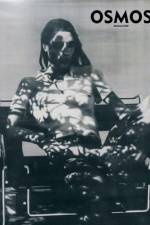
Early 1900s street photography from London, documentation of Covid structures and more in the new OSMOSThe latest issue of OSMOS Magazine features a cover by James Barth; an essay by contributing editor Tom McDonough; John Menick on Camel Collective; Christian Rattemeyer on Santiago de Paoli; a story on Patrick Killoran's documentation of Covid structures; Edward Lindley Sambourne's early 1900s London street photography; and a very special feature with Aboriginal Australian conceptual artist and activist Richard Bell about his work for Documenta 15. Founder and editor of OSMOS Magazine Cay Sophie Rabinowitz describes the publication as "an art magazine about the use and abuse of photography." OSMOS Magazine is the only periodical publication in the market combining curatorial and art-historical perspectives with portfolios, photo narratives and reportage.
A subversive portrait of Beverly Hills in a gorgeous leporello formatThis leporello publication presents Brooklyn-based photographer Stephen Hilger's (born 1975) color photographs of service alleys and the backside of houses separating the public from the private in the affluent suburb of Beverly Hills, California--a more anomalous view of the place by depicting the physical and symbolic spaces behind the homes of the area's wealthy residents. Eva Díaz has written that Hilger's emphasis suggests that "Beverly Hills is actually two cities, a 'front' city of impeccably maintained homes and a 'back' city that covertly services the front illusion. Hilger photographed their graffiti, security signage, crammed garbage cans, unaesthetic car parks and overgrown vegetation; the maintenance staff who work nearby; and the alleys' most indelible feature, narrow, high walls that denote a claustrophobic refusal of inspection."In the Alley features 22 panoramic photographs in a leporello-folded format so the reader can leaf through the photographs or expand the book-object for display. An essay by novelist Matthew Specktor maps out the significance of Hilger's alley views in the context of personal histories and Hollywood stories. In a conversation, Hilger and photographer James Welling discuss their respective practices.
Abonner på vårt nyhetsbrev og få rabatter og inspirasjon til din neste leseopplevelse.
Ved å abonnere godtar du vår personvernerklæring.