












Gjør som tusenvis av andre bokelskere
Abonner på vårt nyhetsbrev og få rabatter og inspirasjon til din neste leseopplevelse.
Ved å abonnere godtar du vår personvernerklæring.Du kan når som helst melde deg av våre nyhetsbrev.

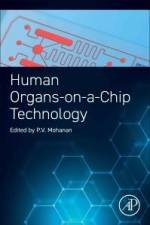
Human Organs-on-a-Chip Technology focuses on technology advancement from "organ-on-a-chip", "multi organs-on-a-chip", and the newest stage of "human organs-on-a-chip." Chapters investigate the design, simulation studies, device development, and application of microfluidic systems. In addition, they offer expert perspectives on the development of an alternative test system in the biological evaluation of drugs, cosmetics, chemicals, medical devices, and many others. Lastly, the book addresses issues related to the development of microfluidic devices and alternative test systems in biological and biomedical research.
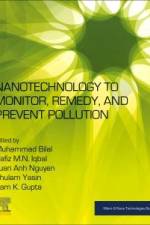
For decades an increasingly rapid urbanization pace, modern industrial development, and constantly intensive agricultural practices have caused controlled or uncontrolled release of hazardous contaminants that seriously threaten our environment. All natural spheres (atmosphere, hydrosphere, biosphere, lithosphere, and anthroposphere) seem to have been exposed to harmful practices and emerging research in nanomaterials is now trying to combat their adverse impact on physical ecosystems and organisms, as well as human health. In this context, pollution remediation at the nanoscale has come to the forefront for its potential to unlock sustainable, highly efficient, and cost-effective technologies, capable to restore in situ or ex situ land, water, and air resources. Nanotechnology to Monitor, Remedy, and Prevent Pollution covers design, fabrication, and extensive applications of engineered nanostructured materials in various shapes and morphologies (such as nanoparticles, wires, tubes, fibres) that, because of their size, surface-to-volume ratio, and high reactivity, function as catalysts and adsorbents of organic pollutants (aliphatic and aromatic hydrocarbons), gases, chemicals (arsenic, manganese, iron, nitrate, heavy metals), antibiotics, and biological entities (bacteria, viruses, parasites). Their integration with biotechnological processes for monitoring and prevention of pollution is also explored alongside the invisible dangers caused by noise. This is a valuable book for academics, researchers, undergraduate and postgraduate students working on environmental engineering for sustainability, environmental sciences, biotechnology, and nanotechnology.?
Volatile Organic Compound Removal: Technologies and Functional Materials for VOC Removal details technologies and materials for the removal of volatile organic compounds (VOCs) from polluted air, covering not only the fundamental mechanisms, processes, and designs of the latest VOC abatement technologies, but also the characteristics and applications of advanced functional materials for VOC removal. The first half of this book centers on VOC abatement technologies including catalytic degradation, thermal oxidation, membrane separation, adsorption, absorption, and condensation, whereas the second half focuses on the applications of functional materials, especially novel nanomaterials, in VOC removal. Volatile Organic Compound Removal: Technologies and Functional Materials for VOC Removal is unique in covering both the fundamental mechanisms and practical applications of VOC abatement technologies, as well as focusing on the preparation, characterization, and application of novel functional materials for VOC removal.
Geology and Landscape Evolution: General Principles Applied to the United States, Third Edition is an accessible text that balances interdisciplinary theory and applications within the physical geography, geology, geomorphology and climatology of the United States. The vast diversity of terrain and landscape across the United States makes this an ideal tool for geoscientists worldwide who research the country's geological and landscape evolution. The book provides an explanation of how landscape forms and how it evolves. This edition is fully updated with 3 additional sections: Geologic and Tectonic Processes and Provinces; Surface Processes and Provinces; and Compressional Mountain Systems. Rather than limiting the coverage specifically to tectonics or to the origin and evolution of rocks with little regard for the actual landscape beyond general desert, river, and glacial features, this book concentrates specifically on the origin of the landscape itself, with specific and exhaustive references and examples from across the United States. The book goes on to apply those concepts to specific examples throughout the United States, making it a valuable resource for understanding theoretical geological concepts through a practical lens.
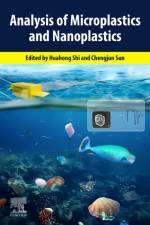
Analysis of Microplastics and Nanoplastics comprehensively overviews the common analytical methods for microplastic and nanoplastic analysis. With a strong focus on sustainability, the book covers the analysis process from sampling, separation/enrichment, observation to identification of polymer composition and a presentation of data. This book presents the unique features of microplastics and nanoplastics as particle contaminants, their heterogenous distribution in the environments and biota, and the complexity and difficulty of their analysis compared with typical solvent contaminants. Analysis of Microplastics and Nonoplastics will provide researchers with a solid background to the environmental issues, analytical challenges, and current state-of-the-different available methods for micro and nanoplastics to start or develop research.
Comprehensive Chemistry and Biology of Coumarins Scaffold covers detailed methods and protocols to synthetize Coumarin derivatives and different applications and future perspectives for these compounds. Coumarin-Based Scaffolds plays an important role in organic, bioorganic, and medicinal chemistry as they act as a bridge between chemistry, life sciences, and biochemical investigations. Coumarin is an important scaffold for designing, generating a wide variety of chemical libraries and drug-like candidates to obtain desired therapeutic and pharmacological properties. Specific functional groups are covered as well as the synthesis of bioactive compounds against specific pathological conditions.The discovery of new coumarin-based drug candidates during the last decades has been covered to assist the pharmaceutical, bioorganic and medicinal chemists for their further research on coumarin-based molecules.
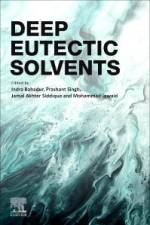
Deep Eutectic Solvents highlights well-established research and technology on applications of DESs in corrosion sciences, protein chemistry, and organic synthesis, as well as separation science. This book provides state-of-the-art research that will revolutionize modern practices. Neoteric solvents have been proposed as a better substitute to these harmful organic solvents, and scientists have come up with various neoteric solvents in the last few years like Deep Eutectic solvents (DESs). DESs are defined as a system formed from a eutectic mixture of Lewis or Brønsted acids and bases with various ionic species- whereas ionic liquids (ILs) consist of a discrete anion and a cation. DESs stand out as a greener and cheaper neoteric solvent as compared to ILs. DESs are denser than water and fairly polar, thus can be utilized as non-aqueous substitute to water in many separation processes. DESs have very high distribution coefficient of solutes, and even dissolves gases and metal oxides selectively. They also readily dissolve organic macromolecules, thereby becoming useful in pharmacological applications.
Pressure Transient Analysis: Pressure Derivative provides focuses on applications of pressure and derivative data for interpretation of pressure transient tests, offering alternatives to costly commercial software. Building from basics, this practical text spans: wells near single and multi-boundary systems, hydraulically fractured wells, naturally fractured reservoirs, interpretation of interference and pulse tests, gas well test analysis (including sources of emissions and decarbonizing strategies, geological sequestration, CCS risks and stress on CCS), multiphase flow, injectivity and falloff tests, rate transient and multi-rate tests, partially penetrated / perforated vertical and slanted wells, and horizontal wells in conventional and unconventional reservoirs.Many techniques and equations presented in this book can be found in the black box of commercial well-test analysis software packages - this practical text unlocks, unpacks, and makes critical, analytical tools accessible to core users.
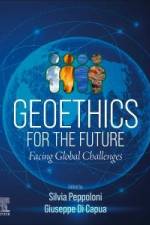
Geoethics for the Future: Facing Global Challenges offers a set of points of view on highly topical issues in geosciences and beyond, including societal relevance of geosciences, georesources, sustainable development, geoeducation, georisks, data, as well as philosophical, legal, political, scientific considerations about anthropogenic global changes and the Anthropocene, enabling readers to acquire multifaceted knowledge on topics of global relevance in the 21st Century. This book explores topics vital to our historical moment and the future of human societies, through the analyzes by scholars with different disciplinary backgrounds, emphasizing the need for new cultural and scientific frameworks to address global issues. It aims to foster multidisciplinary and transdisciplinary approaches for problem-solving, by integrating diverse knowledge and visions to effectively tackle urgent global challenges.Serving as a significant milestone in geoethics, this book provides academics, researchers and students with insights into the ethical and societal dimensions of various challenges arising from human impact on the Earth system.
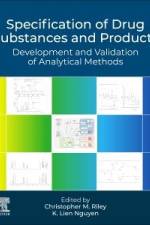
Specification of Drug Substances and Products: Development and Validation of Analytical Methods, Third Edition contains chapters discussing the unique requirements for the universal critical quality attributes, as well as the specific tests required to characterize and control different types of products, ranging in complexity from small molecules in immediate release oral dosage forms to complex products such as drug-antibody conjugates and mRNA-based products. This substantially expanded revision of the second edition will serve as practical comprehensive reference for scientists, managers, educators, and consultants involved in the development and regulation of pharmaceutical products.
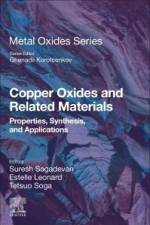
Copper Oxides and Related Materials: Properties, Synthesis, and Applications provides a thorough description of the physical, structural, electrophysical, chemical, electronic, and biological properties of copper oxides in one convenient volume. The book focuses on human and environmental aspects, paying particular attention to health, environmental remediation, electronic applications, energy storage, and solar energy conversion.Copper oxides are widely used in many applications such as antibacterial, antimicrobial, and anticancer treatments; as biocide agents against phytopathogens or hospital-acquired diseases; and, they are also a standard material used for superconductivity. This volume thoroughly explores the most exciting and relevant applications of copper oxides, a class of material with a sometimes bewilderingly wide array of potential uses.
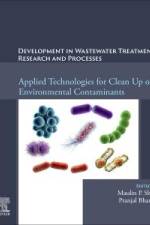
Applied Technologies for Clean Up of Environmental Contaminants covers the features of remediation and biocontrol technology, a multidisciplinary field combining environmental and industrial microbiology with biotechnology to improve environmental management. Studying the advanced microbial processes involved in geomicrobiology, aeromicrobiology, microbial loop and nutrient availability, as well as microbial energetics in the contaminated environment with an emphasis on innovative methodologies, the book provides readers with a better understanding of basic microbiology, allowing them to comprehend the mechanism and behavior of various biochemical processes that are used in bioremediation and biocontrol technologies.Including coverage of key subjects such as management of waste, energy generation, restoration processes, water treatment processes, co-metabolism, and nutrient recycling as well as emerging advances in environmental microbial biotechnology, green nanotechnology, metagenomic and proteomic strategies, DNA microarray, and biosensor-based technologies, this book provides potential implications for environmental management.
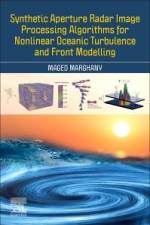
Synthetic Aperture Radar Image Processing Algorithms for Nonlinear Oceanic Turbulence and Front Modelling is both a research and practice-based reference that bridges the gap between the remote sensing field and the dynamic oceanography exploration field. In this perspective, the book explicates how to apply techniques in synthetic aperture radar and quantum interferometry synthetic aperture radar (QInSAR) for oceanic turbulence and front simulation and modeling. It includes detailed algorithms to enable readers to better understand and implement practices covered in their own work and apply QInSAR to their own research. This multidisciplinary reference is useful for researchers and academics in dynamic oceanography and modeling, remote sensing and aquatic science, as well as geographers, geophysicists, and environmental engineers.
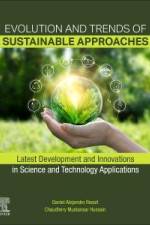
Evolution and Trends of Sustainable Approaches: Latest Development and Innovations in Science and Technology Applications provides different trends and approaches within the sustainability framework to assess their impact and offer possible solutions to problems facing the global sustainability paradigm. This book evaluates sustainability assessment approaches which support different levels of both decision-making and policy processes, thereby improving the management of natural and human systems. This book explores sustainable firm solutions, the upward trend of sustainability, and its variants. At the same time, different existing approaches are analyzed. These sustainable assessment approaches can be applied to products, services and technologies as well as business models, such as the Product-Service-System (PSS), Circular Economy (CE), Industrial Symbiosis (IS), and Supply Chain (SC). Finally, the book explores Sustainability Indicators (SIs), which are widely used to measure and communicate progress towards sustainable development, along with Life Cycle Sustainability Assessment (LCSA), balancing the three dimensions of sustainability (environmental, social and economic).
A Review of Diverse Neurological Disorders: Pathophysiology, Molecular Mechanisms, and Therapeutics offers an unparalleled compilation of the current understanding of neurodegenerative disorders. This book investigates the origins of mental disorders, encompassing bacterial and fungal invasions, viral assaults, and genetic predispositions, providing readers with a thorough grasp of the neurological landscape. Each chapter dissects the intricacies of these incapacitating conditions, ranging from the pathogenesis of central nervous system tuberculosis to the involvement of endocannabinoids in rabies infection. Topics such as neuroinflammation, axonal pathology, and the intricate relationship between diet, gut microbiomes, and cognitive decline are also explored. This book conducts an extensive examination of neurodegeneration, incorporating discussions on the role of probiotics and natural bioactive compounds in preventing ailments such as Parkinson’s, Alzheimer’s, and amyotrophic lateral sclerosis (ALS). With meticulous analyses of vitamins, micronutrients, antioxidants, and nutraceuticals, this work offers a roadmap for promoting neuroprotection. A Review of Diverse Neurological Disorders serves as a resource that not only reviews the current understanding but also lays the groundwork for future treatments and innovations.
A 100-day devotional written to encourage and guide athletes of any age, level, or sport, Lead with Faith, Play with Purpose--by fitness trainer, Seattle Seahawks in-game host, social media influencer, dad, and pastor Andy Dooley--is just what you need to integrate your faith into what you love to do: play your sport.
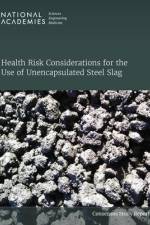
The predominant way of making steel in the United States is by using an electric arc furnace (EAF) to melt scrap steel, which results in the formation of a rock-like material called slag. Among its various applications, EAF slag is used in a loose or unencapsulated form as ground cover material for residential landscaping. However, the slag generated from the EAF process can contain toxic metals, which can be hazardous to human and environmental health. This report, conducted at the request of the U.S. EPA, discusses the relative hazard of key EAF slag constituents, the extent to which they may be released into the environment, and important aspects in assessing human exposures and risk. Due to uncertainties in the current evidence stream, the report was unable to make an overall characterization of risk related to unencapsulated EAF slag use in the United States and cautions against making generalizations from conclusions in published risk assessments. The report also identifies research needs to better understand factors considered to have the potential to contribute to the highest risks from the use of unencapsulated EAF slag, such as human exposure to dust particles that may be released over time from applied slag.--Publisher's website.
Breakaway Wisdom is a compilation of interviews with the head coaches of Hockey East, one of six men's Division 1 college hockey conferences in the United States. Each coach was assigned a specific topic of a success concept, and each coach was asked to impart his wisdom on each topic from a hockey coaching perspective, and then from a personal perspective. The author concludes each chapter with his own personal interpretation of what the concept means to him from personal experience. The final chapter is an overall synthesized recap of the work.
Drew Charlesworth--an accomplished mathematical genius working on a medical experiment with his partner Dr. Kingsly, creating a computerized prosthesis to be one day fused with its human subject--was also gifted with an unusual ability to hit a baseball. This skill, once he reached the major league, thrust him into the limelight, exposing his other work, which angered political and religious Conservatives.This is a story how Drew had to navigate the worlds of not only baseball and medicine but politics and big business, eventually having to make tough decisions.
What I will attempt to explain about private well water systems is not from a regulatory, global belief, or a theoretical perspective. It is from credible facts, personal observations, and discoveries that I was fortunate to be a part of. What follows, I feel, is a logical, systematic interpretation of a private well system from the raw groundwater source to the end user having a glass of water. Within these pages, my primary focus will be on the concepts with as much detail as necessary to explain them because I believe that stepping back and looking at the big picture results in more understanding than being inundated with too much fine detail.
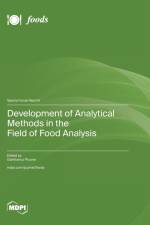
The development of analytical methods in food analysis has undergone significant advancements over the years, driven by the increasing complexity of food matrices, the need for accurate and rapid analysis, and the growing awareness of food safety and quality. In terms of the techniques that are used to name a few common examples, the range of instruments includes: 1) Classical Methods: gravimetry, titrimetry, and colorimetry were widely used for food analysis; 2) Chromatography Techniques: gas chromatography and liquid chromatography have become fundamental techniques in food analysis; 3) Spectroscopy Techniques: UV-Visible, Infrared, and Nuclear Magnetic Resonance, provide information about the chemical composition, structure, and functional groups present in food components; 4) Mass Spectrometry: coupled with chromatography, has become indispensable in food analysis; 5) Molecular Techniques: Polymerase Chain Reaction and other molecular techniques are employed for the detection of genetic material in food, addressing issues related to food authenticity, traceability, and the presence of genetically modified organisms; 7) Data Analysis and Automation: advances in data analysis, including chemometrics and machine learning, enhance the interpretation of complex data generated by modern analytical techniques.An overview of the key stages and trends in the development of analytical methods for food analysis is presented in this reprint.
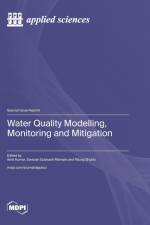
This reprint aims to identify critical areas of water quality assessment, modeling, and mitigation in freshwater bodies, wastewater treatment, and groundwater aquifers, which require special attention. This links the volume to multiple regulatory options, including policy and governance measures, alternative ecosystem service dependence options (i.e., nature-based solutions), or mechanisms that link regions to international processes, like measures proposed under the Environmental Protection guidelines. The reprint will pay special attention to water quality assessment, modeling, and mitigation.
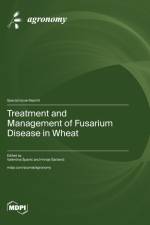
Fusarium head blight (FHB), caused by several Fusarium species-mainly Fusarium graminearum, F. culmorum, and F. avenaceum-is a devastating disease of wheat which reduces both grain yield and quality. FHB affects the grain protein content by destroying starch granules, storage proteins, and cell walls and consequently decreases the quality of dough properties. It is also associated with mycotoxin contamination and is a significant threat to animal and human health. Furthermore, Fusarium spp. affect plant development and trigger different morphological, physiological, biochemical, and molecular changes. Current climate change scenarios predict an increase in the number of epidemics caused by this disease, and many different strategies for disease control are currently being researched. This Special Issue aims to detail the latest achievements regarding Fusarium disease in wheat, including the genetics or physiology of resistance, resistance mechanisms, host-pathogen interactions, and agronomic approaches in the field (fungicidal management, the integration of host resistance and fungicides, and the timing of fungicide application). Original research, reviews, and opinions on recent advances in strategies for the control of Fusarium disease in wheat were also welcome.
The emerging popularity of sustainable, plant-based diets presents new challenges in the delivery of healthy plant-based and functional food to consumers. Recent advances in crop biotechnology and food processing have provided innovative opportunities to enhance the nutritional quality of foods without compromising agronomic attributes such as crop yield. For instance, cereals and legumes with greater resistance to starch amylolysis have been developed and are desirable in mediating blood glucose and improving gut health. Moreover, new functional attributes could minimize the cooking burden commonly associated with whole-grain cereal and legume preparation and improve organoleptic qualities of plant-based foods. Integrated approaches that consider both the development of new raw materials through plant breeding and subsequent processing methodology are essential to develop functional foods and optimize nutrient bioaccessibility and bioavailability. This Special Issue features original research papers that will advance our knowledge and strategies for designing new cereal- and legume-based foods for improving nutrition and health. Special interests include nutritional trait development in crops using recent advances in plant biotechnology and breeding, innovative processing strategies for modulating nutrient bioaccessibility and bioavailability, physicochemical characterization and nutritional evaluation of novel raw ingredients and foods, functional food development, and dietary intervention studies aimed at cereal- or legume-based foods for health.
Learn the closely guarded secrets of the billiard elite with these this concise, fully illustrated handbook reveals the one, two, and three rail kick shots needed to compete with the best pool players. Like the martial arts, these shots have been passed down from master to student with the understanding that this knowledge was not to be shared with just anyone. Win at pocket Billiards teaches you how to pocket and kick balls you might otherwise give up on. Every shot works in real game conditions and will get you out of seemingly impossible situations. Desmond Allen PhD, became a certified instructor with the Billiard Congress of America in 1997. Here he puts his teaching skills to work to provide stellar instructions in pocket billiards.
A charming, wise, and laugh-out-loud funny novel following an American woman competing on a Swedish reality show in an attempt to discover her roots.
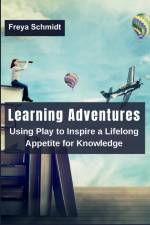
"Learning Adventures: Using Play to Inspire a Lifelong Appetite for Knowledge" by Freya Schmidt will change the way you learn. Schmidt breaks new ground in this groundbreaking study that shows how play can be used to spark and support a lifelong love of learning.Explore the world of practical learning, where play is the key to getting a deep understanding of many topics. Schmidt skillfully combines the newest research with real-life success stories and useful tips to make a guide for parents and teachers who want to change the way kids learn.Find out about the many social and educational benefits of including play in the school day. "Learning Adventures" shows how a playful approach to learning can help kids grow in all areas, from their imagination and critical thinking to their social and emotional skills.More than just talking about the ideas behind play-based learning, this book gives parents and teachers real-life examples of how to use these ideas. Find out how to create learning spaces that make people curious, and look into how technology can be used to make learning spaces that are active and fun."Learning Adventures" is a must-read for anyone who wants to change the way we learn by combining the fun of play with the desire to learn. Schmidt's work is a great example of how modern education is changing things so that play can spark a lasting interest in learning. Take part in the adventure right now and change the way people learn for generations to come.
"Tumbling Released: Stories from the Mat" is a dazzling treasury that winds around together the complex stories of gymnasts, mentors, and lovers, offering perusers a brief look into the unique universe of vaulting. This scholarly embroidery unfurls on the mats, where individual accounts of win, constancy, and the quest for greatness merge to make a convincing story that rises above the limits of the game.At the center of "Tumbling Released" is a festival of the human soul as reflected in the stories of youthful gymnasts bringing their underlying jumps into the universe of flips, curves, and somersaults. The treasury acquaints perusers with the crude feelings, the thrilling highs, and the inescapable difficulties looked by these growing gymnasts as they set out on their aerobatic ventures. The mats, representative of both establishment and goal, take the stand concerning the early battles and wins that shape the personality of these youthful competitors.The compilation unfurls in a sequential investigation, following the development of gymnasts from their most memorable encounters to the difficulties and wins in their initial days. The tumbling floor turns into a narrating stage, where the mats ingest the impressions of youthful competitors exploring the intricacies of the game. Perusers are drenched in the private subtleties of the gymnastic expectation to learn and adapt, encountering the delight of starting accomplishments and the versatility expected to beat early difficulties.As the story advances, the compilation dives into the meaning of learning the rudiments in tumbling - a basic stage where the mats act as stages for expertise procurement and specialized refinement. The gymnasts' communications with the mats become a similitude for the unpredictable course of dominating the basics, changing the surface into a material where the language of tumbling is learned and spoken.Flips and Flounders arise as a focal topic in the collection, investigating the highs of fruitful moves and the lows of unavoidable slips up. The mats, set apart by the engravings of both effective arrivals and courageous endeavors, become quiet observers to the gymnasts' excursion of trial and error and development. Perusers are welcome to feel for the profound rollercoaster of wins and disappointments, as the vaulting floor changes into a figurative stage for flexibility and assurance.
Abonner på vårt nyhetsbrev og få rabatter og inspirasjon til din neste leseopplevelse.
Ved å abonnere godtar du vår personvernerklæring.