















Gjør som tusenvis av andre bokelskere
Abonner på vårt nyhetsbrev og få rabatter og inspirasjon til din neste leseopplevelse.
Ved å abonnere godtar du vår personvernerklæring.Du kan når som helst melde deg av våre nyhetsbrev.

This work has been selected by scholars as being culturally important, and is part of the knowledge base of civilization as we know it. This work was reproduced from the original artifact, and remains as true to the original work as possible. Therefore, you will see the original copyright references, library stamps (as most of these works have been housed in our most important libraries around the world), and other notations in the work.This work is in the public domain in the United States of America, and possibly other nations. Within the United States, you may freely copy and distribute this work, as no entity (individual or corporate) has a copyright on the body of the work.As a reproduction of a historical artifact, this work may contain missing or blurred pages, poor pictures, errant marks, etc. Scholars believe, and we concur, that this work is important enough to be preserved, reproduced, and made generally available to the public. We appreciate your support of the preservation process, and thank you for being an important part of keeping this knowledge alive and relevant.
Une annee a Florence / par Alexandre DumasDate de l'edition originale: 1851Sujet de l'ouvrage: Florence (Italie) -- Descriptions et voyages -- 19e siecleCe livre est la reproduction fidele d'une oeuvre publiee avant 1920 et fait partie d'une collection de livres reimprimes a la demande editee par Hachette Livre, dans le cadre d'un partenariat avec la Bibliotheque nationale de France, offrant l'opportunite d'acceder a des ouvrages anciens et souvent rares issus des fonds patrimoniaux de la BnF.Les oeuvres faisant partie de cette collection ont ete numerisees par la BnF et sont presentes sur Gallica, sa bibliotheque numerique.En entreprenant de redonner vie a ces ouvrages au travers d'une collection de livres reimprimes a la demande, nous leur donnons la possibilite de rencontrer un public elargi et participons a la transmission de connaissances et de savoirs parfois difficilement accessibles.Nous avons cherche a concilier la reproduction fidele d'un livre ancien a partir de sa version numerisee avec le souci d'un confort de lecture optimal. Nous esperons que les ouvrages de cette nouvelle collection vous apporteront entiere satisfaction.Pour plus d'informations, rendez-vous sur www.hachettebnf.frhttp: //gallica.bnf.fr/ark: /12148/bpt6k206818w
"This book holds up the honey bee colony as a lens through which we can view the evolutionary processes that give rise to complex organisms"--
"This third edition is the essential, gold use standard reference of how animals use and manufacture tools, with a decade of new findings"--
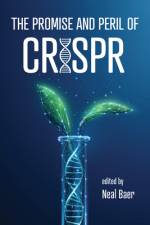
A timely collection of essays on the pressing possibilities and risks of gene-editing technology.Scientists and genetic engineers are becoming increasingly adept at editing the human genome. How far can--and should--they go in editing future generations? In The Promise and Peril of CRISPR, editor Neal Baer brings together a timely collection of essays by influential bioethicists, philosophers, and geneticists to explore the moral, ethical, and policy challenges posed by CRISPR technology.We are at a technological and ethical crossroads in grappling with the impacts of genetic editing. Gene-editing technology holds the promise of curing more than 7,000 known genetic diseases. Yet with that promise comes the peril of using CRISPR to edit the human genome, which could not only lead to manipulating human evolution, but also to creating and releasing pathogens capable of wreaking havoc on human, animal, and plant life. Although CRISPR has already cured several genetic diseases, it could also be used to design biological weapons or to edit the embryos of people who can afford to purchase genetic "enhancements" for their children. What role can and should the public play in discussing the far-reaching implications of gene editing? What oversights should be put in place to prevent a rogue scientist from engineering another baby - as was recently done with twins in China?Essay contributors offer informed predictions and guidelines for how the uses of CRISPR today will affect life in the future. Decisions we make now may have unpredictable consequences for future generations. For anyone concerned about the uses and potential abuses of gene editing, these essays provide a critical and comprehensive discussion of the central issues surrounding CRISPR technology. Contributors: Florence Ashley, R. Alta Charo, Marcy Darnovsky, Kevin Doxzen, Rosemarie Garland-Thomson, Gigi Kwik Gronvall, Jodi Halpern, Katie Hasson, Andrew C. Heinrich, Jacqueline Humphries, J. Benjamin Hurlbut, Ellen D. Jorgensen, Peter F. R. Mills, Carol Padden, Marcus Schultz-Bergin, Robert Sparrow, Sandra Sufian, Krystal Tsosie, Ethan Weiss, Rachel M. West
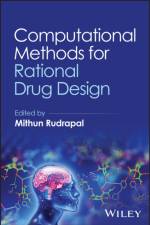
Comprehensive resource covering computational tools and techniques for the development of cost-effective drugs to combat diseases, with specific disease examples Computational Methods for Rational Drug Design covers the tools and techniques of drug design with applications to the discovery of small molecule-based therapeutics, detailing methodologies and practical applications and addressing the challenges of techniques like AI/ML and drug design for unknown receptor structures. Divided into 23 chapters, the contributors address various cutting-edge areas of therapeutic importance such as neurodegenerative disorders, cancer, multi-drug resistant bacterial infections, inflammatory diseases, and viral infections. Edited by a highly qualified academic with significant research contributions to the field, Computational Methods for Rational Drug Design explores topics including: Computer-assisted methods and tools for structure- and ligand-based drug design, virtual screening and lead discovery, and ADMET and physicochemical assessmentsIn silico and pharmacophore modeling, fragment-based design, de novo drug design and scaffold hopping, network-based methods and drug discoveryRational design of natural products, peptides, enzyme inhibitors, drugs for neurodegenerative disorders, anti-inflammatory therapeutics, antibacterials for multi-drug resistant infections, and antiviral and anticancer therapeuticsProtac and protide strategies in drug design, intrinsically disordered proteins (IDPs) in drug discovery and lung cancer treatment through ALK receptor-targeted drug metabolism and pharmacokinetics Helping readers seamlessly navigate the challenges of drug design, Computational Methods for Rational Drug Design is an essential reference for pharmaceutical and medicinal chemists, biochemists, pharmacologists, and phytochemists, along with molecular modeling and computational drug discovery professionals.
This detailed volume provides methods that can be used to study dendritic cell (DC) ontogeny, isolation, migration, and functions. After an introduction to murine and human DC subsets and their unique transcriptional, phenotypic, and functional properties, the book continues with sections covering in vivo studies, in vitro differentiation, enrichment, functional characterization, as well as Omics approaches to study dendritic cells. Written for the highly successful Methods in Molecular Biology series, chapters include introductions to their respective topics, lists of the necessary materials and reagents, step-by-step, readily reproducible laboratory protocols, and tips on troubleshooting and avoiding known pitfalls. Authoritative and practical, Dendritic Cells: Methods and Protocols is an ideal guide to familiarize readers with the current state of the art techniques to investigate these vital cells.
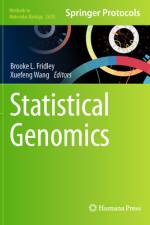
This volume provides a collection of protocols from researchers in the statistical genomics field. Chapters focus on integrating genomics with other ¿omics¿ data, such as transcriptomics, epigenomics, proteomics, metabolomics, and metagenomics. Written in the highly successful Methods in Molecular Biology series format, chapters include introductions to their respective topics, lists of the necessary materials and reagents, step-by-step, readily reproducible laboratory protocols, and tips on troubleshooting and avoiding known pitfalls.Cutting-edge and thorough, Statistical Genomics hopes that by covering these diverse and timely topics researchers are provided insights into future directions and priorities of pan-omics and the precision medicine era.
This fully updated volume explores notable developments in the field of mammalian cell-based recombinant protein production. Beginning with methods for transient recombinant protein production, the book continues with methods for stable cell pool generation, protein production using stable clonal cell lines, as well as high-throughput screening technologies for characterizing transient cell surface protein ectodomain expression and for identifying host genes involved in protein production. Written for the highly successful Methods in Molecular Biology series, chapters include introductions to their respective topics, lists of the necessary materials and reagents, step-by-step and readily reproducible laboratory protocols, and tips on troubleshooting and avoiding known pitfalls. Authoritative and practical, Recombinant Protein Expression in Mammalian Cells: Methods and Protocols, Second Edition serves as an ideal guide for researchers investigatingprotein structure and function and accelerating the discovery of new therapeutic proteins.
"This graduate textbook covers the basic formalism of supergravity, as well as a wide range of its modern applications, suitable for a focused first course. Assuming a working knowledge of quantum field theory, it gives Ph.D. students the tools they need to do research that uses supergravity"--
Cancer Biomarkers and Oncoviruses explores the molecular mechanisms of viral oncogenesis, signaling pathways, and therapeutic options, including vaccines. Additionally, it covers the future of cancer therapy related to oncoviruses, making it an invaluable resource for health professionals, scientists, researchers, and students who aim to expand their knowledge in this vital field. Cancer biomarkers play a crucial role in modern oncology, offering valuable insights into the presence and progression of cancer. These biomarkers, including those associated with oncoviruses, assist in various clinical applications such as cancer risk assessment, early detection, accurate diagnosis, prognosis, and monitoring response to therapy.Understanding the molecular biology and pathogenesis of oncoviruses is essential for developing effective cancer treatments and preventive measures.
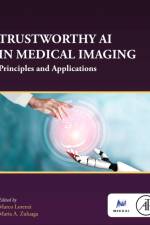
Trustworthy AI in Medical Imaging brings together scientific researchers, medical experts, and industry partners working in the field of trustworthiness, bridging the gap between AI research and concrete medical applications and making it a learning resource for undergraduates, masters students, and researchers in AI for medical imaging applications.The book will help readers acquire the basic notions of AI trustworthiness and understand its concrete application in medical imaging, identify pain points and solutions to enhance trustworthiness in medical imaging applications, understand current limitations and perspectives of trustworthy AI in medical imaging, and identify novel research directions.Although the problem of trustworthiness in AI is actively researched in different disciplines, the adoption and implementation of trustworthy AI principles in real-world scenarios is still at its infancy. This is particularly true in medical imaging where guidelines and standards for trustworthiness are critical for the successful deployment in clinical practice. After setting out the technical and clinical challenges of AI trustworthiness, the book gives a concise overview of the basic concepts before presenting state-of-the-art methods for solving these challenges.
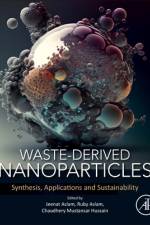
Waste-derived Nanoparticles: Synthesis, Applications, and Sustainability embarks on an illuminating exploration at the intersection of waste management and nanotechnology. Delving deep into the realm of nanoparticle synthesis, this comprehensive volume meticulously examines various waste sources, ranging from industrial residues to electronic waste, uncovering their potential for sustainable innovation. Through detailed discussions on synthesis methodologies and characterization techniques, each chapter offers insights into the intricate processes involved in transforming waste materials into functional nanoparticles. Beyond synthesis, the book ventures into the diverse applications of waste-derived nanoparticles, offering transformative solutions to pressing environmental challenges. From revolutionizing wastewater treatment to combating air pollution and advancing energy technologies, these applications hold promise for a greener future. With a forward-looking perspective, this book envisions a shift toward a circular economy, where waste materials are not only repurposed but also contribute to a more sustainable and environmentally conscious world. This book serves as a beacon, guiding us toward a future where waste becomes a valuable resource in our quest for a cleaner and healthier planet.
Water Pollution Calculations: Quantifying Pollutant Formation, Transport, Transformation, Fate and Risks provides a comprehensive collection of relevant, real-world water pollution calculations. The book's author explains, in detail, how to measure and assess risks to human populations and ecosystems exposed to water pollutants. The text covers water pollution from a multivariate, systems approach, bringing in hydrogeological, climatological, meteorological processes, health and ecological impacts, and water and wastewater treatment and prevention.After first reviewing the physics, chemistry, and biology of water pollution, the author explores both groundwater and surface waters. This is followed by an in-depth look at water quality indicators, measurements, models, and water engineering. Groundwater remediation, risk assessment, and green engineering round out the text with forward-thinking ideas towards sustainability. This invaluable reference offers a practical tool for those needing a precise and applicable understanding of different types of water pollution calculations.
The Afrotropical Streams and Rivers: Structure, Ecological Processes and Management is a comprehensive guide that provides assessment of major rivers and tributaries in Africa. Unlike other books available, the editors present a thorough study of geomorphological, hydrological, biological, and ecological processes incorporating a range of plant and animal communities, while considering implications of human communities that depend upon them. This book, edited by a diverse cohort of researchers and/or scholars, is intended as an educational and practical guide for graduate students, researchers and scientists who focus on the biodiversity, conservation and management/policy issues of the African river systems.
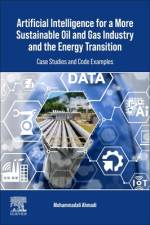
Artificial Intelligence for a More Sustainable Oil and Gas Industry and the Energy Transition: Case Studies and Code Examples presents a package for academic researchers and industries working on water resources and carbon capture and storage. This book contains fundamental knowledge on artificial intelligence related to oil and gas sustainability and the industry’s pivot to support the energy transition and provides practical applications through case studies and coding flowcharts, addressing gaps and questions raised by academic and industrial partners, including energy engineers, geologists, and environmental scientists. This timely publication provides fundamental and extensive information on advanced AI applications geared to support sustainability and the energy transition for the oil and gas industry.
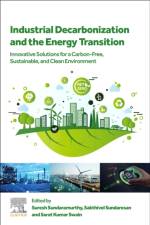
Industrial Decarbonization and the Energy Transition: Innovative Solutions for a Carbon-Free, Sustainable, and Clean Environment provides detailed information on a range of cutting-edge solutions, supporting decarbonization, clean energy production, and energy transition. Sectors covered include chemical and photochemical, cement and concrete, class, pulp and paper, steel and iron-making, fertilizer, clay, methanol, refineries, sugar, and thermal power plants. Technology, regulations, climate impact, and finance are considered for each sector, and throughout the book, emphasis is placed on the industry perspective and expertise, with thorough techno-economic analysis and in-depth discussion of other key considerations such as scale-up, cost reductions, waste, and future possibilities.This book is of interest to engineers, R&D, and other professionals involved in energy transition and decarbonization of industrial processes and plants across a range of industrial sectors, as well as academic researchers, scientists, and advanced students in energy transition, renewable energy, engineering, decarbonization, and sustainability.
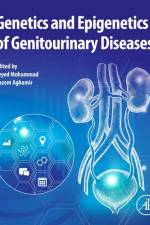
Genetics and Epigenetics of Genitourinary Diseases aims to provide a comprehensive collection of data on genetics and epigenetics in almost all genitourinary diseases for researchers, clinicians, and graduate students. This book discusses several genetic and epigenetic changes like DNA methylation, mutations, single nucleotide polymorphisms, DNA rearrangements, chromosomal remodeling, microsatellite instability, and chromosomal instability (CIN) in genitourinary cancers. This book is split into 18 chapters, beginning with the importance of genetics and epigenetics in genitourinary diseases. It then goes on to cover the genetics and epigenetics of various diseases and tumors. Certain chapters present novel techniques of next-generation sequencing (NGS). Furthermore, RNA-Seq is discussed as a sequencing technique that uses NGS to reveal the presence and quantity of RNA in a biological sample. This book is a valuable resource for researchers, practitioners, and students in genetics and epigenetics who want to broaden their understanding of the field.
Rehabilitation Robotics and Healthcare Devices presents cutting-edge topics in rehabilitation robotics and healthcare devices, covering basic concepts and providing readers with enough information to solve various practical problems. The book proves to be an excellent source to study the different emerging paradigms in rehabilitation robotics and healthcare areas, including related technologies such as sensors, wearable devices, internet of medical things, big data, machine learning for eHealth, edible sensors, robots in medicine, and exoskeleton robots for rehabilitation.
Genome Analysis: Principles and Methods provides recent and advanced information about genome analysis approaches and techniques to study and annotate the structure and function of the genome. It is a compendium of important topics such as NGS analysis, genome fragmentation and assembly, metagenomics, cloning and expression, physical marker analysis, transcriptome data analysis, sequence alignment and comparison, evolutionary analysis, SNP analysis, genome-based disease diagnosis and therapies, micro-RNAs, pharmacogenomics, genetic approaches to disease intervention, and challenges with opportunities in genome analysis and genomics, etc.The latest developments in the field are discussed, and key concepts are introduced to ensure readers understand advanced concepts and methodologies in the area. The book serves as a valuable guide to the present, emerging, and evolving research methodologies in the field.
In the continuous pursuit of optimizing performance, development of advanced materials with highly specific properties has consistently been a critical component of aerospace engineering’s research. Aerospace Materials: Novel Technologies and Practical Applications puts strong emphasis on updating existing knowledge of a wide range of functional and structural materials and contextualizing it for industrial practice.The volume not only comprehensively covers different classes of materials, while providing an overview of each material’s mechanical and physical properties, as well as processing and testing, but also offers state-of-the-art guidance on their commercial use in the sector. Furthermore, it looks ahead to clarify what’s still needed to adapt traditional and novel materials to ever-changing aerospace technologies and related pressing sustainability challenges.The breadth of technical expertise that this international group of researchers provides proves to be an invaluable asset for users in academia and established professionals alike.
Bioenergy from Agricultural Residues provides an in-depth understanding of the latest advancements in the bioenergy field, along with the challenges and opportunities for its future research. The book delivers solutions to specific problems through case studies and examples of successful bioenergy projects from different parts of the world, which can serve to inform and inspire policymakers, researchers, industry professionals, and students interested in advancing sustainable energy production. This timely text analyzes economic and environmental implications of bioenergy production from agricultural residues and provides insights into the development of sustainable bioenergy systems.It serves as a quality resource for anyone interested in sustainable energy and the utilization of agricultural residues for bioenergy production, including economic and environmental aspects, which is aligned with Elsevier’s Energy with Purpose commitment to support meeting the world's energy needs while protecting the planet for future generations.
Gait, Balance, and Mobility Analysis: Theoretical, Technical, and Clinical Applications provides a comprehensive overview of gait and movement analysis techniques, from traditional motion capture to modern wearable technologies. The book contains both a technical element that focuses on biomechanics and engineering concepts for gait analysis and the application of gait analysis with clinical populations. Beginning with a comprehensive background on the underlying neural control of gait and mobility in humans and physiological control of balance, the book then covers analysis methods and techniques for laboratory, clinic or remote patient assessment. It then examines how gait, mobility and balance are impacted by musculoskeletal, neurological, and cardio-respiratory conditions. Lastly, it discusses future directions and provides recommendations for future studies. Combining the expertise of engineers and clinicians, this book takes a multidisciplinary approach to show how and why gait, balance and mobility can be used to tackle important clinical questions for various conditions.
Advancements in Nanotechnology for Food and Packaging explores current trends, advances and associated challenges of the applications of nanotechnology in the food sectors, such as the fabrication and characterization of functional food, developments and shelf-life extension. This book is organized into 16 chapters that cover the main concepts related to the use of nanotechnology in food processing, packaging and monitoring. Coverage includes food functionalization, quality management and control, food sensory, membrane filtration technology, nanotechnology-based sensors, sustainable packaging, regulatory aspects, and much more. This book an essential resource for materials and food scientists, technologists, researchers, academics and professionals working in nanotechnology and food science.
PEM Water Electrolysis: Fundamentals and Practice is a comprehensive reference on the design and operation of PEM water electrolyzers. Combining hydrogen production with engineering thermophysics, the book provides a unique resource for understanding the hydrogen production process, from fundamental concepts to practical implementation. Divided into four parts, the book covers the current state of hydrogen and the fundamentals of PEM water electrolysis and the various components and materials used in PEM electrolysis, including electrocatalysts, proton exchange membranes, membrane electrode assembly, porous transport layer, flow field, and corrosion, and more. Other sections explain the key processes involved in PEM electrolysis, such as two-phase flow, heat and mass transfer and delve into systems research, covering grid fluctuations, control systems, assembly, diagnosis, and commercialization. In addition, the book provides comprehensive information on the modeling of PEM electrolyzers, including heat and mass transfer and system analysis. Finally, the book contains informative videos of industrial facilities, laboratory setups, and preparation procedures.
Electrochemical Aptamer-Based Biosensors for Disease Biomarkers comprehensively presents the principles of designing aptamer-based biosensors for disease detection using biomarkers. The book considers the latest research and discusses the application of aptasensors design against different diseases. In addition, sections explore innovative types of electrochemical diagnostic techniques used based on various advanced elements and assemblies such as nanomaterials and signal transducers. This is an effective, practical guide for researchers to use as a reference for the development of their own laboratory research.
Renewable Energy for Plug-In Electric Vehicles: Challenges, Approaches, and Solutions for Grid Integration provides a holistic guide to the critical technical challenges of integrating renewable energy for grid-connected electric vehicles. Considering the impact of renewable energy integration from a wide range of perspectives, this book leverages its global range and expertise to cover problems from power stability to market strategies, fast charging, and cybersecurity. Practical solutions are provided, incorporating the latest advances in technologies across meters, sensors, batteries, storage, demand response, artificial intelligence, and power system design. Supporting broad understanding and practical solution development, the book enables researchers, students, and industry professionals to take the next steps towards renewably sourced, grid-integrated electric vehicles.
Abonner på vårt nyhetsbrev og få rabatter og inspirasjon til din neste leseopplevelse.
Ved å abonnere godtar du vår personvernerklæring.