










Gjør som tusenvis av andre bokelskere
Abonner på vårt nyhetsbrev og få rabatter og inspirasjon til din neste leseopplevelse.
Ved å abonnere godtar du vår personvernerklæring.Du kan når som helst melde deg av våre nyhetsbrev.

Meeting a need in the marketplace for information on how to operate a sustainable facility and reduce carbon emissions, the Green Facilities Handbook clearly explains why green business is good business and delineates practical strategies to green your operations in energy and management. The book explores issues in the greening of a facility, including janitorial considerations, fuel choices for fleets, and recycling. Additional information is provided on carbon reduction terminology, monitoring and reporting, and carbon trading as well as offset strategies. Special bonus chapters include valuable information on financing and procedures for "e;green"e; marketing.
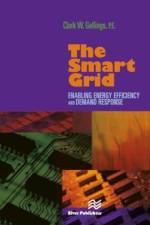
Technologies and intelligent systems are now available that can significantly enhance the overall functionality of power distribution and make it ready to meet the needs of the 21st century. y.
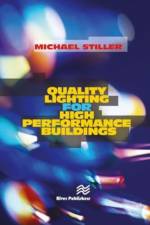
This book provides an overview of the basic concepts of quality, indoor lighting, and explains concepts like visual comfort, visual interest, and integrated design as they relate to the practice of lighting design. Energy-efficient lighting technologies, including LED lighting and digital control systems, and design strategies that increase visual comfort and productivity are discussed in plain language, and examined in a straightforward way to give the reader, whether an architect, interior designer, engineer, building trades professional, or student a broad understanding of the art and science of energy-efficient quality lighting.
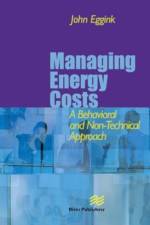
Designed for commercial/industrial/institutional (C&I) power customers, this book details ways to secure lower electric rates and pricing, in both regulated and deregulated power markets.
Homo Gaia is written by lifelong environmentalist and citizen scientist, who wishes to pass on a thin strand of hope to the next generation.
A rich collection of poetry that celebrates the beauty and symbolism of the humble flower. From Shakespeare to Heaney, these classic verses celebrate the arrival of spring with the emergence of the snowdrops, to the summer colour of asters, the heady scent of jasmine, and the brazen sunflower.
A fascinating miscellany of twentieth century maps of London, mostly drawn from the historical treasure house that is the London Metropolitan Archives.
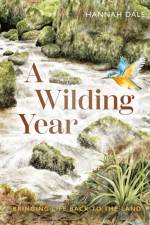
An exquisitely illustrated chronicle of Hannah Dale's year spent deeply immersed in rewilding her Lincolnshire farm.
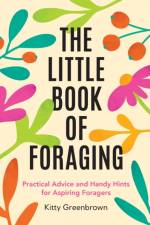
Whether you're a beginner or wanting to brush up on your existing skills, and no matter where you live, this book will help you learn the essentials, identify staple foods and discover recipes to create foraged feasts.The Little Book of Foraging is the ideal companion and will show you how to gather food safely, responsibly and joyfully.
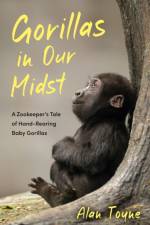
When Afia, a newborn Western Lowland Gorilla, is rejected by her mother Kera, her human keeper Alan must start the challenging - but rewarding - experience of hand-rearing her at home. Gorillas in Our Midst offers a unique glimpse into the intricate world of primate social dynamics, in all their complicated, human-like glory.
Connecting with plants-a guide to belonging, ecological resilience, and permaculture designThe plants in our world not only nourish and sustain us, they also root us within our human and ecological communities. Mulberries in the Rain explores these vital connections, combining evocative storytelling with detailed crop profiles and permaculture design tools to mentor and inspire you.Central to permaculture is the art of creating beneficial relationships - crafting inherently regenerative food systems modeled on nature. As growers, we tend to interpret this idea literally-think companion planting, edible ecosystems, and food forests. Where do social relations and community building fit in?Authors and permaculture experts Ryan Blosser and Trevor Piersol:Demystify plant guilds, showing how to create biodiverse, low-maintenance ecological systemsIntegrate tried and tested permaculture frameworks such as the Scale of Permanence and the Ecology of Self with tools from economics, mental health, and other disciplinesProvide cultivation primers for permaculture plants classified according to function, identifying outstanding anchor plants, nitrogen fixers, barrier plants, beneficial attractors, and dynamic accumulatorsUse plant narratives to illustrate how our inner landscapes are inextricably intertwined with the way we show up in the world.This unique, beautifully illustrated handbook breaks new ground in social permaculture while providing a deep hands-on dive into creating thriving foodscapes. Required reading for anyone who seeks a deeper connection to people and place and a more resilient future.
Prized for its creative design, original art, and playful, accessible writing, Making Maps is now in a thoroughly updated fourth edition. The text is restructured to emphasize the importance of the map making process. All components of map making are covered and are brought to life in the expanded graphic novella threaded through the text. Updates include new coverage of data aggregation, artificial intelligence, feminist and Indigenous perspectives, map making workflow, and more. Design choices are emphasized and linked to the reasons for making a map. Featuring more than 80 color illustrations and a unique layout, the book includes an annotated map exemplar used throughout the text, extensive map examples, and a companion website. New to This Edition *New or expanded topics: graduated symbol maps, multivariate choropleth maps, visual storytelling, maps and gerrymandering, artificial intelligence, workflow, and more. *Integration of practical ideas from Indigenous and feminist perspectives. *Color and type are shifted earlier in the book, and the chapters on map symbolization and abstraction now conclude the book, with many compelling new maps.
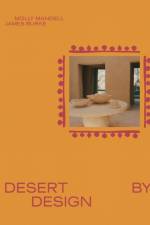
A distinctively designed, beautifully photographed interior design book that showcases the incredible spaces and stories of creative desert dwellers by writer-photographer duo Molly Mandell and James Burke From tips on cultivating the unpretentious, highly functional aesthetic environment synonymous with the desert to images evoking mindful living, the book is both a celebration of a uniquely inspiring climate, its spaces, and most memorable personalities as well as a manual for adopting elements of this lifestyle-no matter your location-through intentional design. Desert by Design explores the spaces and stories of those who live in the desert, from Marfa, Texas, residents and writer-photographer duo Molly Mandell and James Burke. From West Texas and Southern California to Chile, South Africa, Morocco, and the United Arab Emirates and more, this comprehensive, global look at desert living offers insight into extraordinary architecture and interiors, while exploring the vibrant creative communities that have formed in these distinctive climates. The desert-with its incomparable vistas, sounds, flora, and fauna-is a landscape filled with equal parts mystery and beauty that has always attracted artists, architects, designers, and any creative looking for inspiration and independence. Authors Mandell and Burke felt the pull of the desert themselves, moving to the artistic desert community of Marfa, Texas, and now display their impeccable eye for design and extensive connections in the design community to present a wide-ranging, nuanced view. Interior tours-private homes, independent hotels, and projects like Paolo Soleri's Arcosanti and James Turrell's Roden Crater-are the heart of Desert by Design. In addition, archival profiles look into the preserved spaces of famed desert dwellers, such as architects Albert Frey and Frank Lloyd Wright, artists Georgia O'Keeffe and Donald Judd, and fashion designer Yves Saint Laurent (see below for a list of the locations and personalities featured). In-depth analysis and interviews are paired with original images shot by the authors, ranging from portraiture to candid and, of course, interior shots, bringing desert life into full view. These spaces are all more than the objects that inhabit them-they are intimate and tangible accounts of their creators and encouragement for those who aspire to curate their own oasis.
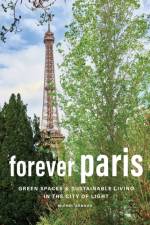
Photographer Michel Arnaud spotlights the green spaces and sustainable architecture in ParisParis is changing. There is a new attitude of green and sustainable ideals that are permeating the City of Lights everywhere you go. In many ways, Paris has had the qualities of a "green city" for a long time. Existing architecture has been adapted and reused for centuries. Paris has always been a walkable city, and its public gardens are well known. However, over the years, pollutants have made their impact-a gray haze from car exhaust hovering over the city. Today, offcials, businesses, and residents are making changes to help turn Paris green and prepare for a sustainable future. Bike lanes are replacing roadways. Food entrepreneurs are creating urban farms on the city's famous rooftops. In Forever Paris, photographer and author Michel Arnaud documents and investigates the projects and people that are transforming Paris for the future by asking questions like What makes a city "green"? and How can we make our world sustainable? and What changes must we make now? This stunning photography book explores how today's generation is leading a revolution for sustainability to protect the future of our environment for generations to come.
Written by the author of the bestselling Concise Foraging Guide, this practical pocket guide describes 166 plant species with medicinal qualities that you can forage or grow in the UK and Europe.
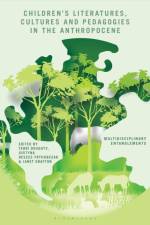
Bringing together scholars from a diverse range of disciplines, this open access book explores how children's literature, and cultural experiences tailored to them, afford young people new ways of navigating a world facing impending environmental crisis. With chapters from researchers in Europe, North America, Australasia and Asia, and working in fields such as literary, cultural, childhood and education studies, it provides multidisciplinary perspectives, visions and practices on, and models for, how children might embrace hope rather than fear as they confront today's environmental issues. Starting and then moving out from stories to imagining and putting into practice more ethical ways of engaging with and being in the world, Children's Literature, Cultures and Pedagogies in the Anthropocene examines various forms of storytelling, learning, thinking, and teaching that ask what children can learn from each other, from intergenerational and interspecies engagement, from human and more-than-human teachers. The chapters cover a huge variety of topics including: eco-pedagogy; depictions of food and malnutrition; engaging nature through graphic narratives; using indigenous children's stories to navigate the Anthropocene; how children's literature can enable eco-literate young people; social and environmental justice in Latinx literature; and how (re)reading popular dystopian works can help youth readers identify eco-critical hope in seemingly end-of-the-world narratives. A model for how humanities scholarship can have an impact greater than itself, Children's Literature, Cultures and Pedagogies in the Anthropocene demonstrates how children's texts and cultures might encourage ways of living more ethically in a world constantly changing. The ebook editions of this book are available open access under a CC BY-NC-ND 4.0 license on bloomsburycollections.com. Open access was funded by Wroclaw University, Poland
Drawing extensively on contemporary research and empirical evidence, including that from the UK, Australia, Brazil and Europe, this book sets out the key ideas, concepts and approaches for education for environmental sustainability in the context of teacher education.
First published in 1954, The Genesis of Modern British Town Planning is a study from a historical standpoint of the social and economic factors which have made town planning one of the normal functions of government.
First Published in 1944, Colloquial Hindustani is intended to supply the beginner in the language not only with the common rules of grammar and their exemplification with sentences of a practical nature, but to assist him towards a correct pronunciation.
This book provides an analysis of nature satisfaction, nature relatedness, and the motivations for using urban green spaces. It explores the use of spaces such as parks, waterfronts, wooded areas, and fields among different life course phases and socio-economic classes.
Faith, Spirituality, and Praxis: Exploring Dynamics in African Grassroot Theologies and Churches investigates topics such as black theology movements, African Initiated Churches, and the ecclesiologies that emerge from the experiences and struggles of African Christians.
Faith, Spirituality, and Praxis: Exploring Dynamics in African Grassroot Theologies and Churches investigates topics such as black theology movements, African Initiated Churches, and the ecclesiologies that emerge from the experiences and struggles of African Christians.
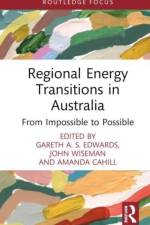
This book provides an accessible and critical appraisal of Australia's regional energy transition initiatives.
Abonner på vårt nyhetsbrev og få rabatter og inspirasjon til din neste leseopplevelse.
Ved å abonnere godtar du vår personvernerklæring.