














Gjør som tusenvis av andre bokelskere
Abonner på vårt nyhetsbrev og få rabatter og inspirasjon til din neste leseopplevelse.
Ved å abonnere godtar du vår personvernerklæring.Du kan når som helst melde deg av våre nyhetsbrev.

This book presents valuable insights, critiques, and contributions from energy researchers focused on Latin American case studies. Their work not only enriches the understanding of energy justice but also addresses a significant gap in the current academic literature.
Presents an account of the diversity and possible exploitation of such variability in the improvement of varied fruits and nuts of the world.
This collection brings together established and emerging scholars for a critical framing of sustainability through the lens of language and communication, social semiotics, and media studies.
This book serves as a helpful guide for anyone interested in understanding and implementing Building Information Modeling (BIM) in developing countries. It focuses on the construction industry and how digital technologies can improve the way buildings and infrastructure projects are planned, designed, and built.
This book provides an overview of the use of various waste materials in pavement construction and their potential impact on sustainable infrastructure development. It explores the use of waste materials as alternatives to traditional pavement materials.
Provides students with a holistic, systems-based perspective of Harmful Algal Blooms, or HABs and HAB toxins while explaining details on occurrence, health effects, and treatment processes for the removal of HAB cells and toxins from drinking water. It's also useful for professionals interested in HABs and HAB toxins in drinking water.
"Over the past four billion years of Earth's history, three organisms-cyanobacteria, plants, and humans--have altered the planet in profound ways by harnessing the availability of five key elements. Hydrogen, oxygen, carbon, nitrogen, and phosphorus are the most common elements in all forms of life on Earth, and all five circulate between the biotic and abiotic world in biogeochemical cycles. When organisms tap into stores of these elements and change these cycles, they change the atmosphere, climate, and, by extension, the trajectory of life on earth. In the first part of the book, Porder explains how cyanobacteria and plants harnessed critical elements and how their success in doing so was followed by environmental collapse in the form of ice ages. Porder then turns to human-caused climate change. He explores the dramatic ways humans have altered the cycles of these five essential elements and explains the profound effect our actions have on the planet. Porder concludes by exploring how we can reduce our impact on the Earth-both individually and societally-by reorienting ourselves toward recycling critical elements instead of extracting them from more and more obscure sources. Ultimately, understanding the role of element cycling is essential to understanding how humans came to be so successful and to putting us on a path to a sustainable future"--
An authoritative photographic guide to Europe's spectacular Alpine floraEurope's Alpine Flowers covers the flowering plants and conifers that occur regularly on mountains and in Arctic areas north of a line that runs from the Pyrenees to Southern Romania. For many botanists-and gardeners-the alpine flora is the best it gets. There are many species adapted to a harsh climate of extreme winter cold and strong winds, including some of our most beautiful rock plants, such as gentians, saxifrages, and crocuses. These also include subtle and rare flowers that require care to discover and identify. With outstanding photographs and concise text that covers key features, this guide enables confident identification in the field. Covers the plants most likely to be seen above an elevation of 1,000 metres, concentrating on plants confined to high mountain areas of Europe and to the Arctic1,500 colour photographs illustrating almost 1,300 speciesConcise, descriptive species accounts including details of habitat, altitudinal range, flowering period, and distributionFeatures easy-to-use text with minimal botanical jargon and illustrations of essential biological termsWith sections on flower identification, the alpine and Arctic environments and their habitats, and the best places to see alpine flowersComprehensive index including synonyms
This book focuses on developing a holistic sustainability assessment-built environment model that can help in identifying sustainability issues and parameters for the built environment. It covers a wide range of sustainable built-form issues in the local and regional contexts.
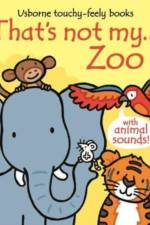
Discover the fun of the zoo in this sound-book addition to the bestselling That's not my... series. Turn the pages to explore the zoo and meet a monkey, an elephant, a tiger and a parrot in this larger format touchy-feely book. Press the sound button on the final page to hear all these animals in the noisy zoo!With bright, bold illustrations and soft tactile patches on each page, babies and toddlers love That's not my... books. That's not my... books are designed to be shared, and support sensory and language development. Don't forget to spot the little white mouse on every page!
Updated to include the latest research in the hazards and disasters field, U.S. Emergency Management in the 21st Century continues the tradition of giving readers access to exemplary case studies drawn from a wide variety of hazards as well as academic and applied fields.
Environmental Ergonomics: Principles, Methods, and Applications provides the philosophy, principles and application of environmental ergonomics as a universal concept and considers total environments as an integration of environmental factors to which people are exposed.
This book draws on the relationship between culture and the environment and its connection with health and well-being and explores specific Indigenous cultural and social dimensions of well-being. The chapters feature case studies, theoretical and application-based research, and photo essays.
This book draws on the relationship between culture and the environment and its connection with health and well-being and explores specific Indigenous cultural and social dimensions of well-being. The chapters feature case studies, theoretical and application-based research, and photo essays.
Comprehensive and practical, this book provides an essential resource for educators, researchers, students and those in public agencies and consultancies who are directly responsible for managing municipal infrastructure such as roads, water and sewer pipes, etc.
This reference book offers a comprehensive overview of the global aquarium industry with insights from India. It covers ornamental fish culture, aquatic plant farming, aquarium accessories, trade, capacity building, and policy frameworks, crucial for fisheries professionals and academicians.
This book encompasses a holistic approach towards sustainable agricultural production technologies that result in maximum profit for the farming community.
Serious implications for the study of dignity in the context of contemporary work activity and respecifies how we think about our obligations to ourselves and others.
In the Name of the Goddess: A Biophilic Ethic explores a dynamic, holistic ethic of interconnections, ecological sustainability, and eco-justice through goddess worship and eco-feminism. Donna Giancola proposes principles to establish social harmony and ecological balance through moral, political, and spiritual values and practices that provide a comprehensive foundation for integrating wisdom and action in daily life, communities, and international policies.
The definitive guide to water-efficient gardening to grow healthy, resilient plants in the face of climate change. Conserving water has always been appealing. Yet with rising temperatures, groundwater depletion, violent floods and intense periods of drought all on the rise, the need for water-wise gardening techniques has never been so important. In The Water-Efficient Gardener, environmental gardening specialist Angela Youngman delves into the ways we can not only protect our gardens against the impacts of climate change but transform them into colourful and biodiverse havens. This practical guide is illustrated throughout with helpful photographs and insightful case studies to inspire a range of beautiful outdoor spaces. From inventive methods for collecting rainwater to drought-tolerant plant recommendations and advice on minimising the impact of flooding on lawns, Angela presents clear solutions to the challenges of modern-day gardening. An issue that will affect all gardeners in Britain and beyond, find the joy in sustainable gardening with this timely read.
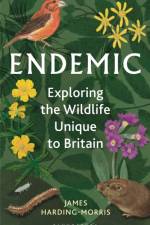
Meet the rare, obscure, and utterly British species found nowhere else on earth. Around 70,000 species call Britain home, but how many of them can be found here and only here? Join conservationist James Harding-Morris as he uncovers the stories of our endemic wildlife - the plants, animals and fungi that are unique to these islands. Determined to give these irreplaceable species their moment in the spotlight, James goes in search of them across the length and breadth of Britain, from wild and rugged Orkney, the only known location for the Orkney vole, down to suburban Plymouth where the horrid ground-weaver spider faces global extinction at the hands of developers. He explores Devon's depths on the hunt for ghostly cave shrimp, seeks out alien fungi on Norfolk roadsides, and traces the tribulations of interrupted brome, the grass that has gone extinct not once, but twice. Along the way, he meets the experts devoted to the study and survival of these vanishingly rare creatures and plants, determined to save them from the brink of global extinction, often single-handedly. Because many of these species are at risk of disappearing forever, before most of us even realise they exist. A tapestry of wonder and weirdness, tragedies and triumphs, Endemic celebrates what makes our natural history so special and calls on us all to cherish and protect it.
Drawing on qualitative research conducted in the impoverished areas of Manila, Philippines, Fuyuki Makino examines how experimental methods in modern architecture have helped form micro-relationships, social networks, and social structures among the inhabitants and considers whether the architects' aim to promote certain social behaviors was successful or not.
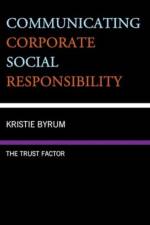
At a time when corporations are facing increasing pressures to devise and implement corporate social responsibility (CSR) programs and deal with societal issues, Communicating Corporate Social Responsibility: The Trust Factor explores theoretical frameworks and practical applications for creating trust between organizations and key stakeholders. By examining the effects of corporate social responsibility on social media engagement and purchase intention, Kristie Byrum navigates who should carry the CSR message and offers guidance on appropriate channels for communication. Byrum provides a robust communication model that considers the delicate value of trust in the context of corporate social responsibility communication and delivers insights regarding how organizations can plan and execute corporate communications approaches that consider the appropriate source and channel. Scholars of communication, public relations, and leadership will find this book of particular interest.
Abonner på vårt nyhetsbrev og få rabatter og inspirasjon til din neste leseopplevelse.
Ved å abonnere godtar du vår personvernerklæring.