










Gjør som tusenvis av andre bokelskere
Abonner på vårt nyhetsbrev og få rabatter og inspirasjon til din neste leseopplevelse.
Ved å abonnere godtar du vår personvernerklæring.Du kan når som helst melde deg av våre nyhetsbrev.

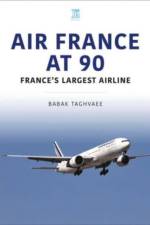
Founded in 1933, Air France is that country's largest airline with 211 aircraft at its disposal, comprising narrow- and wide-body types as well as cargo aircraft. Subsidiary company, low-cost Air France Hop, currently operates an additional 33 aircraft. Together they fly to 191 destinations in 89 countries. Since merging with Dutch airline KLM in 2004 and forming the Air France-KLM Group, Air France has renovated its fleet and vastly improved its profit margins. This book provides an illustrated history of the company and its subsidiary, detailing its origins and growth from small beginnings to national flag carrier with an impressive fleet that is continually updated through outright purchases and long-term lease agreements. Air France flies all over the world, and its route map and diversification are all reviewed, together with its alliance with KLM, which gives it access to a vast market of feeder routes across Europe serving the nation's leisure and business interests.
This book begins with a look at the British Rail (BR) Class 86 electric locomotives, which were introduced in the 1960s and worked the West Coast Main Line (WCML). The next section highlights the BR Class 87s, which were based upon the 86s and designed to deal with the more demanding gradients of the northern half of the WCML. Following this comes the Class 90s, which were built for mixed-traffic duties and introduced during the final years of BR. Lastly, the Driving Van Trailers (more commonly known as DVTs), a purpose-built control car that allows the driver to operate a locomotive in push-pull formation, are covered.
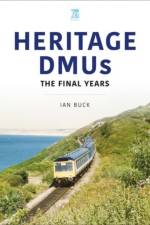
At the beginning of the privatisation era of Britain's railways, there was a pause in new rolling stock deliveries. As a result, a handful of diesel multiple units (DMUs) remained in service in small pockets around England, Wales and Scotland. A slow start to new train orders and an expansion of passenger services meant that withdrawal of these units was slower than intended. In fact, some managed to eke out their final days into the new millennium. With over 190 images, most previously unpublished, this book illustrates the different types of units and the areas in which they operated during the post-privatisation years up to 2002. It includes units that saw further use as departmental units and a look at some of the residual withdrawn and stored vehicles that were dotted around the country. This book provides an overview of the final operations that the heritage DMUs were involved in. These unsung heroes of the 1955 modernisation plan certainly gave their worth and, thankfully, many can still be seen today on the railway preservation scene.
In 1940, the American Bantam Car Company delivered the first Command Reconnaissance Vehicle to the US Army. More than 600,000 units were built during the war years, which led to a surplus sale in 1946, when veterans with firsthand knowledge of their capability bought them. When off-road racing began, Jeep was there, and when the first sanctioned race was run in 1967 down the Baja peninsula, Jeep was in the winner's circle. Jeep vehicles dominated the off-road-racing scene and captured coveted titles in the Mint 400, Baja 500, and desert racing's crowning achievement: the Mexican 1000/Baja 1000. As the first-generation CJ gave way to the second-generation machine, racing Jeeps found success in competition and continue to do so to this day.Not only will you read about Jeeps greatest achievements in off-road racing but you also will hear the tales of their wranglers, including Brain Chuchua, Larry Minor, Roger Mears, Rod Hall, Sherman Balch, J. M. Bragg, Ray Russell, the Randall family, David Bryan, and more. The famous Jeeps that are covered include the Budweiser Jeep Honcho, celebrity CJ-7s, Holy Toledo, Don Adams's CJ-7, and more.Written by off-road racing historian John Elkin, this book is the most comprehensive collection of content that has ever been produced on this subject. Learn why Jeep is the most successful off-road racing brand with Jeep Racing: America's Favorite 4x4 in Off-Road Competition 1965-1989!
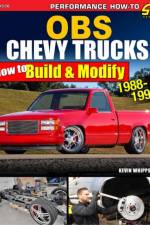
During the last decade, classic Chevy trucks have seen a sharp increase in popularity among the enthusiast community. From an enthusiast's standpoint, the Task Force trucks of the 1950s and the 1967-1972 Action Line trucks are the most popular. However, the rising prices of these trucks often send budget-minded enthusiasts to the Squarebody 1973-1987 models. Now, even the Squarebody trucks are getting expensive, so enthusiasts are turning to a more modern era of classic Chevys: the Old Body Style (OBS) trucks from 1988-1998. The OBS trucks are attractive, well-rounded trucks with many creature comforts that were absent from previous generations. They are fairly affordable and plentiful, and they are new enough that well-preserved examples are attainable. In addition, they respond well to modifications. The later OBS models had LS engines in them, so swaps across the entire year span are easier. In OBS Chevy Trucks 1988-1998: How to Build & Modify, veteran Chevy truck author Kevin Whipps covers all of the modifications that you can do to improve the performance, handling, and economy of these trucks. He covers OBS history, how to find the right truck for your goals, and modifications to the various systems in the truck. Subjects that are covered include suspension, brakes, air-ride systems, engine upgrades and swaps, body and paint, interior, wheels and tires, and, finally, body drop. Whether you are planning to do the modifications yourself or you want to learn about the project before hiring a professional, this book is an essential tool for your toolbox.
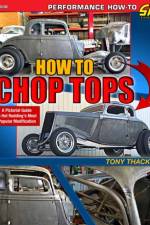
Learn how to chop tops with advice from the experts! Today, the purpose of a chopped top on a hot rod is mostly to make a visual statement, but that wasn't always the case. In the late 1930s, roadsters were considered to be real hot rods, while sedans and coupes were not considered to be race cars. Over time, sanctioning bodies began to accept sedans and coupes as race cars, which created the need for chopping tops. When competing in dry-lakes racing, the tall birdcages of cars that had not been chopped created an excessive amount of aerodynamic drag. Chopping the top increased the aerodynamic efficiency to the point that the coupes were competitive with the roadsters. Tops aren't often chopped for those reasons today. However, when viewing the works of art that have been created by the best chopping masters, it's clear that enhanced aesthetics is the only reason that is needed. Chopping a top may seem simple at first (especially if you think that old tops are mostly square), but it is not. The process of chopping a top severely alters the angles of the A-pillars, the intersections where metal meets at the C-pillars, and the rake and fitment of the glass. In How to Chop Tops, hot rod expert and historian Tony Thacker takes you through the process of chopping a top. Individual chapters feature a variety of chops that have been performed by the industry's most talented fabricators. The most popular candidates for this modification are covered, including Ford Model As, Model Ts, 1932 3-window and 5-window coupes, 1933s, 1934s, 1935s, and Shoeboxes. Featured industry experts include Rick Lefever, Evin and Justin Veazie, the Kennedy Brothers, Bobby Walden, Troy Ladd's Hollywood Hot Rods, Rolling Bones, Roy Brizio, Cornfield Customs, Max Grundy, and more.Whether you want to give chopping a try or you just want to see how it's done before hiring a professional, this book is a valuable addition to your library.
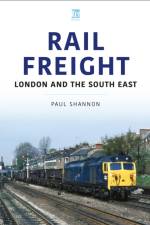
This book follows the railways that serve the city and surrounding areas.
This book explores the transport systems of Manchester, including the buses and rail network.
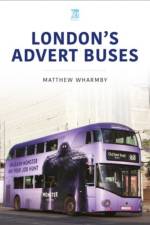
A fixture of London Transport in the 1970s, the all-over advert bus was relaunched by the modern Transport for London (TfL) at the turn of the century, and since then the concept has exploded. With each year that passes, hundreds of London buses are adorned with intricate and imaginative adverts printed on durable vinyl. The easily removable nature of this material means that buses can swap adverts quickly whenever one advertising contract ends and another begins. Some vehicles may thus carry up to four adverts in any one calendar year. The characteristic New Bus for London, aka 'Borismaster', designed specifically for London needs, has proved to be the most prolific carrier of these adverts. The majority of the thousand-strong fleet of TfL-owned buses, which are divided among several operators, have carried such ads in their decade in service. Most older double-deck types have also been treated to adverts, generally omitting the front and latterly concentrating on in-house publicity for TfL's own services and fare bulletins. This book contains more than 230 previously unpublished colour photographs of the fast-changing all-over advert scene on London's buses, covering an enormous variety of subjects including fashion, food and drink, technology, entertainment, travel, property and even dating.
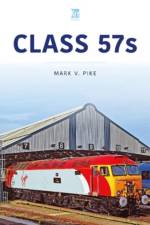
The Class 57 diesel locomotive was an outgrowth of the tremendously successful and iconic Class 47. Rebuilt from redundant Class 47s by Brush Traction at Loughborough between 1998 and 2003, the 33 resulting Class 57s are themselves divided into three sub-classes for differing purposes. Twelve are Class 57/0 for Freightliner to haul intermodal trains; 16 are 'Thunderbirds', commissioned by Virgin Trains to rescue failed Class 390 electric units on the West Coast Main Line; and five are dedicated to passenger use on Great Western Railway's 'Night Riviera' sleeper service. Featuring an EMD V12 two-stroke diesel engine and other modifications, the conversions represented a considerable cost saving over that of building completely new locomotives. Known irreverently as 'bodysnatchers', the Class 57s have filled a gap in available traction for the last two decades and the fleet is intact today, continuing to see use with various TOCs and have a future ensured by overhaul. All 33 locos are depicted in this volume, with over 200 images, showing the Class 57s in a variety of duties over the last 20 years.
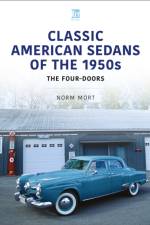
This book provides an in-depth year by year examination of the multitude of post-war manufacturers, revealing an era that began with great conservatism and evolved into some of the most stylistically flamboyant and uniquely equipped sedans in automotive history
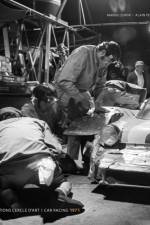
Car Racing 1971 offers a unique experience of immersion in the atmosphere of 1970s motorsport through treasures unearthed from the archives of the DPPI photographic agency. Text in English and French
Discovering the lighthouses of Maine has never been more fun.Wells artist Danielle Lehoux's unique color-as-you-go book mixes travel with the relaxation of coloring each lighthouse.
In this enthralling book, esteemed motorcycle journalist, editor of Bike magazine and lifelong rider Mike Armitage reveals the story of Triumph: a true British heritage brand, told in all its high-octane glory.
A fascinating history of how the automotive industry and consumers battled to define what women wanted in a car.Since the commercial introduction of the automobile, US automakers have always sought women as customers and advertised accordingly. How, then, did car culture become so masculine? In Pink Cars and Pocketbooks, Jessica Brockmole shares the untold history of women's relationship with automobiles: a journey marked by struggle, empowerment, and the relentless pursuit of independence. This groundbreaking work explores the evolution of women's automotive participation and the cultural shifts that have redefined their roles as drivers, mechanics, and consumers. Brockmole traces the rise of gendered marketing of automobiles over the course of the twentieth century. Auto companies created ads that conformed to commonly held ideas about women's relationships with automobiles. As the century progressed, marketing to women became less informative and even more gendered: the automotive industry portrayed women as passengers, props, or reluctant drivers, interested primarily in aesthetics. And yet, by the 1970s, female drivers were communicating directly with each other, forming clubs, and teaching each other through women-focused repair manuals. By examining market research studies, advertising archives, trade journals, women's magazines, newspapers, driving handbooks, and repair manuals, this book shows how women bought their way into the automobile and masculine car culture. Brockmole uncovers the stories of pioneering women who defied conventions, such as trailblazer Alice Ramsey, the first woman to drive across the United States in 1909, and Barb Wyatt, whose contributions to automotive manuals broke new ground. Women have always been users of technology, and this book illustrates how the auto industry evolved-as well as how it chose not to evolve-in response.
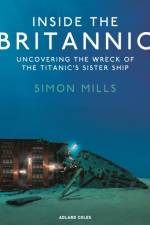
Documenting one of the most comprehensive surveys of a shipwreck ever conducted, Simon Mills' new book takes you inside the SS Britannic for a unique dive into the past.
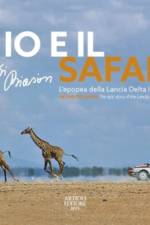
Per come l'hai costruita e raggiunta, per gli avversari con i quali ti sei misurato e hai sconfitto, per il luogo o le circostanze in cui l'hai riportata, la magia della vittoria non si ripete mai uguale. Anche per me è così: la prima in assoluto; la prima nel campionato del mondo rally; quella conquistata di forza o quella inventata con l'astuzia. Quella in cui il cuore ha prevalso su piede e cervello. Ventotto volte il destino ha fatto sì che lungo la mia carriera incrociassi il successo, diciassette quelli nei rally di più alto livello. Impossibile decidere una classifica. Eppure, fra tutti, uno prevale prepotente nella mia memoria: la vittoria al Safari del 1988. Una vittoria perfetta, perfino storica. Non ero indicato tra i favoriti e la Lancia non l'aveva mai spuntata nel rally del Kenya, una sfida unica nel suo genere e perciò ineguagliabile, la più difficile, spietata e imprevedibile di sempre per uomini e mezzi. Forse per il fatto che oggi il Safari è ridotto a un rally come gli altri e del suo leggendario passato non rimane che il nome e non lo spirito, o magari perché curiosi di quella strepitosa stagione della Lancia si sta, ahimè, perdendo la memoria, è nato, se così si può dire, questo libro che parla non tanto e non solo di Miki Biasion in Africa orientale, quanto dell'epopea della Delta al Safari riassunta in due numeri: 6 presenze, 3 affermazioni. Coinvolgendo, come in altri miei intermezzi letterari, Maurizio Ravaglia che, da giornalista, di rally del Kenya all'epoca ne ha raccontati dal vivo una dozzina, ha preso corpo questo diario-documentario in cui alle gioie e alle delusioni provate al volante, e agli episodi di gara più significativi e curiosi, ho voluto accompagnare la testimonianza del Safari vissuto dietro le quinte: dalla preparazione delle varie versioni della Delta "Africa" alle diverse fasi e ai segreti della pianificazione della competizione equatoriale. Con il piacere e l'ambizione di far rivivere l'atmosfera di quella Mille Miglia africana e quel tempo pieno di fascino.
This comprehensive guide delves into the historical evolution of electric vehicle technology, providing invaluable insights into the unique challenges and opportunities in transitioning to electric mobility.
When it came to daring raids, Germany's airborne troops had a secret weapon during the Second World War: the DFS 230 combat and assault glider. Successful German attacks at Eben Emael, Corinth, Crete and Gran Sasso are synonymous with the type - which could carry nine fully-equipped troops, dive towards its target at an angle of 80 degrees and land within 20m of it.It was also frequently used for freight and could quietly deliver up to 1,200kg of cargo, even into areas considered too difficult and hazardous for successful supply drops by conventional means. For particularly difficult landing areas, it could optionally be fitted with up to three machine guns.Designed during the mid-1930s, the DFS 230 entered service in 1939 and was operated throughout the war in every theatre where German forces were involved in the fighting. A DFS 230 was probably the last aircraft type to put down in the inferno of Hitler's encircled capital city just days prior to the dictator's suicide on April 30, 1945.The type could be towed into the air by almost any powered combat aircraft - from an He 111 bomber to a Bf 109 fighter - dropping its wheeled landing gear on take-off and touching down on a skid.More than 1,600 DFS 230s were built from 1939 to 1943 and up to a dozen are thought to survive today.In Eagles of the Luftwaffe: DFS 230, Luftwaffe historian Neil Page, author of the two-part Luftwaffe Fighters series from Tempest Books, explores and explains both the type's development and its service history.
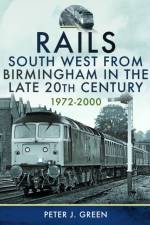
Towards the end of the twentieth century, take a photographic journey along the railway lines to the southwest and south of Birmingham. Starting at Birmingham's main stations, New Street and Snow Hill in the centre of the city, you can travel from the West Midlands through the urban, industrial, and rural landscapes of the counties of Gloucestershire, Herefordshire, Warwickshire and Worcestershire, visiting the branch lines and the various heritage railways and railway centres along the way. As well as the diesel locomotives and railcars that are illustrated in most of the photographs, various steam-hauled special trains are also included. While the railway has gradually improved as a means of transport, for the author it has become increasingly less interesting as it has been modernised. Fortunately, the spectacle of 'Peaks', Class 50s and many other locomotives going about their daily business has been well recorded, and many scenes are captured in these pages. Much railway infrastructure still remained at this time and many older railway stations and mechanical signal boxes, with their associated semaphore signalling, are also featured, adding to the interest of many of the photographs.
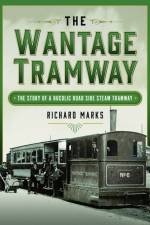
The Wantage Tramway, part tramway and part light railway, had many claims to fame. It was Britain's first tramway to use steam traction and had a fascinating and eclectic collection of locomotives and rolling stock throughout its short life which gave the company a look all of its own. The company's unique history created a legend which still endures to this day. The unique company had its origins in the nineteenth century when the Great Western Railway's route to Bristol bypassed Wantage and local people gathered together to form a company to build a link to the local main line. The company's relationship with its bigger neighbour was often friendly, sometimes stormy, but always close despite the tramway company's fierce independence. The company was an important addition to Wantage's transport network although not everyone agreed! This new history of the company, based upon primary research, explores how the company was formed, tells the stories of some of the people who worked for the tramway, and its working relationship with the Great Western Railway. The book looks at the tramway's eclectic rolling stock, its operations and the company's relationship with its customers, which was not always as good as it would have hoped. It also reveals for the first time the true reasons for its closure in 1946 and its relationship with the United States Army.
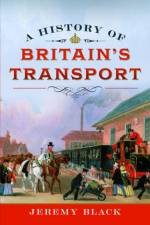
An accessible book to draw on popular interest in transport history, routes, vehicles and experiences. Transport history is social and industrial national history. Passengers and freight will be covered including all types of transport from walking and packhorses, that predominated for much of national history, both of which tend to be underrated, to changes brought by improvements to road transport from the Romans to medieval bridgebuilders and eighteenth-century turnpikes, and, in parallel, river, coastal and canal travel, again from the Romans to the eighteenth century. The story moves to the age of rail, motoring and lastly air. All forms overlap. as well as being sequential.
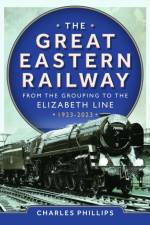
This book is the sequel to the author's two previous volumes on the history of the Great Eastern covering the Early Years from 1811 to 1862 and the Late 19th Century and early 20th Century from 1862 to 1924. This book cover the years 1923 to 2023 describes how the Great Eastern Section of the London and North Eastern Railway was transformed from being something of a backwater during the inter war years to being very much at the forefront of modernisation under British Railways. Within the book will be found how the Great Eastern Section coped with the threat of road competition during the inter war years, its involvement in the Second World War and how under British Railways it came to be seen the epitome of modernisation beginning with the arrival of the arrival of the Britannia Class locomotives in 1951 and culminating the complete elimination of steam power in the East of England at the end of 1963. The book describes the impact of the Beeching Report on the former Great Eastern. It chronicles the progress of the Section's through the electrification of its two main lines and the construction and opening of the Elizabeth Line. Preservation is also mentioned as are possible future developments. It is book for anyone who is interested in the history of the railways of the East of England, railways in general and the history of the East of England.
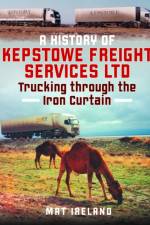
The long-haul overland run to the old Soviet Union, prior to Perestroika, Glasnost and the collapse of communism under Gorbachov back in the 1980s and 90s, has never really been documented in a book. Other than an occasional tale of the difficulties involved verbalised in pub conversations, and passed by word of mouth to those who might be interested enough to listen, it would never see the light of day. This tome is an excellent attempt by the author, Mat Ireland, to put that lack of the written word to rights. There have been a numerous books published about the 'Golden Era' of overland haulage to the Middle East. But while that particular adventure was taking place, there were other 'frontiers' being quietly breached and explored by hauliers pursuing a different market. This book is the story of just such a transport company, Kepstowe Freight. Sometimes known as the 'alternative Middle East', the overland routes into the old Soviet Union have never had their story recorded in print, yet they were just as gruelling on the driver and machine as any trips to the Arabian Peninsula or Iran. Whereas most people's perception of the Middle East is all sunshine and sand, the same people's perception of Russia is often all snow and freezing temperatures. Of course, neither picture is the total truth and the overbearing heat, arid climes and loneliness of the central Russian steppes could easily rival the desertification of Syria and Iraq. Kepstowe Freight was one of the British companies pioneering these early journeys behind the Iron Curtain into the 'dark, scary' world of Soviet Union communism. Featuring mostly previously unseen photographs, A History of Kepstowe Freight Services Ltd repeats drivers' recollections about their escapades and adventures into a land rarely visited by western society, and their attempts at dealing with the inherent corruption, horrendous roads and unpredictable weather along the way. It goes on to show how exponentially rapidly the country changed after its 1990 collapse, with the accompanying culture shock to the populace and especially to the transport system.
As with the previous two editions, Evolution of International Aviation reviews the historical development of the international aviation system. From this foundation it then provides an updated and expanded account of the current state of the aviation and aerospace industry including profitability, consolidation, and merger activity.
HOT ROD Mavericks recounts the legendary builders, racers, manufacturers, and customizers who made hot rods the quintessential American automobiles.
Abonner på vårt nyhetsbrev og få rabatter og inspirasjon til din neste leseopplevelse.
Ved å abonnere godtar du vår personvernerklæring.