










Gjør som tusenvis av andre bokelskere
Abonner på vårt nyhetsbrev og få rabatter og inspirasjon til din neste leseopplevelse.
Ved å abonnere godtar du vår personvernerklæring.Du kan når som helst melde deg av våre nyhetsbrev.

Available for the first time in paperback, this is a vivid and uncompromising portrait of road racing by the sport's number one photographer.
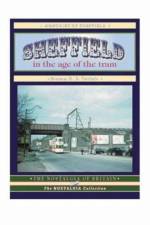
Features over 175 photographs that recall an era when an almost constant procession of trams clattered over the junction of Fitzalan Square, High Street, Commercial Street and Haymarket, and flanges squealed as cars to Walkley and Crookes rounded the curves on their way to the higher parts of the city, prior to the closure of the system in 1960.
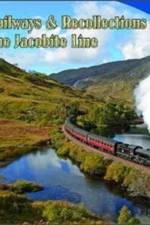
The 42 mile long line between Fort William and Mallaig is one of the greatest railway journeys in the world. As it weaves its way through the beauty of the West Highlands, skirting lochs, clinging to hillsides, crossing over rivers and glens, through cuttings and tunnels
Britain is a country in love with its railway past. Nowhere else do the workhorses of the age of steam exert such a pull; in no other country is the nostalgia for the days when the railways extended to every corner of the kingdom so strong. However, the history of station buildings and signal boxes, steam and diesel engines, goods and postal services, main lines and branch lines is only part of the story told here. As a cherished part of Britain's heritage, it is the impact of the railways on a human level that has truly captured our imagination. In more than 50 photographs, many of which are previously unpublished, Paul Atterbury reveals the people who ran, maintained and used them - the people for whom the railways were a way of life.
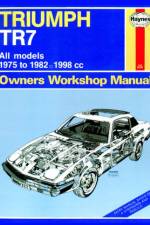
In the 1950s and 1960s, British sports car ruled the road, and their charge was led by Triumphs. From the TR2, its first modern sports car, Triumph went on to produce a host of classic sports designs such as the Spitfire, GT, and Stag, as well as more TR models, ending with the TR7 in the late 1970s. These represented the epitome of the contemporary classic British sports car. Fast, nimble, and gorgeous to behold, Triumphs offered the everyday motorist an exhilarating drive at a price that they could afford. Popular both in the UK and the US, the Triumph range helped define the entire genre, with sports cars today like the Mazda MX-5 having their roots in models like the Stag. Illustrated throughout and written by acclaimed motoring writer and historian Graham Robson, this book guides the reader through the history of this classic British marque from its heyday in the 1960s and 1970s through to its eventual demise in the 1980s.
'I remember how excited I was when I saw my first diesel. It was the talk of all the trainspotters at the junior school.'Author Mick Hymans' excitement soon turned to resentment as diesels replaced his beloved steam engines.
The definitive history of this famous Kent air fair
The author provides a broad view of the Southern Region and the steam engines employed in the last years before the diesel takeover. Bill Reed's superb colour photographs have made this possible.
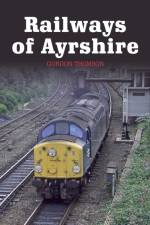
In the early 1800s, Ayrshire was already established as a prosperous, mainly rural agricultural county. The realization that there was abundant coal and (to a lesser extent) iron ore deposits to be exploited, together with the coming of the Industrial Revolution, rendered the area wide open to the 'railway mania' that swept Britain in the mid to late 1800s. The proximity of the county north to Glasgow and south to Carlisle (and thence south) made it an attractive proposition for early railway developers. Gordon Thomson explores the history and development of the railway routes in Ayrshire; how the coming of the railways changed the face of the area and supported the growth of industry. It looks at how services evolved through the eras of LMS, nationalization and privatization, and the preservation and heritage scene in Ayrshire.
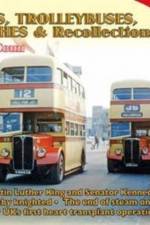
For the younger reader there are wonderful pictures of buses and coaches that they will never have seen. There will, for example, be half-cab single and double deckers the like of which are no longerin production. Some will be recognised from models and books, while others will be seen for the first time.
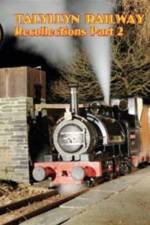
This is the 49th volume in the Recollectios series and the second title published by Silver Link to celebrate the Talyllyn Railway. As with all the titles in the recollections series this volume is aimed at the general market as much as the enthusiast - designed for easy reading and enjoyment rather than a 'rivet counting' approach!
Fugitives fleeing from slavery in Kentucky, Missouri, and points farther south traversed the entire state of Illinois while moving northward. But they were most likely to receive help from Underground railroad operators if they passed through western Illinois. This briefly discusses the Underground Railroad throughout the US and all of Illinois, but addresses at length the activities of Underground Railroad operators, both black and white, in western Illinois.
A handbook of international best practices on how cities throughout the world have improved their transportation options provided to their citizens. The 40 best practice case studies contained in this volume are from 33 states and provinces in 19 countries located on six continents - from all over the world.
There is a great parallel between the great ocean liners and the great skyscrapers-a fascinating comparison between these two categories of design, engineering and creative genius. Bill Miller here in 'Sailing and Soaring' tells the wonderful story in words and photographs of the liners and skyscrapers from 1906 to 2010.
"As cars became more sophisticated, the cost of supporting a team had skyrocketed. In an effort to increase purses paid by racing promoters and win lucrative TV contracts, a group of owners formed Championship Auto Racing Teams in 1978. This book details the fight over control of Champ Car racing before reunification in 2008"--
Eugene Burton Ely was buried the day after his 25th birthday, less than a half-mile from where he was born. Until 1911, the last year of his life, hardly anyone knew his name - a century later, nothing has changed. If he is known at all it's because he was the first to land an airplane on the deck of a ship. To some, he is the father of naval aviation - but many details of his life have been lost until now.
Abonner på vårt nyhetsbrev og få rabatter og inspirasjon til din neste leseopplevelse.
Ved å abonnere godtar du vår personvernerklæring.