



















Gjør som tusenvis av andre bokelskere
Abonner på vårt nyhetsbrev og få rabatter og inspirasjon til din neste leseopplevelse.
Ved å abonnere godtar du vår personvernerklæring.Du kan når som helst melde deg av våre nyhetsbrev.

Illustrated with more than 200 photographs, Abandoned Train Stations provides a fascinating pictorial journey through the little-known remnants of rail transport infrastructure from every part of the world, from grand terminus buildings to rusting tracks in the wilderness.
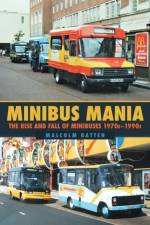
There have always been small buses used by bus companies for a variety of reasons, but in the 1970s a number of companies employed van-derived minibuses on experimental services such as Dial-a Ride schemes. These were small-scale operations. From around 1984 the majority of British bus companies started buying minibuses in bulk. They began replacing full-size vehicles and soon whole town local networks were being converted to their use. At first these continued to be on small, van-derived chassis - Ford, Freight-Rover and Mercedes-Benz - seating around sixteen passengers, but soon larger, purpose-built vehicles began to appear from companies sometimes unfamiliar to the British bus market. There were also attempts to produce 'midibuses' - larger than a minibus but smaller than a full-size bus. By the mid-1990s the boom had come to an end. Larger vehicles started to replace many of these minibuses. Although modern accessible minibuses are still produced and still have a role to play, it is a far cry from their heyday. This book looks back at the rise and fall of the minibus in British bus services.
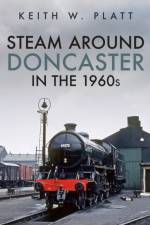
The 1960s saw the final hurrah of steam on the railways - the final period of steam-powered locomotives dominating the main line. This meant that a colourful array of traffic could be found across the length and breadth of Great Britain, and an army of enthusiasts both young and old dutifully recorded the nation's rail scene. Here, in the first of a new series of book celebrating the steam of 1960s Britain, Keith W. Platt looks back at the fascinating array of traffic that could be found around the railway town of Doncaster. Packed with previously unpublished images, this is a book that will delight anybody with memories of steam around Doncaster or an enthusiasm for the area's railways or history.
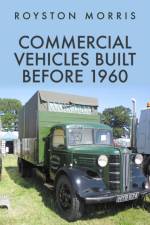
Between the 1930s and 1960s, during the peak of Britain's railways, road hauliers were in stiff competition to transport goods. The commercial vehicles used during this period varied from articulated lorries to vans, trucks, recovery vehicles and wreckers. With photographs featuring a range of vehicle types and manufacturers both popular and obscure, Royston Morris offers an interesting insight into a range of surviving commercial vehicles dating from before 1960.
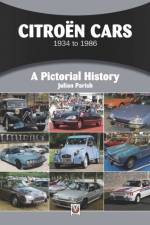
This handy reference book covers all Citroën’s key models from the 1930s to the 1980s, including the Traction Avant, 2CV and DS. Background information on the cars’ design, detailed technical specifications and production data are provided for each model.
Visitor attractions represent a complex sector of the tourism industry and are the catalytic focus for the development of tourism infrastructure and services. The third edition of this successful text investigates these issues further and provides more solutions and suggestions for the present and future.
Visitor attractions represent a complex sector of the tourism industry and are the catalytic focus for the development of tourism infrastructure and services. The third edition of this successful text investigates these issues further and provides more solutions and suggestions for the present and future.
Once upon a time it was easy to tell one make of car from another. The shape of the grille or a distinctive badge was all that was required to tell the onlooker what they were looking at. Sadly those days are behind us, but the rich history of those identifying features lives on for those with an inquisitive mind. Some marques, such as Aston Martin, only ever had one badge, while others went through a range of insignia over the years. Some badges, such as Ferrari, were inspired by local heraldic devices, while others were based on flags. The names of these companies have equally fascinating stories. Some, like Ford, were derived from the names of their founders, while local history played a role in the naming of companies such as Lada. This book tells the stories of many of these names and badges, detailing their origins and development and accompanied by a range of interesting illustrations.
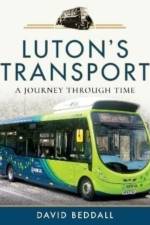
Located in the Chiltern Hills, Luton has a rich transport history, being home to London Luton Airport and Vauxhall Motors.
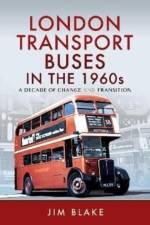
Just as life in Britain generally changed dramatically during the 1960s, so did London Transport's buses and their operations.
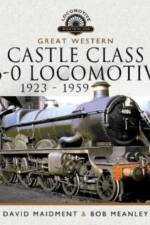
The Great Western Castles were one of the most successful locomotive designs of the twentieth century in terms of both performance and efficiency.
Focusing on issues related to privatization and harmonization of national legislation, the contributors address the countries' struggle with inadequate management structures and the challenges posed in running shipping, ports and railways in a region fragmented into numerous nations and states.
Fascinating previously unpublished images of railways built by British companies with British locomotives, rolling stock and other infrastructure. This volume focuses on the Indian Subcontinent.
Rare and previously unpublished images documenting the interesting and varied local bus scene in Sheffield.
With previously unpublished photographs documenting merry-go-round coal trains on Britain's railways.
Stunning photographs capturing diesels at work across six continents, from the mid-1970s to present day.
Terrific previously unpublished photos telling the story of Bury Corporation Transport buses prior to being absorbed into SELNEC.
Abonner på vårt nyhetsbrev og få rabatter og inspirasjon til din neste leseopplevelse.
Ved å abonnere godtar du vår personvernerklæring.