













Gjør som tusenvis av andre bokelskere
Abonner på vårt nyhetsbrev og få rabatter og inspirasjon til din neste leseopplevelse.
Ved å abonnere godtar du vår personvernerklæring.Du kan når som helst melde deg av våre nyhetsbrev.

Play out your own 70s-Inspired Slasher Movie in this STAND ALONE edition of Noah Patterson's Micro RPG. Mangrove, Illinois. Once known as "The Happiest Little American Town." Not anymore. This tiny hamlet has been overshadowed by a dark and gruesome past. The mayor, hoping to boost tourism and encourage "good upstanding American citizens" to move to Mangrove, has worked hard to bury this town's secrets. If it were up to him, the name Mady Myers would be wiped from the minds of every stupid little child who whispers it, and every jackass teenager who dares to sneak into the old abandoned hospital wing where the tragedy happened. However, Mady isn't ready to let it go . . . and Mady just wants to come home for Halloween. Can YOU survive Halloween Night as a nurse on staff at Mangrove Memorial Hospital? All you need to play this game is this book, a pencil, and 3 six-sided dice.
¿SabÃas que...?✅ La lombriz de tierra es responsable de muchos de los procesos que ayudan a que nuestro suelo sea lo suficientemente bueno como para cultivar plantas sanas y proporcionarnos alimentos de calidad.✅ Las lombrices ayudan a aumentar la cantidad de aire y agua que penetra al suelo.✅ Cuando comen, dejan atrás excrementos que son un tipo muy valioso de fertilizante.✅ Descomponen la materia orgánica, como restos de verduras, peladuras de fruta, hojas y pasto, convirtiéndolos en abono orgánico que las plantas pueden usar para su propio beneficio.✅ Las lombrices de tierra son una inestimable ayuda agrÃcola gratuita. Ayudan a "voltear" el suelo, depositando la materia orgánica desde arriba y mezclándola con el suelo debajo. Un valioso manual creado por verdaderos expertos en Lombricultura y Vermicompostaje. Este libro te desvela todos los secretos del compostaje con lombrices para que tú mismo puedas llevar a cabo esta emocionante actividad de forma exitosa. Con la ayuda de las lombrices, podrás cultivar un huerto orgánico extremadamente productivo. Si lo tuyo es cultivar huertos o jardines exuberantes sin gastar dinero en fertilizantes, este libro te aportará todos los conocimientos necesarios para tener un "jardÃn de 10". Una completa guÃa que aborda todos los pasos a seguir para compostar con lombrices y obtener a cambio humus de lombriz de excelente calidad.
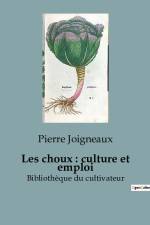
Pour les botanistes, le genre Chou (B rassica) ne comprend pas seulement les espèces et variétés fourragères et potagères que nous cultivons dans nos champs et nos jardins sous le nom de Choux; à leurs yeux, le colza, la navette la moutarde noire le navets dont autant d¿ espèces, distinctes de ce genre. Nous n'entendons pas, on le pense bien, critiquer cette classification, mais nous avons le regret de ne pouvoir l'adopter.
This EASY-to-understand book is ideal for all people who are new to Fruit therapy. It's based on the use of fruits as medicine, thanks to its richness in medicinal and nutritional substances. Did you know that if we increased its consumption 1.7 million lives could be saved per year?
In our modern world, supermarkets and grocery stores offer an abundance of vegetables, neatly arranged in colorful displays.Shoppers have access to a vast array of options, from leafy greens to vibrant bell peppers, without giving much thought to where or how these vegetables were grown. The convenience of purchasing vegetables at the local store often overshadows the question of their origin, the conditions under which they were cultivated, and the use of chemical additives to maintain their freshness.The reality is that most vegetables available in stores today are products of industrial-scale agriculture. They are typically grown in large monoculture fields, where the focus is on maximizing yield and profit. While this approach may provide an abundance of vegetables, it often comes at a cost to the environment and the quality of the produce.One of the major concerns in industrial agriculture is the extensive use of chemical fertilizers and pesticides. These chemicals are applied to enhance crop growth, control pests, and increase shelf life. While they may yield visually appealing vegetables that remain fresh for an extended period, they can have adverse effects on both the environment and human health. Runoff from these chemicals can pollute waterways, harm wildlife, and disrupt ecosystems. Moreover, residual pesticides on vegetables can be harmful when consumed, contributing to concerns about food safety.In contrast to mass-produced vegetables, there's a growing movement towards cultivating produce at home. Home gardening allows individuals to take control of their food supply, ensuring that the vegetables they consume are free from harmful chemicals. Here are some reasons why growing your vegetables at home can be a preferable alternative: Quality Assurance: When you grow your vegetables, you have full control over the growing conditions. You can choose organic methods and avoid the use of harmful chemicals, resulting in healthier, more nutrient-rich produce.Taste and Freshness: Homegrown vegetables often have superior flavor and freshness compared to store-bought counterparts. They can be picked at the peak of ripeness, retaining their full taste and nutritional value.Environmental Benefits: Home gardening reduces the carbon footprint associated with transporting vegetables from distant farms to stores. It also promotes biodiversity and can contribute to local ecosystem health.Educational Value: Gardening provides an opportunity to connect with nature, learn about plant biology, and develop valuable skills. It's an excellent way to teach children about food sources and sustainability.Cost Savings: While there may be initial setup costs for gardening equipment and seeds, homegrown vegetables can ultimately save you money on grocery bills.Peace of Mind: Knowing exactly where your food comes from and how it's grown can provide a sense of security and satisfaction that store-bought produce often lacks.In conclusion, while the convenience of purchasing vegetables at stores is undeniable, there are significant advantages to growing your own produce at home. By doing so, you can ensure that your vegetables are natural, free from harmful chemicals, and grown under conditions that align with your values. Whether you have a small balcony, a backyard garden, or even just some windowsill space, home gardening can be a rewarding and environmentally responsible choice. It's a step towards a more sustainable and healthy way of nourishing yourself and your family.Therefore, I recommend that you choose this path, which will improve your health and give you a new hobby.
In our modern world, supermarkets and grocery stores offer an abundance of vegetables, neatly arranged in colorful displays.Shoppers have access to a vast array of options, from leafy greens to vibrant bell peppers, without giving much thought to where or how these vegetables were grown. The convenience of purchasing vegetables at the local store often overshadows the question of their origin, the conditions under which they were cultivated, and the use of chemical additives to maintain their freshness.The reality is that most vegetables available in stores today are products of industrial-scale agriculture. They are typically grown in large monoculture fields, where the focus is on maximizing yield and profit. While this approach may provide an abundance of vegetables, it often comes at a cost to the environment and the quality of the produce.One of the major concerns in industrial agriculture is the extensive use of chemical fertilizers and pesticides. These chemicals are applied to enhance crop growth, control pests, and increase shelf life. While they may yield visually appealing vegetables that remain fresh for an extended period, they can have adverse effects on both the environment and human health. Runoff from these chemicals can pollute waterways, harm wildlife, and disrupt ecosystems. Moreover, residual pesticides on vegetables can be harmful when consumed, contributing to concerns about food safety.In contrast to mass-produced vegetables, there's a growing movement towards cultivating produce at home. Home gardening allows individuals to take control of their food supply, ensuring that the vegetables they consume are free from harmful chemicals. Here are some reasons why growing your vegetables at home can be a preferable alternative: Quality Assurance: When you grow your vegetables, you have full control over the growing conditions. You can choose organic methods and avoid the use of harmful chemicals, resulting in healthier, more nutrient-rich produce.Taste and Freshness: Homegrown vegetables often have superior flavor and freshness compared to store-bought counterparts. They can be picked at the peak of ripeness, retaining their full taste and nutritional value.Environmental Benefits: Home gardening reduces the carbon footprint associated with transporting vegetables from distant farms to stores. It also promotes biodiversity and can contribute to local ecosystem health.Educational Value: Gardening provides an opportunity to connect with nature, learn about plant biology, and develop valuable skills. It's an excellent way to teach children about food sources and sustainability.Cost Savings: While there may be initial setup costs for gardening equipment and seeds, homegrown vegetables can ultimately save you money on grocery bills.Peace of Mind: Knowing exactly where your food comes from and how it's grown can provide a sense of security and satisfaction that store-bought produce often lacks.In conclusion, while the convenience of purchasing vegetables at stores is undeniable, there are significant advantages to growing your own produce at home. By doing so, you can ensure that your vegetables are natural, free from harmful chemicals, and grown under conditions that align with your values. Whether you have a small balcony, a backyard garden, or even just some windowsill space, home gardening can be a rewarding and environmentally responsible choice. It's a step towards a more sustainable and healthy way of nourishing yourself and your family.Therefore, I recommend that you choose this path, which will improve your health and give you a new hobby.
In our modern world, supermarkets and grocery stores offer an abundance of vegetables, neatly arranged in colorful displays.Shoppers have access to a vast array of options, from leafy greens to vibrant bell peppers, without giving much thought to where or how these vegetables were grown. The convenience of purchasing vegetables at the local store often overshadows the question of their origin, the conditions under which they were cultivated, and the use of chemical additives to maintain their freshness.The reality is that most vegetables available in stores today are products of industrial-scale agriculture. They are typically grown in large monoculture fields, where the focus is on maximizing yield and profit. While this approach may provide an abundance of vegetables, it often comes at a cost to the environment and the quality of the produce.One of the major concerns in industrial agriculture is the extensive use of chemical fertilizers and pesticides. These chemicals are applied to enhance crop growth, control pests, and increase shelf life. While they may yield visually appealing vegetables that remain fresh for an extended period, they can have adverse effects on both the environment and human health. Runoff from these chemicals can pollute waterways, harm wildlife, and disrupt ecosystems. Moreover, residual pesticides on vegetables can be harmful when consumed, contributing to concerns about food safety.In contrast to mass-produced vegetables, there's a growing movement towards cultivating produce at home. Home gardening allows individuals to take control of their food supply, ensuring that the vegetables they consume are free from harmful chemicals. Here are some reasons why growing your vegetables at home can be a preferable alternative: Quality Assurance: When you grow your vegetables, you have full control over the growing conditions. You can choose organic methods and avoid the use of harmful chemicals, resulting in healthier, more nutrient-rich produce.Taste and Freshness: Homegrown vegetables often have superior flavor and freshness compared to store-bought counterparts. They can be picked at the peak of ripeness, retaining their full taste and nutritional value.Environmental Benefits: Home gardening reduces the carbon footprint associated with transporting vegetables from distant farms to stores. It also promotes biodiversity and can contribute to local ecosystem health.Educational Value: Gardening provides an opportunity to connect with nature, learn about plant biology, and develop valuable skills. It's an excellent way to teach children about food sources and sustainability.Cost Savings: While there may be initial setup costs for gardening equipment and seeds, homegrown vegetables can ultimately save you money on grocery bills.Peace of Mind: Knowing exactly where your food comes from and how it's grown can provide a sense of security and satisfaction that store-bought produce often lacks.In conclusion, while the convenience of purchasing vegetables at stores is undeniable, there are significant advantages to growing your own produce at home. By doing so, you can ensure that your vegetables are natural, free from harmful chemicals, and grown under conditions that align with your values. Whether you have a small balcony, a backyard garden, or even just some windowsill space, home gardening can be a rewarding and environmentally responsible choice. It's a step towards a more sustainable and healthy way of nourishing yourself and your family.Therefore, I recommend that you choose this path, which will improve your health and give you a new hobby.
Bienvenue dans le monde passionnant des plantes carnivores, découvrez toutes leurs caractéristiques, leurs différentes manières de chasser, le mode de culture le plus adapté à chacune d'elles (lumière, substrat recommandé, humidité environnementale, qui sont les plus faciles et les plus difficiles à cultiver). ...; en plus de nombreuses curiosités sur ces grandes inconnues et leurs secrets les plus cachés.Toutes les plantes carnivores que vous pouvez trouver sur le marché sont ici, une par une, dans des fiches techniques faciles à consulter. Un guide abondamment illustré et détaillé. Autres ouvrages de l'auteur: -PLANTES ROCHEUSES OU PIERRES VIVANTES, GUIDE D'ENTRETIEN.-POINSETTIA, CACTUS DE NOÃL, GUIDE DE SOINS COMPLET.
In our modern world, supermarkets and grocery stores offer an abundance of vegetables, neatly arranged in colorful displays.Shoppers have access to a vast array of options, from leafy greens to vibrant bell peppers, without giving much thought to where or how these vegetables were grown. The convenience of purchasing vegetables at the local store often overshadows the question of their origin, the conditions under which they were cultivated, and the use of chemical additives to maintain their freshness.The reality is that most vegetables available in stores today are products of industrial-scale agriculture. They are typically grown in large monoculture fields, where the focus is on maximizing yield and profit. While this approach may provide an abundance of vegetables, it often comes at a cost to the environment and the quality of the produce.One of the major concerns in industrial agriculture is the extensive use of chemical fertilizers and pesticides. These chemicals are applied to enhance crop growth, control pests, and increase shelf life. While they may yield visually appealing vegetables that remain fresh for an extended period, they can have adverse effects on both the environment and human health. Runoff from these chemicals can pollute waterways, harm wildlife, and disrupt ecosystems. Moreover, residual pesticides on vegetables can be harmful when consumed, contributing to concerns about food safety.In contrast to mass-produced vegetables, there's a growing movement towards cultivating produce at home. Home gardening allows individuals to take control of their food supply, ensuring that the vegetables they consume are free from harmful chemicals. Here are some reasons why growing your vegetables at home can be a preferable alternative: Quality Assurance: When you grow your vegetables, you have full control over the growing conditions. You can choose organic methods and avoid the use of harmful chemicals, resulting in healthier, more nutrient-rich produce.Taste and Freshness: Homegrown vegetables often have superior flavor and freshness compared to store-bought counterparts. They can be picked at the peak of ripeness, retaining their full taste and nutritional value.Environmental Benefits: Home gardening reduces the carbon footprint associated with transporting vegetables from distant farms to stores. It also promotes biodiversity and can contribute to local ecosystem health.Educational Value: Gardening provides an opportunity to connect with nature, learn about plant biology, and develop valuable skills. It's an excellent way to teach children about food sources and sustainability.Cost Savings: While there may be initial setup costs for gardening equipment and seeds, homegrown vegetables can ultimately save you money on grocery bills.Peace of Mind: Knowing exactly where your food comes from and how it's grown can provide a sense of security and satisfaction that store-bought produce often lacks.In conclusion, while the convenience of purchasing vegetables at stores is undeniable, there are significant advantages to growing your own produce at home. By doing so, you can ensure that your vegetables are natural, free from harmful chemicals, and grown under conditions that align with your values. Whether you have a small balcony, a backyard garden, or even just some windowsill space, home gardening can be a rewarding and environmentally responsible choice. It's a step towards a more sustainable and healthy way of nourishing yourself and your family.Therefore, I recommend that you choose this path, which will improve your health and give you a new hobby.
In our modern world, supermarkets and grocery stores offer an abundance of vegetables, neatly arranged in colorful displays.Shoppers have access to a vast array of options, from leafy greens to vibrant bell peppers, without giving much thought to where or how these vegetables were grown. The convenience of purchasing vegetables at the local store often overshadows the question of their origin, the conditions under which they were cultivated, and the use of chemical additives to maintain their freshness.The reality is that most vegetables available in stores today are products of industrial-scale agriculture. They are typically grown in large monoculture fields, where the focus is on maximizing yield and profit. While this approach may provide an abundance of vegetables, it often comes at a cost to the environment and the quality of the produce.One of the major concerns in industrial agriculture is the extensive use of chemical fertilizers and pesticides. These chemicals are applied to enhance crop growth, control pests, and increase shelf life. While they may yield visually appealing vegetables that remain fresh for an extended period, they can have adverse effects on both the environment and human health. Runoff from these chemicals can pollute waterways, harm wildlife, and disrupt ecosystems. Moreover, residual pesticides on vegetables can be harmful when consumed, contributing to concerns about food safety.In contrast to mass-produced vegetables, there's a growing movement towards cultivating produce at home. Home gardening allows individuals to take control of their food supply, ensuring that the vegetables they consume are free from harmful chemicals. Here are some reasons why growing your vegetables at home can be a preferable alternative: Quality Assurance: When you grow your vegetables, you have full control over the growing conditions. You can choose organic methods and avoid the use of harmful chemicals, resulting in healthier, more nutrient-rich produce.Taste and Freshness: Homegrown vegetables often have superior flavor and freshness compared to store-bought counterparts. They can be picked at the peak of ripeness, retaining their full taste and nutritional value.Environmental Benefits: Home gardening reduces the carbon footprint associated with transporting vegetables from distant farms to stores. It also promotes biodiversity and can contribute to local ecosystem health.Educational Value: Gardening provides an opportunity to connect with nature, learn about plant biology, and develop valuable skills. It's an excellent way to teach children about food sources and sustainability.Cost Savings: While there may be initial setup costs for gardening equipment and seeds, homegrown vegetables can ultimately save you money on grocery bills.Peace of Mind: Knowing exactly where your food comes from and how it's grown can provide a sense of security and satisfaction that store-bought produce often lacks.In conclusion, while the convenience of purchasing vegetables at stores is undeniable, there are significant advantages to growing your own produce at home. By doing so, you can ensure that your vegetables are natural, free from harmful chemicals, and grown under conditions that align with your values. Whether you have a small balcony, a backyard garden, or even just some windowsill space, home gardening can be a rewarding and environmentally responsible choice. It's a step towards a more sustainable and healthy way of nourishing yourself and your family.Therefore, I recommend that you choose this path, which will improve your health and give you a new hobby.
In "Quasi-Crunchy 101: Guide to Making Tinctures," you'll embark on a journey into the world of herbal wellness. Discover the art and science of crafting your very own herbal tinctures-a time-honored practice that harnesses the potent healing properties of nature.This comprehensive guide takes you by the hand and leads you through the entire tincture-making process, from selecting the right herbs to creating personalized solutions for your well-being. You'll explore a wide range of herbal remedies, each offering unique benefits, whether you seek relief from stress, pain, colds, or simply aim to boost your overall health.What Awaits You Inside: Understanding Tinctures: Learn the basics of tinctures, their history, and why they're making a resurgence in holistic wellness.Choosing the Right Herbs: Dive into the world of herbs, whether dried or fresh, and discover how to select the perfect ones for your needs.Tincture-Making Essentials: Get a detailed list of supplies and step-by-step instructions to create tinctures effortlessly.Solvent Selection: Explore your options for solvents, including alcohol alternatives, to ensure your tinctures suit your preferences.Storing and Using Tinctures: Discover the best practices for storage and dosage, ensuring your herbal creations remain effective and potent.Simple Measurements: A quick reference guide for precise dosing.This eBook is your comprehensive and accessible companion on your journey to becoming a tincture-making enthusiast. Whether you're a novice or seasoned herbalist, the author provides invaluable insights and practical knowledge to empower you in taking charge of your well-being naturally.Unleash the potential of herbal remedies and embrace the ancient wisdom of tincture-making. Your path to vibrant health and holistic wellness starts here.
40 Detailed IllustrationsElven Realms Coloring BookGreat for Gifts or just for funSuitable for all agesHours of enjoyment
Amidst clamoring cityscapes, where substantial wildernesses appear to extend unendingly, a quiet transformation is flourishing. "Developing Reasonable Metropolitan Nurseries" is your identification to this extraordinary excursion, where you'll find how to turn pockets of metropolitan space into flourishing, green desert gardens.This book is an exhaustive aide that unwinds the craft of supportable metropolitan planting, fundamental expertise for current city tenants looking to reconnect with nature, lessen their ecological impression, and embrace a more independent way of life. From overhangs and roofs to local area plots and vertical homesteads, we investigate how to capitalize on restricted space, changing it into an energetic nursery loaded with life and overflow.
Introducing Vibrant Veggies and Fruity Fun A Coloring Book for Kids and Toddlers: Embark on an exciting colouring journey with Vibrant Veggies and Fruity Fun, an enchanting colouring book designed especially for children and adults. With a delightful collection of over 50 cute vegetables and fruits, this book invites young artists to explore their creativity and engage in hours of colouring enjoyment. Makes a great Vegetable coloring book learning activity for kids!
Are you tired of wishing for a lush, green garden in your limited space? Do you yearn for fresh herbs or vibrant flowers but think it's impossible in your small apartment or backyard? "Simple Steps to Container Gardening" is the solution you've been waiting for.In this book, you'll find answers to your gardening dilemmas: 1. **Limited Space: ** Are you dealing with a confined balcony or a tiny patio? Discover how to turn any nook or cranny into a thriving garden.2. **No Green Thumb: ** Unsure about what plants to choose or how to care for them? This book guides you through selecting the right plants and provides expert tips for their care.3. **Soil Confusion: ** If soil quality is a mystery to you, fear not. We'll unravel the secrets of mixing the perfect soil blend for your containers.Here are five compelling reasons why "Simple Steps to Container Gardening" is your ultimate gardening companion: 1. **Comprehensive Guidance: ** Our book covers everything from choosing the right container to harvest time. No gardening aspect is left unexplored.2. **Beginner-Friendly: ** Even if you've never gardened before, our step-by-step instructions make it easy for beginners to create stunning container gardens.3. **Plant Profiles: ** Learn about the best plants for containers, from herbs and vegetables to colorful flowers. We'll help you make informed choices.4. **Expert Advice: ** Benefit from the knowledge of experienced gardeners who share their tried-and-true tips throughout the book.5. **Inspiration: ** Unleash your creativity with beautiful container gardening ideas and designs. Your garden will be a visual masterpiece.Here's a sneak peek of what you can expect: - **What Plant to Plant: ** Discover the perfect plants for your space and personal preferences.- **Choose Your Container: ** Learn how to pick containers that suit your style and your plants' needs.- **Mixing Your Soil: ** Master the art of creating the ideal soil mix for your containers.- **Choosing the Correct Plants: ** Dive into the world of plant varieties and their specific container requirements.- **Harvest: ** Enjoy the fruits of your labor and savor the delicious produce you've grown yourself.When you purchase "Simple Steps to Container Gardening," expect to unleash your inner gardener, transform your small space, and experience the joy of nurturing life. Say goodbye to gardening frustration and hello to a thriving oasis of greenery.Don't wait any longer; start your container gardening journey today. Buy the book and watch your garden flourish beyond your wildest dreams!
In our modern world, supermarkets and grocery stores offer an abundance of vegetables, neatly arranged in colorful displays.Shoppers have access to a vast array of options, from leafy greens to vibrant bell peppers, without giving much thought to where or how these vegetables were grown. The convenience of purchasing vegetables at the local store often overshadows the question of their origin, the conditions under which they were cultivated, and the use of chemical additives to maintain their freshness.The reality is that most vegetables available in stores today are products of industrial-scale agriculture. They are typically grown in large monoculture fields, where the focus is on maximizing yield and profit. While this approach may provide an abundance of vegetables, it often comes at a cost to the environment and the quality of the produce.One of the major concerns in industrial agriculture is the extensive use of chemical fertilizers and pesticides. These chemicals are applied to enhance crop growth, control pests, and increase shelf life. While they may yield visually appealing vegetables that remain fresh for an extended period, they can have adverse effects on both the environment and human health. Runoff from these chemicals can pollute waterways, harm wildlife, and disrupt ecosystems. Moreover, residual pesticides on vegetables can be harmful when consumed, contributing to concerns about food safety.In contrast to mass-produced vegetables, there's a growing movement towards cultivating produce at home. Home gardening allows individuals to take control of their food supply, ensuring that the vegetables they consume are free from harmful chemicals. Here are some reasons why growing your vegetables at home can be a preferable alternative: Quality Assurance: When you grow your vegetables, you have full control over the growing conditions. You can choose organic methods and avoid the use of harmful chemicals, resulting in healthier, more nutrient-rich produce.Taste and Freshness: Homegrown vegetables often have superior flavor and freshness compared to store-bought counterparts. They can be picked at the peak of ripeness, retaining their full taste and nutritional value.Environmental Benefits: Home gardening reduces the carbon footprint associated with transporting vegetables from distant farms to stores. It also promotes biodiversity and can contribute to local ecosystem health.Educational Value: Gardening provides an opportunity to connect with nature, learn about plant biology, and develop valuable skills. It's an excellent way to teach children about food sources and sustainability.Cost Savings: While there may be initial setup costs for gardening equipment and seeds, homegrown vegetables can ultimately save you money on grocery bills.Peace of Mind: Knowing exactly where your food comes from and how it's grown can provide a sense of security and satisfaction that store-bought produce often lacks.In conclusion, while the convenience of purchasing vegetables at stores is undeniable, there are significant advantages to growing your own produce at home. By doing so, you can ensure that your vegetables are natural, free from harmful chemicals, and grown under conditions that align with your values. Whether you have a small balcony, a backyard garden, or even just some windowsill space, home gardening can be a rewarding and environmentally responsible choice. It's a step towards a more sustainable and healthy way of nourishing yourself and your family.Therefore, I recommend that you choose this path, which will improve your health and give you a new hobby.
In our modern world, supermarkets and grocery stores offer an abundance of vegetables, neatly arranged in colorful displays.Shoppers have access to a vast array of options, from leafy greens to vibrant bell peppers, without giving much thought to where or how these vegetables were grown. The convenience of purchasing vegetables at the local store often overshadows the question of their origin, the conditions under which they were cultivated, and the use of chemical additives to maintain their freshness.The reality is that most vegetables available in stores today are products of industrial-scale agriculture. They are typically grown in large monoculture fields, where the focus is on maximizing yield and profit. While this approach may provide an abundance of vegetables, it often comes at a cost to the environment and the quality of the produce.One of the major concerns in industrial agriculture is the extensive use of chemical fertilizers and pesticides. These chemicals are applied to enhance crop growth, control pests, and increase shelf life. While they may yield visually appealing vegetables that remain fresh for an extended period, they can have adverse effects on both the environment and human health. Runoff from these chemicals can pollute waterways, harm wildlife, and disrupt ecosystems. Moreover, residual pesticides on vegetables can be harmful when consumed, contributing to concerns about food safety.In contrast to mass-produced vegetables, there's a growing movement towards cultivating produce at home. Home gardening allows individuals to take control of their food supply, ensuring that the vegetables they consume are free from harmful chemicals. Here are some reasons why growing your vegetables at home can be a preferable alternative: Quality Assurance: When you grow your vegetables, you have full control over the growing conditions. You can choose organic methods and avoid the use of harmful chemicals, resulting in healthier, more nutrient-rich produce.Taste and Freshness: Homegrown vegetables often have superior flavor and freshness compared to store-bought counterparts. They can be picked at the peak of ripeness, retaining their full taste and nutritional value.Environmental Benefits: Home gardening reduces the carbon footprint associated with transporting vegetables from distant farms to stores. It also promotes biodiversity and can contribute to local ecosystem health.Educational Value: Gardening provides an opportunity to connect with nature, learn about plant biology, and develop valuable skills. It's an excellent way to teach children about food sources and sustainability.Cost Savings: While there may be initial setup costs for gardening equipment and seeds, homegrown vegetables can ultimately save you money on grocery bills.Peace of Mind: Knowing exactly where your food comes from and how it's grown can provide a sense of security and satisfaction that store-bought produce often lacks.In conclusion, while the convenience of purchasing vegetables at stores is undeniable, there are significant advantages to growing your own produce at home. By doing so, you can ensure that your vegetables are natural, free from harmful chemicals, and grown under conditions that align with your values. Whether you have a small balcony, a backyard garden, or even just some windowsill space, home gardening can be a rewarding and environmentally responsible choice. It's a step towards a more sustainable and healthy way of nourishing yourself and your family.Therefore, I recommend that you choose this path, which will improve your health and give you a new hobby.
Sueñas con tener un huerto exuberante y productivo durante todo el año, pero no sabes por dónde empezar ni qué plantar en cada momento. ¡No busques más! Esta guÃa está especialmente diseñada para los amantes de la jardinerÃa que desean crear y mantener su huerto mes a mes.Un calendario cuidadosamente elaborado para cada mes: Descubrirás un calendario detallado para cada mes, resaltando las siembras esenciales para garantizar un crecimiento óptimo de tus verduras y frutas. ¡De enero a diciembre, no te pierdas ninguna oportunidad de hacer prosperar tu jardÃn!Consejos expertos e inteligentes: Aprende a preparar tus suelos, hacer siembras en interiores, proteger tus cultivos contra las heladas y mucho más. Nuestros consejos de expertos te guiarán en cada paso, para evitar errores comunes y maximizar tus posibilidades de éxito.Cosechas deliciosas: ¡RegocÃjate al cosechar verduras frescas y deliciosas durante todo el año! Descubre las mejores variedades para cultivar en cada estación y disfruta de tu merecida cosecha.Un huerto ecológico y sostenible: Opta por un enfoque respetuoso con el medio ambiente gracias a nuestros consejos sobre compostaje, manejo de las malas hierbas y otras técnicas ecológicas para un huerto sostenible.Prepárate para convertirte en un jardinero experimentado: Ya seas principiante o desees mejorar tus habilidades en jardinerÃa, esta guÃa práctica te acompañará a lo largo de tu aventura. ¡Asà podrás planificar, plantar y cosechar con confianza!No esperes más para crear un huerto gratificante, ¡ordena esta guÃa esencial ahora mismo y embarcate en una aventura enriquecedora con tu jardÃn! ¡Siembra, cosecha, disfruta y celebra la magia de tu huerto durante todo el año!
In our modern world, supermarkets and grocery stores offer an abundance of vegetables, neatly arranged in colorful displays.Shoppers have access to a vast array of options, from leafy greens to vibrant bell peppers, without giving much thought to where or how these vegetables were grown. The convenience of purchasing vegetables at the local store often overshadows the question of their origin, the conditions under which they were cultivated, and the use of chemical additives to maintain their freshness.The reality is that most vegetables available in stores today are products of industrial-scale agriculture. They are typically grown in large monoculture fields, where the focus is on maximizing yield and profit. While this approach may provide an abundance of vegetables, it often comes at a cost to the environment and the quality of the produce.One of the major concerns in industrial agriculture is the extensive use of chemical fertilizers and pesticides. These chemicals are applied to enhance crop growth, control pests, and increase shelf life. While they may yield visually appealing vegetables that remain fresh for an extended period, they can have adverse effects on both the environment and human health. Runoff from these chemicals can pollute waterways, harm wildlife, and disrupt ecosystems. Moreover, residual pesticides on vegetables can be harmful when consumed, contributing to concerns about food safety.In contrast to mass-produced vegetables, there's a growing movement towards cultivating produce at home. Home gardening allows individuals to take control of their food supply, ensuring that the vegetables they consume are free from harmful chemicals. Here are some reasons why growing your vegetables at home can be a preferable alternative: Quality Assurance: When you grow your vegetables, you have full control over the growing conditions. You can choose organic methods and avoid the use of harmful chemicals, resulting in healthier, more nutrient-rich produce.Taste and Freshness: Homegrown vegetables often have superior flavor and freshness compared to store-bought counterparts. They can be picked at the peak of ripeness, retaining their full taste and nutritional value.Environmental Benefits: Home gardening reduces the carbon footprint associated with transporting vegetables from distant farms to stores. It also promotes biodiversity and can contribute to local ecosystem health.Educational Value: Gardening provides an opportunity to connect with nature, learn about plant biology, and develop valuable skills. It's an excellent way to teach children about food sources and sustainability.Cost Savings: While there may be initial setup costs for gardening equipment and seeds, homegrown vegetables can ultimately save you money on grocery bills.Peace of Mind: Knowing exactly where your food comes from and how it's grown can provide a sense of security and satisfaction that store-bought produce often lacks.In conclusion, while the convenience of purchasing vegetables at stores is undeniable, there are significant advantages to growing your own produce at home. By doing so, you can ensure that your vegetables are natural, free from harmful chemicals, and grown under conditions that align with your values. Whether you have a small balcony, a backyard garden, or even just some windowsill space, home gardening can be a rewarding and environmentally responsible choice. It's a step towards a more sustainable and healthy way of nourishing yourself and your family.Therefore, I recommend that you choose this path, which will improve your health and give you a new hobby.
In our modern world, supermarkets and grocery stores offer an abundance of vegetables, neatly arranged in colorful displays.Shoppers have access to a vast array of options, from leafy greens to vibrant bell peppers, without giving much thought to where or how these vegetables were grown. The convenience of purchasing vegetables at the local store often overshadows the question of their origin, the conditions under which they were cultivated, and the use of chemical additives to maintain their freshness.The reality is that most vegetables available in stores today are products of industrial-scale agriculture. They are typically grown in large monoculture fields, where the focus is on maximizing yield and profit. While this approach may provide an abundance of vegetables, it often comes at a cost to the environment and the quality of the produce.One of the major concerns in industrial agriculture is the extensive use of chemical fertilizers and pesticides. These chemicals are applied to enhance crop growth, control pests, and increase shelf life. While they may yield visually appealing vegetables that remain fresh for an extended period, they can have adverse effects on both the environment and human health. Runoff from these chemicals can pollute waterways, harm wildlife, and disrupt ecosystems. Moreover, residual pesticides on vegetables can be harmful when consumed, contributing to concerns about food safety.In contrast to mass-produced vegetables, there's a growing movement towards cultivating produce at home. Home gardening allows individuals to take control of their food supply, ensuring that the vegetables they consume are free from harmful chemicals. Here are some reasons why growing your vegetables at home can be a preferable alternative: Quality Assurance: When you grow your vegetables, you have full control over the growing conditions. You can choose organic methods and avoid the use of harmful chemicals, resulting in healthier, more nutrient-rich produce.Taste and Freshness: Homegrown vegetables often have superior flavor and freshness compared to store-bought counterparts. They can be picked at the peak of ripeness, retaining their full taste and nutritional value.Environmental Benefits: Home gardening reduces the carbon footprint associated with transporting vegetables from distant farms to stores. It also promotes biodiversity and can contribute to local ecosystem health.Educational Value: Gardening provides an opportunity to connect with nature, learn about plant biology, and develop valuable skills. It's an excellent way to teach children about food sources and sustainability.Cost Savings: While there may be initial setup costs for gardening equipment and seeds, homegrown vegetables can ultimately save you money on grocery bills.Peace of Mind: Knowing exactly where your food comes from and how it's grown can provide a sense of security and satisfaction that store-bought produce often lacks.In conclusion, while the convenience of purchasing vegetables at stores is undeniable, there are significant advantages to growing your own produce at home. By doing so, you can ensure that your vegetables are natural, free from harmful chemicals, and grown under conditions that align with your values. Whether you have a small balcony, a backyard garden, or even just some windowsill space, home gardening can be a rewarding and environmentally responsible choice. It's a step towards a more sustainable and healthy way of nourishing yourself and your family.Therefore, I recommend that you choose this path, which will improve your health and give you a new hobby.
In our modern world, supermarkets and grocery stores offer an abundance of vegetables, neatly arranged in colorful displays.Shoppers have access to a vast array of options, from leafy greens to vibrant bell peppers, without giving much thought to where or how these vegetables were grown. The convenience of purchasing vegetables at the local store often overshadows the question of their origin, the conditions under which they were cultivated, and the use of chemical additives to maintain their freshness.The reality is that most vegetables available in stores today are products of industrial-scale agriculture. They are typically grown in large monoculture fields, where the focus is on maximizing yield and profit. While this approach may provide an abundance of vegetables, it often comes at a cost to the environment and the quality of the produce.One of the major concerns in industrial agriculture is the extensive use of chemical fertilizers and pesticides. These chemicals are applied to enhance crop growth, control pests, and increase shelf life. While they may yield visually appealing vegetables that remain fresh for an extended period, they can have adverse effects on both the environment and human health. Runoff from these chemicals can pollute waterways, harm wildlife, and disrupt ecosystems. Moreover, residual pesticides on vegetables can be harmful when consumed, contributing to concerns about food safety.In contrast to mass-produced vegetables, there's a growing movement towards cultivating produce at home. Home gardening allows individuals to take control of their food supply, ensuring that the vegetables they consume are free from harmful chemicals. Here are some reasons why growing your vegetables at home can be a preferable alternative: Quality Assurance: When you grow your vegetables, you have full control over the growing conditions. You can choose organic methods and avoid the use of harmful chemicals, resulting in healthier, more nutrient-rich produce.Taste and Freshness: Homegrown vegetables often have superior flavor and freshness compared to store-bought counterparts. They can be picked at the peak of ripeness, retaining their full taste and nutritional value.Environmental Benefits: Home gardening reduces the carbon footprint associated with transporting vegetables from distant farms to stores. It also promotes biodiversity and can contribute to local ecosystem health.Educational Value: Gardening provides an opportunity to connect with nature, learn about plant biology, and develop valuable skills. It's an excellent way to teach children about food sources and sustainability.Cost Savings: While there may be initial setup costs for gardening equipment and seeds, homegrown vegetables can ultimately save you money on grocery bills.Peace of Mind: Knowing exactly where your food comes from and how it's grown can provide a sense of security and satisfaction that store-bought produce often lacks.In conclusion, while the convenience of purchasing vegetables at stores is undeniable, there are significant advantages to growing your own produce at home. By doing so, you can ensure that your vegetables are natural, free from harmful chemicals, and grown under conditions that align with your values. Whether you have a small balcony, a backyard garden, or even just some windowsill space, home gardening can be a rewarding and environmentally responsible choice. It's a step towards a more sustainable and healthy way of nourishing yourself and your family.Therefore, I recommend that you choose this path, which will improve your health and give you a new hobby.
In our modern world, supermarkets and grocery stores offer an abundance of vegetables, neatly arranged in colorful displays.Shoppers have access to a vast array of options, from leafy greens to vibrant bell peppers, without giving much thought to where or how these vegetables were grown. The convenience of purchasing vegetables at the local store often overshadows the question of their origin, the conditions under which they were cultivated, and the use of chemical additives to maintain their freshness.The reality is that most vegetables available in stores today are products of industrial-scale agriculture. They are typically grown in large monoculture fields, where the focus is on maximizing yield and profit. While this approach may provide an abundance of vegetables, it often comes at a cost to the environment and the quality of the produce.One of the major concerns in industrial agriculture is the extensive use of chemical fertilizers and pesticides. These chemicals are applied to enhance crop growth, control pests, and increase shelf life. While they may yield visually appealing vegetables that remain fresh for an extended period, they can have adverse effects on both the environment and human health. Runoff from these chemicals can pollute waterways, harm wildlife, and disrupt ecosystems. Moreover, residual pesticides on vegetables can be harmful when consumed, contributing to concerns about food safety.In contrast to mass-produced vegetables, there's a growing movement towards cultivating produce at home. Home gardening allows individuals to take control of their food supply, ensuring that the vegetables they consume are free from harmful chemicals. Here are some reasons why growing your vegetables at home can be a preferable alternative: Quality Assurance: When you grow your vegetables, you have full control over the growing conditions. You can choose organic methods and avoid the use of harmful chemicals, resulting in healthier, more nutrient-rich produce.Taste and Freshness: Homegrown vegetables often have superior flavor and freshness compared to store-bought counterparts. They can be picked at the peak of ripeness, retaining their full taste and nutritional value.Environmental Benefits: Home gardening reduces the carbon footprint associated with transporting vegetables from distant farms to stores. It also promotes biodiversity and can contribute to local ecosystem health.Educational Value: Gardening provides an opportunity to connect with nature, learn about plant biology, and develop valuable skills. It's an excellent way to teach children about food sources and sustainability.Cost Savings: While there may be initial setup costs for gardening equipment and seeds, homegrown vegetables can ultimately save you money on grocery bills.Peace of Mind: Knowing exactly where your food comes from and how it's grown can provide a sense of security and satisfaction that store-bought produce often lacks.In conclusion, while the convenience of purchasing vegetables at stores is undeniable, there are significant advantages to growing your own produce at home. By doing so, you can ensure that your vegetables are natural, free from harmful chemicals, and grown under conditions that align with your values. Whether you have a small balcony, a backyard garden, or even just some windowsill space, home gardening can be a rewarding and environmentally responsible choice. It's a step towards a more sustainable and healthy way of nourishing yourself and your family.Therefore, I recommend that you choose this path, which will improve your health and give you a new hobby.
In our modern world, supermarkets and grocery stores offer an abundance of vegetables, neatly arranged in colorful displays.Shoppers have access to a vast array of options, from leafy greens to vibrant bell peppers, without giving much thought to where or how these vegetables were grown. The convenience of purchasing vegetables at the local store often overshadows the question of their origin, the conditions under which they were cultivated, and the use of chemical additives to maintain their freshness.The reality is that most vegetables available in stores today are products of industrial-scale agriculture. They are typically grown in large monoculture fields, where the focus is on maximizing yield and profit. While this approach may provide an abundance of vegetables, it often comes at a cost to the environment and the quality of the produce.One of the major concerns in industrial agriculture is the extensive use of chemical fertilizers and pesticides. These chemicals are applied to enhance crop growth, control pests, and increase shelf life. While they may yield visually appealing vegetables that remain fresh for an extended period, they can have adverse effects on both the environment and human health. Runoff from these chemicals can pollute waterways, harm wildlife, and disrupt ecosystems. Moreover, residual pesticides on vegetables can be harmful when consumed, contributing to concerns about food safety.In contrast to mass-produced vegetables, there's a growing movement towards cultivating produce at home. Home gardening allows individuals to take control of their food supply, ensuring that the vegetables they consume are free from harmful chemicals. Here are some reasons why growing your vegetables at home can be a preferable alternative: Quality Assurance: When you grow your vegetables, you have full control over the growing conditions. You can choose organic methods and avoid the use of harmful chemicals, resulting in healthier, more nutrient-rich produce.Taste and Freshness: Homegrown vegetables often have superior flavor and freshness compared to store-bought counterparts. They can be picked at the peak of ripeness, retaining their full taste and nutritional value.Environmental Benefits: Home gardening reduces the carbon footprint associated with transporting vegetables from distant farms to stores. It also promotes biodiversity and can contribute to local ecosystem health.Educational Value: Gardening provides an opportunity to connect with nature, learn about plant biology, and develop valuable skills. It's an excellent way to teach children about food sources and sustainability.Cost Savings: While there may be initial setup costs for gardening equipment and seeds, homegrown vegetables can ultimately save you money on grocery bills.Peace of Mind: Knowing exactly where your food comes from and how it's grown can provide a sense of security and satisfaction that store-bought produce often lacks.In conclusion, while the convenience of purchasing vegetables at stores is undeniable, there are significant advantages to growing your own produce at home. By doing so, you can ensure that your vegetables are natural, free from harmful chemicals, and grown under conditions that align with your values. Whether you have a small balcony, a backyard garden, or even just some windowsill space, home gardening can be a rewarding and environmentally responsible choice. It's a step towards a more sustainable and healthy way of nourishing yourself and your family.Therefore, I recommend that you choose this path, which will improve your health and give you a new hobby.
In our modern world, supermarkets and grocery stores offer an abundance of vegetables, neatly arranged in colorful displays.Shoppers have access to a vast array of options, from leafy greens to vibrant bell peppers, without giving much thought to where or how these vegetables were grown. The convenience of purchasing vegetables at the local store often overshadows the question of their origin, the conditions under which they were cultivated, and the use of chemical additives to maintain their freshness.The reality is that most vegetables available in stores today are products of industrial-scale agriculture. They are typically grown in large monoculture fields, where the focus is on maximizing yield and profit. While this approach may provide an abundance of vegetables, it often comes at a cost to the environment and the quality of the produce.One of the major concerns in industrial agriculture is the extensive use of chemical fertilizers and pesticides. These chemicals are applied to enhance crop growth, control pests, and increase shelf life. While they may yield visually appealing vegetables that remain fresh for an extended period, they can have adverse effects on both the environment and human health. Runoff from these chemicals can pollute waterways, harm wildlife, and disrupt ecosystems. Moreover, residual pesticides on vegetables can be harmful when consumed, contributing to concerns about food safety.In contrast to mass-produced vegetables, there's a growing movement towards cultivating produce at home. Home gardening allows individuals to take control of their food supply, ensuring that the vegetables they consume are free from harmful chemicals. Here are some reasons why growing your vegetables at home can be a preferable alternative: Quality Assurance: When you grow your vegetables, you have full control over the growing conditions. You can choose organic methods and avoid the use of harmful chemicals, resulting in healthier, more nutrient-rich produce.Taste and Freshness: Homegrown vegetables often have superior flavor and freshness compared to store-bought counterparts. They can be picked at the peak of ripeness, retaining their full taste and nutritional value.Environmental Benefits: Home gardening reduces the carbon footprint associated with transporting vegetables from distant farms to stores. It also promotes biodiversity and can contribute to local ecosystem health.Educational Value: Gardening provides an opportunity to connect with nature, learn about plant biology, and develop valuable skills. It's an excellent way to teach children about food sources and sustainability.Cost Savings: While there may be initial setup costs for gardening equipment and seeds, homegrown vegetables can ultimately save you money on grocery bills.Peace of Mind: Knowing exactly where your food comes from and how it's grown can provide a sense of security and satisfaction that store-bought produce often lacks.In conclusion, while the convenience of purchasing vegetables at stores is undeniable, there are significant advantages to growing your own produce at home. By doing so, you can ensure that your vegetables are natural, free from harmful chemicals, and grown under conditions that align with your values. Whether you have a small balcony, a backyard garden, or even just some windowsill space, home gardening can be a rewarding and environmentally responsible choice. It's a step towards a more sustainable and healthy way of nourishing yourself and your family.Therefore, I recommend that you choose this path, which will improve your health and give you a new hobby.
Are you ready for the unexpected? In a world where disasters can strike without warning, being prepared is not just a luxury-it's a necessity. "Be Disaster Ready" is your ultimate guide to mastering the art of disaster readiness.Inside these pages, you'll find a comprehensive checklist that covers every aspect of disaster preparedness. From crafting your perfect escape kit to safeguarding your home with essentials like a bigger first aid kit, ample water, food, security measures, backup power, and sanitation and hygiene, this book has you covered.Learn how to mentally prepare for disasters, build resilience, and respond effectively to a wide range of emergency scenarios. Whether you're a seasoned prepper or new to the world of disaster readiness, this guide offers valuable insights to ensure you're ready for anything life throws your way.Now some might think "I'm No Doomsday Prepper" but you don't need a bunker or a tinfoil hat to benefit from this book. It's for regular folks who want to be ready for everyday and unexpected challenges. While others might think "I Can Figure It Out" Of course, you can wing it, but why risk it? "Be Disaster Ready" simplifies preparedness, making it doable for everyone. You'll thank yourself when you're cool and collected in a crisis.Don't wait until it's too late. "Be Disaster Ready" empowers you to become the master of your own safety, the guardian of your family's well-being, and the beacon of hope in times of darkness. Welcome to the world of disaster preparedness, where fear is replaced with knowledge, hesitation with action, and uncertainty with readiness. Your journey begins here.If you are ready to be proactive and prepared for anything, scroll up and click the buy button, See you inside!
In our modern world, supermarkets and grocery stores offer an abundance of vegetables, neatly arranged in colorful displays.Shoppers have access to a vast array of options, from leafy greens to vibrant bell peppers, without giving much thought to where or how these vegetables were grown. The convenience of purchasing vegetables at the local store often overshadows the question of their origin, the conditions under which they were cultivated, and the use of chemical additives to maintain their freshness.The reality is that most vegetables available in stores today are products of industrial-scale agriculture. They are typically grown in large monoculture fields, where the focus is on maximizing yield and profit. While this approach may provide an abundance of vegetables, it often comes at a cost to the environment and the quality of the produce.One of the major concerns in industrial agriculture is the extensive use of chemical fertilizers and pesticides. These chemicals are applied to enhance crop growth, control pests, and increase shelf life. While they may yield visually appealing vegetables that remain fresh for an extended period, they can have adverse effects on both the environment and human health. Runoff from these chemicals can pollute waterways, harm wildlife, and disrupt ecosystems. Moreover, residual pesticides on vegetables can be harmful when consumed, contributing to concerns about food safety.In contrast to mass-produced vegetables, there's a growing movement towards cultivating produce at home. Home gardening allows individuals to take control of their food supply, ensuring that the vegetables they consume are free from harmful chemicals. Here are some reasons why growing your vegetables at home can be a preferable alternative: Quality Assurance: When you grow your vegetables, you have full control over the growing conditions. You can choose organic methods and avoid the use of harmful chemicals, resulting in healthier, more nutrient-rich produce.Taste and Freshness: Homegrown vegetables often have superior flavor and freshness compared to store-bought counterparts. They can be picked at the peak of ripeness, retaining their full taste and nutritional value.Environmental Benefits: Home gardening reduces the carbon footprint associated with transporting vegetables from distant farms to stores. It also promotes biodiversity and can contribute to local ecosystem health.Educational Value: Gardening provides an opportunity to connect with nature, learn about plant biology, and develop valuable skills. It's an excellent way to teach children about food sources and sustainability.Cost Savings: While there may be initial setup costs for gardening equipment and seeds, homegrown vegetables can ultimately save you money on grocery bills.Peace of Mind: Knowing exactly where your food comes from and how it's grown can provide a sense of security and satisfaction that store-bought produce often lacks.In conclusion, while the convenience of purchasing vegetables at stores is undeniable, there are significant advantages to growing your own produce at home. By doing so, you can ensure that your vegetables are natural, free from harmful chemicals, and grown under conditions that align with your values. Whether you have a small balcony, a backyard garden, or even just some windowsill space, home gardening can be a rewarding and environmentally responsible choice. It's a step towards a more sustainable and healthy way of nourishing yourself and your family.Therefore, I recommend that you choose this path, which will improve your health and give you a new hobby.
In our modern world, supermarkets and grocery stores offer an abundance of vegetables, neatly arranged in colorful displays.Shoppers have access to a vast array of options, from leafy greens to vibrant bell peppers, without giving much thought to where or how these vegetables were grown. The convenience of purchasing vegetables at the local store often overshadows the question of their origin, the conditions under which they were cultivated, and the use of chemical additives to maintain their freshness.The reality is that most vegetables available in stores today are products of industrial-scale agriculture. They are typically grown in large monoculture fields, where the focus is on maximizing yield and profit. While this approach may provide an abundance of vegetables, it often comes at a cost to the environment and the quality of the produce.One of the major concerns in industrial agriculture is the extensive use of chemical fertilizers and pesticides. These chemicals are applied to enhance crop growth, control pests, and increase shelf life. While they may yield visually appealing vegetables that remain fresh for an extended period, they can have adverse effects on both the environment and human health. Runoff from these chemicals can pollute waterways, harm wildlife, and disrupt ecosystems. Moreover, residual pesticides on vegetables can be harmful when consumed, contributing to concerns about food safety.In contrast to mass-produced vegetables, there's a growing movement towards cultivating produce at home. Home gardening allows individuals to take control of their food supply, ensuring that the vegetables they consume are free from harmful chemicals. Here are some reasons why growing your vegetables at home can be a preferable alternative: Quality Assurance: When you grow your vegetables, you have full control over the growing conditions. You can choose organic methods and avoid the use of harmful chemicals, resulting in healthier, more nutrient-rich produce.Taste and Freshness: Homegrown vegetables often have superior flavor and freshness compared to store-bought counterparts. They can be picked at the peak of ripeness, retaining their full taste and nutritional value.Environmental Benefits: Home gardening reduces the carbon footprint associated with transporting vegetables from distant farms to stores. It also promotes biodiversity and can contribute to local ecosystem health.Educational Value: Gardening provides an opportunity to connect with nature, learn about plant biology, and develop valuable skills. It's an excellent way to teach children about food sources and sustainability.Cost Savings: While there may be initial setup costs for gardening equipment and seeds, homegrown vegetables can ultimately save you money on grocery bills.Peace of Mind: Knowing exactly where your food comes from and how it's grown can provide a sense of security and satisfaction that store-bought produce often lacks.In conclusion, while the convenience of purchasing vegetables at stores is undeniable, there are significant advantages to growing your own produce at home. By doing so, you can ensure that your vegetables are natural, free from harmful chemicals, and grown under conditions that align with your values. Whether you have a small balcony, a backyard garden, or even just some windowsill space, home gardening can be a rewarding and environmentally responsible choice. It's a step towards a more sustainable and healthy way of nourishing yourself and your family.Therefore, I recommend that you choose this path, which will improve your health and give you a new hobby.
In our modern world, supermarkets and grocery stores offer an abundance of vegetables, neatly arranged in colorful displays.Shoppers have access to a vast array of options, from leafy greens to vibrant bell peppers, without giving much thought to where or how these vegetables were grown. The convenience of purchasing vegetables at the local store often overshadows the question of their origin, the conditions under which they were cultivated, and the use of chemical additives to maintain their freshness.The reality is that most vegetables available in stores today are products of industrial-scale agriculture. They are typically grown in large monoculture fields, where the focus is on maximizing yield and profit. While this approach may provide an abundance of vegetables, it often comes at a cost to the environment and the quality of the produce.One of the major concerns in industrial agriculture is the extensive use of chemical fertilizers and pesticides. These chemicals are applied to enhance crop growth, control pests, and increase shelf life. While they may yield visually appealing vegetables that remain fresh for an extended period, they can have adverse effects on both the environment and human health. Runoff from these chemicals can pollute waterways, harm wildlife, and disrupt ecosystems. Moreover, residual pesticides on vegetables can be harmful when consumed, contributing to concerns about food safety.In contrast to mass-produced vegetables, there's a growing movement towards cultivating produce at home. Home gardening allows individuals to take control of their food supply, ensuring that the vegetables they consume are free from harmful chemicals. Here are some reasons why growing your vegetables at home can be a preferable alternative: Quality Assurance: When you grow your vegetables, you have full control over the growing conditions. You can choose organic methods and avoid the use of harmful chemicals, resulting in healthier, more nutrient-rich produce.Taste and Freshness: Homegrown vegetables often have superior flavor and freshness compared to store-bought counterparts. They can be picked at the peak of ripeness, retaining their full taste and nutritional value.Environmental Benefits: Home gardening reduces the carbon footprint associated with transporting vegetables from distant farms to stores. It also promotes biodiversity and can contribute to local ecosystem health.Educational Value: Gardening provides an opportunity to connect with nature, learn about plant biology, and develop valuable skills. It's an excellent way to teach children about food sources and sustainability.Cost Savings: While there may be initial setup costs for gardening equipment and seeds, homegrown vegetables can ultimately save you money on grocery bills.Peace of Mind: Knowing exactly where your food comes from and how it's grown can provide a sense of security and satisfaction that store-bought produce often lacks.In conclusion, while the convenience of purchasing vegetables at stores is undeniable, there are significant advantages to growing your own produce at home. By doing so, you can ensure that your vegetables are natural, free from harmful chemicals, and grown under conditions that align with your values. Whether you have a small balcony, a backyard garden, or even just some windowsill space, home gardening can be a rewarding and environmentally responsible choice. It's a step towards a more sustainable and healthy way of nourishing yourself and your family.Therefore, I recommend that you choose this path, which will improve your health and give you a new hobby.
Abonner på vårt nyhetsbrev og få rabatter og inspirasjon til din neste leseopplevelse.
Ved å abonnere godtar du vår personvernerklæring.