



















Gjør som tusenvis av andre bokelskere
Abonner på vårt nyhetsbrev og få rabatter og inspirasjon til din neste leseopplevelse.
Ved å abonnere godtar du vår personvernerklæring.Du kan når som helst melde deg av våre nyhetsbrev.

Artichokes are a type of plant in the thistle family that can be eaten. In most contexts, when you hear the phrase "artichokes growing," you can assume that the speaker is referring to the cultivation or growth of artichoke plants. What does this term mean? Here's a quick rundown: - Growing artichokes requires starting with young plants, or transplants, rather than seeds. Depending on the circumstances, they can be planted either in well-prepared soil or in containers.- Growing healthy artichoke plants requires some specialized attention. They thrive in consistently moist, well-drained soil that receives full sun. For successful plant growth, it's crucial to supply enough water and soil.- Artichokes are best for eating when picked when their bloom buds are still small and soft. The artichoke stems should be snipped just below the blossom root. The heart and the fleshy bud are the edible parts.- During the course of a single growing season, artichoke plants are capable of producing numerous buds, the largest of which serves as the plant's new growth. After harvesting the initial bud, additional buds may grow and can also be harvested.- Artichoke plants are perennials, so they can be replanted year after year to continue producing flowers. If you want your plants to survive the season and into next year, you need to give them the attention they need.- Artichokes are a versatile vegetable that may be used in a wide range of salads, dips, and other appetizers. Most people eat the soft center and the leaves.In order to get the benefits of growing artichokes, gardeners should familiarize themselves with the plant's unique needs. When you say "artichokes are growing," you could mean anything from planting to harvesting, or you could just mean that artichokes are being cared for in a garden or farm.
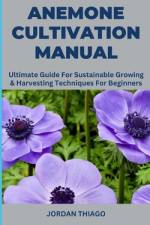
Anemones are flowers belonging to the Ranunculaceae family, and the term "anemone growing" is commonly used to describe their cultivation and maintenance.The colorful and delicate blossoms of the anemone are a favorite among gardeners. The word "anemone growing" refers to a wide range of tasks involving the propagation of these flowers.- When planting anemones, care must be taken to select a spot with the appropriate soil and environmental conditions. Bulbs, corms, and seeds are all viable options for propagating anemones.- Growing anemones successfully requires well-drained soil with a high organic matter concentration.- Anemones like damp soil that is never allowed to become soggy. They can't flourish and grow without regular, sufficient irrigation.- Anemones need sun, but the amount varies greatly from species to species. Different plants respond differently to different amounts of light.- Fertilization: Providing the right nutrients, usually with a balanced flower fertilizer, can help anemones thrive.- Deadheading (the removal of old blooms) is a form of pruning that can stimulate new flower growth and lengthen the flowering period.- Controlling pests and illnesses involves keeping a close eye out for the most common threats to anemones and then acting accordingly to keep them at bay.- Anemones, depending on their species, may need to be overwintered in a certain way to assure their survival and continued blooming the following spring.The term "anemone growing" can mean either the hobbyist or commercial cultivation of anemone flowers for their widespread use in the floral and landscaping industries. It is important to do research on the specific type of anemone you are growing, as different species may have different needs.
Are you ready to embark on a fascinating journey into the world of aquaponics? Look no further than "The Ultimate Guide to Aquaponics for Beginners." This comprehensive and insightful book is jam-packed with all the essential information you need to start your own thriving aquaponics system, even if you have no prior experience. Dive into the incredible fusion of aquaculture and hydroponics and unlock the secrets of sustainable gardening in your own backyard. Discover how to effortlessly cultivate a mutually beneficial relationship between fish and plants, creating a self-sustaining ecosystem that yields bountiful results. With this guide, you'll learn everything from setting up the perfect aquaponics system to selecting the right fish and plants for your environment. Unleash your green thumb and become an expert in urban farming, all while enjoying the fruits of your labor. Benefits of reading "The Ultimate Guide to Aquaponics for Beginners" - Learn how to grow fresh, organic produce from the comfort of your own home- Gain the knowledge to create an environmentally friendly and sustainable food production system- Understand the science behind aquaponics and how it benefits both plants and fish Featured in this book: - Step-by-step instructions for setting up and maintaining your aquaponics system- Tips and tricks to troubleshoot common issues and ensure optimal plant and fish health- Recommendations on the best fish and plants for beginners to guarantee a successful harvest Don't miss out on this incredible opportunity to explore the world of aquaponics and revolutionize your approach to gardening. Grab your copy of "The Ultimate Guide to Aquaponics for Beginners" today and begin your journey towards self-sufficiency and sustainable living! Unlock the Secrets of Thriving Aquaponics: A Comprehensive Step-by-Step Manual for Novice Gardeners
"Arrow of Wisdom" A Coloring Odyssey into the Heart of SagittariusStep into a world where art and astrology intertwine in "Arrow of Wisdom," a unique coloring book crafted for those 13 years and older. This captivating journey is dedicated to the spirited essence of the Sagittarius female, celebrating her adventurous and independent nature.Each page of "Arrow of Wisdom" is a canvas of empowerment, adorned with quotes that echo the strength and wisdom of Sagittarius. From the archer's focused gaze to the sprawling landscapes of her realm, these illustrations are not just designs but gateways to introspection and inspiration.Designed specifically for teenagers and young adults, this book offers an artistic escape into the mystical. It's a perfect blend of relaxation and self-discovery, offering a mindful retreat from daily life. Whether you are a Sagittarius seeking a deeper connection with your zodiac or an enthusiast of astrology looking to ignite your creative spark, this coloring book is your portal to exploration and self-expression.Embark on a journey with the "Arrow of Wisdom" and let each coloring page guide you through the empowering world of the Sagittarius spirit.
The basics of growing everyone's favorite plants, Pepper Plants
The Caribbean is a global biodiversity hotspot, half its resident bird species found nowhere else; yet a quarter are threatened with extinction. This is largely because only 1% of the landscape can be considered natural, with nearly all the land privately owned. The habitat limitations faced by the Caribbean's distinctive fauna and flora can therefore be ameliorated by planning and managing sustainable naturalistic landscapes, parks, and private gardens. This book uniquely provides a theoretical background and practical applications to modify and expand temperate-zone concepts of restoring nature to the tropical Caribbean. Packed with beautiful colour photographs, it offers unifying principles applicable across the tropics and synthesizes information on the Caribbean's environmental uniqueness and globally significant biodiversity. It also provides explicit guidance on establishing sustainable and more naturalistic landscapes, from large public lands to private yards and gardens. The book is essential reading for academics and researchers studying the Caribbean environment, resource management professionals, and scientists and educators from non-governmental organizations who provide programs and advocacy for conservation and regional sustainability. Moreover, it highlights the importance of private lands and gardens, where the greatest gains can be made, so offers a handbook for knowledgeable private landowners and their professional advisors.
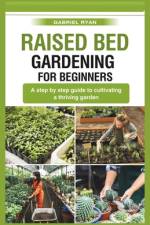
Unearth the Secrets to Gardening Success with 'Raised bed gardening for beginners: A step by step guide to cultivating a thriving garden': Your Ultimate Step-by-Step Guide to Raised Bed Gardening for Beginners! Transform your backyard into a lush haven with Raised bed gardening for beginners: A step by step guide to cultivating a thriving garden of greenery with this comprehensive and empowering guide.this guide takes you by the hand and leads you through the art of raised bed gardening, revealing the keys to a thriving and fruitful garden.
Native Plants of the Midwest: A Complete Handbook for Identifying and Utilizing Medicinal Plants in the MidwestThe Native Plants of the Midwest is an all-encompassing handbook specifically designed for those interested in identifying and utilizing medicinal plants found in the Midwest region of the United States. With its comprehensive information and detailed illustrations, this guide is a must-have for herbalists, botanists, and nature enthusiasts alike. Whether you are a beginner or an experienced plant enthusiast, this handbook is your ultimate resource for unlocking the natural healing potential of the Midwest's native plant species.Highlights: 1. Comprehensive Guide: This handbook provides a complete reference for identifying and understanding medicinal plants native to the Midwest. With in-depth descriptions and full-color illustrations, it covers a wide range of plant species found in the region.2. Medicinal Plant Identification: Detailed botanical descriptions and visual aids enable easy and accurate identification of various medicinal plants, ensuring you can confidently recognize and differentiate between different species.3. Utilization Techniques: Discover a plethora of traditional and contemporary uses for medicinal plants, including preparation methods, dosage recommendations, and potential health benefits associated with each plant species.4. Midwest-Specific Approach: Focusing specifically on the plants unique to the Midwest region, this guide caters to individuals residing in or visiting this particular area, providing location-specific insights and a deeper understanding of the local flora.5. Expert Contributors: Authored by renowned herbalists, botanists, and experienced researchers, this handbook draws on a wealth of knowledge and expertise to offer reliable and accurate information.Benefits: - Empowers individuals to confidently identify and utilize medicinal plants found only in the Midwest, fostering a deeper connection with nature.- Provides a comprehensive understanding of the medicinal properties, preparations, and uses of these native plant species.- Promotes self-sufficiency by enabling individuals to harness the natural healing potential of the Midwest's plant life.- Enhances traditional and natural medicine practices by incorporating region-specific remedies.- Offers valuable insights into the cultural and historical significance of native plants in the Midwest.The Native Plants of the Midwest is an indispensable reference guide for herbalists, botanists, naturopaths, and anyone interested in medicinal plants. Use it to: - Discover traditional and modern applications for these plants in various healing practices.- Learn preparation techniques, dosage recommendations, and safety precautions.- Expand your knowledge of the region-specific flora and the historical context of medicinal plant usage.Unlock the healing potential of the Midwest's native plant species today! Get your copy of the Native Plants of the Midwest handbook and embark on an enriching journey of herbal knowledge and self-discovery. Order now and embrace the natural abundance that surrounds you.
A Complete Guide to Growing Strawberries, Blueberries, and Raspberries" is your essential companion on the journey to cultivating and nurturing your own berry garden. This comprehensive book covers everything you need to know to successfully grow, care for, and harvest these delectable fruits right in your own backyard.Whether you are a seasoned gardener looking to expand your repertoire or a beginner eager to embark on your first berry-growing adventure, this guide is designed to provide you with all the knowledge and techniques you need to succeed. From the initial selection of the right berry varieties to the final preservation of your harvest, this book covers every step of the process in meticulous detail.The book begins with an introduction to the fascinating world of strawberries, blueberries, and raspberries. Learn about their rich history, the different varieties available, and the unique characteristics that make each type of berry so special. Discover the nutritional benefits of incorporating these berries into your diet and the satisfaction that comes from growing your own produce.Next, delve into the practical aspects of establishing and maintaining your berry garden. Detailed instructions guide you through the process of selecting the perfect site, preparing the soil, and choosing the appropriate amendments to provide the optimal growing conditions for your plants. From the necessary tools and equipment to the proper techniques for planting and transplanting, this guide ensures that you have a solid foundation for success.As you progress through the book, learn about the essential care practices that will help your berry plants flourish. From watering and fertilization to pest and disease management, you will acquire the knowledge and skills to maintain healthy and robust plants. Discover the benefits of proper pruning techniques and the art of training your plants to maximize their potential. Understand the importance of mulching, weed control, and adequate sunlight exposure for optimal growth and productivity.Furthermore, "A Complete Guide to Growing Strawberries, Blueberries, and Raspberries" emphasizes the importance of understanding the unique requirements of each type of berry. Delve into the specifics of soil pH, temperature, water needs, and sunlight preferences for strawberries, blueberries, and raspberries. Tailor your approach to each berry variety to ensure the best possible results and yields.To make the most of your harvest and preserve the flavors of your homegrown berries, this guide introduces you to various methods of preservation. From freezing and making jams to dehydrating and creating infusions, you will discover the art of extending the enjoyment of your berries beyond the growing season. Unleash your culinary creativity with recipes and ideas for incorporating your preserved berries into a wide range of dishes, from breakfast delights to decadent desserts.With its comprehensive approach, detailed instructions, and beautiful illustrations, "A Complete Guide to Growing Strawberries, Blueberries, and Raspberries" is not just a practical manual but also a source of inspiration. Allow yourself to be immersed in the vibrant world of berries as you explore the joys of growing your own and reaping the rewards of your labor.Whether you have a small backyard or a spacious garden, this book provides you with the essential guidance to create a thriving berry garden, ensuring that you can enjoy the sweet and tangy flavors of strawberries, blueberries, and raspberries straight from your own soil. Start your berry-growing adventure today and let this guide be your trusted companion every step of the way.
In our modern world, supermarkets and grocery stores offer an abundance of Fruits, neatly arranged in colorful displays.Shoppers have access to a vast array of options, from leafy greens to vibrant bell peppers, without giving much thought to where or how these vegetables were grown. The convenience of purchasing fruits at the local store often overshadows the question of their origin, the conditions under which they were cultivated, and the use of chemical additives to maintain their freshness.The reality is that most fruits available in stores today are products of industrial-scale agriculture. They are typically grown in large monoculture fields, where the focus is on maximizing yield and profit. While this approach may provide an abundance of vegetables, it often comes at a cost to the environment and the quality of the produce.One of the major concerns in industrial agriculture is the extensive use of chemical fertilizers and pesticides. These chemicals are applied to enhance crop growth, control pests, and increase shelf life. While they may yield visually appealing fruits that remain fresh for an extended period, they can have adverse effects on both the environment and human health. Runoff from these chemicals can pollute waterways, harm wildlife, and disrupt ecosystems. Moreover, residual pesticides on vegetables can be harmful when consumed, contributing to concerns about food safety.In contrast to mass-produced fruits, there's a growing movement towards cultivating produce at home. Home gardening allows individuals to take control of their food supply, ensuring that the vegetables they consume are free from harmful chemicals. Here are some reasons why growing your fruits at home can be a preferable alternative: Quality Assurance: When you grow your fruits, you have full control over the growing conditions. You can choose organic methods and avoid the use of harmful chemicals, resulting in healthier, more nutrient-rich produce.Taste and Freshness: Homegrown fruits often have superior flavor and freshness compared to store-bought counterparts. They can be picked at the peak of ripeness, retaining their full taste and nutritional value.Environmental Benefits: Home gardening reduces the carbon footprint associated with transporting vegetables from distant farms to stores. It also promotes biodiversity and can contribute to local ecosystem health.Educational Value: Gardening provides an opportunity to connect with nature, learn about plant biology, and develop valuable skills. It's an excellent way to teach children about food sources and sustainability.Cost Savings: While there may be initial setup costs for gardening equipment and seeds, homegrown vegetables can ultimately save you money on grocery bills.Peace of Mind: Knowing exactly where your food comes from and how it's grown can provide a sense of security and satisfaction that store-bought produce often lacks.In conclusion, while the convenience of purchasing fruits at stores is undeniable, there are significant advantages to growing your own produce at home. By doing so, you can ensure that your fruits are natural, free from harmful chemicals, and grown under conditions that align with your values. Whether you have a small balcony, a backyard garden, or even just some windowsill space, home gardening can be a rewarding and environmentally responsible choice. It's a step towards a more sustainable and healthy way of nourishing yourself and your family.Therefore, I recommend that you choose this path, which will improve your health and give you a new hobby.
In our modern world, supermarkets and grocery stores offer an abundance of Fruits, neatly arranged in colorful displays.Shoppers have access to a vast array of options, from leafy greens to vibrant bell peppers, without giving much thought to where or how these vegetables were grown. The convenience of purchasing fruits at the local store often overshadows the question of their origin, the conditions under which they were cultivated, and the use of chemical additives to maintain their freshness.The reality is that most fruits available in stores today are products of industrial-scale agriculture. They are typically grown in large monoculture fields, where the focus is on maximizing yield and profit. While this approach may provide an abundance of vegetables, it often comes at a cost to the environment and the quality of the produce.One of the major concerns in industrial agriculture is the extensive use of chemical fertilizers and pesticides. These chemicals are applied to enhance crop growth, control pests, and increase shelf life. While they may yield visually appealing fruits that remain fresh for an extended period, they can have adverse effects on both the environment and human health. Runoff from these chemicals can pollute waterways, harm wildlife, and disrupt ecosystems. Moreover, residual pesticides on vegetables can be harmful when consumed, contributing to concerns about food safety.In contrast to mass-produced fruits, there's a growing movement towards cultivating produce at home. Home gardening allows individuals to take control of their food supply, ensuring that the vegetables they consume are free from harmful chemicals. Here are some reasons why growing your fruits at home can be a preferable alternative: Quality Assurance: When you grow your fruits, you have full control over the growing conditions. You can choose organic methods and avoid the use of harmful chemicals, resulting in healthier, more nutrient-rich produce.Taste and Freshness: Homegrown fruits often have superior flavor and freshness compared to store-bought counterparts. They can be picked at the peak of ripeness, retaining their full taste and nutritional value.Environmental Benefits: Home gardening reduces the carbon footprint associated with transporting vegetables from distant farms to stores. It also promotes biodiversity and can contribute to local ecosystem health.Educational Value: Gardening provides an opportunity to connect with nature, learn about plant biology, and develop valuable skills. It's an excellent way to teach children about food sources and sustainability.Cost Savings: While there may be initial setup costs for gardening equipment and seeds, homegrown vegetables can ultimately save you money on grocery bills.Peace of Mind: Knowing exactly where your food comes from and how it's grown can provide a sense of security and satisfaction that store-bought produce often lacks.In conclusion, while the convenience of purchasing fruits at stores is undeniable, there are significant advantages to growing your own produce at home. By doing so, you can ensure that your fruits are natural, free from harmful chemicals, and grown under conditions that align with your values. Whether you have a small balcony, a backyard garden, or even just some windowsill space, home gardening can be a rewarding and environmentally responsible choice. It's a step towards a more sustainable and healthy way of nourishing yourself and your family.Therefore, I recommend that you choose this path, which will improve your health and give you a new hobby.
In our modern world, supermarkets and grocery stores offer an abundance of Fruits, neatly arranged in colorful displays.Shoppers have access to a vast array of options, from leafy greens to vibrant bell peppers, without giving much thought to where or how these vegetables were grown. The convenience of purchasing fruits at the local store often overshadows the question of their origin, the conditions under which they were cultivated, and the use of chemical additives to maintain their freshness.The reality is that most fruits available in stores today are products of industrial-scale agriculture. They are typically grown in large monoculture fields, where the focus is on maximizing yield and profit. While this approach may provide an abundance of vegetables, it often comes at a cost to the environment and the quality of the produce.One of the major concerns in industrial agriculture is the extensive use of chemical fertilizers and pesticides. These chemicals are applied to enhance crop growth, control pests, and increase shelf life. While they may yield visually appealing fruits that remain fresh for an extended period, they can have adverse effects on both the environment and human health. Runoff from these chemicals can pollute waterways, harm wildlife, and disrupt ecosystems. Moreover, residual pesticides on vegetables can be harmful when consumed, contributing to concerns about food safety.In contrast to mass-produced fruits, there's a growing movement towards cultivating produce at home. Home gardening allows individuals to take control of their food supply, ensuring that the vegetables they consume are free from harmful chemicals. Here are some reasons why growing your fruits at home can be a preferable alternative: Quality Assurance: When you grow your fruits, you have full control over the growing conditions. You can choose organic methods and avoid the use of harmful chemicals, resulting in healthier, more nutrient-rich produce.Taste and Freshness: Homegrown fruits often have superior flavor and freshness compared to store-bought counterparts. They can be picked at the peak of ripeness, retaining their full taste and nutritional value.Environmental Benefits: Home gardening reduces the carbon footprint associated with transporting vegetables from distant farms to stores. It also promotes biodiversity and can contribute to local ecosystem health.Educational Value: Gardening provides an opportunity to connect with nature, learn about plant biology, and develop valuable skills. It's an excellent way to teach children about food sources and sustainability.Cost Savings: While there may be initial setup costs for gardening equipment and seeds, homegrown vegetables can ultimately save you money on grocery bills.Peace of Mind: Knowing exactly where your food comes from and how it's grown can provide a sense of security and satisfaction that store-bought produce often lacks.In conclusion, while the convenience of purchasing fruits at stores is undeniable, there are significant advantages to growing your own produce at home. By doing so, you can ensure that your fruits are natural, free from harmful chemicals, and grown under conditions that align with your values. Whether you have a small balcony, a backyard garden, or even just some windowsill space, home gardening can be a rewarding and environmentally responsible choice. It's a step towards a more sustainable and healthy way of nourishing yourself and your family.Therefore, I recommend that you choose this path, which will improve your health and give you a new hobby.
Our book is designed as a comprehensive guide for those who are new to the world of flowers.It aims to deepen your understanding and appreciation of these natural beauties, addressing key questions that often puzzle beginners. Basically, my content is directed for beginners to help them take the first steps in turning into an expert of flowers. Moreover, the book includes exclusive bonus content.This additional material is packed with valuable information, tips, and insights that are not commonly found in other guides. This extra content is particularly useful for readers who are eager to expand their knowledge beyond the basics. The core focus of my book is on guiding novices through the initial, often challenging stages of learning about flowers.It's structured to be easily comprehensible, providing step-by-step guidance that transforms a beginner into a knowledgeable enthusiast.Whether it's understandingdifferent types of flowerslearning about their caremaintenanceexploring the fascinating aspects of their growth and developmentThis book covers it all in a friendly and engaging manner In essence, this book is more than just a guide which you can find on the Internet, this is a complete answer to your exact question
Our book is designed as a comprehensive guide for those who are new to the world of flowers.It aims to deepen your understanding and appreciation of these natural beauties, addressing key questions that often puzzle beginners. Basically, my content is directed for beginners to help them take the first steps in turning into an expert of flowers. Moreover, the book includes exclusive bonus content.This additional material is packed with valuable information, tips, and insights that are not commonly found in other guides. This extra content is particularly useful for readers who are eager to expand their knowledge beyond the basics. The core focus of my book is on guiding novices through the initial, often challenging stages of learning about flowers.It's structured to be easily comprehensible, providing step-by-step guidance that transforms a beginner into a knowledgeable enthusiast.Whether it's understandingdifferent types of flowerslearning about their caremaintenanceexploring the fascinating aspects of their growth and developmentThis book covers it all in a friendly and engaging manner In essence, this book is more than just a guide which you can find on the Internet, this is a complete answer to your exact question
In our modern world, supermarkets and grocery stores offer an abundance of Fruits, neatly arranged in colorful displays.Shoppers have access to a vast array of options, from leafy greens to vibrant bell peppers, without giving much thought to where or how these vegetables were grown. The convenience of purchasing fruits at the local store often overshadows the question of their origin, the conditions under which they were cultivated, and the use of chemical additives to maintain their freshness.The reality is that most fruits available in stores today are products of industrial-scale agriculture. They are typically grown in large monoculture fields, where the focus is on maximizing yield and profit. While this approach may provide an abundance of vegetables, it often comes at a cost to the environment and the quality of the produce.One of the major concerns in industrial agriculture is the extensive use of chemical fertilizers and pesticides. These chemicals are applied to enhance crop growth, control pests, and increase shelf life. While they may yield visually appealing fruits that remain fresh for an extended period, they can have adverse effects on both the environment and human health. Runoff from these chemicals can pollute waterways, harm wildlife, and disrupt ecosystems. Moreover, residual pesticides on vegetables can be harmful when consumed, contributing to concerns about food safety.In contrast to mass-produced fruits, there's a growing movement towards cultivating produce at home. Home gardening allows individuals to take control of their food supply, ensuring that the vegetables they consume are free from harmful chemicals. Here are some reasons why growing your fruits at home can be a preferable alternative: Quality Assurance: When you grow your fruits, you have full control over the growing conditions. You can choose organic methods and avoid the use of harmful chemicals, resulting in healthier, more nutrient-rich produce.Taste and Freshness: Homegrown fruits often have superior flavor and freshness compared to store-bought counterparts. They can be picked at the peak of ripeness, retaining their full taste and nutritional value.Environmental Benefits: Home gardening reduces the carbon footprint associated with transporting vegetables from distant farms to stores. It also promotes biodiversity and can contribute to local ecosystem health.Educational Value: Gardening provides an opportunity to connect with nature, learn about plant biology, and develop valuable skills. It's an excellent way to teach children about food sources and sustainability.Cost Savings: While there may be initial setup costs for gardening equipment and seeds, homegrown vegetables can ultimately save you money on grocery bills.Peace of Mind: Knowing exactly where your food comes from and how it's grown can provide a sense of security and satisfaction that store-bought produce often lacks.In conclusion, while the convenience of purchasing fruits at stores is undeniable, there are significant advantages to growing your own produce at home. By doing so, you can ensure that your fruits are natural, free from harmful chemicals, and grown under conditions that align with your values. Whether you have a small balcony, a backyard garden, or even just some windowsill space, home gardening can be a rewarding and environmentally responsible choice. It's a step towards a more sustainable and healthy way of nourishing yourself and your family.Therefore, I recommend that you choose this path, which will improve your health and give you a new hobby.
In our modern world, supermarkets and grocery stores offer an abundance of Fruits, neatly arranged in colorful displays.Shoppers have access to a vast array of options, from leafy greens to vibrant bell peppers, without giving much thought to where or how these vegetables were grown. The convenience of purchasing fruits at the local store often overshadows the question of their origin, the conditions under which they were cultivated, and the use of chemical additives to maintain their freshness.The reality is that most fruits available in stores today are products of industrial-scale agriculture. They are typically grown in large monoculture fields, where the focus is on maximizing yield and profit. While this approach may provide an abundance of vegetables, it often comes at a cost to the environment and the quality of the produce.One of the major concerns in industrial agriculture is the extensive use of chemical fertilizers and pesticides. These chemicals are applied to enhance crop growth, control pests, and increase shelf life. While they may yield visually appealing fruits that remain fresh for an extended period, they can have adverse effects on both the environment and human health. Runoff from these chemicals can pollute waterways, harm wildlife, and disrupt ecosystems. Moreover, residual pesticides on vegetables can be harmful when consumed, contributing to concerns about food safety.In contrast to mass-produced fruits, there's a growing movement towards cultivating produce at home. Home gardening allows individuals to take control of their food supply, ensuring that the vegetables they consume are free from harmful chemicals. Here are some reasons why growing your fruits at home can be a preferable alternative: Quality Assurance: When you grow your fruits, you have full control over the growing conditions. You can choose organic methods and avoid the use of harmful chemicals, resulting in healthier, more nutrient-rich produce.Taste and Freshness: Homegrown fruits often have superior flavor and freshness compared to store-bought counterparts. They can be picked at the peak of ripeness, retaining their full taste and nutritional value.Environmental Benefits: Home gardening reduces the carbon footprint associated with transporting vegetables from distant farms to stores. It also promotes biodiversity and can contribute to local ecosystem health.Educational Value: Gardening provides an opportunity to connect with nature, learn about plant biology, and develop valuable skills. It's an excellent way to teach children about food sources and sustainability.Cost Savings: While there may be initial setup costs for gardening equipment and seeds, homegrown vegetables can ultimately save you money on grocery bills.Peace of Mind: Knowing exactly where your food comes from and how it's grown can provide a sense of security and satisfaction that store-bought produce often lacks.In conclusion, while the convenience of purchasing fruits at stores is undeniable, there are significant advantages to growing your own produce at home. By doing so, you can ensure that your fruits are natural, free from harmful chemicals, and grown under conditions that align with your values. Whether you have a small balcony, a backyard garden, or even just some windowsill space, home gardening can be a rewarding and environmentally responsible choice. It's a step towards a more sustainable and healthy way of nourishing yourself and your family.Therefore, I recommend that you choose this path, which will improve your health and give you a new hobby.
In our modern world, supermarkets and grocery stores offer an abundance of Fruits, neatly arranged in colorful displays.Shoppers have access to a vast array of options, from leafy greens to vibrant bell peppers, without giving much thought to where or how these vegetables were grown. The convenience of purchasing fruits at the local store often overshadows the question of their origin, the conditions under which they were cultivated, and the use of chemical additives to maintain their freshness.The reality is that most fruits available in stores today are products of industrial-scale agriculture. They are typically grown in large monoculture fields, where the focus is on maximizing yield and profit. While this approach may provide an abundance of vegetables, it often comes at a cost to the environment and the quality of the produce.One of the major concerns in industrial agriculture is the extensive use of chemical fertilizers and pesticides. These chemicals are applied to enhance crop growth, control pests, and increase shelf life. While they may yield visually appealing fruits that remain fresh for an extended period, they can have adverse effects on both the environment and human health. Runoff from these chemicals can pollute waterways, harm wildlife, and disrupt ecosystems. Moreover, residual pesticides on vegetables can be harmful when consumed, contributing to concerns about food safety.In contrast to mass-produced fruits, there's a growing movement towards cultivating produce at home. Home gardening allows individuals to take control of their food supply, ensuring that the vegetables they consume are free from harmful chemicals. Here are some reasons why growing your fruits at home can be a preferable alternative: Quality Assurance: When you grow your fruits, you have full control over the growing conditions. You can choose organic methods and avoid the use of harmful chemicals, resulting in healthier, more nutrient-rich produce.Taste and Freshness: Homegrown fruits often have superior flavor and freshness compared to store-bought counterparts. They can be picked at the peak of ripeness, retaining their full taste and nutritional value.Environmental Benefits: Home gardening reduces the carbon footprint associated with transporting vegetables from distant farms to stores. It also promotes biodiversity and can contribute to local ecosystem health.Educational Value: Gardening provides an opportunity to connect with nature, learn about plant biology, and develop valuable skills. It's an excellent way to teach children about food sources and sustainability.Cost Savings: While there may be initial setup costs for gardening equipment and seeds, homegrown vegetables can ultimately save you money on grocery bills.Peace of Mind: Knowing exactly where your food comes from and how it's grown can provide a sense of security and satisfaction that store-bought produce often lacks.In conclusion, while the convenience of purchasing fruits at stores is undeniable, there are significant advantages to growing your own produce at home. By doing so, you can ensure that your fruits are natural, free from harmful chemicals, and grown under conditions that align with your values. Whether you have a small balcony, a backyard garden, or even just some windowsill space, home gardening can be a rewarding and environmentally responsible choice. It's a step towards a more sustainable and healthy way of nourishing yourself and your family.Therefore, I recommend that you choose this path, which will improve your health and give you a new hobby.
Cultivate Your Green Oasis in the Concrete Jungle Transform your urban space into a thriving haven of greenery and vitality with "Urban Gardening for Beginners," a comprehensive guide carefully crafted for city dwellers eager to reconnect with nature right at their doorstep. Authored by Penny Watson, a passionate urban gardener and sustainability advocate, this book is your go-to resource for creating an oasis of plant life, no matter how limited your space may be. While flipping on the pages of this book, you'll learn: Unlocking the Secrets of Urban Greenery: Dive into the world of urban gardening with Penny Watson as your guide. Whether you have a balcony, rooftop, or a small window sill, this book provides practical insights on maximizing your space and transforming urban limitations into opportunities for flourishing greenery. Selecting the Perfect Plants for Urban Spaces: Navigate the diverse world of plants to discover those best suited for urban environments. From low-maintenance houseplants to container-friendly vegetables and herbs, Penny Watson helps you curate a personalized garden that suits your space, lifestyle, and preferences. Space-Saving Gardening Techniques: Master the art of efficient gardening in small spaces. Learn space-saving techniques such as vertical gardening, container gardening, and companion planting to make the most of every inch of your urban oasis. Designing Your Urban Eden: Embrace the creative side of urban gardening with expert advice on designing a visually appealing and functional green space. Penny Watson shares insights on color schemes, container arrangements, and integrating practical elements like seating and lighting, transforming your urban garden into a stylish retreat. Year-Round Urban Gardening: Discover the secrets to maintaining a thriving urban garden throughout the seasons. Penny Watson provides tips on seasonal planting, indoor gardening during colder months, and ensuring your urban oasis remains vibrant and green, no matter the weather outside. Sustainable Practices for Urban Gardeners: Cultivate an eco-friendly urban garden with Penny Watson's guidance on composting, water conservation, and environmentally conscious pest management. Learn how to minimize your ecological footprint while enjoying the benefits of urban gardening. Urban Gardening as a Lifestyle: Immerse yourself in the urban gardening lifestyle with insights on mindfulness, stress relief, and the joy of connecting with nature in the heart of the city. Penny Watson explores the holistic benefits of urban gardening, transforming it into a fulfilling and rewarding lifestyle. Community Engagement and Urban Agriculture: Connect with your local community and explore opportunities for urban agriculture. Penny Watson offers guidance on community gardens, farmers' markets, and building a network that enhances your urban gardening experience. Whether you're a city dweller with a bustling lifestyle or a green enthusiast seeking to make the most of limited space, "Urban Gardening for Beginners" is your essential companion. With practical tips, creative ideas, and expert advice, Penny Watson empowers you to turn your urban space into a lush and vibrant sanctuary. Cultivate your green oasis amidst the concrete jungle and embark on a journey of urban gardening that transforms both your surroundings and your well-being. Get your copy of this Urban Gardening for Beginners as fast as you can. Your urban gardening adventure starts now!
A Comprehensive Guide to Cultivating Prosperity As a farmer or enthusiastic gardener, if you have a large space and want to utilize it properly, this guide is for you. Understanding how to utilize large spaces for growing fruits, vegetables, herbs and trees is a great opportunity. Let's embark on a transformative journey into the vast and rewarding world of agriculture with "Large-Scale Farming for Beginners," a comprehensive guide crafted for those ready to take their passion for farming to the next level. Authored by Penny Watson, an experienced farmer and agricultural expert, this book serves as your indispensable companion on the path to establishing and managing a successful large-scale farm. Flipping through the pages of this book, you'll learn: Planning Your Agricultural Empire: From expansive fields to the vastness of large-scale farming, this guide walks you through the crucial steps of planning your agricultural enterprise. Penny Watson provides strategic insights on selecting the right location, understanding zoning regulations, and creating a sustainable business plan that aligns with your farming goals. Choosing Crops and Livestock for Scale: Navigate the diverse landscape of large-scale agriculture with confidence. Penny Watson helps you make informed decisions on selecting crops and livestock that suit the scale of your farm, taking into consideration market demands, climate, and soil conditions. Advanced Farming Techniques: Master the specialized skills required for large-scale farming success. From precision agriculture and crop rotation to state-of-the-art machinery usage, Penny Watson covers advanced techniques that maximize efficiency, optimize resource use, and enhance overall productivity on a grand scale. Business Management and Economics: Cultivate a deep understanding of the business side of large-scale farming. Penny Watson delves into financial planning, risk management, and marketing strategies to ensure your farming venture is not only productive but also economically viable in the competitive agricultural market. Sustainable Practices for Large-Scale Operations: Embrace environmentally conscious farming methods that contribute to the health of both your farm and the planet. Discover the principles of sustainable agriculture, water conservation, and eco-friendly pest management strategies tailored for large-scale operations. Technology Integration: Explore the cutting-edge technologies that can revolutionize large-scale farming. From precision farming and data analytics to advanced irrigation systems, Penny Watson introduces you to the tools that can elevate your farm to new heights of efficiency and productivity. Workforce Management and Community Engagement: Learn essential skills in managing a large workforce and fostering positive community relationships. Penny Watson shares insights on effective communication, team building, and community engagement, creating a harmonious and prosperous agricultural environment. Whether you aspire to cultivate vast fields of crops, manage a sprawling livestock operation, or integrate various agricultural enterprises, "Large-Scale Farming for Beginners" is your comprehensive roadmap to success. With Penny Watson as your guide, acquire the skills, knowledge, and confidence needed to turn your large-scale farming dreams into a thriving reality. Join the ranks of successful large-scale farmers and become a steward of the land on a grand scale. Get your copy of this Large-Scale Farming for Beginners today. Your journey to cultivating prosperity begins here!
A Practical Guide to Growing Your Own Bounty in Smaller Portions and Harvesting Big Imaging having a treasure trove of fruits and vegetables in that your small space? Now i know it seems daunting but with the right knowledge, you'll achieve and master it in no time. Its time to embark on a fulfilling journey into the world of agriculture with "Small-Scale Farming for Beginners," a comprehensive guide crafted for individuals eager to turn their dreams of cultivating their own piece of land into a reality. Authored by Penny Watson], a seasoned farmer with a passion for sustainable and practical farming, this book is your go-to resource for transforming small spaces into thriving, productive havens. On the pages of this book, you'll learn: Cultivating Your Dream Farm: Whether you have a backyard, balcony, or a modest plot of land, this guide provides a roadmap for cultivating a successful small-scale farm. [Author's Name] guides you through the fundamental steps of planning, designing, and implementing your farming vision, ensuring that your space becomes a bountiful source of homegrown goodness. Selecting the Right Crops and Livestock: Tailor your farm to your needs and preferences with expert advice on choosing crops and livestock suitable for small-scale cultivation. From vibrant vegetable gardens to micro-livestock options, Penny Watson helps you navigate the diverse world of small-scale farming, ensuring your choices align with your goals. Essential Farming Techniques: Master the basic skills needed for a successful small-scale farm. Penny Watson covers everything from soil preparation and planting to irrigation, pest management, and harvesting. Learn how to optimize your space and resources for maximum yield, creating a sustainable and efficient farming operation. Sustainable and Organic Practices: Embrace environmentally friendly farming methods that prioritize the health of both your crops and the planet. Discover the principles of organic farming, composting, and water conservation, fostering a small-scale farm that is not only productive but also eco-conscious. Daily Routines and Seasonal Planning: Navigate the seasons with confidence as Penny Watson provides insights into the day-to-day operations of a small-scale farm. Learn how to create and follow a seasonal plan, ensuring that your farm remains productive and enjoyable throughout the year. Budget-Friendly Approaches: Explore cost-effective strategies for small-scale farming. Penny Watson shares budgeting tips, DIY projects, and creative solutions to make the most of your resources, making small-scale farming accessible to beginners with varying budgets. Troubleshooting and FAQs: Anticipate and overcome common challenges with a troubleshooting guide that addresses potential issues in small-scale farming. Penny Watson provides practical solutions and answers to frequently asked questions, ensuring that you can confidently navigate the hurdles of your farming journey. Whether you dream of a thriving backyard garden or a micro-farm that sustains your family and community, "Small-Scale Farming for Beginners" is your indispensable companion. With Penny Watson's book as your guide, cultivate the skills, knowledge, and passion needed to transform your small plot into a flourishing source of homegrown abundance. Join the movement toward self-sufficiency, sustainability, and the pure joy of growing your own food. Get your special copy of this "Small-Scale Farming for Beginners" today. Your small-scale farming adventure begins now!
Ditch the Repairman, Embrace the Mechanic Within: Your Guide to Lawn Mower and Small Engine RepairTired of shelling out cash for lawn mower repairs? Fed up with sputtering engines and stalled barbecues? Say goodbye to frustration and hello to empowerment with Your Guide to Lawn Mower and Small Engine Repair!This comprehensive, beginner-friendly manual is your one-stop shop for diagnosing, repairing, and maintaining all your outdoor power equipment. No more relying on expensive repairmen or deciphering cryptic online forums. This book is your personal mechanic in a box, guiding you step-by-step through every fix, from simple tune-ups to major overhauls.Here's what you'll discover inside: Unravel the mysteries of the small engine: Demystify the inner workings of your lawn mower, snowblower, generator, and more, with clear explanations and detailed diagrams.Diagnose problems like a pro: Learn to identify common issues - sputtering engines, uneven cuts, power loss - and pinpoint the culprit with confidence.Conquer repairs with ease: Follow our photo-illustrated, step-by-step instructions to tackle everything from spark plug changes to carburetor cleaning, fuel system flushes, and blade sharpening.Master preventative maintenance: Keep your equipment running smoothly for years to come with expert tips on routine tune-ups, oil changes, and winterizing procedures.Save money, gain satisfaction: Ditch the repair bills and revel in the pride of fixing things yourself. Your Guide to Lawn Mower and Small Engine Repair is an investment in your wallet, your skills, and your weekend freedom.No prior mechanical experience needed! This book is written in plain English, with clear instructions and helpful troubleshooting tips to guide you every step of the way. Whether you're a weekend warrior or a suburban homesteader, unlock your inner DIY hero and conquer your outdoor power equipment once and for all!Don't let a sputtering engine ruin your day. Take control, empower yourself, and reclaim your outdoor power with Your Guide to Lawn Mower and Small Engine Repair. Order your copy today!
Tape Measurement Essentials offers a focused approach to mastering tape measure use. This workbook includes 100 detailed worksheets, guiding you from simple 1-inch increments to more complex 1/32 inch measurements. Ideal for learners at any level, whether students, DIY enthusiasts, or professionals, it provides practical exercises to enhance your measurement accuracy and confidence. Each worksheet is designed to challenge and improve your skills, making this an indispensable tool for anyone aiming to excel in precision measuring.
Cultive higueras con éxito con esta guÃa completa para obtener una cosecha abundante.Sumérgete en el fascinante mundo del cultivo de la higuera con esta completa guÃa que transformará tu jardÃn en un paraÃso frutÃcola. "Figuiers galore" es mucho más que un simple manual, es una invitación a descubrir los secretos de esta planta excepcional y a disfrutar de abundantes delicias dulces en su propio espacio verde. Experiencia completa: este libro revela toda la información esencial para un cultivo exitoso de higueras, desde consejos de plantación hasta técnicas de poda, incluido el manejo de enfermedades comunes. Tanto los principiantes como los jardineros experimentados encontrarán una gran cantidad de información valiosa. Cosecha abundante: con los consejos comprobados y los métodos efectivos que se comparten en esta guÃa, podrá cosechar higos jugosos y deliciosos año tras año. Disfrute de su propia fuente de fruta fresca, natural y nutritiva. Adaptación Regional: Descubre una selección experta de variedades de higuera adaptadas a cada región y clima. Maximice su éxito eligiendo los ejemplares que mejor se adapten a su entorno, garantizando un crecimiento vigoroso y rendimientos óptimos. Placer y Satisfacción: Cultivar higueras no es sólo una actividad agrÃcola, es una experiencia enriquecedora y gratificante. Esta guÃa te acompaña en cada paso, desde la siembra hasta la degustación, para asegurarte una satisfacción total en cada temporada. Este libro es un compañero esencial para todos los amantes de la jardinerÃa y ofrece un enfoque holÃstico del cultivo de higos. Transforma tu jardÃn en un oasis frutal y cosecha los frutos de tu trabajo con "higueras en abundancia". Cómpralo ahora y prepárate para una experiencia de sabor excepcional directamente de tu propia cosecha.
In our modern world, supermarkets and grocery stores offer an abundance of Fruits, neatly arranged in colorful displays.Shoppers have access to a vast array of options, from leafy greens to vibrant bell peppers, without giving much thought to where or how these vegetables were grown. The convenience of purchasing fruits at the local store often overshadows the question of their origin, the conditions under which they were cultivated, and the use of chemical additives to maintain their freshness.The reality is that most fruits available in stores today are products of industrial-scale agriculture. They are typically grown in large monoculture fields, where the focus is on maximizing yield and profit. While this approach may provide an abundance of vegetables, it often comes at a cost to the environment and the quality of the produce.One of the major concerns in industrial agriculture is the extensive use of chemical fertilizers and pesticides. These chemicals are applied to enhance crop growth, control pests, and increase shelf life. While they may yield visually appealing fruits that remain fresh for an extended period, they can have adverse effects on both the environment and human health. Runoff from these chemicals can pollute waterways, harm wildlife, and disrupt ecosystems. Moreover, residual pesticides on vegetables can be harmful when consumed, contributing to concerns about food safety.In contrast to mass-produced fruits, there's a growing movement towards cultivating produce at home. Home gardening allows individuals to take control of their food supply, ensuring that the vegetables they consume are free from harmful chemicals. Here are some reasons why growing your fruits at home can be a preferable alternative: Quality Assurance: When you grow your fruits, you have full control over the growing conditions. You can choose organic methods and avoid the use of harmful chemicals, resulting in healthier, more nutrient-rich produce.Taste and Freshness: Homegrown fruits often have superior flavor and freshness compared to store-bought counterparts. They can be picked at the peak of ripeness, retaining their full taste and nutritional value.Environmental Benefits: Home gardening reduces the carbon footprint associated with transporting vegetables from distant farms to stores. It also promotes biodiversity and can contribute to local ecosystem health.Educational Value: Gardening provides an opportunity to connect with nature, learn about plant biology, and develop valuable skills. It's an excellent way to teach children about food sources and sustainability.Cost Savings: While there may be initial setup costs for gardening equipment and seeds, homegrown vegetables can ultimately save you money on grocery bills.Peace of Mind: Knowing exactly where your food comes from and how it's grown can provide a sense of security and satisfaction that store-bought produce often lacks.In conclusion, while the convenience of purchasing fruits at stores is undeniable, there are significant advantages to growing your own produce at home. By doing so, you can ensure that your fruits are natural, free from harmful chemicals, and grown under conditions that align with your values. Whether you have a small balcony, a backyard garden, or even just some windowsill space, home gardening can be a rewarding and environmentally responsible choice. It's a step towards a more sustainable and healthy way of nourishing yourself and your family.Therefore, I recommend that you choose this path, which will improve your health and give you a new hobby.
In our modern world, supermarkets and grocery stores offer an abundance of Fruits, neatly arranged in colorful displays.Shoppers have access to a vast array of options, from leafy greens to vibrant bell peppers, without giving much thought to where or how these vegetables were grown. The convenience of purchasing fruits at the local store often overshadows the question of their origin, the conditions under which they were cultivated, and the use of chemical additives to maintain their freshness.The reality is that most fruits available in stores today are products of industrial-scale agriculture. They are typically grown in large monoculture fields, where the focus is on maximizing yield and profit. While this approach may provide an abundance of vegetables, it often comes at a cost to the environment and the quality of the produce.One of the major concerns in industrial agriculture is the extensive use of chemical fertilizers and pesticides. These chemicals are applied to enhance crop growth, control pests, and increase shelf life. While they may yield visually appealing fruits that remain fresh for an extended period, they can have adverse effects on both the environment and human health. Runoff from these chemicals can pollute waterways, harm wildlife, and disrupt ecosystems. Moreover, residual pesticides on vegetables can be harmful when consumed, contributing to concerns about food safety.In contrast to mass-produced fruits, there's a growing movement towards cultivating produce at home. Home gardening allows individuals to take control of their food supply, ensuring that the vegetables they consume are free from harmful chemicals. Here are some reasons why growing your fruits at home can be a preferable alternative: Quality Assurance: When you grow your fruits, you have full control over the growing conditions. You can choose organic methods and avoid the use of harmful chemicals, resulting in healthier, more nutrient-rich produce.Taste and Freshness: Homegrown fruits often have superior flavor and freshness compared to store-bought counterparts. They can be picked at the peak of ripeness, retaining their full taste and nutritional value.Environmental Benefits: Home gardening reduces the carbon footprint associated with transporting vegetables from distant farms to stores. It also promotes biodiversity and can contribute to local ecosystem health.Educational Value: Gardening provides an opportunity to connect with nature, learn about plant biology, and develop valuable skills. It's an excellent way to teach children about food sources and sustainability.Cost Savings: While there may be initial setup costs for gardening equipment and seeds, homegrown vegetables can ultimately save you money on grocery bills.Peace of Mind: Knowing exactly where your food comes from and how it's grown can provide a sense of security and satisfaction that store-bought produce often lacks.In conclusion, while the convenience of purchasing fruits at stores is undeniable, there are significant advantages to growing your own produce at home. By doing so, you can ensure that your fruits are natural, free from harmful chemicals, and grown under conditions that align with your values. Whether you have a small balcony, a backyard garden, or even just some windowsill space, home gardening can be a rewarding and environmentally responsible choice. It's a step towards a more sustainable and healthy way of nourishing yourself and your family.Therefore, I recommend that you choose this path, which will improve your health and give you a new hobby.
In our modern world, supermarkets and grocery stores offer an abundance of Fruits, neatly arranged in colorful displays.Shoppers have access to a vast array of options, from leafy greens to vibrant bell peppers, without giving much thought to where or how these vegetables were grown. The convenience of purchasing fruits at the local store often overshadows the question of their origin, the conditions under which they were cultivated, and the use of chemical additives to maintain their freshness.The reality is that most fruits available in stores today are products of industrial-scale agriculture. They are typically grown in large monoculture fields, where the focus is on maximizing yield and profit. While this approach may provide an abundance of vegetables, it often comes at a cost to the environment and the quality of the produce.One of the major concerns in industrial agriculture is the extensive use of chemical fertilizers and pesticides. These chemicals are applied to enhance crop growth, control pests, and increase shelf life. While they may yield visually appealing fruits that remain fresh for an extended period, they can have adverse effects on both the environment and human health. Runoff from these chemicals can pollute waterways, harm wildlife, and disrupt ecosystems. Moreover, residual pesticides on vegetables can be harmful when consumed, contributing to concerns about food safety.In contrast to mass-produced fruits, there's a growing movement towards cultivating produce at home. Home gardening allows individuals to take control of their food supply, ensuring that the vegetables they consume are free from harmful chemicals. Here are some reasons why growing your fruits at home can be a preferable alternative: Quality Assurance: When you grow your fruits, you have full control over the growing conditions. You can choose organic methods and avoid the use of harmful chemicals, resulting in healthier, more nutrient-rich produce.Taste and Freshness: Homegrown fruits often have superior flavor and freshness compared to store-bought counterparts. They can be picked at the peak of ripeness, retaining their full taste and nutritional value.Environmental Benefits: Home gardening reduces the carbon footprint associated with transporting vegetables from distant farms to stores. It also promotes biodiversity and can contribute to local ecosystem health.Educational Value: Gardening provides an opportunity to connect with nature, learn about plant biology, and develop valuable skills. It's an excellent way to teach children about food sources and sustainability.Cost Savings: While there may be initial setup costs for gardening equipment and seeds, homegrown vegetables can ultimately save you money on grocery bills.Peace of Mind: Knowing exactly where your food comes from and how it's grown can provide a sense of security and satisfaction that store-bought produce often lacks.In conclusion, while the convenience of purchasing fruits at stores is undeniable, there are significant advantages to growing your own produce at home. By doing so, you can ensure that your fruits are natural, free from harmful chemicals, and grown under conditions that align with your values. Whether you have a small balcony, a backyard garden, or even just some windowsill space, home gardening can be a rewarding and environmentally responsible choice. It's a step towards a more sustainable and healthy way of nourishing yourself and your family.Therefore, I recommend that you choose this path, which will improve your health and give you a new hobby.
Embark on a transformative journey into the vibrant world of greenhouse gardening with our comprehensive guide tailored for beginners. "Greenhouse Gardening for Beginners: Easy Guide to Eco-Friendly Horticulture" is your passport to cultivating a thriving, sustainable oasis right in your backyard.
Start a garden with your kids and watch the rewards come flooding in!This all-encompassing guide for the beginning gardener will provide you with the tools to get started, the knowledge to keep it going, and the satisfaction of creating something amazing with your children. With this book, you'll learn: Benefits of gardening with your kids and how it will strengthen your bondEmotional rewards of watching your garden growHow to make a plan and get startedPreparationWatering BasicsNurturing your plantsTips and tricks to make gardening easierGuides & cheat sheets includedThis book is the ultimate guide to creating something special with your children and learning the ins and outs of gardening.Scroll up and click buy before the price changes...and start the journey of a lifetime! Enjoy and Happy Gardening!: )
Discover the Healing Power of Your Own GardenThis engaging guide reveals how to harness the potent benefits of plants for health and wellness. Begin your journey with the basics of herbal gardening, learning to grow herbs both indoors and out, and selecting the right plants for your needs.Dive into Effective TechniquesExplore effective techniques for harvesting, drying, and storing herbs.Discover easy-to-follow recipes for creating tinctures, teas, oil infusions, and salves.Address common ailments with chapters dedicated to digestive health, cold and flu relief, skin care, and stress reduction, each offering specific herbal solutions.Build Your Own Home ApothecaryComplete your natural health journey by building your own home apothecary. Learn to organize and expand your herbal toolkit with advanced preparations.A Guide for Beginners and ExpertsWhether you're new to herbal remedies or seeking to deepen your knowledge, this book is your essential guide to turning your garden into a source of holistic healing. Transform your health with the simplicity and potency of nature's medicine.
Measuring Made Simple is designed to streamline your understanding and skills in using a tape measure. This comprehensive workbook contains 100 exercises, starting from the basics of 1-inch measurements and progressively covering finer scales such as 1/2 inch, 1/4 inch, 1/8 inch, 1/16 inch, and 1/32 inch. It's the perfect tool for students, DIY enthusiasts, or professionals seeking to enhance their measurement accuracy. The workbook's practical approach makes learning both effective and engaging.
Abonner på vårt nyhetsbrev og få rabatter og inspirasjon til din neste leseopplevelse.
Ved å abonnere godtar du vår personvernerklæring.