














Gjør som tusenvis av andre bokelskere
Abonner på vårt nyhetsbrev og få rabatter og inspirasjon til din neste leseopplevelse.
Ved å abonnere godtar du vår personvernerklæring.Du kan når som helst melde deg av våre nyhetsbrev.

Do you want to live a more independent life but are unsure where to begin? Do you always want for wholesome, fresh veggies? Are you a survivalist who wants to be sure they have access to a reliable source of food other than what they have on hand? This is the book you've been waiting for, so if the answer to those questions is "YES," continue reading. Take a magical trip through the verdant lands of your backyard with "The Vegetable Gardener's Google," the ideal resource for vegetable planting. Create a flourishing sanctuary where the abundance of nature emerges in a riot of colors, converting your average garden into a kaleidoscope of taste and nourishment. Rich Harvests Await: Learn the techniques and principles of growing an abundance of unusual veggies. Discover how to turn your garden into a genuine feast for the senses, from juicy tomatoes bursting with sunlight to crisp lettuce leaves that dance in the breeze. A Knowledge Treasure Trove: Dive into an extensive collection of age-old horticulture knowledge. "The Vegetable Gardener's Google" provides you with a plethora of professional guidance, time-tested ways, and cutting-edge approaches to guarantee your green oasis thrives with life. Each chapter provides guidance on everything from insect control to soil enrichment for successful gardening. The Vibrant Color Palette of Variety: Behold the rainbow of tastes and sensations that are in store for you. Discover rare breeds, heirloom kinds, and tried-and-true favorites that will make your cooking reach new heights. Every meal will become an occasion to celebrate as your garden transforms into a canvas for the most exquisite and varied vegetables. Easily Navigate: "The Vegetable Gardener's Google" gives you the tools you need to traverse the digital garden resource environment in this era of information. Discover the secrets of professional blogs, internet forums, and cutting-edge technology that will help you stay ahead in the rapidly changing field of vegetable farming. Create a Green Legacy: Adopt eco-friendly and sustainable methods that will improve your garden and make the world a healthier place. "The Vegetable Gardener's Google" is a credo that aims to cultivate a more bountiful and greener planet, one garden at a time, rather than merely a manual. With the help of "The Vegetable Gardener's Google," turn your piece of land into a symphony of flavor, color, and perfume. This is where your path to becoming an expert gardener begins. As you tend to the seeds of knowledge, watch them grow and blossom, and your garden will become a living example of the infinite wonders of the natural world.
In our modern world, supermarkets and grocery stores offer an abundance of Fruits, neatly arranged in colorful displays.Shoppers have access to a vast array of options, from leafy greens to vibrant bell peppers, without giving much thought to where or how these vegetables were grown. The convenience of purchasing fruits at the local store often overshadows the question of their origin, the conditions under which they were cultivated, and the use of chemical additives to maintain their freshness.The reality is that most fruits available in stores today are products of industrial-scale agriculture. They are typically grown in large monoculture fields, where the focus is on maximizing yield and profit. While this approach may provide an abundance of vegetables, it often comes at a cost to the environment and the quality of the produce.One of the major concerns in industrial agriculture is the extensive use of chemical fertilizers and pesticides. These chemicals are applied to enhance crop growth, control pests, and increase shelf life. While they may yield visually appealing fruits that remain fresh for an extended period, they can have adverse effects on both the environment and human health. Runoff from these chemicals can pollute waterways, harm wildlife, and disrupt ecosystems. Moreover, residual pesticides on vegetables can be harmful when consumed, contributing to concerns about food safety.In contrast to mass-produced fruits, there's a growing movement towards cultivating produce at home. Home gardening allows individuals to take control of their food supply, ensuring that the vegetables they consume are free from harmful chemicals. Here are some reasons why growing your fruits at home can be a preferable alternative: Quality Assurance: When you grow your fruits, you have full control over the growing conditions. You can choose organic methods and avoid the use of harmful chemicals, resulting in healthier, more nutrient-rich produce.Taste and Freshness: Homegrown fruits often have superior flavor and freshness compared to store-bought counterparts. They can be picked at the peak of ripeness, retaining their full taste and nutritional value.Environmental Benefits: Home gardening reduces the carbon footprint associated with transporting vegetables from distant farms to stores. It also promotes biodiversity and can contribute to local ecosystem health.Educational Value: Gardening provides an opportunity to connect with nature, learn about plant biology, and develop valuable skills. It's an excellent way to teach children about food sources and sustainability.Cost Savings: While there may be initial setup costs for gardening equipment and seeds, homegrown vegetables can ultimately save you money on grocery bills.Peace of Mind: Knowing exactly where your food comes from and how it's grown can provide a sense of security and satisfaction that store-bought produce often lacks.In conclusion, while the convenience of purchasing fruits at stores is undeniable, there are significant advantages to growing your own produce at home. By doing so, you can ensure that your fruits are natural, free from harmful chemicals, and grown under conditions that align with your values. Whether you have a small balcony, a backyard garden, or even just some windowsill space, home gardening can be a rewarding and environmentally responsible choice. It's a step towards a more sustainable and healthy way of nourishing yourself and your family.Therefore, I recommend that you choose this path, which will improve your health and give you a new hobby.
In our modern world, supermarkets and grocery stores offer an abundance of Fruits, neatly arranged in colorful displays.Shoppers have access to a vast array of options, from leafy greens to vibrant bell peppers, without giving much thought to where or how these vegetables were grown. The convenience of purchasing fruits at the local store often overshadows the question of their origin, the conditions under which they were cultivated, and the use of chemical additives to maintain their freshness.The reality is that most fruits available in stores today are products of industrial-scale agriculture. They are typically grown in large monoculture fields, where the focus is on maximizing yield and profit. While this approach may provide an abundance of vegetables, it often comes at a cost to the environment and the quality of the produce.One of the major concerns in industrial agriculture is the extensive use of chemical fertilizers and pesticides. These chemicals are applied to enhance crop growth, control pests, and increase shelf life. While they may yield visually appealing fruits that remain fresh for an extended period, they can have adverse effects on both the environment and human health. Runoff from these chemicals can pollute waterways, harm wildlife, and disrupt ecosystems. Moreover, residual pesticides on vegetables can be harmful when consumed, contributing to concerns about food safety.In contrast to mass-produced fruits, there's a growing movement towards cultivating produce at home. Home gardening allows individuals to take control of their food supply, ensuring that the vegetables they consume are free from harmful chemicals. Here are some reasons why growing your fruits at home can be a preferable alternative: Quality Assurance: When you grow your fruits, you have full control over the growing conditions. You can choose organic methods and avoid the use of harmful chemicals, resulting in healthier, more nutrient-rich produce.Taste and Freshness: Homegrown fruits often have superior flavor and freshness compared to store-bought counterparts. They can be picked at the peak of ripeness, retaining their full taste and nutritional value.Environmental Benefits: Home gardening reduces the carbon footprint associated with transporting vegetables from distant farms to stores. It also promotes biodiversity and can contribute to local ecosystem health.Educational Value: Gardening provides an opportunity to connect with nature, learn about plant biology, and develop valuable skills. It's an excellent way to teach children about food sources and sustainability.Cost Savings: While there may be initial setup costs for gardening equipment and seeds, homegrown vegetables can ultimately save you money on grocery bills.Peace of Mind: Knowing exactly where your food comes from and how it's grown can provide a sense of security and satisfaction that store-bought produce often lacks.In conclusion, while the convenience of purchasing fruits at stores is undeniable, there are significant advantages to growing your own produce at home. By doing so, you can ensure that your fruits are natural, free from harmful chemicals, and grown under conditions that align with your values. Whether you have a small balcony, a backyard garden, or even just some windowsill space, home gardening can be a rewarding and environmentally responsible choice. It's a step towards a more sustainable and healthy way of nourishing yourself and your family.Therefore, I recommend that you choose this path, which will improve your health and give you a new hobby.
Our book is designed as a comprehensive guide for those who are new to the world of flowers.It aims to deepen your understanding and appreciation of these natural beauties, addressing key questions that often puzzle beginners. Basically, my content is directed for beginners to help them take the first steps in turning into an expert of flowers. Moreover, the book includes exclusive bonus content.This additional material is packed with valuable information, tips, and insights that are not commonly found in other guides. This extra content is particularly useful for readers who are eager to expand their knowledge beyond the basics. The core focus of my book is on guiding novices through the initial, often challenging stages of learning about flowers.It's structured to be easily comprehensible, providing step-by-step guidance that transforms a beginner into a knowledgeable enthusiast.Whether it's understandingdifferent types of flowerslearning about their caremaintenanceexploring the fascinating aspects of their growth and developmentThis book covers it all in a friendly and engaging manner In essence, this book is more than just a guide which you can find on the Internet, this is a complete answer to your exact question
Our book is designed as a comprehensive guide for those who are new to the world of flowers.It aims to deepen your understanding and appreciation of these natural beauties, addressing key questions that often puzzle beginners. Basically, my content is directed for beginners to help them take the first steps in turning into an expert of flowers. Moreover, the book includes exclusive bonus content.This additional material is packed with valuable information, tips, and insights that are not commonly found in other guides. This extra content is particularly useful for readers who are eager to expand their knowledge beyond the basics. The core focus of my book is on guiding novices through the initial, often challenging stages of learning about flowers.It's structured to be easily comprehensible, providing step-by-step guidance that transforms a beginner into a knowledgeable enthusiast.Whether it's understandingdifferent types of flowerslearning about their caremaintenanceexploring the fascinating aspects of their growth and developmentThis book covers it all in a friendly and engaging manner In essence, this book is more than just a guide which you can find on the Internet, this is a complete answer to your exact question
Our book is designed as a comprehensive guide for those who are new to the world of flowers.It aims to deepen your understanding and appreciation of these natural beauties, addressing key questions that often puzzle beginners. Basically, my content is directed for beginners to help them take the first steps in turning into an expert of flowers. Moreover, the book includes exclusive bonus content.This additional material is packed with valuable information, tips, and insights that are not commonly found in other guides. This extra content is particularly useful for readers who are eager to expand their knowledge beyond the basics. The core focus of my book is on guiding novices through the initial, often challenging stages of learning about flowers.It's structured to be easily comprehensible, providing step-by-step guidance that transforms a beginner into a knowledgeable enthusiast.Whether it's understandingdifferent types of flowerslearning about their caremaintenanceexploring the fascinating aspects of their growth and developmentThis book covers it all in a friendly and engaging manner In essence, this book is more than just a guide which you can find on the Internet, this is a complete answer to your exact question
Cultivate Your Own Oasis in the Heart of the City Welcome to "Urban Gardening for Beginners," your essential handbook to cultivating a flourishing garden in the heart of the urban jungle. This comprehensive guide isn't just about planting; it's your key to transforming your living space into a green oasis. Discover the joys of gardening, reap the benefits of fresh produce, and learn how to turn your harvest into delicious, homegrown recipes. Embrace Modern Gardening Methods: Explore innovative gardening techniques tailored for urban spaces, from vertical gardening to container gardening. This book is your go-to resource for cultivating a successful garden, no matter how limited your space may be. Harvest and Savor the Fruits of Your Labor: Unlock the full potential of your garden with a diverse array of delicious recipes crafted from your homegrown produce. From vibrant salads to savory stir-fries, each recipe is a celebration of the fresh, wholesome flavors that urban gardening can bring to your table. Learn the Art of Sustainable Living: Discover the satisfaction of growing your own food, reducing your environmental footprint, and embracing a sustainable lifestyle. This book empowers you to connect with nature, even in the midst of the bustling city. Secure Your Copy and Cultivate Your Urban Oasis: "Urban Gardening for Beginners" is more than a book; it's your guide to turning your living space into a thriving garden sanctuary. Don't miss the opportunity to learn, grow, and savor the flavors of your homegrown harvest. Purchase your copy now and embark on a transformative journey to cultivate your own urban oasis. Transform Your Space, Transform Your Lifestyle - Order Your Copy of the Urban Gardening for Beginners Today!
40 Detailed IllustrationsLucha Wrestling Coloring BookGreat for Gifts or just for funSuitable for all agesHours of enjoyment
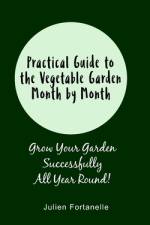
Dreaming of a flourishing and productive garden, but feeling overwhelmed about where to start? Worry no more! This Practical Guide is specially designed for gardening enthusiasts who are beginners and wish to create and maintain their garden month by month.A Simplified Calendar for Each Month: Discover a detailed calendar, month by month, highlighting essential plantings to ensure optimal growth of your vegetables and fruits. From January to December, follow simple instructions to make your garden thrive without hassle!Expert Tips and Accessible Tricks: Learn how to prepare your soil, start indoor seedlings, protect your crops from frost, and much more. Our expert advice is presented in an accessible manner, guiding you at every step to avoid common mistakes and maximize your chances of success.Delicious Harvests at Your Fingertips: Rejoice in harvesting fresh and flavorful vegetables throughout the year! Explore the best varieties to grow for each season and enjoy your well-deserved harvest without complications.Ecological and Sustainable Garden: Embrace an environmentally friendly approach with our tips on composting, weed management, and other ecological methods. Transform your garden into a sustainable and nature-friendly space.Become a Accomplished Gardener: Whether you're a total beginner or have already developed some gardening skills, this practical guide will accompany you throughout your journey. Plan, plant, and harvest with confidence, laying the groundwork to become an accomplished gardener.Don't wait any longer to create a flourishing garden, order this essential guide now, and embark on a rewarding adventure with your garden. Plant, harvest, savor, and celebrate the magic of your garden all year round!
Dive into the enchanting world of hyssop cultivation with our comprehensive guide, 'Blooms of Aroma: The Art and Science of Hyssop Gardening.' Whether you're a seasoned herb enthusiast or a budding gardener, this book is your passport to unlocking the secrets of growing, harvesting, and enjoying the benefits of this versatile herb. Discover the joy of cultivating hyssop in your own backyard, from selecting the perfect variety to creating a thriving herb garden. Unearth the rich history and cultural significance of hyssop while gaining practical insights into its culinary and medicinal uses. Explore the chapters on soil preparation, watering techniques, and pest management, ensuring your hyssop plants flourish under your care. Delve into the art of companion planting and discover how hyssop can be a steadfast ally in promoting garden harmony. 'Blooms of Aroma' goes beyond the ordinary gardening guide, offering you expert tips on harvesting at the peak of flavor, drying and storing for year-round use, and even extracting essential oils for a fragrant journey into aromatherapy. Whether you're seeking to enhance your culinary creations or explore the healing properties of herbs, this book is your trusted companion. Engaging narratives, vivid imagery, and step-by-step instructions make this guide not just informative but a delightful read for anyone passionate about cultivating nature's aromatic wonders. Embark on a journey with 'Blooms of Aroma, ' and let the vibrant world of hyssop cultivation unfold before you. Transform your garden into a fragrant haven, where each bloom tells a story of nature's beauty and the joy of hands-on cultivation. Your hyssop adventure awaits!"
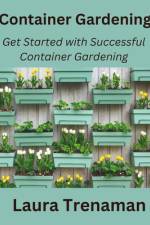
"Container Gardening: Get Started with Successful Container Gardening" is the ultimate guide for anyone looking to create a thriving garden in the limited space of their balcony, patio, or even indoors.This comprehensive ebook is perfect for beginners who want to learn how to start container gardening and experienced gardeners who want to refine their skills. It covers everything you need to know, from choosing the right containers and soil to selecting the best plants and providing proper care.With easy-to-follow instructions and expert tips, you'll learn how to create stunning container gardens that will thrive and flourish. Whether you're interested in growing vegetables, herbs, or flowers, this ebook has got you covered.You'll discover how to: Select the right containers for your plants and spaceChoose the best soil and fertilizersWater and feed your plants for optimal growthPrevent and control common pests and diseasesCreate beautiful container garden designs that complement your spaceAnd much more!Whether you have a small balcony or a large outdoor space, this ebook will help you create a successful container garden that will bring you joy and beauty for years to come. So why wait? Start your container gardening journey today and watch your garden flourish!Download Your Copy Now...
In our modern world, supermarkets and grocery stores offer an abundance of Fruits, neatly arranged in colorful displays.Shoppers have access to a vast array of options, from leafy greens to vibrant bell peppers, without giving much thought to where or how these vegetables were grown. The convenience of purchasing fruits at the local store often overshadows the question of their origin, the conditions under which they were cultivated, and the use of chemical additives to maintain their freshness.The reality is that most fruits available in stores today are products of industrial-scale agriculture. They are typically grown in large monoculture fields, where the focus is on maximizing yield and profit. While this approach may provide an abundance of vegetables, it often comes at a cost to the environment and the quality of the produce.One of the major concerns in industrial agriculture is the extensive use of chemical fertilizers and pesticides. These chemicals are applied to enhance crop growth, control pests, and increase shelf life. While they may yield visually appealing fruits that remain fresh for an extended period, they can have adverse effects on both the environment and human health. Runoff from these chemicals can pollute waterways, harm wildlife, and disrupt ecosystems. Moreover, residual pesticides on vegetables can be harmful when consumed, contributing to concerns about food safety.In contrast to mass-produced fruits, there's a growing movement towards cultivating produce at home. Home gardening allows individuals to take control of their food supply, ensuring that the vegetables they consume are free from harmful chemicals. Here are some reasons why growing your fruits at home can be a preferable alternative: Quality Assurance: When you grow your fruits, you have full control over the growing conditions. You can choose organic methods and avoid the use of harmful chemicals, resulting in healthier, more nutrient-rich produce.Taste and Freshness: Homegrown fruits often have superior flavor and freshness compared to store-bought counterparts. They can be picked at the peak of ripeness, retaining their full taste and nutritional value.Environmental Benefits: Home gardening reduces the carbon footprint associated with transporting vegetables from distant farms to stores. It also promotes biodiversity and can contribute to local ecosystem health.Educational Value: Gardening provides an opportunity to connect with nature, learn about plant biology, and develop valuable skills. It's an excellent way to teach children about food sources and sustainability.Cost Savings: While there may be initial setup costs for gardening equipment and seeds, homegrown vegetables can ultimately save you money on grocery bills.Peace of Mind: Knowing exactly where your food comes from and how it's grown can provide a sense of security and satisfaction that store-bought produce often lacks.In conclusion, while the convenience of purchasing fruits at stores is undeniable, there are significant advantages to growing your own produce at home. By doing so, you can ensure that your fruits are natural, free from harmful chemicals, and grown under conditions that align with your values. Whether you have a small balcony, a backyard garden, or even just some windowsill space, home gardening can be a rewarding and environmentally responsible choice. It's a step towards a more sustainable and healthy way of nourishing yourself and your family.Therefore, I recommend that you choose this path, which will improve your health and give you a new hobby.
In our modern world, supermarkets and grocery stores offer an abundance of Fruits, neatly arranged in colorful displays.Shoppers have access to a vast array of options, from leafy greens to vibrant bell peppers, without giving much thought to where or how these vegetables were grown. The convenience of purchasing fruits at the local store often overshadows the question of their origin, the conditions under which they were cultivated, and the use of chemical additives to maintain their freshness.The reality is that most fruits available in stores today are products of industrial-scale agriculture. They are typically grown in large monoculture fields, where the focus is on maximizing yield and profit. While this approach may provide an abundance of vegetables, it often comes at a cost to the environment and the quality of the produce.One of the major concerns in industrial agriculture is the extensive use of chemical fertilizers and pesticides. These chemicals are applied to enhance crop growth, control pests, and increase shelf life. While they may yield visually appealing fruits that remain fresh for an extended period, they can have adverse effects on both the environment and human health. Runoff from these chemicals can pollute waterways, harm wildlife, and disrupt ecosystems. Moreover, residual pesticides on vegetables can be harmful when consumed, contributing to concerns about food safety.In contrast to mass-produced fruits, there's a growing movement towards cultivating produce at home. Home gardening allows individuals to take control of their food supply, ensuring that the vegetables they consume are free from harmful chemicals. Here are some reasons why growing your fruits at home can be a preferable alternative: Quality Assurance: When you grow your fruits, you have full control over the growing conditions. You can choose organic methods and avoid the use of harmful chemicals, resulting in healthier, more nutrient-rich produce.Taste and Freshness: Homegrown fruits often have superior flavor and freshness compared to store-bought counterparts. They can be picked at the peak of ripeness, retaining their full taste and nutritional value.Environmental Benefits: Home gardening reduces the carbon footprint associated with transporting vegetables from distant farms to stores. It also promotes biodiversity and can contribute to local ecosystem health.Educational Value: Gardening provides an opportunity to connect with nature, learn about plant biology, and develop valuable skills. It's an excellent way to teach children about food sources and sustainability.Cost Savings: While there may be initial setup costs for gardening equipment and seeds, homegrown vegetables can ultimately save you money on grocery bills.Peace of Mind: Knowing exactly where your food comes from and how it's grown can provide a sense of security and satisfaction that store-bought produce often lacks.In conclusion, while the convenience of purchasing fruits at stores is undeniable, there are significant advantages to growing your own produce at home. By doing so, you can ensure that your fruits are natural, free from harmful chemicals, and grown under conditions that align with your values. Whether you have a small balcony, a backyard garden, or even just some windowsill space, home gardening can be a rewarding and environmentally responsible choice. It's a step towards a more sustainable and healthy way of nourishing yourself and your family.Therefore, I recommend that you choose this path, which will improve your health and give you a new hobby.
In our modern world, supermarkets and grocery stores offer an abundance of Fruits, neatly arranged in colorful displays.Shoppers have access to a vast array of options, from leafy greens to vibrant bell peppers, without giving much thought to where or how these vegetables were grown. The convenience of purchasing fruits at the local store often overshadows the question of their origin, the conditions under which they were cultivated, and the use of chemical additives to maintain their freshness.The reality is that most fruits available in stores today are products of industrial-scale agriculture. They are typically grown in large monoculture fields, where the focus is on maximizing yield and profit. While this approach may provide an abundance of vegetables, it often comes at a cost to the environment and the quality of the produce.One of the major concerns in industrial agriculture is the extensive use of chemical fertilizers and pesticides. These chemicals are applied to enhance crop growth, control pests, and increase shelf life. While they may yield visually appealing fruits that remain fresh for an extended period, they can have adverse effects on both the environment and human health. Runoff from these chemicals can pollute waterways, harm wildlife, and disrupt ecosystems. Moreover, residual pesticides on vegetables can be harmful when consumed, contributing to concerns about food safety.In contrast to mass-produced fruits, there's a growing movement towards cultivating produce at home. Home gardening allows individuals to take control of their food supply, ensuring that the vegetables they consume are free from harmful chemicals. Here are some reasons why growing your fruits at home can be a preferable alternative: Quality Assurance: When you grow your fruits, you have full control over the growing conditions. You can choose organic methods and avoid the use of harmful chemicals, resulting in healthier, more nutrient-rich produce.Taste and Freshness: Homegrown fruits often have superior flavor and freshness compared to store-bought counterparts. They can be picked at the peak of ripeness, retaining their full taste and nutritional value.Environmental Benefits: Home gardening reduces the carbon footprint associated with transporting vegetables from distant farms to stores. It also promotes biodiversity and can contribute to local ecosystem health.Educational Value: Gardening provides an opportunity to connect with nature, learn about plant biology, and develop valuable skills. It's an excellent way to teach children about food sources and sustainability.Cost Savings: While there may be initial setup costs for gardening equipment and seeds, homegrown vegetables can ultimately save you money on grocery bills.Peace of Mind: Knowing exactly where your food comes from and how it's grown can provide a sense of security and satisfaction that store-bought produce often lacks.In conclusion, while the convenience of purchasing fruits at stores is undeniable, there are significant advantages to growing your own produce at home. By doing so, you can ensure that your fruits are natural, free from harmful chemicals, and grown under conditions that align with your values. Whether you have a small balcony, a backyard garden, or even just some windowsill space, home gardening can be a rewarding and environmentally responsible choice. It's a step towards a more sustainable and healthy way of nourishing yourself and your family.Therefore, I recommend that you choose this path, which will improve your health and give you a new hobby.
In our modern world, supermarkets and grocery stores offer an abundance of Fruits, neatly arranged in colorful displays.Shoppers have access to a vast array of options, from leafy greens to vibrant bell peppers, without giving much thought to where or how these vegetables were grown. The convenience of purchasing fruits at the local store often overshadows the question of their origin, the conditions under which they were cultivated, and the use of chemical additives to maintain their freshness.The reality is that most fruits available in stores today are products of industrial-scale agriculture. They are typically grown in large monoculture fields, where the focus is on maximizing yield and profit. While this approach may provide an abundance of vegetables, it often comes at a cost to the environment and the quality of the produce.One of the major concerns in industrial agriculture is the extensive use of chemical fertilizers and pesticides. These chemicals are applied to enhance crop growth, control pests, and increase shelf life. While they may yield visually appealing fruits that remain fresh for an extended period, they can have adverse effects on both the environment and human health. Runoff from these chemicals can pollute waterways, harm wildlife, and disrupt ecosystems. Moreover, residual pesticides on vegetables can be harmful when consumed, contributing to concerns about food safety.In contrast to mass-produced fruits, there's a growing movement towards cultivating produce at home. Home gardening allows individuals to take control of their food supply, ensuring that the vegetables they consume are free from harmful chemicals. Here are some reasons why growing your fruits at home can be a preferable alternative: Quality Assurance: When you grow your fruits, you have full control over the growing conditions. You can choose organic methods and avoid the use of harmful chemicals, resulting in healthier, more nutrient-rich produce.Taste and Freshness: Homegrown fruits often have superior flavor and freshness compared to store-bought counterparts. They can be picked at the peak of ripeness, retaining their full taste and nutritional value.Environmental Benefits: Home gardening reduces the carbon footprint associated with transporting vegetables from distant farms to stores. It also promotes biodiversity and can contribute to local ecosystem health.Educational Value: Gardening provides an opportunity to connect with nature, learn about plant biology, and develop valuable skills. It's an excellent way to teach children about food sources and sustainability.Cost Savings: While there may be initial setup costs for gardening equipment and seeds, homegrown vegetables can ultimately save you money on grocery bills.Peace of Mind: Knowing exactly where your food comes from and how it's grown can provide a sense of security and satisfaction that store-bought produce often lacks.In conclusion, while the convenience of purchasing fruits at stores is undeniable, there are significant advantages to growing your own produce at home. By doing so, you can ensure that your fruits are natural, free from harmful chemicals, and grown under conditions that align with your values. Whether you have a small balcony, a backyard garden, or even just some windowsill space, home gardening can be a rewarding and environmentally responsible choice. It's a step towards a more sustainable and healthy way of nourishing yourself and your family.Therefore, I recommend that you choose this path, which will improve your health and give you a new hobby.
Our book is designed as a comprehensive guide for those who are new to the world of flowers.It aims to deepen your understanding and appreciation of these natural beauties, addressing key questions that often puzzle beginners. Basically, my content is directed for beginners to help them take the first steps in turning into an expert of flowers. Moreover, the book includes exclusive bonus content.This additional material is packed with valuable information, tips, and insights that are not commonly found in other guides. This extra content is particularly useful for readers who are eager to expand their knowledge beyond the basics. The core focus of my book is on guiding novices through the initial, often challenging stages of learning about flowers.It's structured to be easily comprehensible, providing step-by-step guidance that transforms a beginner into a knowledgeable enthusiast.Whether it's understandingdifferent types of flowerslearning about their caremaintenanceexploring the fascinating aspects of their growth and developmentThis book covers it all in a friendly and engaging manner In essence, this book is more than just a guide which you can find on the Internet, this is a complete answer to your exact question
Our book is designed as a comprehensive guide for those who are new to the world of flowers.It aims to deepen your understanding and appreciation of these natural beauties, addressing key questions that often puzzle beginners. Basically, my content is directed for beginners to help them take the first steps in turning into an expert of flowers. Moreover, the book includes exclusive bonus content.This additional material is packed with valuable information, tips, and insights that are not commonly found in other guides. This extra content is particularly useful for readers who are eager to expand their knowledge beyond the basics. The core focus of my book is on guiding novices through the initial, often challenging stages of learning about flowers.It's structured to be easily comprehensible, providing step-by-step guidance that transforms a beginner into a knowledgeable enthusiast.Whether it's understandingdifferent types of flowerslearning about their caremaintenanceexploring the fascinating aspects of their growth and developmentThis book covers it all in a friendly and engaging manner In essence, this book is more than just a guide which you can find on the Internet, this is a complete answer to your exact question
Our book is designed as a comprehensive guide for those who are new to the world of flowers.It aims to deepen your understanding and appreciation of these natural beauties, addressing key questions that often puzzle beginners. Basically, my content is directed for beginners to help them take the first steps in turning into an expert of flowers. Moreover, the book includes exclusive bonus content.This additional material is packed with valuable information, tips, and insights that are not commonly found in other guides. This extra content is particularly useful for readers who are eager to expand their knowledge beyond the basics. The core focus of my book is on guiding novices through the initial, often challenging stages of learning about flowers.It's structured to be easily comprehensible, providing step-by-step guidance that transforms a beginner into a knowledgeable enthusiast.Whether it's understandingdifferent types of flowerslearning about their caremaintenanceexploring the fascinating aspects of their growth and developmentThis book covers it all in a friendly and engaging manner In essence, this book is more than just a guide which you can find on the Internet, this is a complete answer to your exact question
Pauley Trivett is not just an author; she is a passionate advocate for the transformative power of flowers. With a background deeply rooted in horticulture and a heart that beats for the beauty of blooms, Pauley has become a beacon of inspiration in the world of flower arranging. Her journey into the floral realm began in the idyllic landscapes of her childhood, where she found solace and joy among the petals and leaves of her family's garden. Over the years, Pauley honed her skills, cultivating a profound understanding of the art and science behind turning cut flowers into captivating arrangements. As a seasoned flower enthusiast, Pauley recognized the universal appeal of blossoms and the desire within many to explore the art of floral design. It was this realization that fueled her mission to demystify the world of flower arranging and make it accessible to everyone. "Floral Splendor," Pauley's comprehensive guide, is a testament to her dedication to sharing the joy and creativity that flowers can bring. Through its pages, she weaves a narrative that goes beyond mere instructions, inviting readers into a world where the beauty of cut flowers becomes a source of inspiration, expression, and connection. Pauley's approach is marked by a genuine love for her craft and a desire to empower others to explore their floral creativity. Whether you're a novice seeking the basics or an experienced enthusiast looking for advanced techniques, Pauley's insights offer a guiding hand, making the art of flower arranging an enjoyable and fulfilling endeavor. Beyond her written work, Pauley is an active member of the floral community, conducting workshops, and participating in events that celebrate the beauty of blooms. Her warm and approachable demeanor has earned her a dedicated following, and her impact extends far beyond the pages of her book. With "Floral Splendor," Pauley Trivett invites you to join her on a journey into the world of flowers, where each petal holds the promise of creativity and the potential to transform the ordinary into the extraordinary. Grab a copy and start reading today.
40 Detailed IllustrationsCherished Companions Coloring BookGreat for Gifts or just for funSuitable for all agesHours of enjoyment
The "Wild Flower Coloring Book" is a delightful and engaging coloring bookWith the help of this amazing coloring book, you may lose yourself in the fascinating floral world.This book, which features 50 beautiful flower illustrations, is meant to let your imagination run wild and offer a relaxing coloring experience.Every page features beautiful, delicate floral arrangements that have been painstakingly made with every last detail in mind.With enough room for coloring and a letter-size style.To fully make these blooms appear, allow yourselfr to select your favorite vibrant tones.This coloring book is a fun diversion into the floral world for colorists of all skill levels.
Cultivate Your Health, Grow Your Own Medicinal Mushrooms Whether are a hobbyist or as an established farmer, it is now easy to dive into the fascinating world of fungi with "Mushroom Farming for Beginners," with the secrets exposed in this essential handbook to cultivating medicinal mushrooms right in the comfort of your home. This comprehensive guide not only equips you with the knowledge to successfully grow mushrooms but also unveils a treasure trove of delicious recipes, turning your homegrown harvest into culinary delights. Flipping the pages, you'll: Discover the Art of Mushroom Cultivation: Explore every step of the mushroom farming journey, from selecting the right mushroom varieties to creating the ideal growing environment. This book is not just a guide; it's your mentor in cultivating a thriving mushroom farm, even if you're a complete beginner. Transform Your Harvest into Culinary Delights: Unlock the culinary potential of your homegrown mushrooms with a diverse array of recipes. From savory mushroom soups to mouthwatering stir-fries, each recipe is a celebration of the rich, earthy flavors that these medicinal wonders can bring to your table. Nurture Your Health with Medicinal Mushrooms: Delve into the medicinal properties of mushrooms and discover how incorporating them into your diet can contribute to your overall well-being. This book is your gateway to a healthier lifestyle through the cultivation and consumption of these powerful fungi. Secure Your Copy and Embark on Your Mushroom Farming Journey: "Mushroom Farming for Beginners" is more than a book; it's your key to unlocking the secrets of successful mushroom cultivation and enjoying the delicious rewards. Don't miss the opportunity to learn, grow, and savor the flavors of homegrown mushrooms. Purchase your copy now and embark on a transformative journey to cultivate health and culinary excellence. Now is the most appropriate time to transform your harvest and convert that small space into a bountiful mushroom farm - Order Your Copy Today!
Broccoli farming is the process of growing and harvesting broccoli, a popular and healthy vegetable. Broccoli is a member of the cabbage family (Brassicaceae) and is grown during the cool months of the year (Brassica oleracea var. italica).The green, densely packed florets of its flowering head are edible, as are the plant's stems and leaves. Growing broccoli for either domestic or commercial use entails a specific set of procedures and methods.Important facets of growing broccoli include: - Site selection refers to the process of identifying a suitable location with suitable soil drainage and sunlight exposure. Planting broccoli is best done in the spring or fall, and it thrives in cool climates.- Tilling or plowing the soil, adding organic matter, and adjusting the pH as needed are all steps in soil preparation.- Growing broccoli is easy, whether you start with seeds or transplants. Transplants are favored by many farmers because they guarantee uniform growth and save so much time. It's important to give the plants adequate room to flourish.- Watering the plants regularly and sufficiently, as healthy broccoli growth depends on a consistently moist soil environment.- Fertilization: Applying the appropriate fertilizers and nutrients to promote healthy plant growth and broccoli head development.- Controlling and preventing pests and diseases, such as aphids, cabbage worms, and fungal diseases, from wreaking havoc on your crop is what we call "pest and disease management."- Broccoli is ready for harvesting when the central head is tight and firm. Broccoli's quality and flavor are dependent on the timing of its harvest.- Careful post-harvest processing is essential for keeping harvested broccoli at its peak of freshness and nutritional value.It is possible to grow broccoli either on a small scale for home consumption or on a large scale for commercial purposes. Broccoli's high concentration of beneficial nutrients has earned it widespread praise. It is an important crop for both home gardeners and commercial farmers because of its wide range of culinary uses.
In our modern world, supermarkets and grocery stores offer an abundance of Fruits, neatly arranged in colorful displays.Shoppers have access to a vast array of options, from leafy greens to vibrant bell peppers, without giving much thought to where or how these vegetables were grown. The convenience of purchasing fruits at the local store often overshadows the question of their origin, the conditions under which they were cultivated, and the use of chemical additives to maintain their freshness.The reality is that most fruits available in stores today are products of industrial-scale agriculture. They are typically grown in large monoculture fields, where the focus is on maximizing yield and profit. While this approach may provide an abundance of vegetables, it often comes at a cost to the environment and the quality of the produce.One of the major concerns in industrial agriculture is the extensive use of chemical fertilizers and pesticides. These chemicals are applied to enhance crop growth, control pests, and increase shelf life. While they may yield visually appealing fruits that remain fresh for an extended period, they can have adverse effects on both the environment and human health. Runoff from these chemicals can pollute waterways, harm wildlife, and disrupt ecosystems. Moreover, residual pesticides on vegetables can be harmful when consumed, contributing to concerns about food safety.In contrast to mass-produced fruits, there's a growing movement towards cultivating produce at home. Home gardening allows individuals to take control of their food supply, ensuring that the vegetables they consume are free from harmful chemicals. Here are some reasons why growing your fruits at home can be a preferable alternative: Quality Assurance: When you grow your fruits, you have full control over the growing conditions. You can choose organic methods and avoid the use of harmful chemicals, resulting in healthier, more nutrient-rich produce.Taste and Freshness: Homegrown fruits often have superior flavor and freshness compared to store-bought counterparts. They can be picked at the peak of ripeness, retaining their full taste and nutritional value.Environmental Benefits: Home gardening reduces the carbon footprint associated with transporting vegetables from distant farms to stores. It also promotes biodiversity and can contribute to local ecosystem health.Educational Value: Gardening provides an opportunity to connect with nature, learn about plant biology, and develop valuable skills. It's an excellent way to teach children about food sources and sustainability.Cost Savings: While there may be initial setup costs for gardening equipment and seeds, homegrown vegetables can ultimately save you money on grocery bills.Peace of Mind: Knowing exactly where your food comes from and how it's grown can provide a sense of security and satisfaction that store-bought produce often lacks.In conclusion, while the convenience of purchasing fruits at stores is undeniable, there are significant advantages to growing your own produce at home. By doing so, you can ensure that your fruits are natural, free from harmful chemicals, and grown under conditions that align with your values. Whether you have a small balcony, a backyard garden, or even just some windowsill space, home gardening can be a rewarding and environmentally responsible choice. It's a step towards a more sustainable and healthy way of nourishing yourself and your family.Therefore, I recommend that you choose this path, which will improve your health and give you a new hobby.
In our modern world, supermarkets and grocery stores offer an abundance of Fruits, neatly arranged in colorful displays.Shoppers have access to a vast array of options, from leafy greens to vibrant bell peppers, without giving much thought to where or how these vegetables were grown. The convenience of purchasing fruits at the local store often overshadows the question of their origin, the conditions under which they were cultivated, and the use of chemical additives to maintain their freshness.The reality is that most fruits available in stores today are products of industrial-scale agriculture. They are typically grown in large monoculture fields, where the focus is on maximizing yield and profit. While this approach may provide an abundance of vegetables, it often comes at a cost to the environment and the quality of the produce.One of the major concerns in industrial agriculture is the extensive use of chemical fertilizers and pesticides. These chemicals are applied to enhance crop growth, control pests, and increase shelf life. While they may yield visually appealing fruits that remain fresh for an extended period, they can have adverse effects on both the environment and human health. Runoff from these chemicals can pollute waterways, harm wildlife, and disrupt ecosystems. Moreover, residual pesticides on vegetables can be harmful when consumed, contributing to concerns about food safety.In contrast to mass-produced fruits, there's a growing movement towards cultivating produce at home. Home gardening allows individuals to take control of their food supply, ensuring that the vegetables they consume are free from harmful chemicals. Here are some reasons why growing your fruits at home can be a preferable alternative: Quality Assurance: When you grow your fruits, you have full control over the growing conditions. You can choose organic methods and avoid the use of harmful chemicals, resulting in healthier, more nutrient-rich produce.Taste and Freshness: Homegrown fruits often have superior flavor and freshness compared to store-bought counterparts. They can be picked at the peak of ripeness, retaining their full taste and nutritional value.Environmental Benefits: Home gardening reduces the carbon footprint associated with transporting vegetables from distant farms to stores. It also promotes biodiversity and can contribute to local ecosystem health.Educational Value: Gardening provides an opportunity to connect with nature, learn about plant biology, and develop valuable skills. It's an excellent way to teach children about food sources and sustainability.Cost Savings: While there may be initial setup costs for gardening equipment and seeds, homegrown vegetables can ultimately save you money on grocery bills.Peace of Mind: Knowing exactly where your food comes from and how it's grown can provide a sense of security and satisfaction that store-bought produce often lacks.In conclusion, while the convenience of purchasing fruits at stores is undeniable, there are significant advantages to growing your own produce at home. By doing so, you can ensure that your fruits are natural, free from harmful chemicals, and grown under conditions that align with your values. Whether you have a small balcony, a backyard garden, or even just some windowsill space, home gardening can be a rewarding and environmentally responsible choice. It's a step towards a more sustainable and healthy way of nourishing yourself and your family.Therefore, I recommend that you choose this path, which will improve your health and give you a new hobby.
In our modern world, supermarkets and grocery stores offer an abundance of Fruits, neatly arranged in colorful displays.Shoppers have access to a vast array of options, from leafy greens to vibrant bell peppers, without giving much thought to where or how these vegetables were grown. The convenience of purchasing fruits at the local store often overshadows the question of their origin, the conditions under which they were cultivated, and the use of chemical additives to maintain their freshness.The reality is that most fruits available in stores today are products of industrial-scale agriculture. They are typically grown in large monoculture fields, where the focus is on maximizing yield and profit. While this approach may provide an abundance of vegetables, it often comes at a cost to the environment and the quality of the produce.One of the major concerns in industrial agriculture is the extensive use of chemical fertilizers and pesticides. These chemicals are applied to enhance crop growth, control pests, and increase shelf life. While they may yield visually appealing fruits that remain fresh for an extended period, they can have adverse effects on both the environment and human health. Runoff from these chemicals can pollute waterways, harm wildlife, and disrupt ecosystems. Moreover, residual pesticides on vegetables can be harmful when consumed, contributing to concerns about food safety.In contrast to mass-produced fruits, there's a growing movement towards cultivating produce at home. Home gardening allows individuals to take control of their food supply, ensuring that the vegetables they consume are free from harmful chemicals. Here are some reasons why growing your fruits at home can be a preferable alternative: Quality Assurance: When you grow your fruits, you have full control over the growing conditions. You can choose organic methods and avoid the use of harmful chemicals, resulting in healthier, more nutrient-rich produce.Taste and Freshness: Homegrown fruits often have superior flavor and freshness compared to store-bought counterparts. They can be picked at the peak of ripeness, retaining their full taste and nutritional value.Environmental Benefits: Home gardening reduces the carbon footprint associated with transporting vegetables from distant farms to stores. It also promotes biodiversity and can contribute to local ecosystem health.Educational Value: Gardening provides an opportunity to connect with nature, learn about plant biology, and develop valuable skills. It's an excellent way to teach children about food sources and sustainability.Cost Savings: While there may be initial setup costs for gardening equipment and seeds, homegrown vegetables can ultimately save you money on grocery bills.Peace of Mind: Knowing exactly where your food comes from and how it's grown can provide a sense of security and satisfaction that store-bought produce often lacks.In conclusion, while the convenience of purchasing fruits at stores is undeniable, there are significant advantages to growing your own produce at home. By doing so, you can ensure that your fruits are natural, free from harmful chemicals, and grown under conditions that align with your values. Whether you have a small balcony, a backyard garden, or even just some windowsill space, home gardening can be a rewarding and environmentally responsible choice. It's a step towards a more sustainable and healthy way of nourishing yourself and your family.Therefore, I recommend that you choose this path, which will improve your health and give you a new hobby.
"Dive into the enchanting world of succulent gardening with our comprehensive guide designed for beginners! 'Succulent Gardening for Beginners: Cultivating Beauty with the Essential Elements of Success' is your key to unlocking the secrets of vibrant, low-maintenance greenery. Discover the art of selecting the perfect succulents, from resilient Aloe to charming Echeveria, and embark on a journey of hands-on learning. Unearth the magic of well-draining soil, as we guide you through the creation of the ideal growing environment that will make your succulents thrive. Learn the delicate balance of providing just the right amount of light, and master the art of watering with our expert tips, ensuring your succulents flourish without the risk of overwatering. Delve into the nuances of temperature control and humidity management, creating the optimal conditions for your succulents to bask in. Fertilizing, pruning, and propagation techniques are demystified, empowering you to care for your succulents with confidence. Stay vigilant against pests with our proactive monitoring strategies, preserving the health and beauty of your prized plants. With 'Succulent Gardening for Beginners, ' you're not just cultivating a garden - you're creating a sanctuary of natural elegance. Join us on this captivating journey as you transform your space into a haven of succulent splendor. Whether you're a novice or a seasoned gardener, this book is your indispensable companion for cultivating beauty with the essential elements of success in succulent gardening."
There's something inherently cozy about spending a lazy weekend at a cabin. Disconnecting from the city and reconnecting with nature has proven health benefits but we happen to believe it's even better when the interior matches the splendor of the natural landscape. There's something inherently cozy about spending a lazy weekend at a cabin. Disconnecting from the city and reconnecting with nature has proven health benefits but we happen to believe it's even better when the interior matches the splendor of the natural landscape.
Embark on a journey of serenity and creativity with "Bonsai for Beginners." This comprehensive guide unveils the secrets of the ancient art of bonsai gardening, allowing you to cultivate your own miniature oasis of tranquility and beauty. Discover the benefits that await you and transform your world into a haven of well-being: Experience the Benefits: ✓Harmony in Nature: Cultivate a sense of harmony and balance in your life by nurturing and shaping your own miniature bonsai masterpiece.✓Stress-Relief and Relaxation: Immerse yourself in the therapeutic world of bonsai gardening, finding peace and tranquility in the meditative process of shaping and tending to your bonsai trees.✓Connection with Nature: Bring the beauty of the outdoors into your living space, fostering a deep connection with nature and creating a calming environment.✓Aesthetic Mastery: Develop an eye for aesthetic design as you learn to shape and style your bonsai, transforming ordinary trees into living works of art.✓Well-being and Mindfulness: Enhance your overall well-being by engaging in the mindful practice of bonsai gardening, a delightful journey that nurtures your mental and emotional health.✓Personalized Zen Retreat: Create your own Zen retreat with a collection of carefully nurtured bonsai trees, infusing your living space with the tranquility and beauty of a miniature Eden.Transform your living space into a haven of serenity and beauty with "Bonsai for Beginners." This isn't just a guide; it's your invitation to embark on a journey of personal growth, well-being, and artistic expression. Seize this opportunity to foster harmony in your life, connect with nature, and create your own miniature bonsai Eden. Your journey into the art of bonsai gardening starts now - secure your copy, unlock the secrets of bonsai mastery, and cultivate a world of beauty and well-being in your own home. Act now for a life in harmony with nature!✅CLICK ON THE BUY NOW BOTTOM AND GRAB YOUR COPY RIGHT AWAY ✅
Abonner på vårt nyhetsbrev og få rabatter og inspirasjon til din neste leseopplevelse.
Ved å abonnere godtar du vår personvernerklæring.