





















Gjør som tusenvis av andre bokelskere
Abonner på vårt nyhetsbrev og få rabatter og inspirasjon til din neste leseopplevelse.
Ved å abonnere godtar du vår personvernerklæring.Du kan når som helst melde deg av våre nyhetsbrev.

Introducing The Ultimate Seed Saving Guide: Comprehensive Solution To Harvesting, Growing and Storing Seeds For Beginners. This informative guide is designed to equip novice gardeners with the essential knowledge and techniques to successfully save seeds from their plants. With step-by-step instructions, expert gardening advice, and comprehensive explanations, this guide is your one-stop resource for seed saving. - Step-by-step instructions: This guide takes you through every step of the seed saving process, from selecting the right seeds to harvesting and storing them. Each step is clearly explained and accompanied by detailed illustrations, making it easy for beginners to follow along. - Expert gardening advice: Written by seasoned gardeners, this guide offers valuable insights and tips based on years of experience. Whether you're a complete beginner or have some gardening knowledge, you'll find useful advice to improve your seed saving skills. - Comprehensive coverage: The Ultimate Seed Saving Guide covers a wide range of seeds, including vegetables, herbs, flowers, and more. No matter what type of plants you're growing, you'll find guidance on how to save their seeds effectively. Benefits: - Cost-effective: By saving seeds from your own plants, you eliminate the need to purchase new seeds every growing season. This not only saves you money but also ensures that you have a constant supply of high-quality seeds. - Preservation of biodiversity: Seed saving plays a crucial role in preserving heirloom and rare plant varieties. By learning how to save seeds, you contribute to the conservation of diverse plant genetics and help maintain biodiversity. - Self-sufficiency: With the knowledge and skills gained from The Ultimate Seed Saving Guide, you can become more self-sufficient by producing your own seeds. This empowers you to have control over your food production and reduces reliance on external seed sources. All information provided in The Ultimate Seed Saving Guide is thoroughly researched and verified by expert gardeners. The guide has been meticulously reviewed and edited to ensure accuracy and relevance. We are confident that you will find the content of the highest quality and practicality. Unlock the secrets of successful seed saving today! Get your copy of The Ultimate Seed Saving Guide: Comprehensive Solution To Harvesting, Growing and Storing Seeds For Beginners and start saving seeds like a pro. Join the growing community of gardeners who have taken control of their seed supply and empowered themselves with self-sufficiency. Order now and embark on your seed-saving journey!
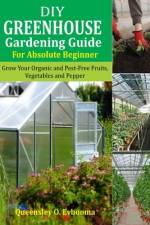
About the Book Dive into the vibrant world of greenhouse gardening with our comprehensive guide tailored for absolute beginners. 'DIY Greenhouse Gardening Guide' is your passport to cultivating organic, pest-free fruits, vegetables, and peppers right in your backyard, regardless of your prior gardening experience. This book serves as your trusted companion, unveiling the secrets of greenhouse gardening from the ground up. From selecting the perfect greenhouse to understanding microclimates, mastering plant care, and combating pests and diseases, each chapter equips you with the knowledge to flourish as a greenhouse gardener. Discover the art of creating optimal growing conditions, harnessing natural elements, and maximizing your harvest throughout the seasons. Uncover the magic of starting from seeds, nurturing thriving plants, and relishing the fruits of your labor with delightful recipes straight from your greenhouse bounty. Moreover, delve into advanced techniques like hydroponics, aquaponics, and controlled environment agriculture, elevating your understanding and practice to the next level. With a monthly planting calendar and troubleshooting advice, you'll be confidently planning and caring for your greenhouse garden all year round. Experience the joy of sustainable, bountiful gardening and embark on a fulfilling journey toward homegrown abundance with our 'DIY Greenhouse Gardening Guide.' Let this book be your gateway to a thriving, organic oasis right in your backyard. Key Takeaways when you purchase this book include: Greenhouse Essentials: Understand the benefits of greenhouse gardening, why it's a game-changer, and how to select the right greenhouse for your needs.Getting Started: Dive into the basics of greenhouse gardening, exploring different types of greenhouses, considering their construction, size, and the essential tools and equipment required.Greenhouse Microclimates: Master the art of controlling temperature, humidity, and ventilation within your greenhouse, optimizing conditions for plant growth.Plant Selection and Care: Learn to choose the right plants for your greenhouse, caring for them from seed sowing to transplanting and potting, with a focus on different plant types.Maximizing Your Greenhouse: Discover strategies to create and maintain optimal microclimates in your greenhouse. Effectively manage pests, diseases, and maximize space utilization.Harvesting and Preservation: Gain insights into preserving your greenhouse produce through canning and explore delicious recipes using your homegrown crops.Troubleshooting and Maintenance: Understand common problems in greenhouse gardening, from soil depletion to pest management, and learn how to troubleshoot and maintain your greenhouse.Advanced Techniques: Explore advanced greenhouse techniques like hydroponics, aquaponics, and controlled environment agriculture for a deeper understanding and future planning.Planning Your Growing Season: Use the monthly planting calendar to strategically plan your greenhouse garden throughout the year, understanding the role of temperature in different seasons.Greenhouse Gardening Terms: Familiarize yourself with essential terminologies, ensuring you understand and speak the language of greenhouse gardening fluently.Whether you're a novice eager to start your gardening journey or seeking to enhance your greenhouse expertise, this book equips you with the knowledge and practical guidance needed to cultivate a bountiful and thriving greenhouse garden. CLICK THE BUY BUTTON AT THE TOP RIGHT TO GET IT
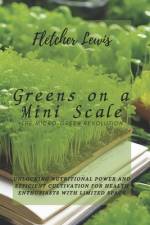
Dive into the world of Micro-Greens with our comprehensive guide! Discover the nutritional wonders packed into these tiny greens and learn how to cultivate them easily, even in the smallest spaces. From concentrated nutrients to year-round cultivation, this book is your key to growing and enjoying fresh, home-grown greens. Enhance your diet with a burst of health in every bite - the Micro-Green way!
The Evolution of Dress Forms: From Tradition to Technology takes readers on an immersive exploration of the multifaceted world of dress forms. From their humble origins as simple mannequins to their technologically advanced iterations in the digital age, dress forms have been essential tools in the evolution of fashion. This book delves into the historical, cultural, and artistic significance of dress forms, examining their role in fashion education, retail, performance art, and global fashion. Through captivating narratives and insightful analysis, readers gain a deeper understanding of how dress forms have shaped and continue to influence the dynamic landscape of fashion.
Experienced mushroom hunter Emma remembers a life-changing experience she had with the elusive morel mushrooms deep in Oregon's Columbia River Gorge. Emma found a secret patch deep within the verdant woodlands, guided by the earthy aroma of the mushrooms. An exciting understanding struck when the first morel poked its head out of the leaf litter: the forest floor was a treasure mine of culinary delights. The "Oregon Edible Wild Plants Foraging: A Comprehensive Guide to Finding, Identifying, and Enjoying Oregon's Natural Bounty" is an indispensable resource for nature enthusiasts and foragers seeking to explore the bountiful wilderness of Oregon. This comprehensive guidebook provides in-depth information on a variety of edible plants found in Oregon's diverse ecosystems, enabling readers to confidently identify, harvest, and enjoy a wide array of wild edible plants. Highlights: 1. Extensive Coverage: With its comprehensive coverage of edible plants, this guidebook offers detailed descriptions and vivid photographs of over 100 species of wild plants found in Oregon. From succulent berries to nutritious greens, the book encompasses a wide range of plant varieties2. Easy-to-Follow Format: Organized alphabetically by each plant's common name, this guidebook allows for quick and effortless reference while exploring the outdoors. Each section provides detailed descriptions, vivid photographs, and clear identification tips, ensuring that foragers can confidently distinguish edible plants from similar, potentially harmful species. Benefits: Expands Culinary Horizons: Discover new flavors and incorporate a variety of wild, nutritious ingredients into your cooking repertoire. This guidebook equips readers with the skills and knowledge to identify, harvest, and prepare a diverse range of wild edibles, elevating your culinary experiences.Connection with Nature: Immerse yourself in the natural beauty of Oregon and deepen your connection with the environment. Foraging for edible plants not only provides a sense of adventure and exploration but also fosters an understanding and appreciation for the delicate balance of nature.Sustainable and Economical: By foraging for wild plants, you can reduce your ecological footprint and embrace a more sustainable lifestyle. By utilizing the abundant natural resources around you, you can supplement your diet with free, nutritious, and delicious foods.Whether you are a seasoned forager or a beginner, this guidebook caters to individuals of all levels of experience. Use it as a companion during hikes, camping trips, or leisurely walks through the wilderness. Quickly and confidently identify edible plants, learn about their various uses, and incorporate them into your meals. Written by experienced botanists and foraging experts, this guidebook guarantees accurate and reliable information. The plant descriptions are meticulously researched and accompanied by high-quality photographs to ensure precise identification. Embark on an exciting journey through Oregon's wilderness and unlock its hidden culinary treasures with the "Oregon Edible Wild Plants Foraging" guidebook. Expand your knowledge, embrace sustainable practices, and savor the flavors of nature. Order your copy today and embark on a rewarding foraging experience!
The purpose of a sauna, which is typically for health or relaxation purposes, is to experience dry or wet heat sessions in a compact room or space. It is believed that the sweating induced by the heat in a sauna has numerous health advantages, including stress relief, improved circulation, and detoxification. Saunas have been utilized in numerous cultures throughout the globe for centuries.Diverse varieties of saunas exist, such as: Dry Sauna (Finnish Sauna): This variant of the sauna maintains a relatively low relative humidity and warms the air with a radiator. Dry sauna temperatures typically range between 70 and 93 degrees Celsius and 160 to 200 degrees Fahrenheit.Steam Sauna (Steam Room): In contrast to dry saunas, steam rooms utilize steam generation to generate damp heat. In contrast to dry saunas, steam saunas have significantly higher relative humidity and typically cooler temperatures (110 to 120 degrees Fahrenheit; 43 to 49 degrees Celsius).Infrared saunas employ infrared emitters to produce infrared radiant heat, which is assimilated through the skin's surface. Compared to conventional saunas, these operate at reduced temperatures (around 120 to 150 degrees Fahrenheit or 49 to 66 degrees Celsius).Private residences, fitness centers, and resorts frequently feature saunas. They are widely utilized for socializing, relaxation, and the promotion of well-being.It is imperative to acknowledge that prior to utilizing saunas, individuals with specific health conditions--such as cardiovascular issues--should seek guidance from a healthcare professional due to the varying effects of heat on various individuals.
Consistent pool maintenance is critical for preserving a hygienic, secure, and pleasurable swimming environment. The following are several significant advantages of maintaining your pool: 1. Water Quality: Ensuring Health and Safety: Consistent upkeep contributes to the prevention of detrimental bacteria, viruses, and algae from inhabiting the water. As a result, the health and safety of swimmers are enhanced.Chemical Balance: Monitoring and modifying chemical concentrations, including chlorine, pH, alkalinity, and others, is an integral part of pool maintenance. This equilibrium is essential for maintaining water clarity and preventing irritation to the skin and eyes.2. Equipment Durability: Equipment Life Extension: Consistent equipment maintenance can effectively prolong the operational longevity of pool equipment, including pumps, filters, and heaters. This prevents expensive repairs and premature replacements.3. Energy Efficiency: Enhanced Energy Usage: Equipment that is properly maintained functions with greater efficiency, resulting in decreased energy consumption and utility expenses. This is environmentally responsible as well as economically advantageous.4. Aesthetic Appeal: Clean and Inviting: Consistent pool maintenance maintains immaculate pool water and a tidily organized pool area. By doing so, the aesthetic appeal of the pool and its environs is elevated, thereby increasing the ambiance that attracts swimmers and visitors.5. Financial Savings: Preventing Expensive Repairs: Consistent maintenance can detect and resolve minor concerns prior to their escalation into significant complications, thereby conserving money on potentially costly repairs.6. Time Conservation: Time Efficiency: Adhering to a consistent pool maintenance schedule can optimize the operation, resulting in reduced effort and time expenditure. This enables you to allocate more time towards savoring your pool as opposed to addressing problems.7. Adherence to Regulations: Legal Compliance: Health and safety regulations pertaining to swimming pool maintenance may vary depending on the geographical location. By adhering to these regulations with diligence, one can prevent the imposition of fines or other punitive measures.8. Optimal Swimming Experience: Sufficient Water Temperature: Consistent pool heater maintenance guarantees a consistent water temperature suitable for swimming, thereby augmenting the overall swimming experience for patrons.9. Algae and Stains Reduction: Algae Growth Prevention: Sufficient water circulation, filtration, and chemical equilibrium aid in the inhibition of algae proliferation. Due to their ability to produce turbid water and slick surfaces, algae pose safety risks.Stain Prevention: Adequate pool maintenance practices aid in the prevention of stain accumulation on pool surfaces, thereby safeguarding the pool's aesthetic integrity.10. Pool Structure Preservation: Erosion and Corrosion Prevention: Adequate maintenance practices and balanced water chemistry serve to avert corrosion on pool equipment and surfaces, thereby safeguarding the pool's structural integrity.Allocating sufficient time and energy towards consistent pool maintenance not only guarantees a secure and sanitary swimming environment but also yields long-term cost, time, and energy savings, all while safeguarding the pool's durability and aesthet
Discover how you can spruce up your living space, grow delicious (and nutritious!) produce, and boost your well-being - all with one simple fix! Have you got a little outside space but still want to experience nature's benefits? Are you looking to develop a low-effort hobby that can enhance your mood daily? Do you want to embark on an exciting journey that can involve the whole family and brighten up your home? How often have you accidentally killed a houseplant or accepted its fate and used plastic alternatives? Well, no more! Growing fruit trees is so much easier to keep alive, and what's more, they can bring you delicious fruit to enjoy every year! They also bring many health benefits, including decreasing stress and anxiety, reducing fatigue, improving pain tolerance, and more. Having plants inside the home can often seem daunting but fear not; there is a way to get all the benefits while using a low-effort, minimal-cost strategy suitable for anyone! This book will gently guide you through caring for fruit trees so you can easily accomplish this on your first try. Convenience is key when growing your fruits, and this guide has all the essential knowledge you need to get started. Inside, you will discover. Essential advice on choosing the suitable trees - with 40+ varieties, you are bound to find one that you can't wait to taste!Money-saving DIY recipes to cut costs and make it more affordable, regardless of your budget.How to choose the correct container to maximize growth.Advise on pruning, overwintering, and more so that you always have the necessary information.Disease and pest management tips to ensure you get the best yield possible with minimal frustration.Four of the best ways to store and preserve your harvest, along with helpful hints for knowing when the best time is to pick your fruit. Even if you think you don't have the time or the energy, once you get started, the plants do all the heavy lifting until it's time to enjoy the reward! Uncover the handy hacks and tips to keep your fruit trees thriving - even if you're away on vacation. The sooner you get going, the sooner you'll be able to enjoy this wonderful new hobby that will leave a smile on your face every day.
Hardy geraniums are an excellent choice for gardeners, both novice and seasoned, looking to add beauty and versatility to their outdoor spaces. With their ease of cultivation, long flowering season, low-maintenance requirements, and environmental benefits, these plants are a great addition to any garden. "Growing Hardy Geraniums Made Easy: Expert tips for gardeners" contains all of the tips and tricks needed in order to successfully cultivate your very own hardy geraniums.
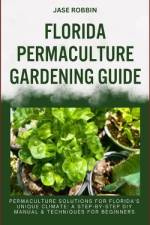
"Permanent agriculture" and "permanent culture" came together to form the term "permaculture," a method of sustainable and regenerative agricultural practices and human settlements. By studying and imitating natural patterns and ecosystems, adherents of permaculture aim to build human settlements that are both sustainable and harmonious.Important aspects of permaculture encompass: - The foundation of permaculture design is careful observation of natural patterns and ecosystems. Learning about the interplay of flora, fauna, soil, water, and weather is a part of this.- Design: Permaculture places an emphasis on well-planned designs to establish systems that are long-lasting, effective, and resourceful. Think about zoning, do a sector analysis, and put things where they can do the most good when you're designing.- Utilization of Natural Patterns: Permaculture promotes practices that are reminiscent of nature, such as utilizing water flow for irrigation, incorporating animals into farming systems, and using companion planting.- One of the most important aspects of permaculture is biodiversity. A system's resistance to pests, illnesses, and environmental changes can be enhanced by incorporating a diverse range of plants and animals.- Integration: Permaculture advocates for the harmonious coexistence of all parts of a system. When used in gardens, chicken tractors can do double duty as insect controllers and soil fertilizers.- To save energy, permaculture tries to cut down on waste while making the most of renewable resources. Making effective use of energy and requiring few external inputs are key components of such systems.- Create Small-scale, Intense Systems: Permaculture frequently entails developing systems that are small-scale and intensive, allowing for the management of limited resources. This goes against conventional farming methods that rely on extensive use of natural resources.- The focus of permaculture extends beyond the design of landscapes to the development of human societies that can withstand environmental stresses in the long run. As part of this effort, we must encourage responsible and ethical conduct, build stronger social bonds, and pool our resources.Many fields and activities can benefit from permaculture practices, such as food production, landscaping, building design, water conservation, and community building. The objective is to design eco-friendly technologies that can withstand and even thrive in harsh environments. Permaculture is an all-encompassing method that aims to build regenerative and sustainable solutions by acknowledging the interdependence of all parts in a system.
Shiba Inu Coloring Book: Beautiful Shiba Inu dogs in Mandala, and other art styles for your enjoyment. Relax and relieve stress through mindfulness with coloring with our best friends. Small Business Large Format Artist made
Are you ready to embark on an exciting journey into the world of homegrown goodness?Dive into the art of backyard vegetable gardening, even if you've never planted a seed before! 'THIS GUIDE' is your go-to companion for cultivating a vibrant and delicious harvest right in your own backyard. Discover the Joy of Growing: From selecting the perfect plot to nurturing your plants with care, this guide demystifies the gardening process, making it accessible and enjoyable for beginners. Easy-to-Follow Techniques: Learn foolproof planting techniques, watering hacks, and soil enrichment strategies that guarantee success. Say goodbye to guesswork and hello to a bountiful harvest. Year-Round Gardening: Uncover the secrets of seasonal gardening, ensuring you have fresh produce at your fingertips throughout the year. With a well-planned calendar, your garden becomes a perpetual source of delight. Sustainable Gardening Practices: Join the green revolution! 'Backyard Bounty' empowers you with eco-friendly tips, sustainable practices, and a guide to reducing your environmental footprint. Thriving Together: Dive into the world of companion planting, where your vegetables support each other for optimal growth. Watch your garden flourish as you unlock the art of planting harmony. Natural Pest Control: Bid farewell to unwanted garden guests using natural and organic pest control methods. Protect your plants without harsh chemicals, creating a safe haven for your edible treasures. Ready to transform your backyard into a thriving vegetable paradise?This guide is your passport to a rewarding and delicious adventure.Embrace the joy of homegrown goodness; your journey begins here
Zanurz się w fascynującym świecie drzew figowych dzięki "Fig Trees Abundance: The Global Encyclopedia". Ta obszerna książka zaprasza Cię do poznania każdego zakątka życia i kultury tych kultowych drzew, które od wieków urzekają ludzkośc. Odkryj sekrety rozmnażania i uprawy drzew figowych, od tradycyjnych metod po innowacyjne techniki, badając ich rolę w historii, sztuce, kuchni, duchowości i medycynie. Starannie opracowane rozdzialy poprowadzą Cię przez różne aspekty drzew figowych, od legend i mitów po ich wykorzystanie w praktykach kulinarnych, leczniczych i artystycznych. Zanurz się w starożytnych i wspólczesnych tradycjach, poznaj unikalne odmiany drzew figowych pasujących do każdego regionu i dowiedz się, jak skutecznie uprawiac te drzewa, nawet w trudnych warunkach klimatycznych. Niezależnie od tego, czy jesteś zapalonym ogrodnikiem, milośnikiem jedzenia, milośnikiem sztuki, czy po prostu ciekawi Cię historia tych majestatycznych drzew, "Fig Trees Galore: The Global Encyclopedia" to Twój najlepszy przewodnik po wszystkich drzewach figowych. Świętuj obfitośc drzew figowych w różnych kulturach i na kontynentach i odkryj, jak w nieoczekiwany sposób uksztaltowaly one nasz świat. Niezależnie od tego, czy chcesz dowiedziec się więcej o ich bogatej symbolice, czy o niezliczonych praktycznych zastosowaniach, zapoznaj się z tą obszerną encyklopedią, która odkrywa urzekający świat drzew figowych.
Model steam engines are scaled-down manifestations or prototypes of steam-driven propulsion systems that were operational in factories, ships, and full-scale steam locomotives throughout the 18th, 19th, and early 20th centuries. These functional models are frequently constructed to scale and employ the same fundamental principles as their larger counterparts.Fundamental elements of model steam engines consist of: Similar to conventional steam engines, the furnace is an essential component. Water is heated to generate vapor.The steam engine is the mechanical device responsible for transforming the energy present in steam into motion. Typical components consist of a crankshaft and a piston.Cylinder: The expansion of steam within the cylinder converts thermal energy into mechanical labor by pushing a piston.Flywheel: This component is frequently included to reduce engine vibration. During the power stroke, the flywheel stores energy, which it subsequently discharges for the remainder of the cycle.Fuel Source: To heat the boiler and generate steam, model steam engines may utilize solid fuel tablets, liquid fuels, or even electricity.For a variety of reasons, model steam engines are popular among collectors and hobbyists: Constructing and managing a model steam engine can impart practical knowledge of fundamental engineering principles, mechanics, and thermodynamics.Historical Interest: A considerable number of devotees derive pleasure from recreations of steam power on a smaller, more feasible scale, due to its profound historical significance.The construction of model steam engines frequently necessitates meticulous craftsmanship, and numerous enthusiasts derive immense satisfaction from fabricating elaborate and visually appealing prototypes.Hobby Communities: Model steam engine enthusiasts participate in communities where they exchange information, experiences, and creations.It is noteworthy to mention that although certain model steam engines are straightforward and intended for novices, others can be quite intricate and demand a substantial degree of proficiency and expertise to assemble and operate in a secure manner. Furthermore, it is critical to observe safety protocols when handling live steam due to the elevated temperatures and pressures involve
With the intention of eradicating or minimizing the prevalence of pathogenic microorganisms on the epidermis, specifically on the hands, hand sanitizers are formulated.They are frequently employed to prevent the transmission of infectious diseases and promote hand hygiene. Hand sanitizers are commonly available in solid, aqueous, or gel consistency, and their active constituent is typically an alcohol-based compound such as isopropyl alcohol or ethanol.Hand sanitizers are primarily designed to eradicate a broad spectrum of bacteria, viruses, and other pathogens that may be present on the skin in a timely and efficient manner. The alcohol in the sanitizer functions by denaturing the proteins of these microorganisms upon application to the hands. This process renders the microorganisms inactive and incapable of causing infection.Hand sanitizers are particularly advantageous in circumstances where access to detergent and water is limited, as they offer a practical and transportable option for upholding hand hygiene. They are frequently employed in healthcare environments, public domains, and by individuals in a multitude of routine circumstances.It is crucial to acknowledge that although hand sanitizers may demonstrate efficacy, they should not be considered a replacement for thorough handwashing with soap and water, especially in cases where hands are conspicuously soiled or dirty.Furthermore, the efficacy of a hand disinfectant is contingent upon various elements, including the active ingredient concentration, application duration, and the extent to which all hand surfaces are coated.
Our book is designed as a comprehensive guide for those who are new to the world of flowers.It aims to deepen your understanding and appreciation of these natural beauties, addressing key questions that often puzzle beginners. Basically, my content is directed for beginners to help them take the first steps in turning into an expert of flowers. Moreover, the book includes exclusive bonus content.This additional material is packed with valuable information, tips, and insights that are not commonly found in other guides. This extra content is particularly useful for readers who are eager to expand their knowledge beyond the basics. The core focus of my book is on guiding novices through the initial, often challenging stages of learning about flowers.It's structured to be easily comprehensible, providing step-by-step guidance that transforms a beginner into a knowledgeable enthusiast.Whether it's understandingdifferent types of flowerslearning about their caremaintenanceexploring the fascinating aspects of their growth and developmentThis book covers it all in a friendly and engaging manner In essence, this book is more than just a guide which you can find on the Internet, this is a complete answer to your exact question
Our book is designed as a comprehensive guide for those who are new to the world of flowers.It aims to deepen your understanding and appreciation of these natural beauties, addressing key questions that often puzzle beginners. Basically, my content is directed for beginners to help them take the first steps in turning into an expert of flowers. Moreover, the book includes exclusive bonus content.This additional material is packed with valuable information, tips, and insights that are not commonly found in other guides. This extra content is particularly useful for readers who are eager to expand their knowledge beyond the basics. The core focus of my book is on guiding novices through the initial, often challenging stages of learning about flowers.It's structured to be easily comprehensible, providing step-by-step guidance that transforms a beginner into a knowledgeable enthusiast.Whether it's understandingdifferent types of flowerslearning about their caremaintenanceexploring the fascinating aspects of their growth and developmentThis book covers it all in a friendly and engaging manner In essence, this book is more than just a guide which you can find on the Internet, this is a complete answer to your exact question
Our book is designed as a comprehensive guide for those who are new to the world of flowers.It aims to deepen your understanding and appreciation of these natural beauties, addressing key questions that often puzzle beginners. Basically, my content is directed for beginners to help them take the first steps in turning into an expert of flowers. Moreover, the book includes exclusive bonus content.This additional material is packed with valuable information, tips, and insights that are not commonly found in other guides. This extra content is particularly useful for readers who are eager to expand their knowledge beyond the basics. The core focus of my book is on guiding novices through the initial, often challenging stages of learning about flowers.It's structured to be easily comprehensible, providing step-by-step guidance that transforms a beginner into a knowledgeable enthusiast.Whether it's understandingdifferent types of flowerslearning about their caremaintenanceexploring the fascinating aspects of their growth and developmentThis book covers it all in a friendly and engaging manner In essence, this book is more than just a guide which you can find on the Internet, this is a complete answer to your exact question
In our modern world, supermarkets and grocery stores offer an abundance of Fruits, neatly arranged in colorful displays.Shoppers have access to a vast array of options, from leafy greens to vibrant bell peppers, without giving much thought to where or how these vegetables were grown. The convenience of purchasing fruits at the local store often overshadows the question of their origin, the conditions under which they were cultivated, and the use of chemical additives to maintain their freshness.The reality is that most fruits available in stores today are products of industrial-scale agriculture. They are typically grown in large monoculture fields, where the focus is on maximizing yield and profit. While this approach may provide an abundance of vegetables, it often comes at a cost to the environment and the quality of the produce.One of the major concerns in industrial agriculture is the extensive use of chemical fertilizers and pesticides. These chemicals are applied to enhance crop growth, control pests, and increase shelf life. While they may yield visually appealing fruits that remain fresh for an extended period, they can have adverse effects on both the environment and human health. Runoff from these chemicals can pollute waterways, harm wildlife, and disrupt ecosystems. Moreover, residual pesticides on vegetables can be harmful when consumed, contributing to concerns about food safety.In contrast to mass-produced fruits, there's a growing movement towards cultivating produce at home. Home gardening allows individuals to take control of their food supply, ensuring that the vegetables they consume are free from harmful chemicals. Here are some reasons why growing your fruits at home can be a preferable alternative: Quality Assurance: When you grow your fruits, you have full control over the growing conditions. You can choose organic methods and avoid the use of harmful chemicals, resulting in healthier, more nutrient-rich produce.Taste and Freshness: Homegrown fruits often have superior flavor and freshness compared to store-bought counterparts. They can be picked at the peak of ripeness, retaining their full taste and nutritional value.Environmental Benefits: Home gardening reduces the carbon footprint associated with transporting vegetables from distant farms to stores. It also promotes biodiversity and can contribute to local ecosystem health.Educational Value: Gardening provides an opportunity to connect with nature, learn about plant biology, and develop valuable skills. It's an excellent way to teach children about food sources and sustainability.Cost Savings: While there may be initial setup costs for gardening equipment and seeds, homegrown vegetables can ultimately save you money on grocery bills.Peace of Mind: Knowing exactly where your food comes from and how it's grown can provide a sense of security and satisfaction that store-bought produce often lacks.In conclusion, while the convenience of purchasing fruits at stores is undeniable, there are significant advantages to growing your own produce at home. By doing so, you can ensure that your fruits are natural, free from harmful chemicals, and grown under conditions that align with your values. Whether you have a small balcony, a backyard garden, or even just some windowsill space, home gardening can be a rewarding and environmentally responsible choice. It's a step towards a more sustainable and healthy way of nourishing yourself and your family.Therefore, I recommend that you choose this path, which will improve your health and give you a new hobby.
In our modern world, supermarkets and grocery stores offer an abundance of Fruits, neatly arranged in colorful displays.Shoppers have access to a vast array of options, from leafy greens to vibrant bell peppers, without giving much thought to where or how these vegetables were grown. The convenience of purchasing fruits at the local store often overshadows the question of their origin, the conditions under which they were cultivated, and the use of chemical additives to maintain their freshness.The reality is that most fruits available in stores today are products of industrial-scale agriculture. They are typically grown in large monoculture fields, where the focus is on maximizing yield and profit. While this approach may provide an abundance of vegetables, it often comes at a cost to the environment and the quality of the produce.One of the major concerns in industrial agriculture is the extensive use of chemical fertilizers and pesticides. These chemicals are applied to enhance crop growth, control pests, and increase shelf life. While they may yield visually appealing fruits that remain fresh for an extended period, they can have adverse effects on both the environment and human health. Runoff from these chemicals can pollute waterways, harm wildlife, and disrupt ecosystems. Moreover, residual pesticides on vegetables can be harmful when consumed, contributing to concerns about food safety.In contrast to mass-produced fruits, there's a growing movement towards cultivating produce at home. Home gardening allows individuals to take control of their food supply, ensuring that the vegetables they consume are free from harmful chemicals. Here are some reasons why growing your fruits at home can be a preferable alternative: Quality Assurance: When you grow your fruits, you have full control over the growing conditions. You can choose organic methods and avoid the use of harmful chemicals, resulting in healthier, more nutrient-rich produce.Taste and Freshness: Homegrown fruits often have superior flavor and freshness compared to store-bought counterparts. They can be picked at the peak of ripeness, retaining their full taste and nutritional value.Environmental Benefits: Home gardening reduces the carbon footprint associated with transporting vegetables from distant farms to stores. It also promotes biodiversity and can contribute to local ecosystem health.Educational Value: Gardening provides an opportunity to connect with nature, learn about plant biology, and develop valuable skills. It's an excellent way to teach children about food sources and sustainability.Cost Savings: While there may be initial setup costs for gardening equipment and seeds, homegrown vegetables can ultimately save you money on grocery bills.Peace of Mind: Knowing exactly where your food comes from and how it's grown can provide a sense of security and satisfaction that store-bought produce often lacks.In conclusion, while the convenience of purchasing fruits at stores is undeniable, there are significant advantages to growing your own produce at home. By doing so, you can ensure that your fruits are natural, free from harmful chemicals, and grown under conditions that align with your values. Whether you have a small balcony, a backyard garden, or even just some windowsill space, home gardening can be a rewarding and environmentally responsible choice. It's a step towards a more sustainable and healthy way of nourishing yourself and your family.Therefore, I recommend that you choose this path, which will improve your health and give you a new hobby.
In our modern world, supermarkets and grocery stores offer an abundance of Fruits, neatly arranged in colorful displays.Shoppers have access to a vast array of options, from leafy greens to vibrant bell peppers, without giving much thought to where or how these vegetables were grown. The convenience of purchasing fruits at the local store often overshadows the question of their origin, the conditions under which they were cultivated, and the use of chemical additives to maintain their freshness.The reality is that most fruits available in stores today are products of industrial-scale agriculture. They are typically grown in large monoculture fields, where the focus is on maximizing yield and profit. While this approach may provide an abundance of vegetables, it often comes at a cost to the environment and the quality of the produce.One of the major concerns in industrial agriculture is the extensive use of chemical fertilizers and pesticides. These chemicals are applied to enhance crop growth, control pests, and increase shelf life. While they may yield visually appealing fruits that remain fresh for an extended period, they can have adverse effects on both the environment and human health. Runoff from these chemicals can pollute waterways, harm wildlife, and disrupt ecosystems. Moreover, residual pesticides on vegetables can be harmful when consumed, contributing to concerns about food safety.In contrast to mass-produced fruits, there's a growing movement towards cultivating produce at home. Home gardening allows individuals to take control of their food supply, ensuring that the vegetables they consume are free from harmful chemicals. Here are some reasons why growing your fruits at home can be a preferable alternative: Quality Assurance: When you grow your fruits, you have full control over the growing conditions. You can choose organic methods and avoid the use of harmful chemicals, resulting in healthier, more nutrient-rich produce.Taste and Freshness: Homegrown fruits often have superior flavor and freshness compared to store-bought counterparts. They can be picked at the peak of ripeness, retaining their full taste and nutritional value.Environmental Benefits: Home gardening reduces the carbon footprint associated with transporting vegetables from distant farms to stores. It also promotes biodiversity and can contribute to local ecosystem health.Educational Value: Gardening provides an opportunity to connect with nature, learn about plant biology, and develop valuable skills. It's an excellent way to teach children about food sources and sustainability.Cost Savings: While there may be initial setup costs for gardening equipment and seeds, homegrown vegetables can ultimately save you money on grocery bills.Peace of Mind: Knowing exactly where your food comes from and how it's grown can provide a sense of security and satisfaction that store-bought produce often lacks.In conclusion, while the convenience of purchasing fruits at stores is undeniable, there are significant advantages to growing your own produce at home. By doing so, you can ensure that your fruits are natural, free from harmful chemicals, and grown under conditions that align with your values. Whether you have a small balcony, a backyard garden, or even just some windowsill space, home gardening can be a rewarding and environmentally responsible choice. It's a step towards a more sustainable and healthy way of nourishing yourself and your family.Therefore, I recommend that you choose this path, which will improve your health and give you a new hobby.
In our modern world, supermarkets and grocery stores offer an abundance of Fruits, neatly arranged in colorful displays.Shoppers have access to a vast array of options, from leafy greens to vibrant bell peppers, without giving much thought to where or how these vegetables were grown. The convenience of purchasing fruits at the local store often overshadows the question of their origin, the conditions under which they were cultivated, and the use of chemical additives to maintain their freshness.The reality is that most fruits available in stores today are products of industrial-scale agriculture. They are typically grown in large monoculture fields, where the focus is on maximizing yield and profit. While this approach may provide an abundance of vegetables, it often comes at a cost to the environment and the quality of the produce.One of the major concerns in industrial agriculture is the extensive use of chemical fertilizers and pesticides. These chemicals are applied to enhance crop growth, control pests, and increase shelf life. While they may yield visually appealing fruits that remain fresh for an extended period, they can have adverse effects on both the environment and human health. Runoff from these chemicals can pollute waterways, harm wildlife, and disrupt ecosystems. Moreover, residual pesticides on vegetables can be harmful when consumed, contributing to concerns about food safety.In contrast to mass-produced fruits, there's a growing movement towards cultivating produce at home. Home gardening allows individuals to take control of their food supply, ensuring that the vegetables they consume are free from harmful chemicals. Here are some reasons why growing your fruits at home can be a preferable alternative: Quality Assurance: When you grow your fruits, you have full control over the growing conditions. You can choose organic methods and avoid the use of harmful chemicals, resulting in healthier, more nutrient-rich produce.Taste and Freshness: Homegrown fruits often have superior flavor and freshness compared to store-bought counterparts. They can be picked at the peak of ripeness, retaining their full taste and nutritional value.Environmental Benefits: Home gardening reduces the carbon footprint associated with transporting vegetables from distant farms to stores. It also promotes biodiversity and can contribute to local ecosystem health.Educational Value: Gardening provides an opportunity to connect with nature, learn about plant biology, and develop valuable skills. It's an excellent way to teach children about food sources and sustainability.Cost Savings: While there may be initial setup costs for gardening equipment and seeds, homegrown vegetables can ultimately save you money on grocery bills.Peace of Mind: Knowing exactly where your food comes from and how it's grown can provide a sense of security and satisfaction that store-bought produce often lacks.In conclusion, while the convenience of purchasing fruits at stores is undeniable, there are significant advantages to growing your own produce at home. By doing so, you can ensure that your fruits are natural, free from harmful chemicals, and grown under conditions that align with your values. Whether you have a small balcony, a backyard garden, or even just some windowsill space, home gardening can be a rewarding and environmentally responsible choice. It's a step towards a more sustainable and healthy way of nourishing yourself and your family.Therefore, I recommend that you choose this path, which will improve your health and give you a new hobby.
In our modern world, supermarkets and grocery stores offer an abundance of Fruits, neatly arranged in colorful displays.Shoppers have access to a vast array of options, from leafy greens to vibrant bell peppers, without giving much thought to where or how these vegetables were grown. The convenience of purchasing fruits at the local store often overshadows the question of their origin, the conditions under which they were cultivated, and the use of chemical additives to maintain their freshness.The reality is that most fruits available in stores today are products of industrial-scale agriculture. They are typically grown in large monoculture fields, where the focus is on maximizing yield and profit. While this approach may provide an abundance of vegetables, it often comes at a cost to the environment and the quality of the produce.One of the major concerns in industrial agriculture is the extensive use of chemical fertilizers and pesticides. These chemicals are applied to enhance crop growth, control pests, and increase shelf life. While they may yield visually appealing fruits that remain fresh for an extended period, they can have adverse effects on both the environment and human health. Runoff from these chemicals can pollute waterways, harm wildlife, and disrupt ecosystems. Moreover, residual pesticides on vegetables can be harmful when consumed, contributing to concerns about food safety.In contrast to mass-produced fruits, there's a growing movement towards cultivating produce at home. Home gardening allows individuals to take control of their food supply, ensuring that the vegetables they consume are free from harmful chemicals. Here are some reasons why growing your fruits at home can be a preferable alternative: Quality Assurance: When you grow your fruits, you have full control over the growing conditions. You can choose organic methods and avoid the use of harmful chemicals, resulting in healthier, more nutrient-rich produce.Taste and Freshness: Homegrown fruits often have superior flavor and freshness compared to store-bought counterparts. They can be picked at the peak of ripeness, retaining their full taste and nutritional value.Environmental Benefits: Home gardening reduces the carbon footprint associated with transporting vegetables from distant farms to stores. It also promotes biodiversity and can contribute to local ecosystem health.Educational Value: Gardening provides an opportunity to connect with nature, learn about plant biology, and develop valuable skills. It's an excellent way to teach children about food sources and sustainability.Cost Savings: While there may be initial setup costs for gardening equipment and seeds, homegrown vegetables can ultimately save you money on grocery bills.Peace of Mind: Knowing exactly where your food comes from and how it's grown can provide a sense of security and satisfaction that store-bought produce often lacks.In conclusion, while the convenience of purchasing fruits at stores is undeniable, there are significant advantages to growing your own produce at home. By doing so, you can ensure that your fruits are natural, free from harmful chemicals, and grown under conditions that align with your values. Whether you have a small balcony, a backyard garden, or even just some windowsill space, home gardening can be a rewarding and environmentally responsible choice. It's a step towards a more sustainable and healthy way of nourishing yourself and your family.Therefore, I recommend that you choose this path, which will improve your health and give you a new hobby.
In our modern world, supermarkets and grocery stores offer an abundance of Fruits, neatly arranged in colorful displays.Shoppers have access to a vast array of options, from leafy greens to vibrant bell peppers, without giving much thought to where or how these vegetables were grown. The convenience of purchasing fruits at the local store often overshadows the question of their origin, the conditions under which they were cultivated, and the use of chemical additives to maintain their freshness.The reality is that most fruits available in stores today are products of industrial-scale agriculture. They are typically grown in large monoculture fields, where the focus is on maximizing yield and profit. While this approach may provide an abundance of vegetables, it often comes at a cost to the environment and the quality of the produce.One of the major concerns in industrial agriculture is the extensive use of chemical fertilizers and pesticides. These chemicals are applied to enhance crop growth, control pests, and increase shelf life. While they may yield visually appealing fruits that remain fresh for an extended period, they can have adverse effects on both the environment and human health. Runoff from these chemicals can pollute waterways, harm wildlife, and disrupt ecosystems. Moreover, residual pesticides on vegetables can be harmful when consumed, contributing to concerns about food safety.In contrast to mass-produced fruits, there's a growing movement towards cultivating produce at home. Home gardening allows individuals to take control of their food supply, ensuring that the vegetables they consume are free from harmful chemicals. Here are some reasons why growing your fruits at home can be a preferable alternative: Quality Assurance: When you grow your fruits, you have full control over the growing conditions. You can choose organic methods and avoid the use of harmful chemicals, resulting in healthier, more nutrient-rich produce.Taste and Freshness: Homegrown fruits often have superior flavor and freshness compared to store-bought counterparts. They can be picked at the peak of ripeness, retaining their full taste and nutritional value.Environmental Benefits: Home gardening reduces the carbon footprint associated with transporting vegetables from distant farms to stores. It also promotes biodiversity and can contribute to local ecosystem health.Educational Value: Gardening provides an opportunity to connect with nature, learn about plant biology, and develop valuable skills. It's an excellent way to teach children about food sources and sustainability.Cost Savings: While there may be initial setup costs for gardening equipment and seeds, homegrown vegetables can ultimately save you money on grocery bills.Peace of Mind: Knowing exactly where your food comes from and how it's grown can provide a sense of security and satisfaction that store-bought produce often lacks.In conclusion, while the convenience of purchasing fruits at stores is undeniable, there are significant advantages to growing your own produce at home. By doing so, you can ensure that your fruits are natural, free from harmful chemicals, and grown under conditions that align with your values. Whether you have a small balcony, a backyard garden, or even just some windowsill space, home gardening can be a rewarding and environmentally responsible choice. It's a step towards a more sustainable and healthy way of nourishing yourself and your family.Therefore, I recommend that you choose this path, which will improve your health and give you a new hobby.
Bonsai For Beginners will take you by the hand and show you how to immerse yourself in this extraordinary art of gardening and celebrate a unique Eastern tradition. Grow your own beautiful Bonsai trees and learn an incredible art form with this step-by-step guide! Have you always wanted to try growing a bonsai, but didn't know where to start? Then this book is for you! Discover all the essential tips for growing a healthy and well-kept tree that will decorate your home with a natural and relaxing touch. This complete beginner's guide, drawing on a selection of proven growing techniques and strategies, reveals how to master the art of growing bonsai trees and create a stunning, well-finished living sculpture that will stay with you for a long time. Perfect for anyone wanting to test their gardening skills and improve their green thumb, this essential grower's guide delves into the history and origins of bonsai trees and how modern growing techniques have made bonsai trees and an easy and accessible hobby for everyone to enjoy. With step-by-step instructions, and plenty of tips for beginners, you'll learn how to grow your first Bonsai tree, creating the perfect environment for it to flourish, cutting it into stunning shapes, and so much more! Here is just a small part of what you will discover within this complete guide: - Introduction to the world of Bonsai and how the natural art has become so popular- Essential tools and equipment to embark on your journey with Bonsai- Step-by-step instructions for cultivating the perfect growing environment- Simple maintenance techniques to keep your tree happy and healthy- Common parasites and diseases and how to avoid them- Creative cutting and pruning styles to create an elegant bonsai tree- ...and much more! Bonsai for beginners is a great way to surprise your guests, add a hint of natural beauty to your home, and cultivate a relaxing atmosphere. Are you ready to dive into the Bonsai universe? Yes? So scroll up and grab your copy today to get started!
Growing Hydrangeas: A little book of tips and tricks for the home gardener by A Y de Vink contains all of the pertinent information needed for the successful cultivation of these stunning blooms. Written in an easy-to-read format aimed at the complete beginner, or for the seasoned gardener looking to pick up a few extra tips, the reader will come away fully informed with all the basics to successfully cultivate their own beautiful hydrangea plants.
The Ultimate Yamadori Bonsai GuideThis meticulously crafted guide is your key to unlocking the secrets of growing, caring for, and transforming wild bonsai trees into living masterpieces. Ever wondered how to explore and extract your own yamadori bonsai? Curious about the emotional connection between you and your bonsai creations? Ready to discover the artistry of cultivating wild trees into captivating expressions of nature? Benefits of "The Ultimate Yamadori Bonsai Guide" Comprehensive Exploration: Uncover the secrets of finding and extracting your own yamadori with confidence. Care and Precision: Learn how to pot and repot your wild bonsai safely, ensuring their health and vitality. Artistic Flair: Infuse your unique touch into the shaping, pruning, and styling of your bonsai, creating living masterpieces. Lifelong Learning: Experience a journey of continuous discovery and growth as you master the art of yamadori bonsai. Intriguing Spoiler Alert: Discover a carefully curated section that addresses common fears and objections, ensuring that your foray into yamadori bonsai is filled with confidence and excitement. This Book is Perfect For: Gift-Giving: Surprise the bonsai enthusiast in your life with a thoughtful and educational present. Nature Lovers: Connect with the beauty of nature through the art of cultivating wild bonsai. Embark on a journey where each page is a stepping stone towards becoming a master of yamadori bonsai. Dive into "The Ultimate Yamadori Bonsai Guide" now and watch as your passion for bonsai transforms into a lifelong love affair with these living works of art. The perfect gift or a personal investment, this guide is waiting to elevate your bonsai journey to new heights. Secure your copy and let the adventure begin!
Are you ready to embark on a mesmerizing journey into the captivating world of beekeeping? Look no further! "Beekeeping and Honey Production Guide" is your ultimate guide, packed with expert knowledge and practical insights that will transform you into a seasoned beekeeper.In this comprehensive book, written by the renowned beekeeping expert Roland D. Michael, you will discover the secrets of successful beekeeping from start to finish. Whether you're a beginner or an experienced beekeeper, this book will take your skills to new heights and ensure the well-being of your precious honeybee colonies.From building your own beehive to understanding colony management, honey harvesting, and even turning your passion into profit, "Beekeeping and Honey Production Guide" covers it all. With meticulous attention to detail, Roland D. Michael guides you through each step of the beekeeping journey, providing valuable tips, troubleshooting advice, and fascinating insights into the intricate world of bees.But this book is not just a simple "how-to" guide. It's an immersive experience that will captivate your senses and ignite your passion for beekeeping. Through eloquent storytelling and a profound appreciation for nature's wonders, Roland D. Michael transports you into the enchanting realm of honeybees, unveiling the hidden secrets of their extraordinary lives.With every turn of the page, you'll be hooked by Wesley's lyrical prose, the enthralling tales of beekeeping adventures, and the empowering knowledge that empowers you to become a guardian of these precious pollinators. The book is masterfully crafted to appeal to both the curious novice and the seasoned bee enthusiast, making it a must-have for any aspiring beekeeper's library.So, are you ready to don your beekeeper's suit and immerse yourself in the magical world of beekeeping? "Beekeeping and Honey Production Guide" awaits you, offering an unforgettable journey into the buzzing heart of these fascinating creatures. Get your copy now and let the enchantment begin!Don't miss out on this extraordinary opportunity to learn from the expertise of Roland D. Michael and unlock the secrets of successful beekeeping. Order your copy of "Beekeeping and Honey Production Guide" today and witness the transformation of your beekeeping journey!
Discover Your Green Sanctuary! Raised-Bed & Container Gardening for Beginners is your passport to cultivating vibrant gardens in small spaces. Dive into the world of raised beds and containers, transforming balconies, patios, or tiny yards into lush, productive oases. This beginner-friendly guide simplifies the art of garden creation, offering step-by-step instructions for building beds, selecting plants, and nurturing thriving gardens. With a focus on simplicity and practicality, this book reveals the secrets of maximizing yield while infusing aesthetic appeal into your green space. Embrace a journey filled with plant selection tips, space-maximizing techniques, and the joy of harvesting your homegrown produce. Perfect for those seeking an accessible entry into gardening, this guide promises a flourishing garden paradise, no matter the size of your space!
Embark on a green-thumb journey with "Vegetable Gardening for Beginners" - the ultimate guide to turning your backyard into a flourishing oasis of fresh, home-grown delights. Discover the joy of cultivating your own vibrant and nutritious vegetables, even if you've never planted a seed before!
Abonner på vårt nyhetsbrev og få rabatter og inspirasjon til din neste leseopplevelse.
Ved å abonnere godtar du vår personvernerklæring.