

















Gjør som tusenvis av andre bokelskere
Abonner på vårt nyhetsbrev og få rabatter og inspirasjon til din neste leseopplevelse.
Ved å abonnere godtar du vår personvernerklæring.Du kan når som helst melde deg av våre nyhetsbrev.

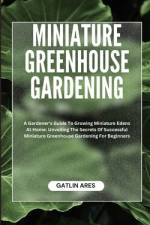
A tiny greenhouse is a structure that is built on a smaller size with the purpose of creating a controlled environment where plants can flourish. A mini greenhouse is a scaled-down version of a standard greenhouse, making it ideal for indoor or even balcony use.By creating a more controlled atmosphere, a small greenhouse can help plants grow for a longer period of time. Materials such as glass or plastic, which are translucent, are commonly used to construct such buildings. These materials let sunshine in while keeping the heat within. As a result, the greenhouse's interior becomes a microclimate that shields plants from cold, wind, and heavy rain while simultaneously encouraging warmer temperatures.For those who enjoy gardening but don't have a lot of room outside, or who live in urban areas, miniature greenhouses are a great investment. Plants of all kinds, including edible herbs, flowers, and vegetables, can be grown in these versatile containers, which come in a range of styles (including folding and portable ones). In order to control the humidity and temperature, some small greenhouses use ventilation systems.A miniature greenhouse is an excellent option for individuals who are short on space or have unique gardening requirements because it is a small, enclosed room that allows controlled and protected plant growth.
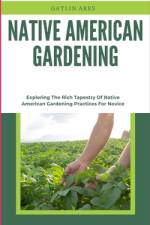
Native American gardening is the activity of growing food in a way that was common among North American indigenous communities prior to European settlement. The wide variety of Native American cultures and habitats was mirrored in the wide variety of these activities. Elements that are essential to Native American gardening are: - The Iroquois and the Cherokee are two of several Native American nations that continue to use the Three Sisters Agriculture method of traditional farming. Planting corn, beans, and squash together is called the "Three Sisters" method. Squash acts as a ground cover, suppressing weeds and retaining moisture, while beans enrich the soil with nitrogen and corn serves as a framework for the beans to climb.- Crop Rotation: In order to keep the soil fertile, Native American farmers frequently used crop rotation. Soil nutrient depletion and insect and disease problems could be mitigated through crop rotation.- One way to make the most of limited space and resources is to intercrop, which is growing multiple crops in one location. By working together in this way, plants can do things like improve soil fertility or ward off pests.- Grown in close proximity to one another for mutual benefit, these plants are known as companion plants. If you want your beans to climb sunflowers, you can plant them with them; the beans will add nitrogen to the soil while they climb.- Utilization of Indigenous Seeds: Seeds tailored to specific Native American ecosystems were carefully kept and traded throughout tribes. Because they had been carefully selected for a particular climate, these seeds had been passed down through many generations of farmers.- Spiritual and cultural practices: gardening was frequently entangled with these. When it came time to cultivate, tend, and harvest crops, many indigenous communities had special rituals and celebrations.- Environmental Harmony and Sustainability: Traditional Native American gardening techniques often prioritized these values. The land's long-term health was guaranteed by the use of techniques including terracing, agroforestry, and water management.The gardening techniques used by Native Americans varied greatly from one tribe to the next, reflecting differences in climate, resources, and cultural norms. These ways of life have been vital to Native American culture and history for generations, and they have supported indigenous populations.
In our modern world, supermarkets and grocery stores offer an abundance of Fruits, neatly arranged in colorful displays.Shoppers have access to a vast array of options, from leafy greens to vibrant bell peppers, without giving much thought to where or how these vegetables were grown. The convenience of purchasing fruits at the local store often overshadows the question of their origin, the conditions under which they were cultivated, and the use of chemical additives to maintain their freshness.The reality is that most fruits available in stores today are products of industrial-scale agriculture. They are typically grown in large monoculture fields, where the focus is on maximizing yield and profit. While this approach may provide an abundance of vegetables, it often comes at a cost to the environment and the quality of the produce.One of the major concerns in industrial agriculture is the extensive use of chemical fertilizers and pesticides. These chemicals are applied to enhance crop growth, control pests, and increase shelf life. While they may yield visually appealing fruits that remain fresh for an extended period, they can have adverse effects on both the environment and human health. Runoff from these chemicals can pollute waterways, harm wildlife, and disrupt ecosystems. Moreover, residual pesticides on vegetables can be harmful when consumed, contributing to concerns about food safety.In contrast to mass-produced fruits, there's a growing movement towards cultivating produce at home. Home gardening allows individuals to take control of their food supply, ensuring that the vegetables they consume are free from harmful chemicals. Here are some reasons why growing your fruits at home can be a preferable alternative: Quality Assurance: When you grow your fruits, you have full control over the growing conditions. You can choose organic methods and avoid the use of harmful chemicals, resulting in healthier, more nutrient-rich produce.Taste and Freshness: Homegrown fruits often have superior flavor and freshness compared to store-bought counterparts. They can be picked at the peak of ripeness, retaining their full taste and nutritional value.Environmental Benefits: Home gardening reduces the carbon footprint associated with transporting vegetables from distant farms to stores. It also promotes biodiversity and can contribute to local ecosystem health.Educational Value: Gardening provides an opportunity to connect with nature, learn about plant biology, and develop valuable skills. It's an excellent way to teach children about food sources and sustainability.Cost Savings: While there may be initial setup costs for gardening equipment and seeds, homegrown vegetables can ultimately save you money on grocery bills.Peace of Mind: Knowing exactly where your food comes from and how it's grown can provide a sense of security and satisfaction that store-bought produce often lacks.In conclusion, while the convenience of purchasing fruits at stores is undeniable, there are significant advantages to growing your own produce at home. By doing so, you can ensure that your fruits are natural, free from harmful chemicals, and grown under conditions that align with your values. Whether you have a small balcony, a backyard garden, or even just some windowsill space, home gardening can be a rewarding and environmentally responsible choice. It's a step towards a more sustainable and healthy way of nourishing yourself and your family.Therefore, I recommend that you choose this path, which will improve your health and give you a new hobby.
In our modern world, supermarkets and grocery stores offer an abundance of Fruits, neatly arranged in colorful displays.Shoppers have access to a vast array of options, from leafy greens to vibrant bell peppers, without giving much thought to where or how these vegetables were grown. The convenience of purchasing fruits at the local store often overshadows the question of their origin, the conditions under which they were cultivated, and the use of chemical additives to maintain their freshness.The reality is that most fruits available in stores today are products of industrial-scale agriculture. They are typically grown in large monoculture fields, where the focus is on maximizing yield and profit. While this approach may provide an abundance of vegetables, it often comes at a cost to the environment and the quality of the produce.One of the major concerns in industrial agriculture is the extensive use of chemical fertilizers and pesticides. These chemicals are applied to enhance crop growth, control pests, and increase shelf life. While they may yield visually appealing fruits that remain fresh for an extended period, they can have adverse effects on both the environment and human health. Runoff from these chemicals can pollute waterways, harm wildlife, and disrupt ecosystems. Moreover, residual pesticides on vegetables can be harmful when consumed, contributing to concerns about food safety.In contrast to mass-produced fruits, there's a growing movement towards cultivating produce at home. Home gardening allows individuals to take control of their food supply, ensuring that the vegetables they consume are free from harmful chemicals. Here are some reasons why growing your fruits at home can be a preferable alternative: Quality Assurance: When you grow your fruits, you have full control over the growing conditions. You can choose organic methods and avoid the use of harmful chemicals, resulting in healthier, more nutrient-rich produce.Taste and Freshness: Homegrown fruits often have superior flavor and freshness compared to store-bought counterparts. They can be picked at the peak of ripeness, retaining their full taste and nutritional value.Environmental Benefits: Home gardening reduces the carbon footprint associated with transporting vegetables from distant farms to stores. It also promotes biodiversity and can contribute to local ecosystem health.Educational Value: Gardening provides an opportunity to connect with nature, learn about plant biology, and develop valuable skills. It's an excellent way to teach children about food sources and sustainability.Cost Savings: While there may be initial setup costs for gardening equipment and seeds, homegrown vegetables can ultimately save you money on grocery bills.Peace of Mind: Knowing exactly where your food comes from and how it's grown can provide a sense of security and satisfaction that store-bought produce often lacks.In conclusion, while the convenience of purchasing fruits at stores is undeniable, there are significant advantages to growing your own produce at home. By doing so, you can ensure that your fruits are natural, free from harmful chemicals, and grown under conditions that align with your values. Whether you have a small balcony, a backyard garden, or even just some windowsill space, home gardening can be a rewarding and environmentally responsible choice. It's a step towards a more sustainable and healthy way of nourishing yourself and your family.Therefore, I recommend that you choose this path, which will improve your health and give you a new hobby.
In our modern world, supermarkets and grocery stores offer an abundance of Fruits, neatly arranged in colorful displays.Shoppers have access to a vast array of options, from leafy greens to vibrant bell peppers, without giving much thought to where or how these vegetables were grown. The convenience of purchasing fruits at the local store often overshadows the question of their origin, the conditions under which they were cultivated, and the use of chemical additives to maintain their freshness.The reality is that most fruits available in stores today are products of industrial-scale agriculture. They are typically grown in large monoculture fields, where the focus is on maximizing yield and profit. While this approach may provide an abundance of vegetables, it often comes at a cost to the environment and the quality of the produce.One of the major concerns in industrial agriculture is the extensive use of chemical fertilizers and pesticides. These chemicals are applied to enhance crop growth, control pests, and increase shelf life. While they may yield visually appealing fruits that remain fresh for an extended period, they can have adverse effects on both the environment and human health. Runoff from these chemicals can pollute waterways, harm wildlife, and disrupt ecosystems. Moreover, residual pesticides on vegetables can be harmful when consumed, contributing to concerns about food safety.In contrast to mass-produced fruits, there's a growing movement towards cultivating produce at home. Home gardening allows individuals to take control of their food supply, ensuring that the vegetables they consume are free from harmful chemicals. Here are some reasons why growing your fruits at home can be a preferable alternative: Quality Assurance: When you grow your fruits, you have full control over the growing conditions. You can choose organic methods and avoid the use of harmful chemicals, resulting in healthier, more nutrient-rich produce.Taste and Freshness: Homegrown fruits often have superior flavor and freshness compared to store-bought counterparts. They can be picked at the peak of ripeness, retaining their full taste and nutritional value.Environmental Benefits: Home gardening reduces the carbon footprint associated with transporting vegetables from distant farms to stores. It also promotes biodiversity and can contribute to local ecosystem health.Educational Value: Gardening provides an opportunity to connect with nature, learn about plant biology, and develop valuable skills. It's an excellent way to teach children about food sources and sustainability.Cost Savings: While there may be initial setup costs for gardening equipment and seeds, homegrown vegetables can ultimately save you money on grocery bills.Peace of Mind: Knowing exactly where your food comes from and how it's grown can provide a sense of security and satisfaction that store-bought produce often lacks.In conclusion, while the convenience of purchasing fruits at stores is undeniable, there are significant advantages to growing your own produce at home. By doing so, you can ensure that your fruits are natural, free from harmful chemicals, and grown under conditions that align with your values. Whether you have a small balcony, a backyard garden, or even just some windowsill space, home gardening can be a rewarding and environmentally responsible choice. It's a step towards a more sustainable and healthy way of nourishing yourself and your family.Therefore, I recommend that you choose this path, which will improve your health and give you a new hobby.
Our book is designed as a comprehensive guide for those who are new to the world of flowers.It aims to deepen your understanding and appreciation of these natural beauties, addressing key questions that often puzzle beginners. Basically, my content is directed for beginners to help them take the first steps in turning into an expert of flowers. Moreover, the book includes exclusive bonus content.This additional material is packed with valuable information, tips, and insights that are not commonly found in other guides. This extra content is particularly useful for readers who are eager to expand their knowledge beyond the basics. The core focus of my book is on guiding novices through the initial, often challenging stages of learning about flowers.It's structured to be easily comprehensible, providing step-by-step guidance that transforms a beginner into a knowledgeable enthusiast.Whether it's understandingdifferent types of flowerslearning about their caremaintenanceexploring the fascinating aspects of their growth and developmentThis book covers it all in a friendly and engaging manner In essence, this book is more than just a guide which you can find on the Internet, this is a complete answer to your exact question
Our book is designed as a comprehensive guide for those who are new to the world of flowers.It aims to deepen your understanding and appreciation of these natural beauties, addressing key questions that often puzzle beginners. Basically, my content is directed for beginners to help them take the first steps in turning into an expert of flowers. Moreover, the book includes exclusive bonus content.This additional material is packed with valuable information, tips, and insights that are not commonly found in other guides. This extra content is particularly useful for readers who are eager to expand their knowledge beyond the basics. The core focus of my book is on guiding novices through the initial, often challenging stages of learning about flowers.It's structured to be easily comprehensible, providing step-by-step guidance that transforms a beginner into a knowledgeable enthusiast.Whether it's understandingdifferent types of flowerslearning about their caremaintenanceexploring the fascinating aspects of their growth and developmentThis book covers it all in a friendly and engaging manner In essence, this book is more than just a guide which you can find on the Internet, this is a complete answer to your exact question
In our modern world, supermarkets and grocery stores offer an abundance of Fruits, neatly arranged in colorful displays.Shoppers have access to a vast array of options, from leafy greens to vibrant bell peppers, without giving much thought to where or how these vegetables were grown. The convenience of purchasing fruits at the local store often overshadows the question of their origin, the conditions under which they were cultivated, and the use of chemical additives to maintain their freshness.The reality is that most fruits available in stores today are products of industrial-scale agriculture. They are typically grown in large monoculture fields, where the focus is on maximizing yield and profit. While this approach may provide an abundance of vegetables, it often comes at a cost to the environment and the quality of the produce.One of the major concerns in industrial agriculture is the extensive use of chemical fertilizers and pesticides. These chemicals are applied to enhance crop growth, control pests, and increase shelf life. While they may yield visually appealing fruits that remain fresh for an extended period, they can have adverse effects on both the environment and human health. Runoff from these chemicals can pollute waterways, harm wildlife, and disrupt ecosystems. Moreover, residual pesticides on vegetables can be harmful when consumed, contributing to concerns about food safety.In contrast to mass-produced fruits, there's a growing movement towards cultivating produce at home. Home gardening allows individuals to take control of their food supply, ensuring that the vegetables they consume are free from harmful chemicals. Here are some reasons why growing your fruits at home can be a preferable alternative: Quality Assurance: When you grow your fruits, you have full control over the growing conditions. You can choose organic methods and avoid the use of harmful chemicals, resulting in healthier, more nutrient-rich produce.Taste and Freshness: Homegrown fruits often have superior flavor and freshness compared to store-bought counterparts. They can be picked at the peak of ripeness, retaining their full taste and nutritional value.Environmental Benefits: Home gardening reduces the carbon footprint associated with transporting vegetables from distant farms to stores. It also promotes biodiversity and can contribute to local ecosystem health.Educational Value: Gardening provides an opportunity to connect with nature, learn about plant biology, and develop valuable skills. It's an excellent way to teach children about food sources and sustainability.Cost Savings: While there may be initial setup costs for gardening equipment and seeds, homegrown vegetables can ultimately save you money on grocery bills.Peace of Mind: Knowing exactly where your food comes from and how it's grown can provide a sense of security and satisfaction that store-bought produce often lacks.In conclusion, while the convenience of purchasing fruits at stores is undeniable, there are significant advantages to growing your own produce at home. By doing so, you can ensure that your fruits are natural, free from harmful chemicals, and grown under conditions that align with your values. Whether you have a small balcony, a backyard garden, or even just some windowsill space, home gardening can be a rewarding and environmentally responsible choice. It's a step towards a more sustainable and healthy way of nourishing yourself and your family.Therefore, I recommend that you choose this path, which will improve your health and give you a new hobby.
In our modern world, supermarkets and grocery stores offer an abundance of Fruits, neatly arranged in colorful displays.Shoppers have access to a vast array of options, from leafy greens to vibrant bell peppers, without giving much thought to where or how these vegetables were grown. The convenience of purchasing fruits at the local store often overshadows the question of their origin, the conditions under which they were cultivated, and the use of chemical additives to maintain their freshness.The reality is that most fruits available in stores today are products of industrial-scale agriculture. They are typically grown in large monoculture fields, where the focus is on maximizing yield and profit. While this approach may provide an abundance of vegetables, it often comes at a cost to the environment and the quality of the produce.One of the major concerns in industrial agriculture is the extensive use of chemical fertilizers and pesticides. These chemicals are applied to enhance crop growth, control pests, and increase shelf life. While they may yield visually appealing fruits that remain fresh for an extended period, they can have adverse effects on both the environment and human health. Runoff from these chemicals can pollute waterways, harm wildlife, and disrupt ecosystems. Moreover, residual pesticides on vegetables can be harmful when consumed, contributing to concerns about food safety.In contrast to mass-produced fruits, there's a growing movement towards cultivating produce at home. Home gardening allows individuals to take control of their food supply, ensuring that the vegetables they consume are free from harmful chemicals. Here are some reasons why growing your fruits at home can be a preferable alternative: Quality Assurance: When you grow your fruits, you have full control over the growing conditions. You can choose organic methods and avoid the use of harmful chemicals, resulting in healthier, more nutrient-rich produce.Taste and Freshness: Homegrown fruits often have superior flavor and freshness compared to store-bought counterparts. They can be picked at the peak of ripeness, retaining their full taste and nutritional value.Environmental Benefits: Home gardening reduces the carbon footprint associated with transporting vegetables from distant farms to stores. It also promotes biodiversity and can contribute to local ecosystem health.Educational Value: Gardening provides an opportunity to connect with nature, learn about plant biology, and develop valuable skills. It's an excellent way to teach children about food sources and sustainability.Cost Savings: While there may be initial setup costs for gardening equipment and seeds, homegrown vegetables can ultimately save you money on grocery bills.Peace of Mind: Knowing exactly where your food comes from and how it's grown can provide a sense of security and satisfaction that store-bought produce often lacks.In conclusion, while the convenience of purchasing fruits at stores is undeniable, there are significant advantages to growing your own produce at home. By doing so, you can ensure that your fruits are natural, free from harmful chemicals, and grown under conditions that align with your values. Whether you have a small balcony, a backyard garden, or even just some windowsill space, home gardening can be a rewarding and environmentally responsible choice. It's a step towards a more sustainable and healthy way of nourishing yourself and your family.Therefore, I recommend that you choose this path, which will improve your health and give you a new hobby.
In our modern world, supermarkets and grocery stores offer an abundance of Fruits, neatly arranged in colorful displays.Shoppers have access to a vast array of options, from leafy greens to vibrant bell peppers, without giving much thought to where or how these vegetables were grown. The convenience of purchasing fruits at the local store often overshadows the question of their origin, the conditions under which they were cultivated, and the use of chemical additives to maintain their freshness.The reality is that most fruits available in stores today are products of industrial-scale agriculture. They are typically grown in large monoculture fields, where the focus is on maximizing yield and profit. While this approach may provide an abundance of vegetables, it often comes at a cost to the environment and the quality of the produce.One of the major concerns in industrial agriculture is the extensive use of chemical fertilizers and pesticides. These chemicals are applied to enhance crop growth, control pests, and increase shelf life. While they may yield visually appealing fruits that remain fresh for an extended period, they can have adverse effects on both the environment and human health. Runoff from these chemicals can pollute waterways, harm wildlife, and disrupt ecosystems. Moreover, residual pesticides on vegetables can be harmful when consumed, contributing to concerns about food safety.In contrast to mass-produced fruits, there's a growing movement towards cultivating produce at home. Home gardening allows individuals to take control of their food supply, ensuring that the vegetables they consume are free from harmful chemicals. Here are some reasons why growing your fruits at home can be a preferable alternative: Quality Assurance: When you grow your fruits, you have full control over the growing conditions. You can choose organic methods and avoid the use of harmful chemicals, resulting in healthier, more nutrient-rich produce.Taste and Freshness: Homegrown fruits often have superior flavor and freshness compared to store-bought counterparts. They can be picked at the peak of ripeness, retaining their full taste and nutritional value.Environmental Benefits: Home gardening reduces the carbon footprint associated with transporting vegetables from distant farms to stores. It also promotes biodiversity and can contribute to local ecosystem health.Educational Value: Gardening provides an opportunity to connect with nature, learn about plant biology, and develop valuable skills. It's an excellent way to teach children about food sources and sustainability.Cost Savings: While there may be initial setup costs for gardening equipment and seeds, homegrown vegetables can ultimately save you money on grocery bills.Peace of Mind: Knowing exactly where your food comes from and how it's grown can provide a sense of security and satisfaction that store-bought produce often lacks.In conclusion, while the convenience of purchasing fruits at stores is undeniable, there are significant advantages to growing your own produce at home. By doing so, you can ensure that your fruits are natural, free from harmful chemicals, and grown under conditions that align with your values. Whether you have a small balcony, a backyard garden, or even just some windowsill space, home gardening can be a rewarding and environmentally responsible choice. It's a step towards a more sustainable and healthy way of nourishing yourself and your family.Therefore, I recommend that you choose this path, which will improve your health and give you a new hobby.
In most contexts, "Lima beans growing" means that the legume known as Lima bean (or butter bean) is being cultivated in a garden or agricultural setting. Lima beans, a species of legume, are grown primarily for their edible seeds, which are a popular ingredient in a wide variety of dishes.When Lima beans are in various stages of development, from seeds to germination to growth to flowering to the formation of bean pods, they are said to be "growing." The steps involved in this procedure are as follows: 1. Planting: Lima beans are normally cultivated from seeds. These seeds are placed in the ground when the soil is at the proper temperature, which is typically in the spring.2. The Lima bean seeds will germinate once planted. Here we see the first signs of life from the seeds we planted.3. The young Lima bean plants keep expanding, putting out new leaves and stems and even sending out new roots. They need regular watering and fertilizer as well as safeguarding against pests and illnesses.4. The mature Lima bean plant will have blossoms. These blossoms, which can be either white or a very light yellow, are crucial for the beans to progress to the next growth stage.5. The blossoms of Lima bean plants transform into bean pods once they have been successfully pollinated. Lima beans can be found inside of these pods.6. Bean Maturation: Over time, the bean pods continue to expand and mature. The beans contained within the pods will also grow to maturity and be ready to be harvested.7. Lima beans can be picked when they have reached full maturity. This is the point at which they can be harvested and utilized in cooking.Growing Lima beans is an important component of agriculture and gardening, therefore it's important to give them the attention they need. The success of a Lima bean crop depends on a number of factors, including timing, soil quality, and climate.
Peppers, bell peppers, or sweet peppers are all terms used to describe the same fruit, which is a member of the Capsicum annuum species. Botanists classify them as berries, although in culinary contexts they are thought of as vegetables. The slight sweetness and crisp texture of bell peppers are its defining characteristics.A rainbow of hues is available for these peppers, from green and red to yellow and orange and even purple. Bell peppers can be visually identified by their color; for instance, green peppers are not as ripe as red or yellow ones. Red peppers tend to have a little sweeter flavor than green ones, although the flavor might vary slightly depending on the hue as well.Vitamin C is abundant in bell peppers and other antioxidant-rich vegetables. You can have them raw in salads, sliced for a snack, or cooked in a myriad of meals like soups, casseroles, and stir-fries. Bell peppers are a healthy and lovely addition to many different kinds of food because of their adaptability and vivid hues.
A member of the Vaccinium genus, which also contains cranberries and blueberries, bilberries (Vaccinium myrtillus) are tiny, dark-purple berries. These berries can be found in acidic, nutrient-poor soils in heathlands and woodlands; they are endemic to Europe and parts of Asia.Some important things to know about bilberries are: - Bilberries look like little spherical berries that are anything from very dark blue to nearly black in hue. The usual diameter of these objects is between 5 and 10 millimeters.- A little tartness complements the sweet taste of bilberries. While bilberries and blueberries have many similarities, the two fruits are typically smaller and darker in color.- Benefits to Health: The anthocyanins that give bilberries their dark hue are among the many antioxidants found in bilberries. They are a good source of minerals and vitamins, including vitamin C.- Many people feel that bilberries, thanks to their high antioxidant content, offer a host of health benefits. There is some evidence that they can help with circulation, inflammation, and eye health.- Jams, jellies, pies, and pastries are just a few of the many culinary uses for bilberries. Beverages such as bilberry wine are also made with them. For individuals interested in bilberry's possible health benefits, there are supplements and extracts available.It's important to remember that bilberries and blueberries are related, but there are noticeable distinctions in flavor, size, and how each fruit grows.
The Akebia vine produces the Akebi fruit, which is another name for the Akebia quinata. The vine grows wild in East Asian nations like Korea, China, and Japan. The center of the fruit is white or pale transparent, and the outside is purple or reddish-purple, giving it a distinctive look.The flavor of akebi fruit is described as sweet with a hint of tartness. It has several culinary uses, including fresh consumption or incorporation into salads, desserts, and drinks. The fruit has possible medicinal uses in traditional medicine in certain cultures as well.The Akebia vine is an impressively tough, rapidly growing plant that is occasionally grown for its aesthetic value. In addition to covering fences or trellises with its fragrant vines, this plant also produces clusters of fragrant flowers.The Akebi fruit can give a unique and delicious twist to your cooking adventures if you get the chance to try it.
Ingrese a un mundo donde la resiliencia no es solo una virtud sino una estrategia de supervivencia urbana. La "GuÃa de supervivencia urbana de Prepper 2024" no es el tÃpico manual de preparación; es un plan para conquistar las junglas de cemento con una confianza inquebrantable. En una metrópolis donde la incertidumbre es la única constante, esta guÃa revela las estrategias esenciales no sólo para sobrevivir sino también para prosperar frente a los desastres urbanos más comunes y catastróficos. ImagÃnese esto: un paisaje urbano transformado por desafÃos imprevistos y usted, equipado con el conocimiento para navegarlo como un cerebro estratégico. Desde proteger tu hogar de maneras ingeniosas hasta dominar el arte de la búsqueda de comida urbana, cada capÃtulo es una clave para descubrir los secretos de la supervivencia urbana. No es sólo una guÃa; es tu aliado para convertir la adversidad en ventaja. Sumérgete en las complejidades de la preparación financiera: un capÃtulo que revela el arte de gestionar las finanzas durante las crisis y explora la antigua sabidurÃa del trueque y el comercio en el bullicioso corazón de la ciudad. No se trata sólo de almacenar suministros; se trata de forjar conexiones y crear una comunidad resiliente que prospere cuando otros fallan. Pero este no es un manual de supervivencia común y corriente; es una narrativa que te atrapa desde la primera página y no te suelta. No se trata sólo de desastres; se trata del triunfo del ingenio. Ya sea que sea un preparador experimentado o un habitante de la ciudad que mira el futuro con incertidumbre, esta guÃa es su boleto para dominar la supervivencia urbana. La "GuÃa de supervivencia urbana de Prepper 2024" no es sólo un libro; es su pasaporte a una ciudad donde la preparación se combina con el empoderamiento y donde la supervivencia no es sólo una meta sino un estilo de vida. Prepárese para embarcarse en un viaje a través de la naturaleza concreta, armado con conocimiento, resiliencia y el espÃritu inquebrantable de un sobreviviente urbano. Tu ciudad te espera, ¿estás preparado?
Understanding the Basics of Gardening Gardening is a rewarding practice that combines elements of art, science, and environmental stewardship. At its core, gardening involves cultivating plants for their aesthetic appeal, nutritional value, or both. To begin understanding the basics of gardening, one must first appreciate the importance of soil health. Soil is not just dirt; it's a living ecosystem teeming with microorganisms that support plant life. The right balance of nutrients, pH level, and soil texture can make the difference between a thriving garden and a barren plot. Climate is another fundamental aspect to consider. A gardener must understand their local climate zone to select plants that are well-suited to their environment. This includes knowing the length of growing seasons, average temperatures, and precipitation patterns. Additionally, understanding how to work with microclimates within your garden space can enhance plant growth and survival rates. Watering practices are also crucial in gardening basics. Over-watering can lead to root rot and fungal diseases, while under-watering stresses plants and reduces yield. Learning how to gauge soil moisture and implementing an efficient watering schedule tailored to your garden's needs is essential.
The Rocky Mountains Edible Wild Plants Foraging Guide is the ultimate companion for nature enthusiasts and adventurers alike. With detailed information on a wide variety of edible plants found in the stunning Rocky Mountain region, this guide is a valuable resource for those interested in sustainable foraging and those wanting to learn more about the natural flora of this iconic mountain range.Highlights: 1. Comprehensive Guide: This book provides extensive coverage of over 100 different edible wild plants that can be found throughout the Rocky Mountains. It includes detailed descriptions, photographs, and habitat information for each plant, making identification easy and reliable.2. Detailed Profiles: The guide offers in-depth profiles for each plant, highlighting their nutritional value, medicinal properties, and historical uses. It also includes tips on when and where to find these plants, ensuring a successful foraging experience.3. Beautiful Photography: The guide features stunning, full-color photographs of each plant, allowing users to visually identify them and appreciate their natural beauty.4. Sustainable Foraging Practices: In addition to providing information on edible plants, this guide promotes sustainable foraging practices, emphasizing the importance of responsible harvesting and preservation of natural resources.Benefits: Empowers foragers: This guide equips users with the knowledge to confidently identify and harvest edible plants in the Rocky Mountains, fostering a deeper connection to the natural environment.Nutritional and medicinal value: By understanding the nutritional benefits and medicinal properties of wild plants, users can enhance their overall well-being and explore natural remedies.Cost-effective and sustainable: Foraging for edible wild plants is not only a cost-effective way to enhance meals but also a sustainable approach to food sourcing that reduces reliance on commercial agriculture.The Rocky Mountains Edible Wild Plants Foraging Guide is suitable for both beginners and experienced foragers. It serves as a valuable reference for nature enthusiasts, hikers, campers, and anyone interested in exploring the natural bounty of the Rocky Mountains. This guide can be used to plan foraging excursions, identify edible plants on the go, or simply expand knowledge about the region's flora.Quality Assurance: Authoritative Information: The guide is written by experts in the field of wild plant foraging, ensuring accurate and reliable information.Detailed Descriptions: Each plant description is meticulously researched, providing comprehensive details for proper identification.Photographs: The inclusion of high-quality photographs enhances the accuracy of plant identification.Embark on a wild culinary adventure in the breathtaking Rocky Mountains with The Rocky Mountains Edible Wild Plants Foraging Guide. Learn about, identify, and responsibly harvest delicious and nutritious plants from this picturesque region. Grab your copy now and unlock the secrets of sustainable foraging!
Medicago sativa, more often known as alfalfa, is a member of the Fabaceae family of flowering plants. Although it is most often cultivated as a crop to feed livestock, it has multiple nutritional purposes for humans and is highly prized as a cover crop for farmers. Among the many benefits of the alfalfa plant are the following: - Alfalfa is a common crop for farmers to grow for their animals, especially goats, horses, and cattle. Because it is a great source of protein and other nutrients that animals need, it has a high nutritional value.- To boost soil health, farmers frequently plant alfalfa as a cover crop. The plant's extensive root system enhances soil structure and helps to mitigate soil erosion. An additional benefit of using it in crop rotation systems is its capacity to fix atmospheric nitrogen.- Animals and humans alike can benefit from alfalfa's nutrient-rich content. Calcium, magnesium, phosphorus, and potassium are among the minerals it contains, and it also includes vitamins A, B, C, D, and K. Additionally, it has a decent amount of fiber and protein.- For human consumption, alfalfa is a dietary staple for some. Its sprouting form makes it a popular addition to sandwiches and salads. Supplemental alfalfa is also sold for its purported health advantages and comes in a variety of forms, including pills, liquid extracts, and tablets.- Traditional medicine has utilized alfalfa for a variety of purposes, including aiding digestion and acting as a diuretic. The scientific proof for these therapeutic claims is minimal, though, so keep that in mind.- Because of its extensive root system, which reaches deep into the earth, alfalfa is able to endure periods of severe drought.Cultivation of alfalfa is common in many parts of the world since the plant has various uses. Forage crops, cover crops, and nutritional supplements are just a few of the many ways alfalfa is important in agriculture and food production.
The deciduous woodlands of eastern North America are the natural habitat of the herbaceous perennial plant known as American mayapple (Podophyllum peltatum). It belongs to the Berberidaceae family, which includes barberries. Some of the other names for this plant include ground lemon, mayapple, and wild mandrake.Characteristics that set the American mayapple apart are: - Leaves: Usually, the plant only makes one big, umbrella-shaped leaf, which looks like a palm tree or an umbrella and has deep lobes.The typical diameter of the leaf is between thirty and fifty centimeters (12-20 inches).- Mayapples have one white flower in the spring, and it's usually buried by the big leaves. The bloom looks waxy and has six or nine petals. To bloom, a plant needs at least two leaves.- The mayapple's fruit is a berry that ranges in color from yellow to green and is meaty. Only when fully mature may it be eaten; else, the entire plant is poisonous. Some say the fruit looks like a miniature apple, which is why it's called a "mayapple."- The ideal environment for American mayapples is a woodland that is rich, damp, and shady. Colonies of these plants thrive in soils that drain well.- The ripe fruit is safe to eat in moderation, but the plant as a whole, including its stems, roots, and unripe fruit, contains deadly chemicals including podophyllotoxin. Mayapple has a history of usage in traditional medicine, but its toxicity makes it a herb that requires vigilance.Some indigenous and traditional traditions hold the plant in high regard for its cultural and medical properties. You should only forage for mayapple or use it medicinally with the right understanding and care because its incorrect usage can be dangerous.
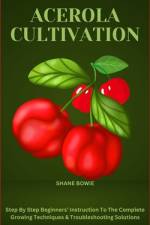
The Acerola cherry tree (Malpighia emarginata) is the source of the tropical fruit known as Acerola. You might hear this fruit called wild crepe myrtle, Barbados cherry, or West Indian cherry. Acerola cherries are little, brightly colored, and sour. It is a common component in many nutritious drinks, pills, and powders due to its high vitamin C content.Acerola cherries are rich in vitamin C, but they also include other nutrients like vitamin A, vitamin B complex, and a number of minerals. The fruit's nutritional richness and its antioxidant capabilities make it highly prized.Jams, jellies, and drinks are just a few of the many culinary uses for acerola. Its possible health advantages have also contributed to its meteoric rise in the health food and wellness market.
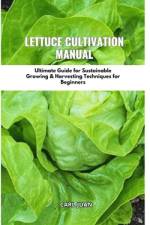
In most contexts, "lettuce growing" means the process of cultivating lettuce. Lettuce is a popular leafy green because of its edible, soft leaves, which are put to good use in salads and sandwiches. Lettuce is widely grown in both traditional farming and more modern methods like hydroponics.To cultivate lettuce, one must first sow lettuce seeds or seedlings in soil or another growth medium, tend to the plants until they are mature enough to harvest, and then harvest the lettuce. Among the most important aspects of lettuce cultivation are: - Lettuce can be grown in either regular garden soil or potting mix in containers. It can be cultivated without soil in nutrient-rich water-based hydroponic systems.- Watering: Lettuce requires consistent and even hydration to avoid the leaves from becoming bitter or developing a rough texture. In order to keep the soil moist, many people utilize drip irrigation or soaker hoses.- Lettuce, which thrives in the spring and fall when temperatures are milder, is a versatile crop. As a result of its heat tolerance, it is a common winter crop in tropical regions.- Lettuce prefers bright, indirect sunshine, but it can also grow in partial shade, which is very helpful in regions with particularly high temperatures.- For optimal leaf development, lettuce requires a fertilizer that provides a balanced ratio of nitrogen, phosphorus, and potassium.- Aphids, slugs, snails, and fungal infections are just some of the common pests and illnesses that can harm lettuce. These problems could be managed with integrated pest management strategies.- When lettuce leaves have grown to the correct size, they can be harvested by snipping them off near the plant's base. There are two methods of harvesting: "cut and come again," in which the plant is allowed to keep producing leaves, and "whole head," in which all of the leaves are removed.The specifics of lettuce cultivation may change with climate, growth method, and lettuce variety. Lettuce is a favorite among gardeners and farmers because it is simple to care for and produces fruit quickly. It can be cultivated in many different types, each with its own set of distinguishing traits: loose-leaf, butterhead, romaine, and iceberg lettuce.
Specifically and specially from a bonsai expert. Freda bonsai.You may have always wanted to know how to grow your bonsai tree but had certain confusionsThis book is for you !!!!!Are you willing to discover secrets and facts about the bonsai tree.Its here in the bible of bonsaiGet to discover how to grow your bonsai and never let it die off. Become an expert and q bonsai tutor.Get a copy!
To assure a continuous harvest, succession planting is a gardening technique in which crops are planted at various intervals throughout the growing season.Staggering the plantings entails not so much as simultaneously sowing all the seeds or seedlings, but rather ensuring that as one crop is harvested, another is prepared to replace it. This approach facilitates the optimization of resource utilization, prolongs the harvest season, and maximizes the utilization of accessible agricultural area.Multiple advantages are associated with succession planting: 1. Continuous Harvest: Opting for staged planting enables one to benefit from a consistent provision of fresh produce over a prolonged duration, as opposed to amassing a substantial quantity simultaneously.2. Resource Optimization: By employing succession planting, one can maximize the utilization of both garden space and available resources. By utilizing the space created by the harvest of one commodity for the next, the garden maintains its productivity throughout the entire season.3. Waste Mitigation: By succession planting, one can effectively manage their harvest, thereby minimizing the risk of wastage, as opposed to confronting an immediate surplus of vegetables or fruits.4. Season Extension: Succession planting enables one to plant crops that flourish in particular temperature ranges or daylight conditions by capitalizing on varying growing conditions throughout the season.5. Crop Diversity: By planting a variety of crops in succession, the risk of pests and diseases that target specific plant species can be reduced and soil health can be enhanced.It is crucial to understand the average frost dates in your region and the specific growing requirements of the crops you intend to plant in order to implement succession planting.Certain commodities may be sown in early spring, with subsequent plantings occurring in the middle and late seasons. Successive succession planting requires organizing and planning, in addition to timing and consideration of the life cycle of each
By virtue of their innovative and environmentally conscious design, shipping container homes transform used shipping containers into habitable structures. Popularity has increased for these residences on account of their eco-friendliness, affordability, and adaptability of design. The idea entails the transformation of conventional transportation containers, which are commonly constructed from steel, into habitable areas.The following is an elucidation of cargo container dwellings: 1. Repurposing Shipping Containers: The primary function of shipping containers is the international transport of products. They are readily available, weather-resistant, and resilient. Repurposing these containers for residential use provides them with a second life and reduces waste.2. The environmental friendliness and sustainability of container dwellings is one of their primary selling points. You contribute to the reduction of steel production, which in turn reduces the energy consumption and greenhouse gas emissions associated with the production of new building materials, by reusing containers.3. Comparative affordability: Container dwellings may serve as an economical substitute for conventional building techniques. The economical cost of materials and the space-saving capability of containers due to their modular design contribute to the reduction of construction expenses.4. The inherent modularity of containers facilitates the creation of individualized and customizable living spaces. They are versatile in that they can be layered, combined, or arranged in a variety of configurations to accommodate architectural styles and personal preferences.5. Rapid Construction: In comparison to conventional homes, container homes frequently undergo construction at an accelerated pace. A substantial portion of the structure (the container) has already been constructed, which streamlines the construction process and reduces labor and time expenses.6. Structural Integrity and Durability: Shipping containers are constructed to endure severe maritime environments, which contributes to their exceptional durability. The steel framework of container homes establishes a robust framework, and through appropriate insulation and alterations, they are capable of satisfying or surpassing prevailing building codes.7. The inherent portability of container dwellings permits them to be relocated if necessary. Those who prefer a mobile residence or desire a flexible lifestyle will find this characteristic appealing.8. Energy efficiency can be achieved with container dwellings through the implementation of appropriate insulation and design considerations. For an additional reduction in their ecological footprint, they may be outfitted with sustainable technologies like photovoltaics and energy-efficient appliances.9. Difficulties and Factors to Be Considered: Notwithstanding their manifold merits, container homes present certain obstacles and considerations, such as ventilation and insulation concerns, as well as the possibility of zoning restrictions. It is essential to address these concerns throughout the design and construction processes in order to produce compliant and comfortable living spaces.Shipping container homes exemplify a novel and environmentally conscious housing concept that provides a distinctive combination of cost-effectiveness, ecological compatibility, and architectural adaptability. As the need for innovative and practical housing alternatives increases, container homes further solidify their status as a favored altern
The avocado tree, or Persea americana, is indigenous to the south-central region of Mexico and produces the fruit known as an avocado. Despite their widespread vegetable association, avocados are actually berries. The fruit is velvety smooth and tastes slightly nutty. In particular, the heart-healthy monounsaturated fats found in avocados contribute to the fruit's stellar reputation for nutritional density.The Hass avocado, with its creamy green flesh and black, pebbly exterior, is the most popular kind. Smoothies, salads, sandwiches, and dips (like guacamole) are just a few of the many ways avocados shine. They are also commonly used in many other types of cuisine.Avocados are a great source of healthy fats and a host of other nutrients, such as potassium, vitamin K, vitamin E, vitamin C, and B-vitamins for your body.They have a lot of beneficial dietary fiber as well. Many people believe that avocados are a healthy and wholesome complement to a well-rounded diet because of its many beneficial nutrients.
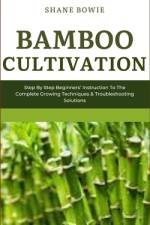
Bamboo is the common name for a family of grasses that include a number of woody perennials. These plants can be found in a wide range of temperatures, from tropical to temperate, and are renowned for their fast growth rate.Because of its adaptability and eco-friendliness, bamboo is highly prized for its many practical applications. Here are a few important things to know about bamboo and its uses: - Rapid Expansion: Under ideal circumstances, several varieties of bamboo can grow several feet in a single day, earning the plant a reputation for its speedy expansion.- In addition to its many building, furniture, paper, textile, and even edible uses, bamboo is a very adaptable material.- Despite its low weight, bamboo possesses remarkable strength and flexibility. In the construction industry, it finds widespread use as flooring, scaffolding, and even house construction.- Due to its fast growth rate and the fact that it can be collected without harming the plant, bamboo is seen as a sustainable material. Cultivating and harvesting this natural resource does not significantly harm the environment.- Use in the Kitchen: You may eat the shoots of certain kinds of bamboo, and they're a staple in Asian cooking. These delicate young shoots are picked and put to use in a variety of recipes.- Because of their lovely and graceful appearance, several kinds of bamboo are grown for decorative reasons in gardens and landscapes.- For the purpose of controlling erosion, bamboo is useful for stabilizing slopes and avoiding landslides due to its large root system.- The cultural importance of bamboo stems from its associations with virtues like resiliency, adaptability, and strength in many Asian countries.It's important to remember that bamboo comes in a wide variety of shapes, sizes, and species. Furthermore, bamboo has a variety of applications in various fields and civilizations.
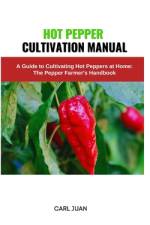
In this context, "hot pepper growing" means the process of tending to and nurturing hot pepper plants. Capsaicin, a chemical found in hot peppers, gives them their characteristic spicy or hot flavor. There are a few things to keep in mind when cultivating spicy peppers: - Pepper Selection there are various types of hot peppers, each with its own unique heat, flavor, and applications. Jalapeos, habaneros, serranos, and ghost peppers are just a few of the most well-liked types. Your personal preferences and the local climate will determine the best type to grow.- Planting: Usually, seeds or seedlings are used to cultivate hot peppers. Depending on your location and the available space, you can plant them in the ground or in containers. Peppers require well-drained soil and plenty of sunlight.- Soil Preparation: Aim for a pH of 6.0-6.5 and enough of organic materials. Preparing the soil correctly can encourage robust plant development.- Consistent but not excessive irrigation is required for hot peppers. Underwatering can slow development and diminish fruit output, while overwatering can cause root rot.- Fertilization: Use a slow-release, balanced fertilizer to provide your plants the nutrition they need to thrive. Use the fertilizer in accordance with the instructions on the package.- Pruning: By allowing more light and air into a space, pruning can help minimize the spread of disease. It can also promote fuller, bushier growth and increased yields of fruit.- Pest and disease management Aphids, caterpillars, and fungal infections are just some of the pests and diseases that can attack hot pepper plants. Keeping plants healthy may require periodic monitoring and the use of organic or chemical remedies.- Hot peppers are ready for harvesting when they have reached the size and color you prefer. The level of spiciness frequently increases as peppers ripen. Capsaicin, found in hot peppers, can cause skin discomfort if handled without gloves.- Peppers are best utilized fresh, but they can be kept for later use. Their storage life can be lengthened by drying, pickling, or freezing.- Seed Saving: If you have a lot of ripe peppers and want to grow hot peppers next season, you can save the seeds. Pick seeds from peppers you know are both nutritious and delicious.Care requirements for growing hot peppers can range widely from one variety to another and from one environment to another. Understanding the specifics of the hot pepper variety you intend to cultivate is crucial.
Apiculture, often known as beekeeping, refers to the process of maintaining honey bees for the goal of harvesting honey, beeswax, and other useful bee-related goods. Producing honey and other products from honey bees requires providing them with a favorable environment, meeting their needs, and taking care of their hives or colonies. Here are the most important parts and features of a honey bee farm: - Beekeepers supply the specialized boxes or buildings where honey bees construct their nests and store their honey as beehives. These hives allow beekeepers quick and simple access to the colony they are caring for.- Colony Management: Beekeepers are responsible for the care and management of bee colonies. Protecting the colony from disease and pests is a part of this, as is keeping an eye on the bees' well-being and activity levels.- The primary goal of keeping honey bees is to produce honey. Honey is harvested by beekeepers who gently remove honeycomb from beehives without disturbing the bees. When honey is harvested is determined by a number of variables, including the climate of the region and the specific honey being harvested.- In addition to honey, bee colonies produce a useful substance called beeswax. Candles, cosmetics, and food-preservation wraps are just a few of the many uses for beeswax.- Honey bees provide vital pollination services for many different types of crops, including fruits, vegetables, and nuts. Beekeepers who place their hives in or near flowering fields provide farmers with a valuable pollination service.- Products from the hive include honey, beeswax, royal jelly, bee pollen, and propolis, all of which the bees use for various purposes, including sealing and protecting the hive, feeding the young bees, and gaining nutrients.- Instructional and Conservation Efforts: Beekeepers regularly engage in instructional efforts to promote awareness about the importance of honey bees and the issues they face, such as habitat loss and pesticide exposure. They may also take part in preservation initiatives aimed at keeping honey bee populations safe.Crop pollination and the creation of natural, renewable goods can make honey bee farming a viable and environmentally benign agricultural activity. To succeed, though, you'll need to study up on beekeeping and pay close attention to the health of your hives. Commercial, amateur, and conservation beekeepers all contribute significantly to agricultural and ecosystem health.
Most hostas are propagated not from bulbs, but rather from crown divisions or from plants started in containers. Hostas are commonly grown in gardens for their beautiful and decorative leaves, which can last for several seasons. Instead of starting with bulbs, they are grown from the plant's central crown. Here is a quick rundown on the typical methods of hosta propagation and cultivation: - Most hostas are propagated through crown division, which is also the most efficient way. Digging up a mature hosta and chopping off portions of the crown is the first step. Roots and several young shoots (called "eyes") should be present in each division. New hosta plants can be grown from these cuttings.- Hostas can also be acquired from nurseries and garden centers as container-grown plants. Transplant only healthy, well-established hostas from their containers into your garden or an appropriate container.- Soil and Location: Hostas like well-draining soil that maintains moisture but doesn't become soggy. They like shady conditions but will survive in more direct sunlight. Planting hostas need nutrient-rich soil, so be sure to include plenty of organic material.- Hostas should be planted in a hole just slightly bigger than the root ball or division. Plant it at the same level it had been growing at before. Due to their variability in size, hostas should be planted at intervals determined by the respective variety.- When watering, make sure the soil is never dry but never soggy, too. Hostas thrive in consistently moist conditions but may withstand brief periods of drought.- Mulch: Mulch around hostas can help retain soil moisture and cut down on weeds. It also helps the soil maintain a more consistent temperature.- Fertilize hostas using a slow-release, balanced fertilizer in the spring and again in the early summer. Fertilizer should be applied at the rates specified on the packaging.- In order to promote healthy growth and enhance the plant's aesthetic appeal, it is recommended that dead or damaged leaves be removed on a regular basis. Overcrowding can be avoided by dividing hostas every few years.Hostas are low-maintenance plants that are well-known for their versatility. Because of the variety in size, leaf color, and shape, they are frequently used to brighten up shady garden spaces. Although they aren't commonly grown from bulbs, their lush foliage and aesthetic appeal make them a worthwhile addition to many gardens.
Embark on a transformative journey with LifeCraft. This extraordinary guide is your key to unlocking a world of innovation and resourcefulness, offering unparalleled insights into mastering life's intricacies. Dive into a realm where every challenge becomes an opportunity for ingenious solutions. LifeCraft is not just a book; it's your toolbox, filled with creative strategies to navigate the complexities of modern life. From time management to personal growth, relationships, and well-being, this book guides you toward a more fulfilling and purposeful existence. In the pages of LifeCraft, discover how small, clever tweaks can yield significant improvements in your daily life. Break free from the mundane and embrace a lifestyle crafted with intention and ingenuity. Your journey to a more empowered and fulfilling life begins now. Don't just read about it; live it. Unleash your potential, overcome challenges, and craft a unique life. Take the first step - immerse yourself in LifeCraft and transform your everyday challenges into opportunities for greatness. Your extraordinary life awaits. Craft it.
Abonner på vårt nyhetsbrev og få rabatter og inspirasjon til din neste leseopplevelse.
Ved å abonnere godtar du vår personvernerklæring.